





Edwardian Engraved Tray
When you handle an edwardian engraved tray, you hold a functional piece of metalwork designed to carry tea service, drinks, or visiting cards with formal elegance.
Edwardian Engraved Tray
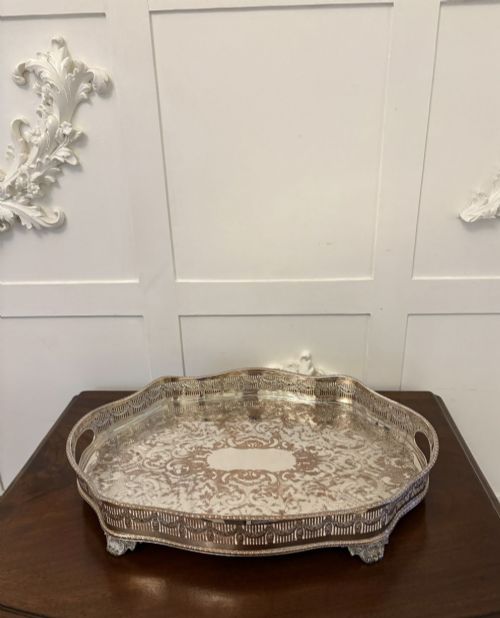
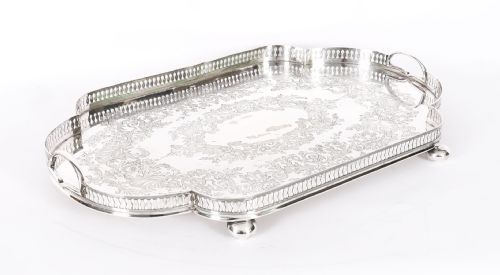
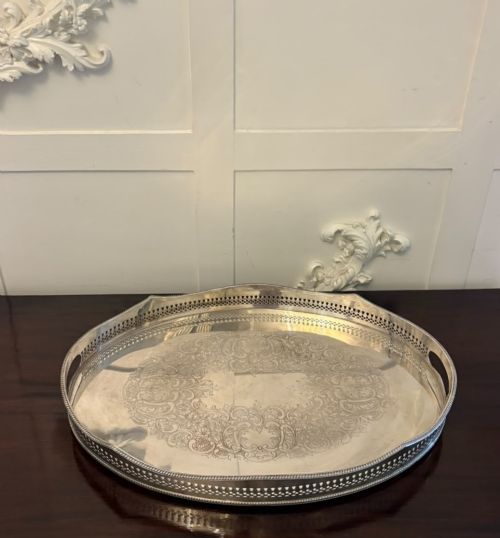
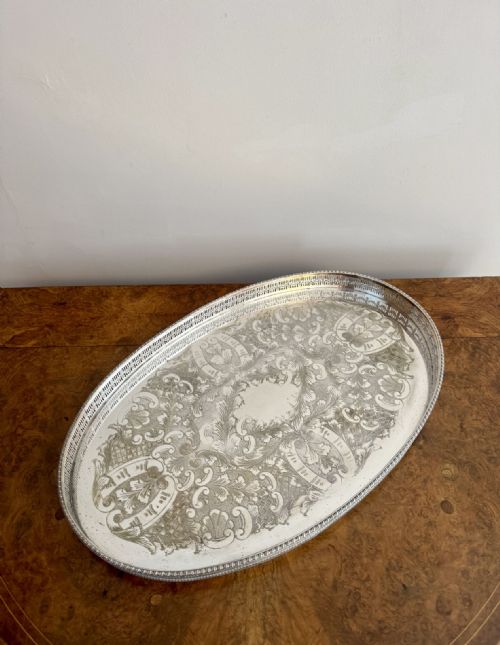
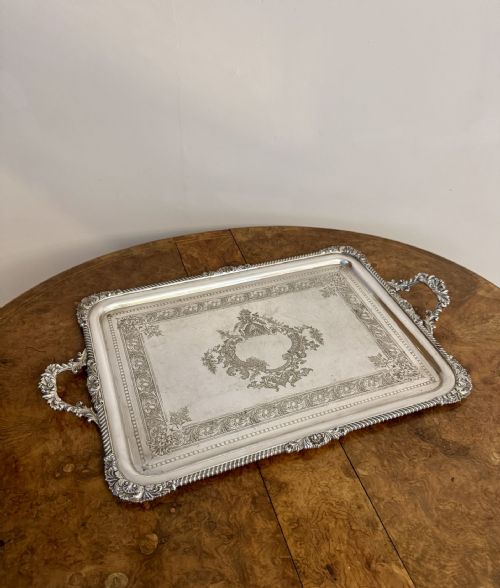
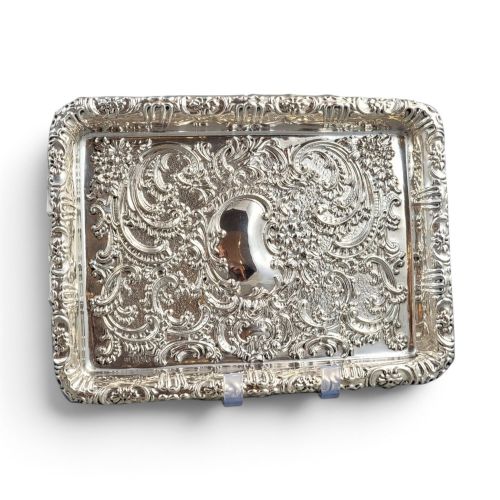
An edwardian engraved tray comprises flat serving surfaces and gallery forms made primarily during the early twentieth century. You will frequently meet silver plated tea trays, gallery trays with pierced borders, and serving trays bearing hand-engraved surface decoration.
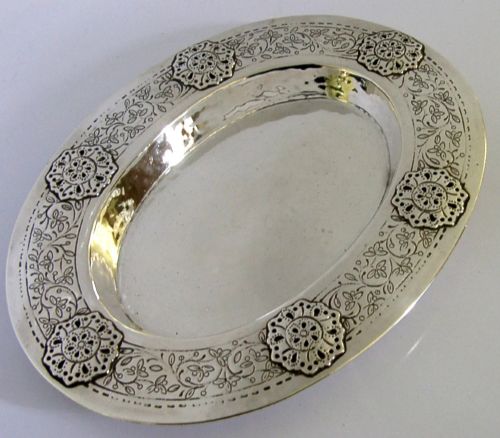
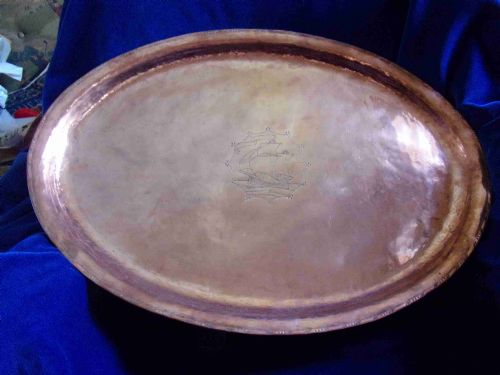
Makers produced these items in various sizes, ranging from small card trays to large oblong tea serving trays and massive salvers. The styles span Edwardian and Victorian designs, alongside occasional Arts and Crafts copper pieces and George V sterling silver examples.
Materials and construction methods
These items rely on metals such as sterling silver, electroplated nickel silver, base metal, copper, and silver plate. Workshops applied heavy silver plating over nickel silver or copper foundations to create durable serving pieces.
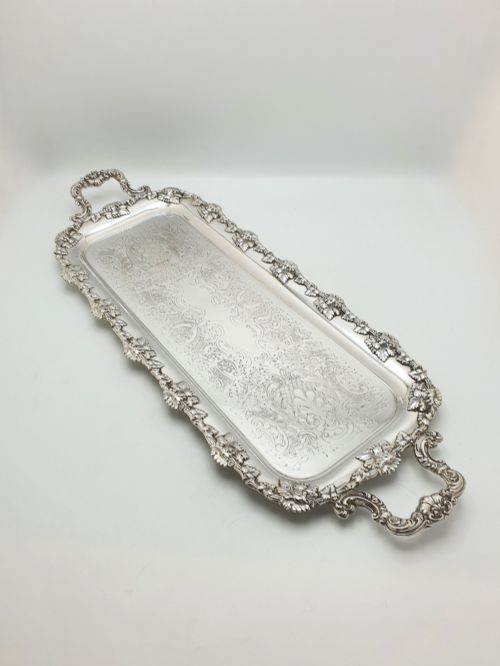
Craftsmen utilised hand engraving techniques to cut intricate floral, scroll, or crest motifs into the metal surface. Pierced galleries and applied grapevine borders were constructed separately and soldered to the main tray body.
Listings feature items from the nineteenth century up to the 1920s, with materials spanning sterling silver, copper, and electroplated nickel silver.
Judging quality and craftsmanship
Quality rests on the depth and crispness of the hand engraving across the field. Superior examples show precise tool control without uneven wear or thinning of the underlying silver plate.
Substantial weight, rigid gallery construction, and well-executed borders distinguish finer specimens. Maker marks from established firms indicate higher standards of workshop production.
James Deakin·Mappin & Webb·Liberty & Co·Hugh Wallis·Robert Pringle & Sons·Harrison Bros·Elkington
The Edwardian Engraved Tray Glossary
- Gallery tray
- A tray featuring an upright pierced or solid metal gallery border around its perimeter. This wall prevents items from sliding off during service.
- Electroplated nickel silver
- A base metal alloy of copper, nickel, and zinc coated with a layer of silver through an electrolytic process. It served as the primary substitute for solid silver.
- Sheffield plated
- An early method of fusing a thin sheet of sterling silver to a thicker copper core before rolling. This technique predates modern electroplating.
- Salver
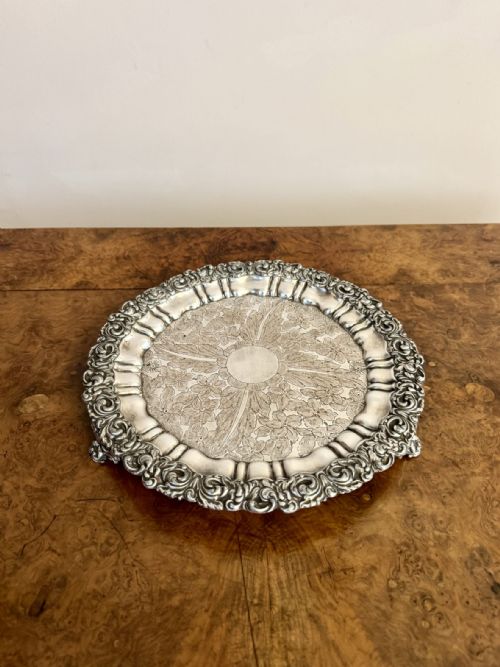
- A flat serving tray typically supported on small feet, traditionally used for presenting letters, glasses, or visiting cards. They often feature armorial crests or detailed engraving.
- Hand-engraved
- Ornamentation cut directly into the metal surface using sharp steel gravers. This removes material to leave permanent lines rather than stamped impressions.
Edwardian Engraved Tray: Frequently Asked Questions
What is an edwardian engraved tray used for?
These trays served primarily for carrying tea services, decanter drinks sets, and individual glasses across domestic interiors. They also functioned as stationary display surfaces on sideboards and desks.
Larger oblong examples accommodated full tea pots, cream jugs, and sugar basins. Smaller versions held visiting cards or ink stands in formal reception rooms.
How do I clean a silver plated tray?
Cleaning requires a soft cloth and a dedicated silver polish formulated to protect plated surfaces from abrasion. Harsh scrubbing will wear through the thin silver layer.
Wash the piece in warm soapy water and dry thoroughly after polishing to prevent tarnish buildup. Avoid soaking items with wooden bases or felt linings.
How can I tell sterling silver from silver plate?
Sterling silver items bear official hallmarks indicating metal purity, including the lion passant mark on British pieces. These marks show the standard of silver used.
Silver plated items typically lack standard silver hallmarks and instead display maker initials or plating marks such as EPNS. Over time, worn plate may reveal the yellow or grey base metal underneath.
What distinguishes Arts and Crafts trays from Edwardian ones?
Arts and Crafts trays emphasise hand-hammered textures, exposed riveted construction, and copper or brass materials over refined machine rolling. They display simpler geometric or natural motifs.
Edwardian trays lean toward formal neoclassical or floral engraving with smooth silver plated surfaces and pierced gallery walls. They reflect a more traditional aesthetic than the reformist design of the Arts and Crafts movement.