



Edwardian Ebonised Seat
These edwardian ebonised seat examples combine dark wood finishes with period upholstery, offering both functional seating and distinct historical character.
Edwardian Ebonised Seat
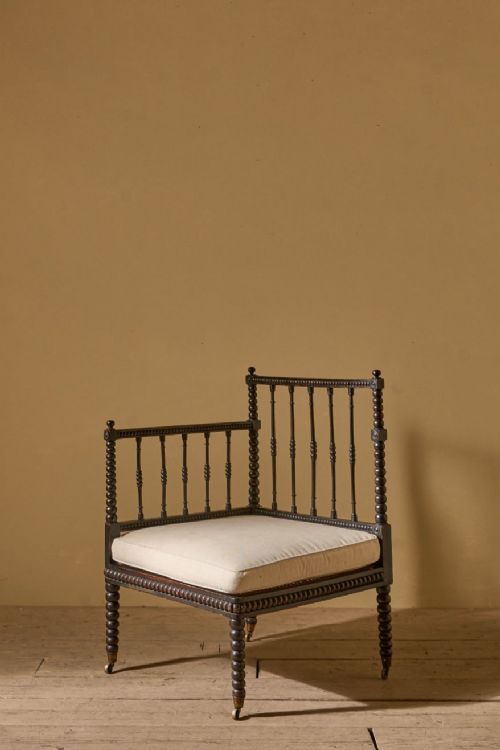
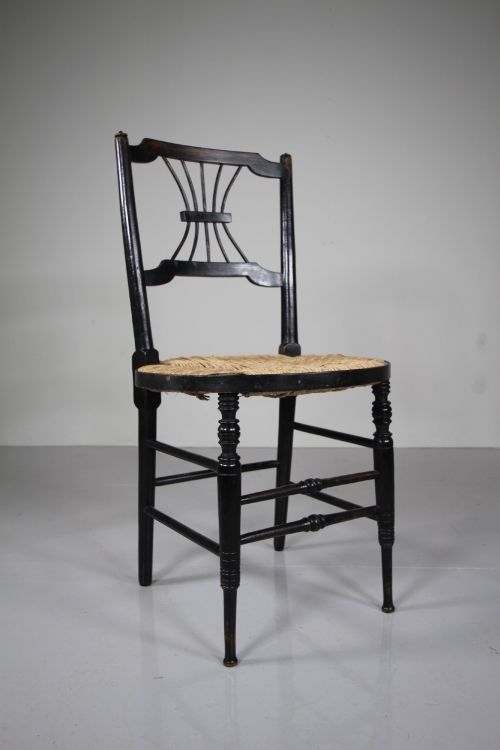
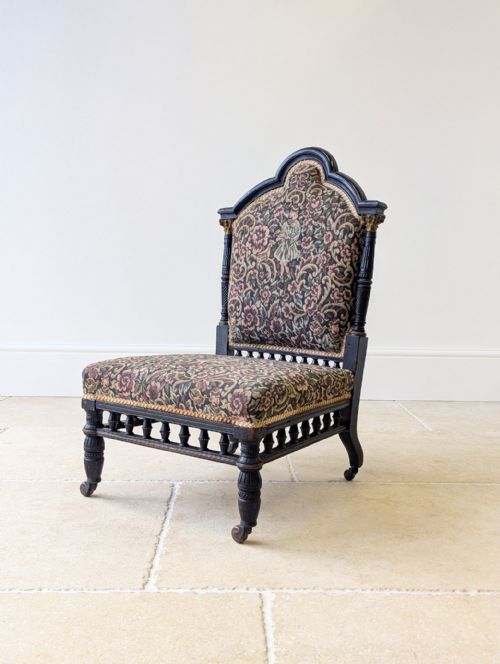
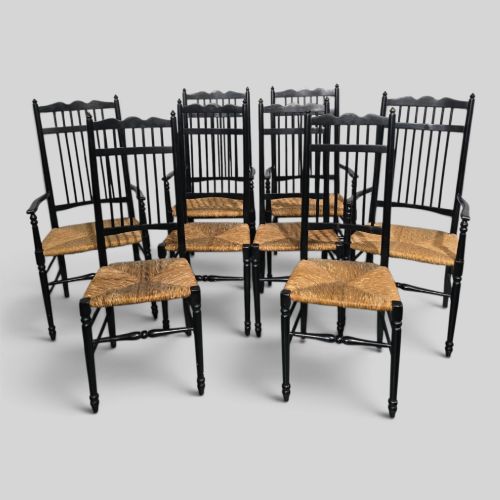
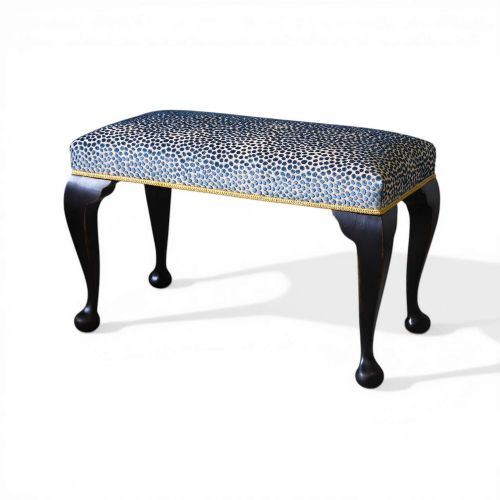
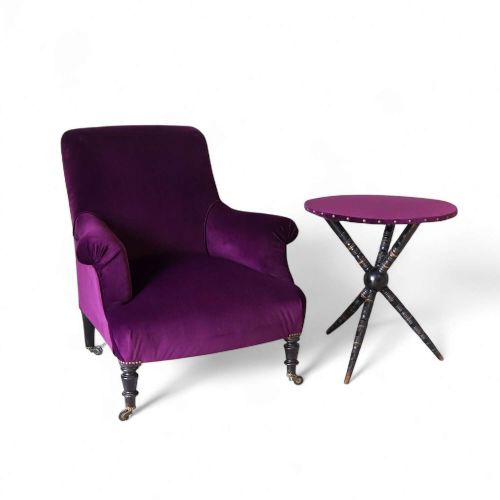
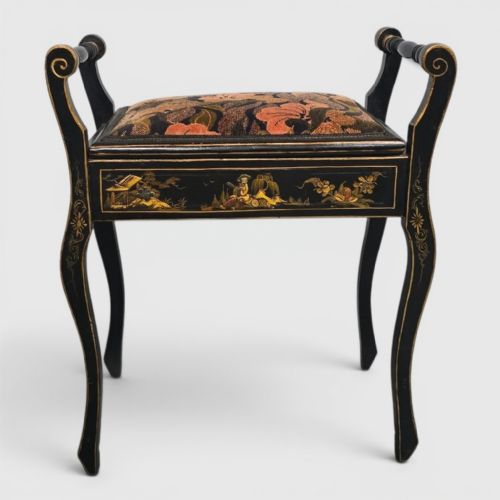
An edwardian ebonised seat encompasses a variety of forms designed for the parlour, drawing room, and music room. The selections available range from piano stools and window seats to low salon chairs and corner chairs.
Makers of the period drew upon diverse historical styles, incorporating elements of the Aesthetic Movement, Arts and Crafts, Chinoiserie, and Regency Revival. This eclecticism means that buyers encounter both simple turned designs and more ornate framework.
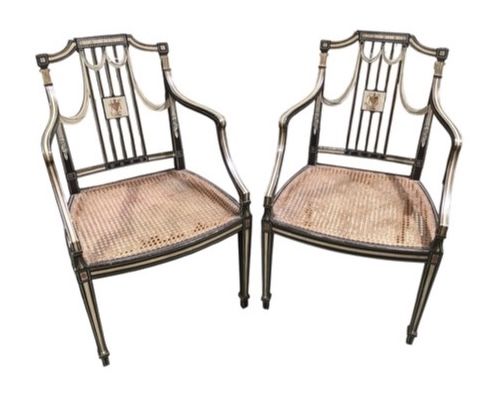
The materials specified in the construction typically involve ebonised wood or timber paired with contrasting textiles like velvet, leather, and fabric, alongside cane inserts. Such combinations define the visual identity of these domestic furnishings.
How they were made
The foundation of an edwardian ebonised seat relies on timber treated with an ebonisation process to mimic expensive ebony. Craftsmen shaped these woods using traditional turning techniques, visible in the bobbin and turned legs recorded across the pieces.
Upholstery methods of the era involved button-tufting and the integration of diverse fabrics, velvet, and leather. Caning was also utilised for specific seat bases, providing a durable and textured surface.
Metal components such as brass occasionally appear in the construction, particularly in swivel mechanisms for piano stools or structural bracing. The assembly reflects the joinery standards of the nineteenth and early twentieth centuries.
Edwardian Ebonised Seat Retail Price Guide 2026
Typical asking prices for edwardian ebonised seat among the pieces listed under this phrase on Sellingantiques today, from the lower quarter to the upper quarter. They describe what is for sale here now, not the wider market.
Listings span several periods including Victorian, Edwardian, Regency, and the early twentieth century, utilising ebonised wood, cane, and velvet.
What varies in quality
The distinction between standard and superior pieces rests upon the precision of the ebonisation and the integrity of the underlying timber. Finer examples maintain a smooth, deep black finish that shows minimal wear to the wood beneath.
Upholstery execution and the selection of covering materials dictate the refinement of the piece. Items featuring luxury textiles like Designers Guild velvet or high-grade leather indicate a higher tier of production.
Structural complexity, such as specialised swivel bases on piano stools or intricate turned framing, separates mass-produced items from superior workshop creations. The balance between decorative style and functional stability governs overall merit.
William Morris·Rossetti
The Edwardian Ebonised Seat Glossary
- Ebonised wood
- Timber treated with stain, paint, or chemical processes to imitate the dark, dense appearance of true ebony. This finish became particularly popular during the nineteenth century for accentuating decorative silhouettes.
- Cockpen chair
- A type of Chinese Chippendale chair featuring an open lattice fretwork back. These seats often appear in ebonised finishes influenced by Asian design revivals.
- Bobbin chair
- A seating form characterised by turned woodwork resembling a series of wooden bobbins or spools strung together. This method of turning creates a distinctive, tactile frame structure.
- Salon chair
- A light, movable chair designed for entertaining or sitting in a formal drawing room. They frequently display stylistic influences from the Aesthetic Movement or Victorian design.
- Window seat
- A long, bench-like seat traditionally placed in a bay window recess. These forms often feature upholstered tops and polished wooden frames.
Edwardian Ebonised Seat: Frequently Asked Questions
Where were these seats placed?
These furnishings were typically positioned in drawing rooms, parlours, or music rooms to serve specific domestic functions. Piano stools sat beside keyboard instruments, while window seats occupied alcoves.
Lighter salon and corner chairs allowed for flexible arrangement during social gatherings, providing additional seating without cluttering the room.
How do I care for the wood?
Maintenance requires keeping the ebonised timber away from direct sunlight and excessive moisture to prevent the dark finish from fading or cracking. Dusting with a soft, dry cloth preserves the polished surface.
Avoid using harsh chemical sprays that might strip the ebonised layer from the underlying wood.
What defines the style?
The aesthetic draws on a mix of historical revivals and late nineteenth-century reform movements. Pieces often feature dark, uniform finishes contrasted with richly textured upholstery fabrics.
Details like turned bobbins, brass fittings, and lattice fretwork point directly to Aesthetic Movement and Arts and Crafts influences.
Can I use them daily?
Most pieces remain structurally sound for everyday use provided they are treated with reasonable care. Sturdier armchair and dining chair variants handle regular sitting well.
More delicate decorative salon chairs and vintage piano stools are better suited for lighter daily deployment or occasional seating.