



Edwardian Drinks Trolley
An Edwardian drinks trolley is a movable serving piece designed for entertaining, combining practical tiered storage with period charm.
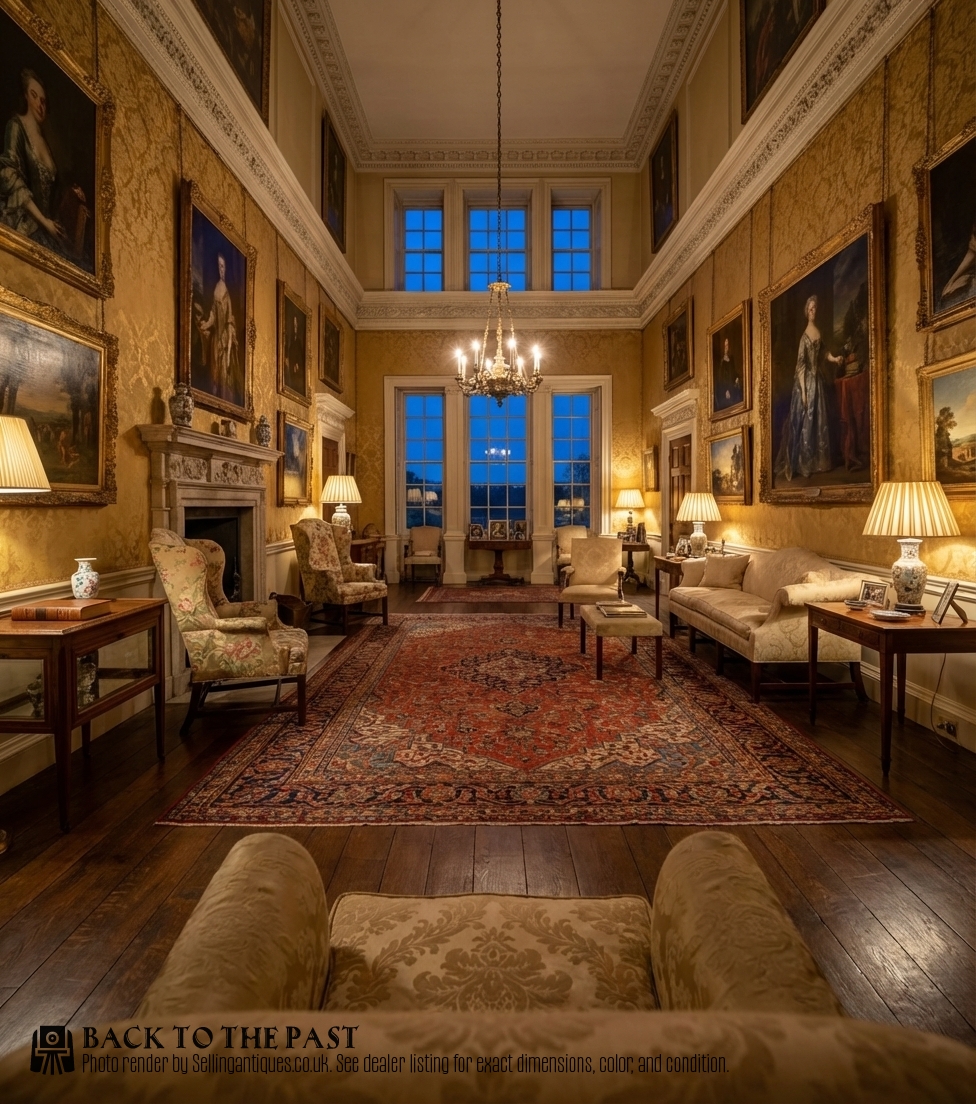
Edwardian Drinks Trolley
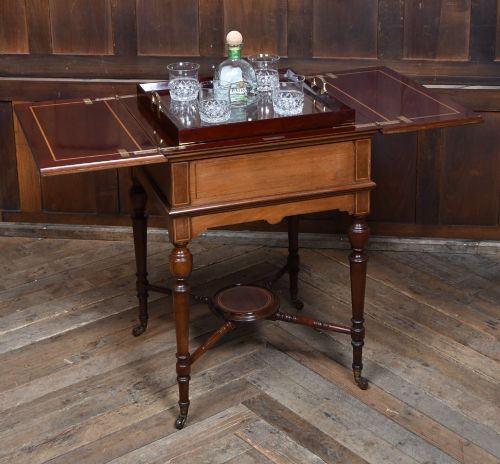
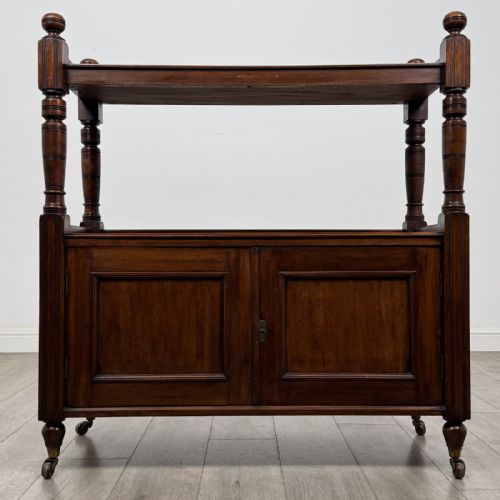
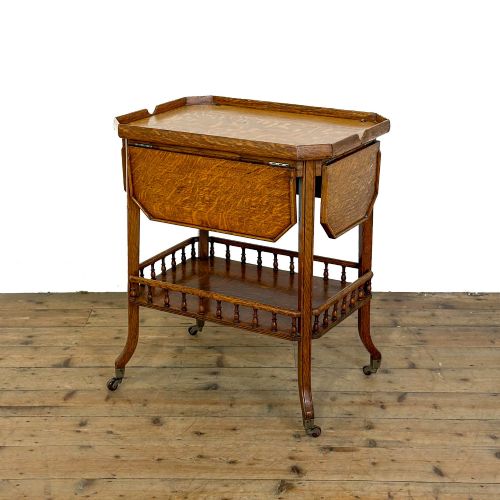
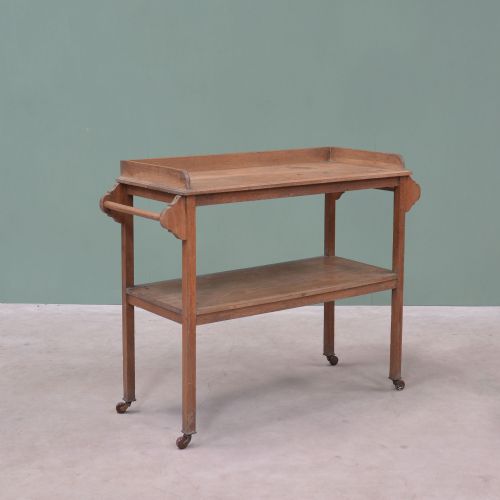
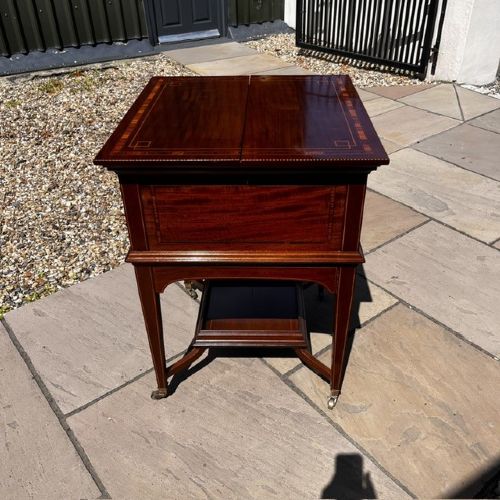
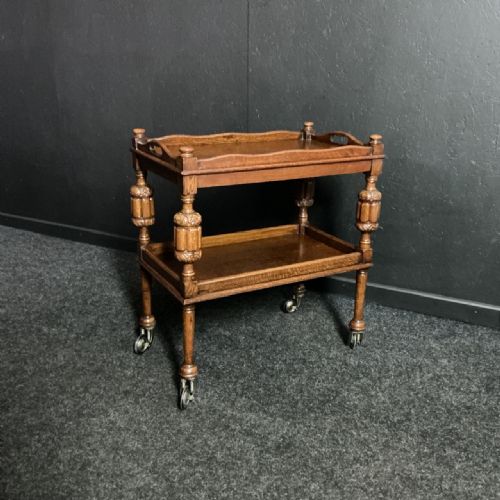
When searching for an Edwardian drinks trolley, buyers encounter practical serving pieces designed for afternoon tea or evening hospitality. The selection on this page spans multi-tiered tea trolleys, drop-leaf designs, and specialised drinks cabinets from various eras.
While true Edwardian examples sit alongside pieces from the Georgian, Victorian, and later twentieth-century periods, the core form remains consistent. These items function equally well as mobile side tables, serving trolleys, and display furniture in contemporary homes.
Materials and construction methods
Woods such as mahogany, oak, and walnut form the structural backbone of these pieces, often enhanced with satinwood inlay or ebonised details. Metal elements like brass and iron appear in fittings, handles, and occasional frames.
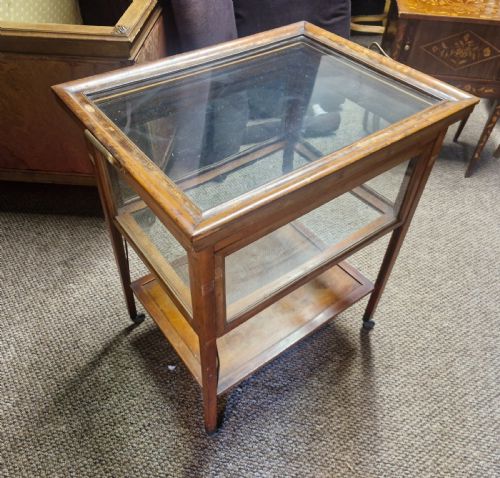
Joinery techniques support practical mobility through folding tops, drop sides, removable trays, and wheels. Glazed sections and baize-lined surfaces further distinguish specialised drinks cabinets and serving carts from standard tables.
Edwardian Drinks Trolley Retail Price Guide 2026
Typical asking prices for edwardian drinks trolley among the pieces listed under this phrase on Sellingantiques today, from the lower quarter to the upper quarter. They describe what is for sale here now, not the wider market.
Listings feature woods such as mahogany, oak, walnut, and satinwood, alongside brass and iron hardware across multiple decades.
Factors that distinguish quality
Timber selection dictates the initial visual impact, with figured veneers, burr walnut, and detailed satinwood inlay marking out superior examples. Plain oak and standard mahogany represent more utilitarian domestic production.
Mechanical execution in folding mechanisms, drop-leaf supports, and wheel fittings determines day-to-day utility. Pieces featuring integrated storage trays, card table conversions, or specialised cabinetry demand closer attention to hardware integrity.
The Edwardian Drinks Trolley Glossary
- Drop-leaf
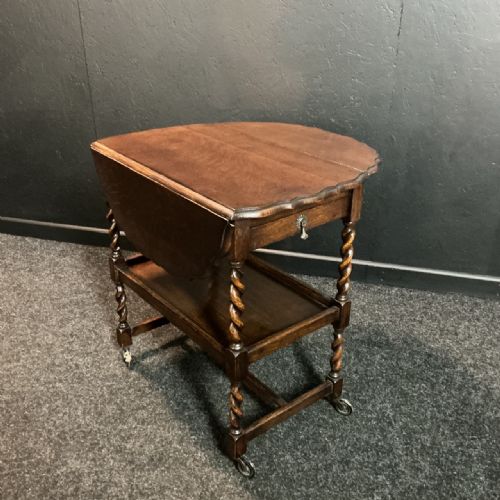
- A table or trolley with hinged flaps that fold down to save space or lift up to extend the surface area. This mechanism allows the piece to adapt quickly to different entertaining needs.
- Barley twist
- A turned wooden furniture leg or support carved in a helical spiral resembling a twisted rope. This decorative motif appears frequently on oak trolleys from the period.
- Butlers tray
- A removable wooden tray with raised edges, often fitted with handles, designed to sit upon a folding or fixed stand. It serves both transport and serving functions.
- Etagere
- An open piece of furniture consisting of a number of tiers or shelves for displaying small objects or serving items. These often utilise brass or ebonised frames.
- Satinwood
- A pale, hard wood with a natural golden sheen used extensively for decorative stringing and inlay work on mahogany furniture. It provides striking contrast against darker timbers.
Edwardian Drinks Trolley: Frequently Asked Questions
How do I use a drinks trolley today?
These pieces function ideally as mobile cocktail stations in living spaces or dining rooms, holding glassware, bottles, and bar accessories ready for guests.
They also adapt well as occasional side tables or plant stands when not serving drinks during gatherings.
Are these trolleys sturdy enough for daily use?
Most examples are constructed from solid hardwoods like oak and mahogany, designed to bear the weight of heavy ceramics, silver, and glassware.
Period folding mechanisms and wheels should be checked for stability, but well-maintained items handle routine domestic service comfortably.
What is the difference between a tea trolley and a drinks cabinet?
Tea trolleys typically feature open tiers, drop sides, and removable upper trays intended for serving afternoon refreshments.
Drinks cabinets incorporate enclosed storage, specialised display areas, and sometimes fold-out serving surfaces tailored specifically for bottles and barware.
How do I identify an Edwardian piece?
Edwardian items often display characteristic Edwardian or late nineteenth-century revival styling, utilising mahogany, oak, and subtle satinwood inlay work.
Construction details, hardware styles, and timber ageing help distinguish these genuine articles from later twentieth-century reproductions.