

Edwardian Display Furniture
Edwardian display furniture brings together glazed cabinets, inlaid satinwood vitrines and open bookcases designed to showcase treasured possessions in the home.

Edwardian Display Furniture
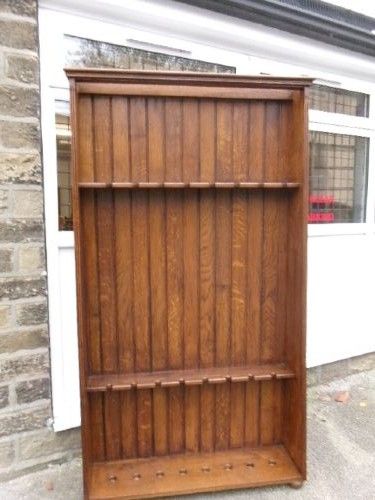
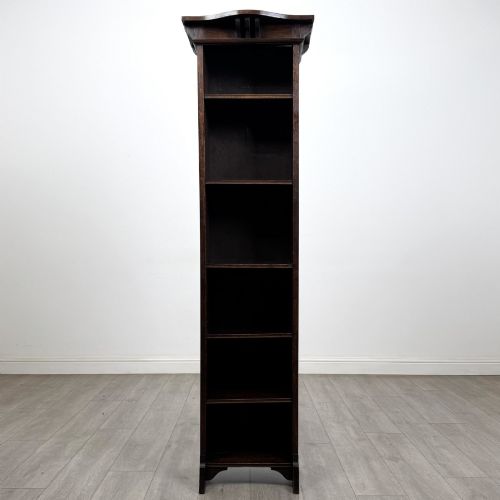
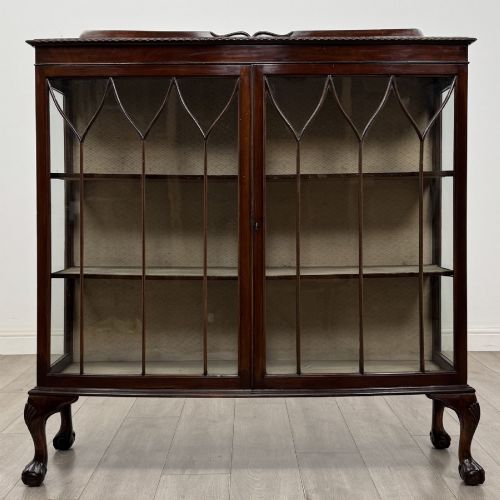
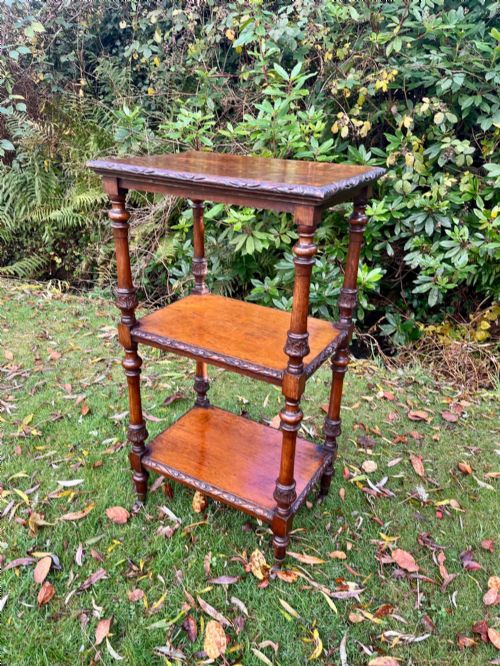
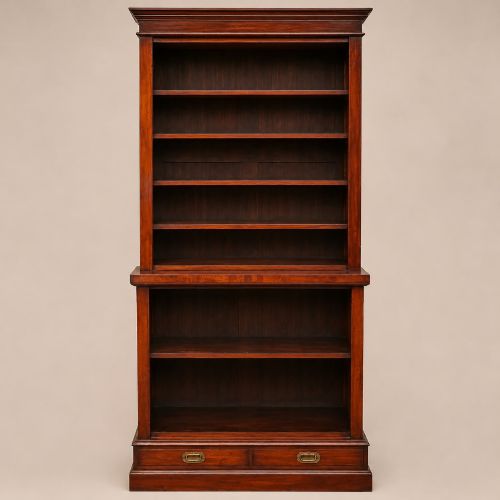
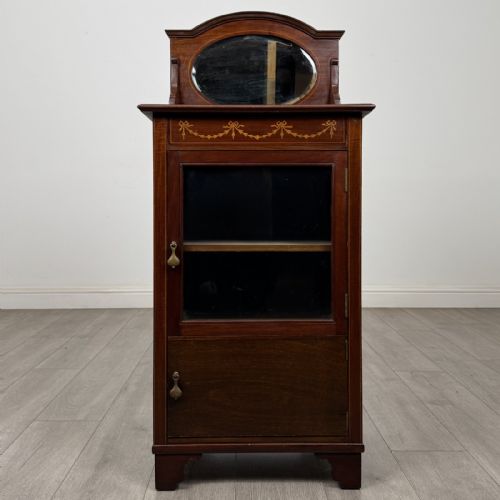
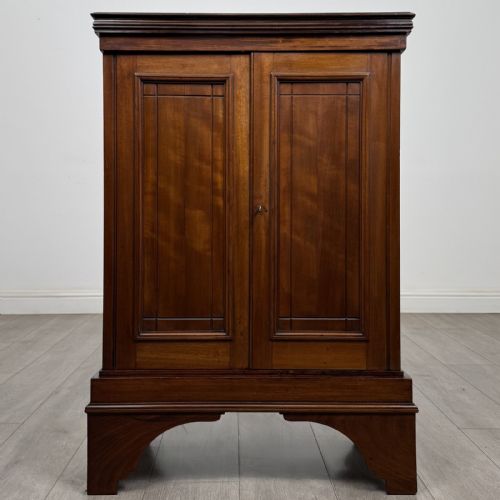
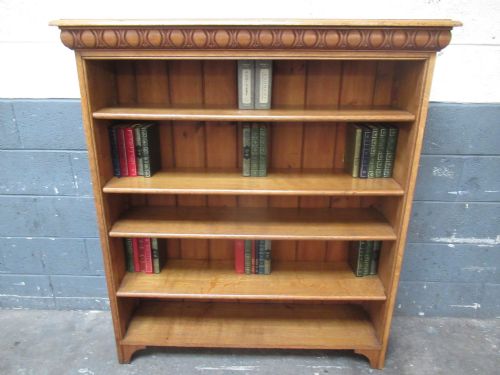
When searching for Edwardian display furniture, buyers encounter a diverse selection of pieces designed to exhibit porcelain, books and decorative objects within living spaces. The objects span from large breakfront glazed cabinets and vitrines to smaller open bookcases, plant stands and side tables originating around the turn of the twentieth century.
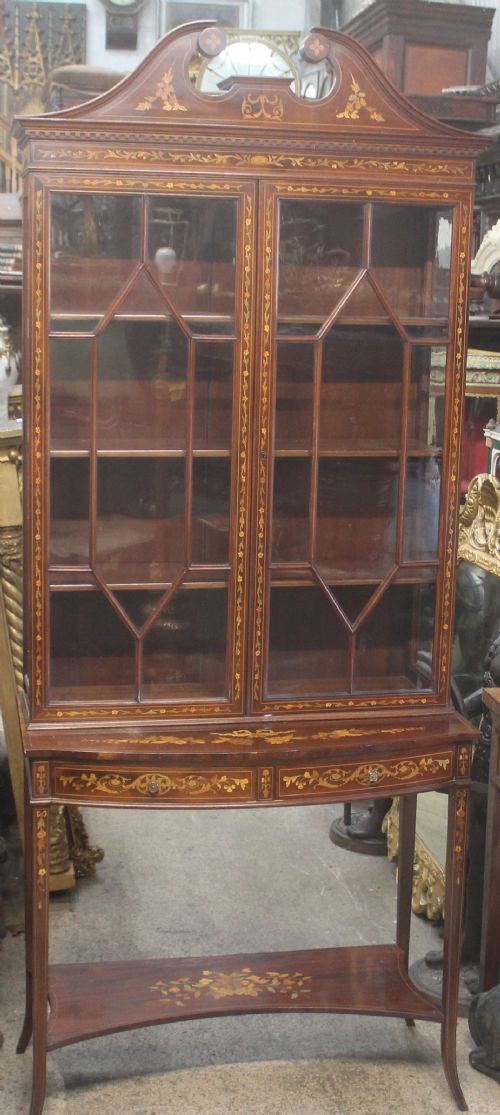
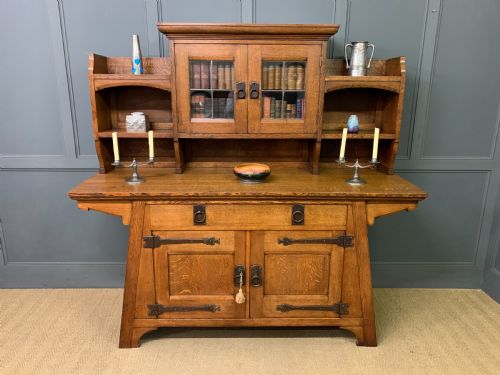
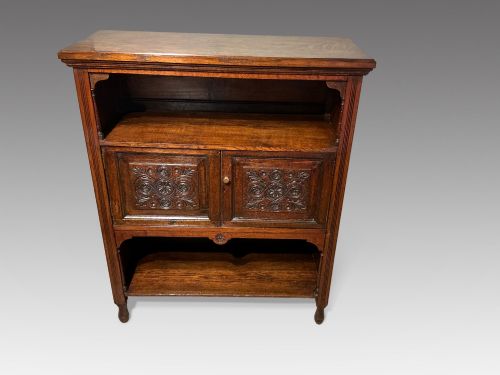
The pieces frequently display stylistic influences from earlier periods, including Sheraton Revival, Arts and Crafts, and Louis XV Revival. Mahogany and satinwood predominate, often enhanced with delicate stringing and inlaid decoration, while oak examples reflect the simpler aesthetic of the Arts and Crafts movement.
Buyers frequently meet compact corner cabinets, wall-hanging shelves and revolving bookcases alongside larger freestanding library cabinets and mirrored display pieces. This variety ensures suitable options for both grand reception rooms and smaller domestic interiors.
Materials and construction
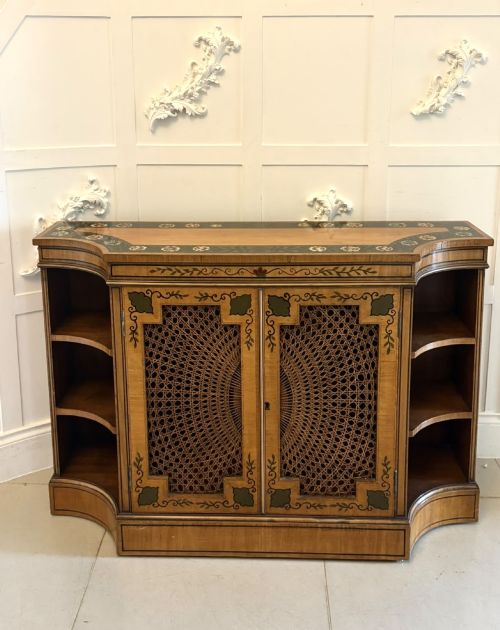
Cabinet makers utilised dense hardwoods such as mahogany, walnut and oak as structural foundations, frequently applying fine veneers of satinwood or harewood to visible surfaces. Glass played a central role in cabinet doors, utilising astral glazing bars or leaded sections to frame the contents securely.
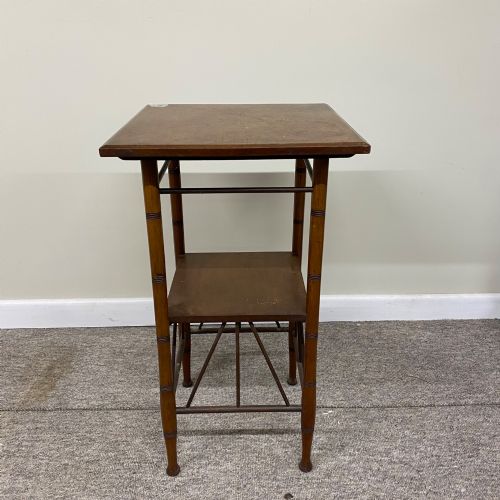
Surface ornamentation relied heavily on marquetry inlay, brass hardware, and painted decoration, alongside turned woodwork on plant stands and etageres. Mirror glass panels were regularly integrated into the backs of cabinets to reflect light through displayed items.
Edwardian Display Furniture Retail Price Guide 2026
Typical asking prices for edwardian display furniture among the pieces listed under this phrase on Sellingantiques today, from the lower quarter to the upper quarter. They describe what is for sale here now, not the wider market.
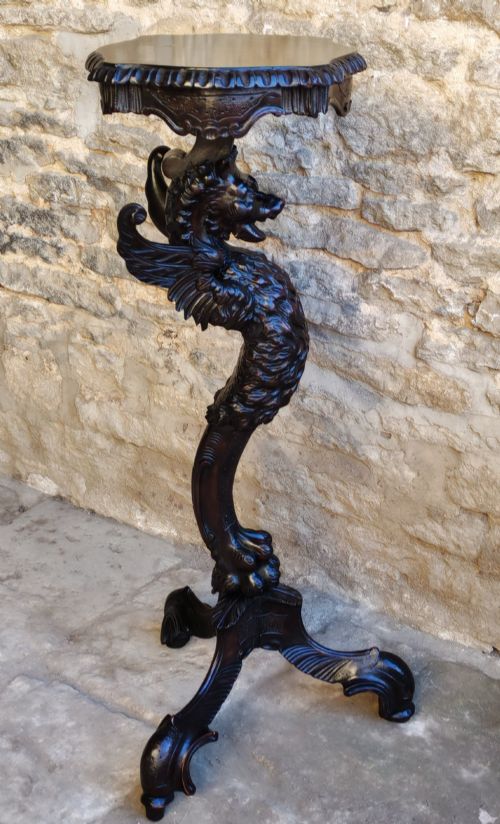
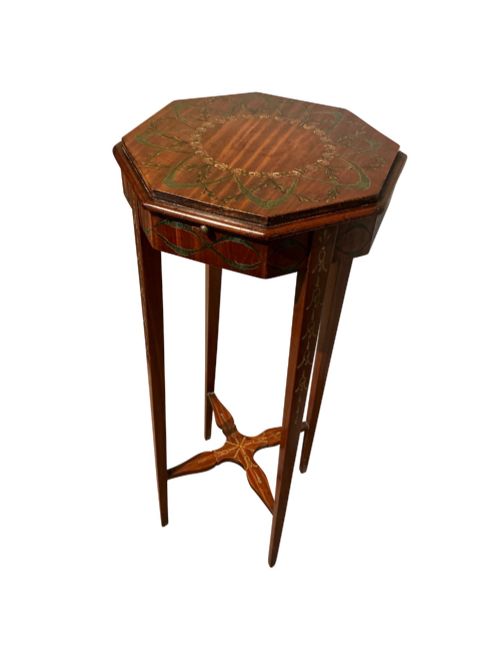
Some plants finally get the architectural dignity they deserve atop a turned satinwood plinth.
Evaluating craftsmanship
Quality in these pieces rests upon the selection of timber veneers and the precision of the marquetry inlay. Superior examples demonstrate tight joints, hand-cut dovetails in the drawers, and balanced proportions across breakfront and glazed sections.
The inclusion of original painted decoration, hand-bevelled mirror glass, and signed maker mounts elevates the distinction of a piece. Finer cabinets retain their original brass handles, locks and working keys, marking them out from standard commercial production.
Trevor Page & Co·Hampton & Sons·Edwards & Roberts·H. J. Hatfield & Sons·Shapland and Petter·Maple & Co.
The Edwardian Display Furniture Glossary
- Vitrine
- A glass-fronted cabinet designed specifically for displaying porcelain, curiosities and fine objects. These pieces often feature glass sides to maximise light penetration.
- Astral glazing
- A method of dividing glass panes within a door or window using slender wooden bars arranged in geometric patterns. This technique defines many formal display cabinets.
- Marquetry
- The decorative craft of applying thin pieces of wood veneer to a structure to form pictorial or geometric patterns. Makers utilised contrasting timbers like satinwood and mahogany to achieve this effect.
- Torchère
- A tall, slender stand designed to support a lamp or decorative plant. These pieces typically feature a single central column on a tripod or weighted base.
- Etagere
- A piece of furniture consisting of a set of open shelves for displaying small objects. They frequently appear in rosewood or mahogany with multiple tiers.
Edwardian Display Furniture: Frequently Asked Questions
What is Edwardian display furniture?
Edwardian display furniture encompasses cabinets, vitrines, bookcases and stands produced around the start of the twentieth century. These pieces were constructed to showcase domestic collections of books, ceramics and ornaments.
They combine traditional cabinet-making methods with lighter proportions and revivalist decorative styles popular during the period.
How do I identify an Edwardian cabinet?
Identification relies on examining the timber species, construction techniques and stylistic motifs characteristic of the era. Makers frequently employed mahogany, satinwood and oak, often incorporating revival details like Sheraton-style inlay.
Hardware, dovetailing and secondary woods also offer reliable clues to the manufacturing date and origin.
Where were these pieces used?
These items populated the principal rooms of Edwardian homes, including drawing rooms, libraries and reception halls. Larger breakfront cabinets and bookcases stood against main walls, while plant stands and small tables occupied corners and window spaces.
Their primary function remained the organisation and exhibition of household possessions.
How should I care for polished wood?
Maintenance requires keeping wooden surfaces away from direct sunlight and steady heat sources to prevent the timber from drying or cracking. Regular dusting with a dry, soft cloth preserves the finish.
Application of appropriate furniture wax at infrequent intervals helps nourish older polished surfaces.