



Edwardian Decorative Sculpture
Edwardian decorative sculpture brings character and texture into a room, offering finely carved wood, cast metals, and delicate ceramics from the early twentieth century.
Edwardian Decorative Sculpture
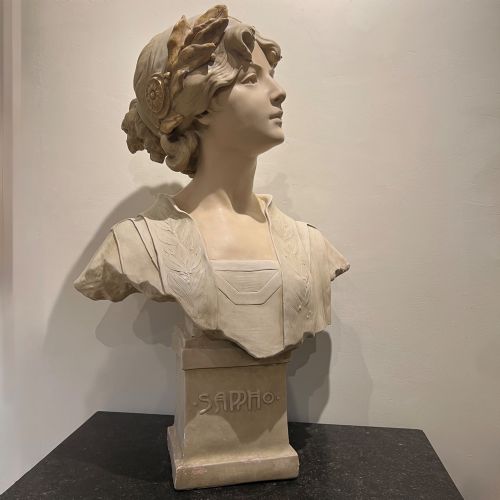
Edwardian decorative sculpture encompasses a diverse array of figural works, busts, and architectural fragments created around the turn of the twentieth century. These pieces reflect the artistic shifts of the period, moving from traditional Victorian forms toward flowing Art Nouveau lines and earnest Arts and Crafts ideals.
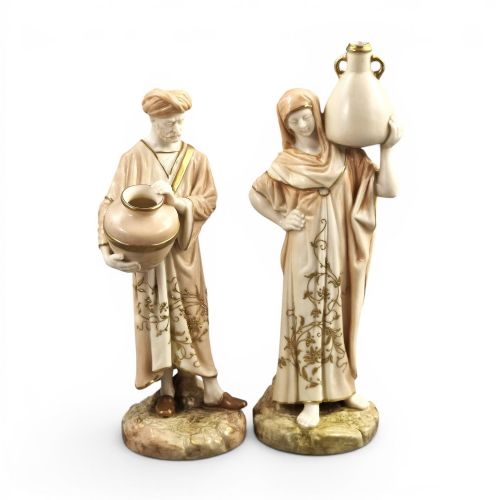
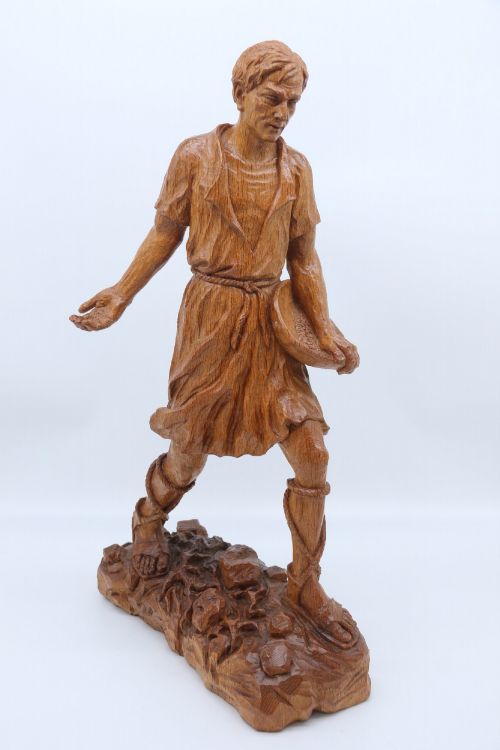
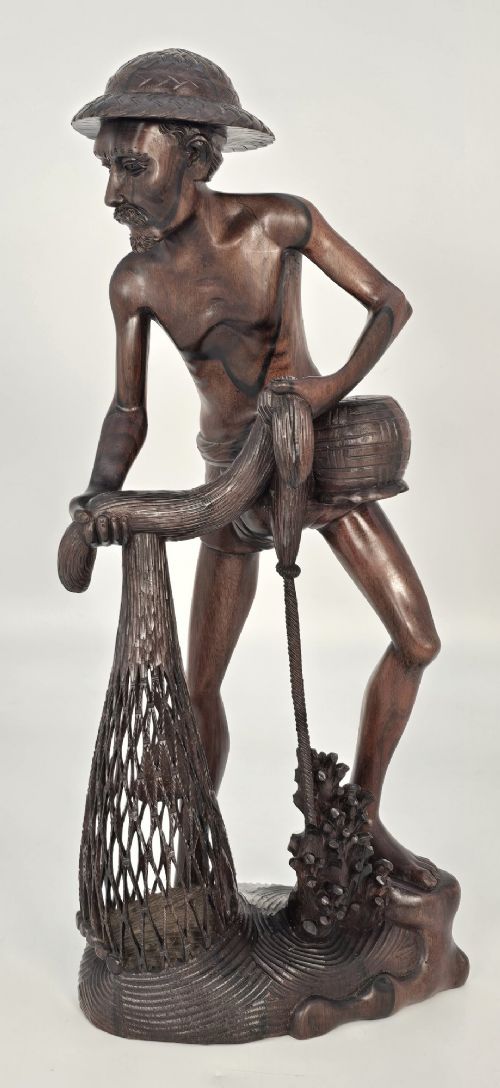
Collectors encounter everything from large alabaster female busts and painted porcelain figures to folk art carvings and heavy cast metal animals. The selection leans heavily toward figurative representations, capturing human figures, birds, and mythological subjects in varied scales.
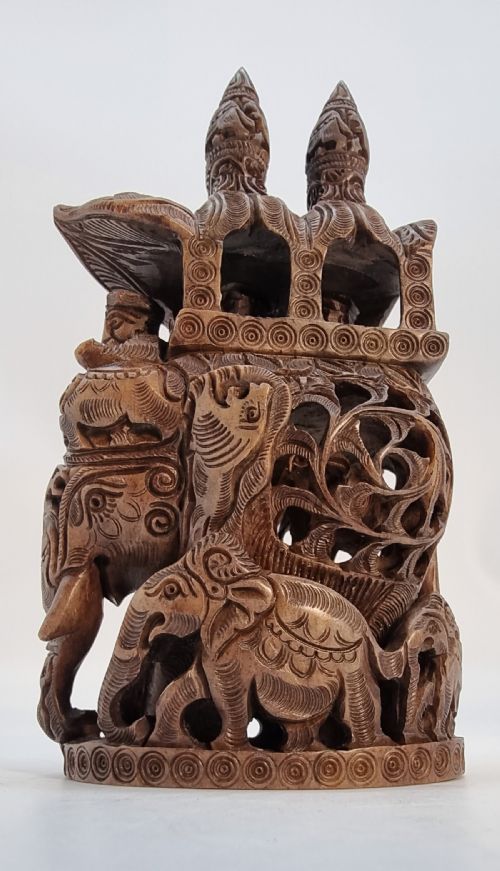
Originating across Britain, Europe, and further afield, these works utilise materials ranging from local oak and terracotta to exotic soapstone. Each piece serves as a tactile record of the sculptural tastes prevalent between the late nineteenth century and the early decades of the twentieth century.
Materials and construction methods
Makers of edwardian decorative sculpture worked extensively with traditional casting and carving techniques. Metal pieces typically involve bronze, spelter, or zinc alloy, often finished with gilt or paint to enhance their surface detail.
Carved works rely on the natural grain of timbers such as oak, alongside softer stones like alabaster and soapstone. Ceramics from this era utilise porcelain, bisque, and terracotta, frequently finished with hand-painted polychrome or blush ivory glazes.
Assemblage and hand-finishing united these varied materials, whether artisans were chiselling hardwod farm workers or casting heavy iron garden ornaments. The resulting objects display the direct touch of the maker through tool marks and glaze variations.
Edwardian Decorative Sculpture Retail Price Guide 2026
Typical asking prices for edwardian decorative sculpture among the pieces listed under this phrase on Sellingantiques today, from the lower quarter to the upper quarter. They describe what is for sale here now, not the wider market.
A painted leather bull elephant stands proudly alongside cast iron garden cannons and fairground dragon ride fragments.
Determining quality in the pieces
Quality in edwardian decorative sculpture rests upon the sharpness of the casting or the decisiveness of the carving. Superior pieces reveal a deep understanding of human or animal anatomy, where facial expressions and muscle tension are rendered with anatomical conviction rather than mere convention.
The integrity of the surface finish dictates much of the visual success of these works. Patination on bronzes and spelter, or the preservation of original paint and glaze on ceramics and wood, separates masterworks from routine production.
Scale and ambition also define the upper tier of the range. Large-scale busts, intricate multi-figure groups, and substantial architectural or fairground fragments demand greater technical mastery from their creators than small, repetitive souvenir items.
H. L. Bläsche·James Hadley·Royal Dux
The Edwardian Decorative Sculpture Glossary
- Spelter
- A zinc alloy frequently used as a cheaper alternative to bronze during the nineteenth and early twentieth centuries. It is softer than bronze and typically finished with a metallic paint or patination to imitate older metals.
- Bisque
- Unglazed porcelain that has been fired once, possessing a matte, biscuit-like texture. It was favoured for portrait busts and figural groups requiring a skin-like finish.
- Torchere
- A tall ornamental stand or pillar designed to support a lamp or sculptural object. These timber supports often date from the nineteenth century.
- Terracotta
- Baked red clay utilised for sculptural busts and architectural fragments. It allows for expressive hand-modelling before firing.
Edwardian Decorative Sculpture: Frequently Asked Questions
What is edwardian decorative sculpture?
It is a broad category of three-dimensional art produced around the turn of the twentieth century, encompassing busts, figurines, and architectural fragments.
These pieces reflect diverse aesthetics, ranging from academic portraits to folk art carvings and industrial foundry work.
How were these sculptures used originally?
Many of these objects served as interior ornaments for domestic mantelpieces, antechambers, and studies, projecting refinement and contemporary taste.
Larger items functioned as garden ornaments, architectural fragments, or structural torchere stands within wealthy homes.
How do I care for alabaster sculptures?
Alabaster is a relatively soft stone that dissolves in water and absorbs stains easily. It requires dusting with a dry, soft cloth and should be kept away from damp environments.
Harsh cleaning agents or oils will ruin the porous surface and must be avoided entirely.
How do I distinguish bronze from spelter?
Bronze is heavy, resonant, and develops a stable natural patination over time. Spelter is lighter, softer, and often reveals a grey or white metal beneath chipped paint.
A magnet will not stick to either, but a gentle scratch test on an unseen base confirms the softer underlying zinc alloy of spelter.