

Edwardian Decorative Ceramics
Edwardian decorative ceramics bring vibrant painted scenes, rich glazes, and inventive forms into a room.
Edwardian Decorative Ceramics
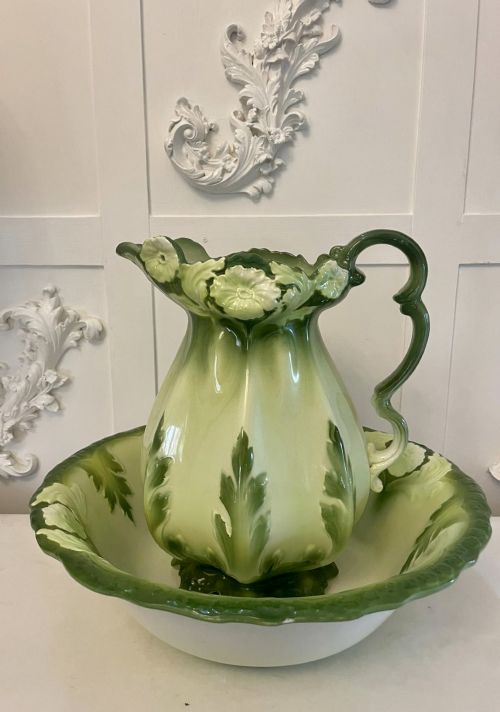
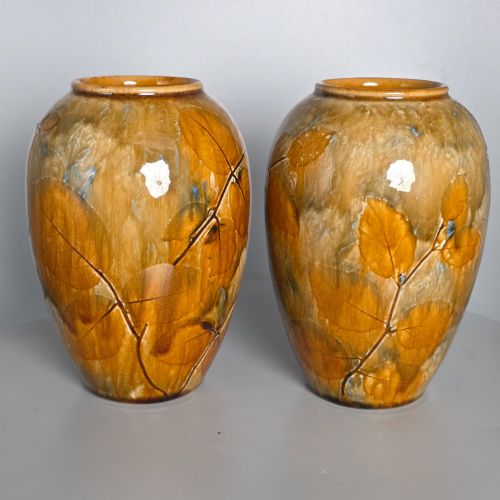
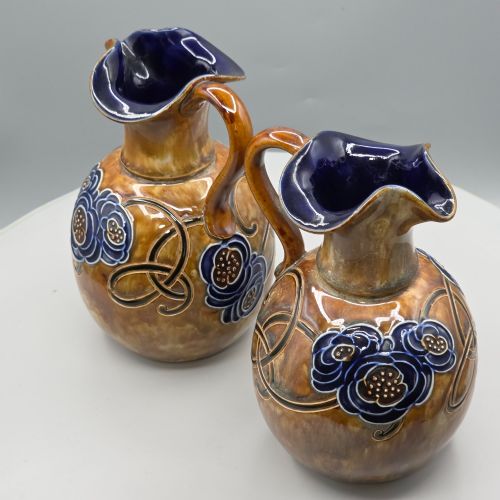
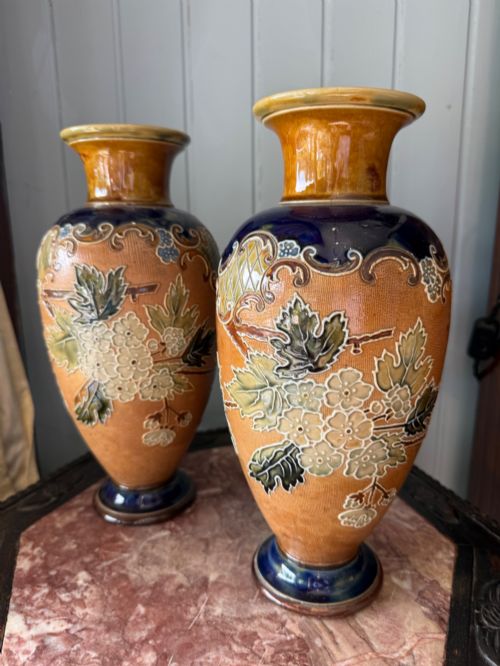
Edwardian decorative ceramics encompass a diverse array of ornamental items designed to display colour and craftsmanship in domestic interiors. When searching for edwardian decorative ceramics, collectors encounter vases, cabinet plates, ewers, and bowls originating predominantly from the early twentieth century and the late nineteenth century.
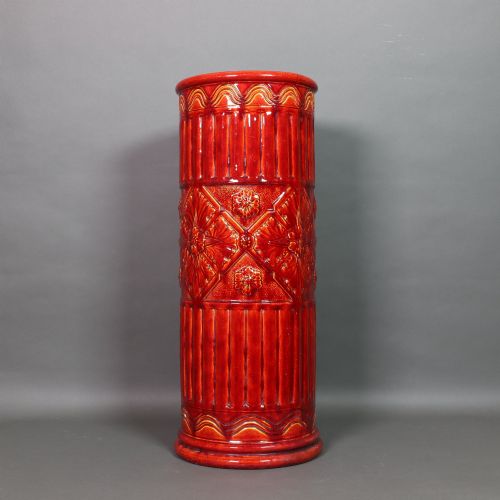
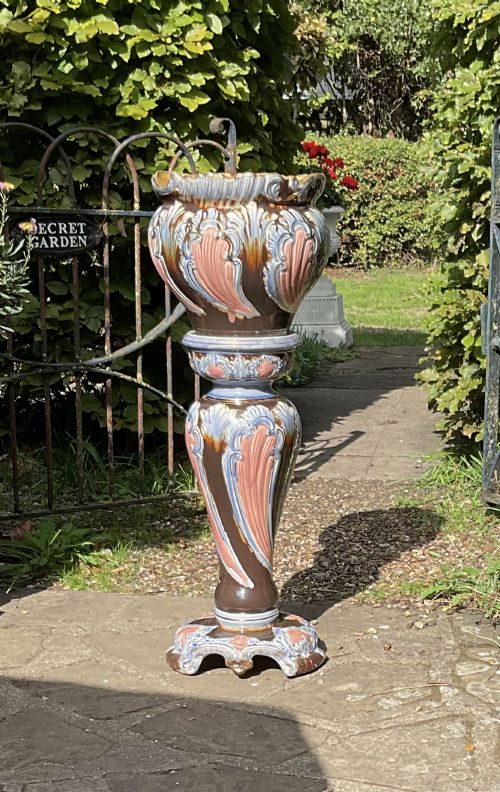
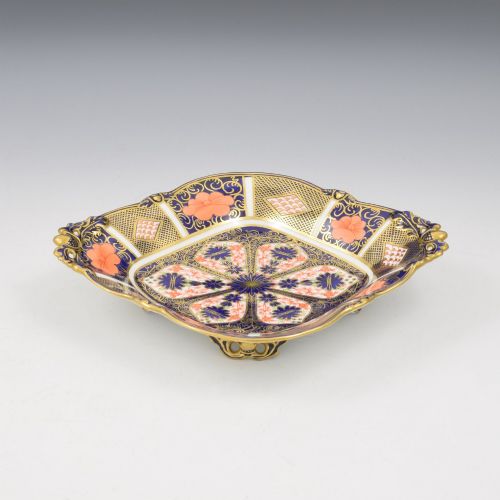
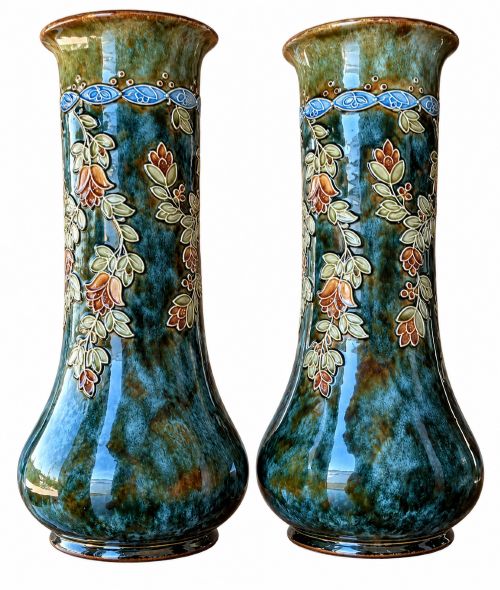
The objects frequently reflect contemporary taste through the influence of Art Nouveau, Arts and Crafts, and Japanese Imari styles. Standard forms range from monumental stoneware jugs to delicate porcelain posy holders and blush ivory vases.
Works on this page cross multiple periods, drawing on Victorian precedents while embracing Edwardian novelty. Major factories and individual decorators dominate the selection, offering pieces intended strictly for visual display rather than utility.
Materials and manufacture
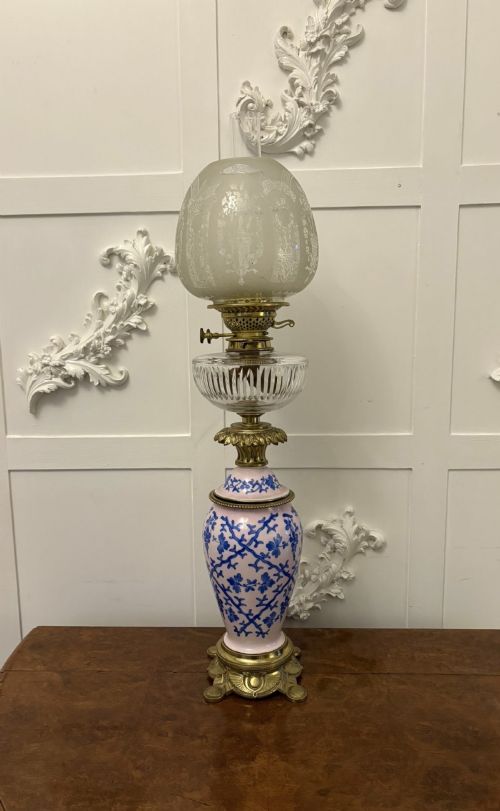
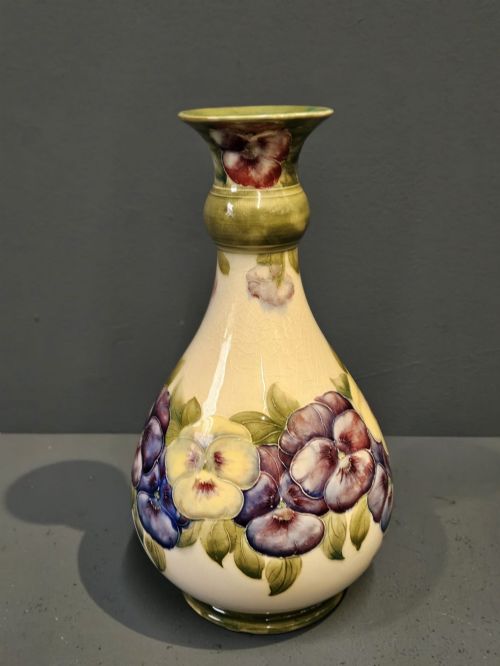
Makers utilised porcelain, earthenware, and stoneware as primary bodies, shaping them into elaborate vessels often enhanced with brass mounts or cast iron stands. Techniques combined traditional throwing or moulding with advanced glazing methods, including lustres and copper effects.
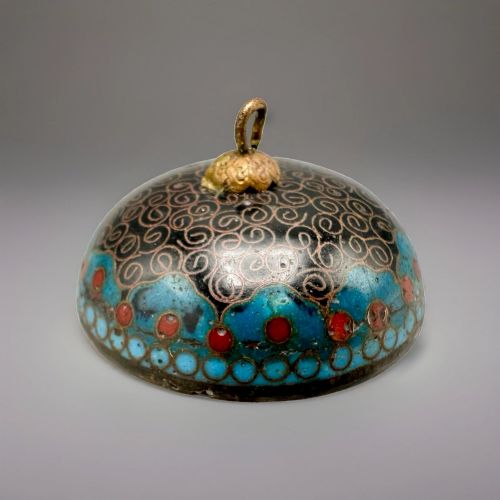
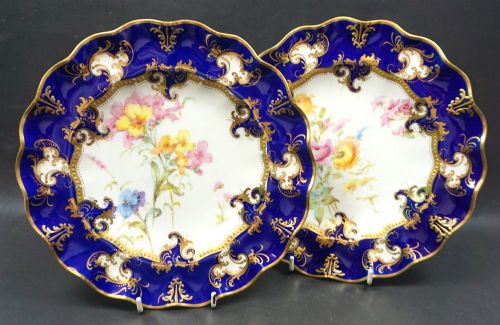
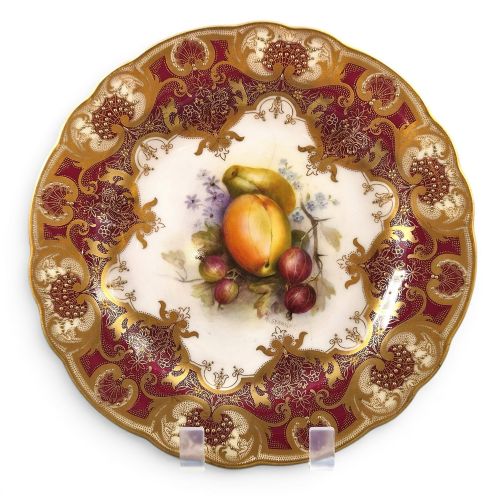
Decoration relied heavily on hand enamelling, intricate gilding with gold leaf, and detailed overglaze painting by named artists. Stoneware pieces frequently featured incised foliate patterns and jewelled cabochons to create tactile surfaces.
Listings feature works in porcelain, earthenware, and stoneware, decorated with gold leaf, enamel, and specialised glazes across multiple nineteenth and twentieth-century periods.
Assessing quality
Distinctions in quality rest upon the crispness of the modelling and the sophistication of the hand painting. Superior examples feature signed artistic work, such as hand-painted florals or elaborate landscape scenes by recognised studio painters.
The complexity of the glaze chemistry also determines standing, particularly in pieces utilising lustre effects, intricate enamels, or raised jewelling. Factory provenance and individual decorator attribution elevate certain specimens well above standard domestic wares.
Royal Doulton·Royal Worcester·William Moorcroft·Coalport·Minton·Royal Crown Derby
The Edwardian Decorative Ceramics Glossary
- Blush ivory
- A matte cream porcelain ground developed by Royal Worcester, typically decorated with soft floral motifs and gilt highlights.
- Imari
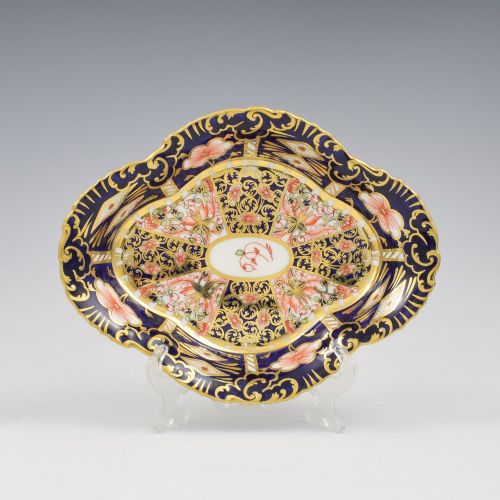
- A decorative style imitating Japanese export wares, characterised by a palette of underglaze blue, iron red, and abundant gold leaf.
- Stoneware
- A heavy, dense ceramic fired at high temperatures, rendering it impervious to liquids and suited to deep relief carving.
- Lustre
- A metallic ceramic glaze that produces an iridescent sheen through the reduction of metallic salts during firing.
- Cabinet plate
- An ornamental porcelain plate intended solely for display on a wall or stand rather than for dining use.
Edwardian Decorative Ceramics: Frequently Asked Questions
What defines edwardian decorative ceramics?
Edwardian decorative ceramics encompass ornamental pottery and porcelain produced around the turn of the twentieth century. These pieces focus on aesthetic display, incorporating diverse styles from traditional floral painting to bold Art Nouveau motifs.
Makers employed refined porcelain, sturdy stoneware, and specialist glazes to create vibrant cabinet items, vases, and decorative bowls for contemporary homes.
How were these ceramics displayed?
Owners placed these decorative items across mantelpieces, side tables, and dedicated display cabinets within formal reception rooms. Cabinet plates were hung on walls or rested on plate stands, while large vases and ewers stood alone as focal points.
Smaller items like posy holders and inkwells served functional roles while maintaining an ornamental presence on desks and occasional tables.
How do I identify different periods?
Identifying the period involves examining factory backstamps, registration numbers, and stylistic markers embedded in the glaze. Victorian and late nineteenth-century pieces often lean towards heavy revival styles, whereas Edwardian items frequently adopt lighter pastel palettes or flowing Art Nouveau lines.
Signatures from specific artists or distinctive body types, such as blush ivory, help narrow down the exact decade of manufacture.
How do I care for antique ceramics?
Antique ceramics require gentle handling away from direct sunlight to preserve the integrity of enamels, gilding, and delicate glazes. Dusting with a soft, dry cloth is sufficient for routine maintenance.
Avoid immersing pieces in water, particularly those with overglaze painted decoration or metallic lustre surfaces, as moisture can damage fragile finishes over time.