


Edwardian Cut Glass Bowl
When you look for an edwardian cut glass bowl, you are seeking the heavy, brilliant vessels made for display, dining, and lighting during the early twentieth century.
Edwardian Cut Glass Bowl
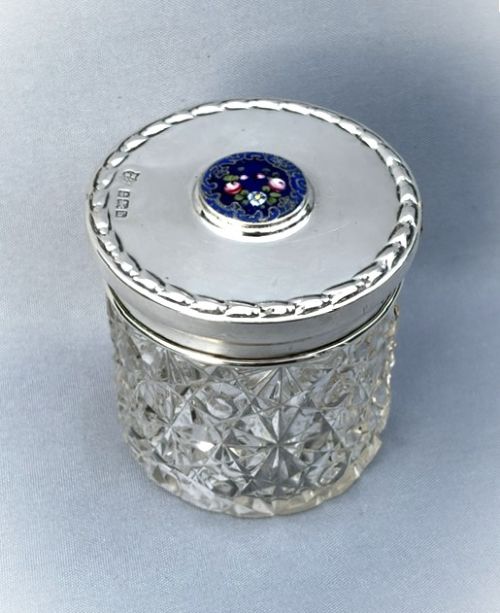
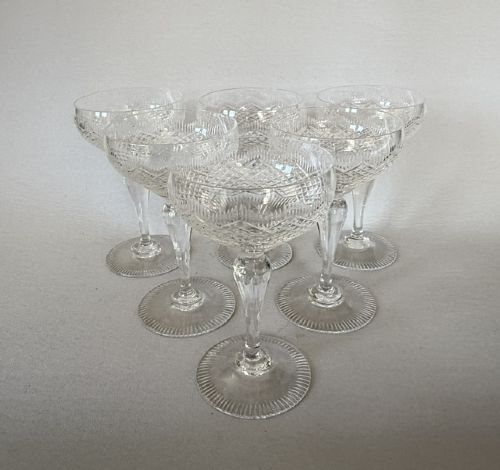
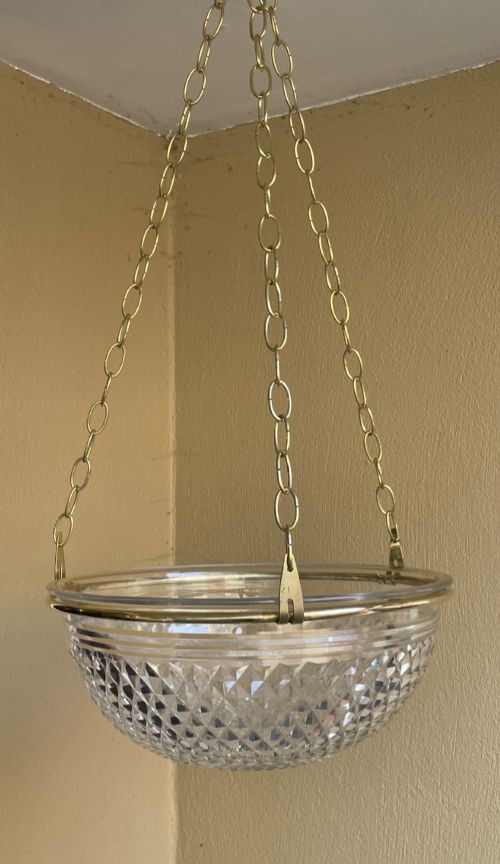
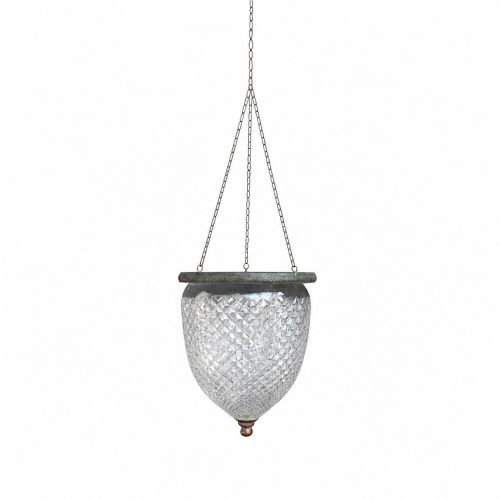
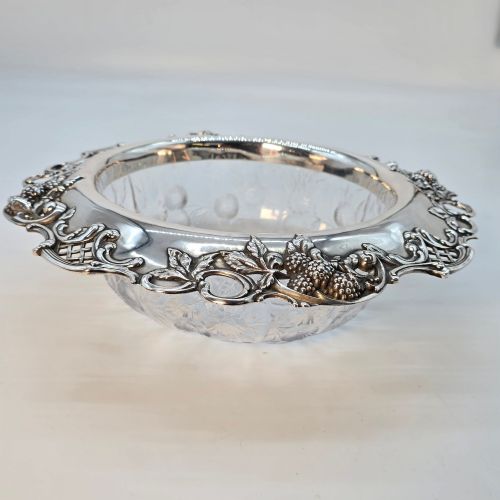
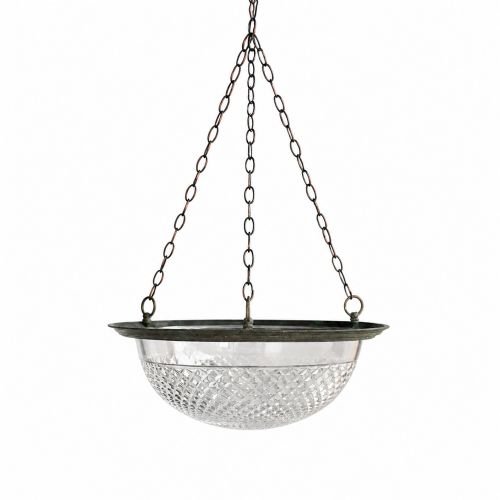
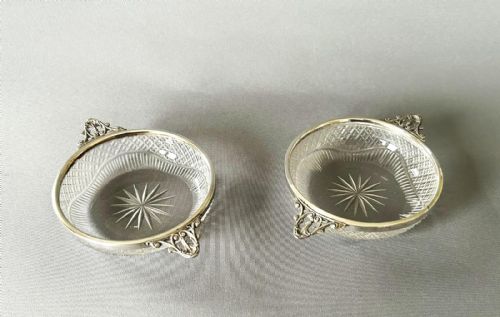
An edwardian cut glass bowl encompasses a range of domestic objects, from fruit bowls and salad services to champagne coupes and hanging ceiling lights.
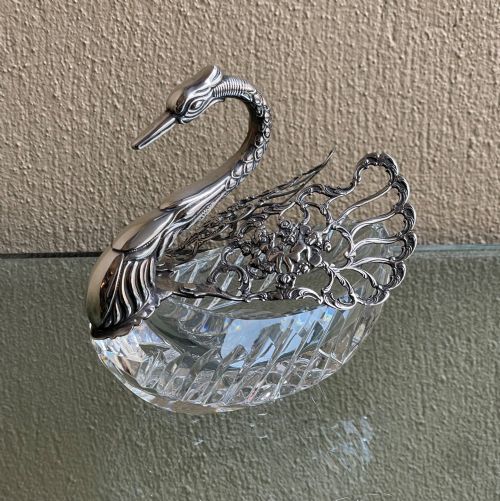
The pieces appearing most frequently originate from the Edwardian period and surrounding decades, often incorporating mounted sterling silver or silver plated rims, handles, and frames.
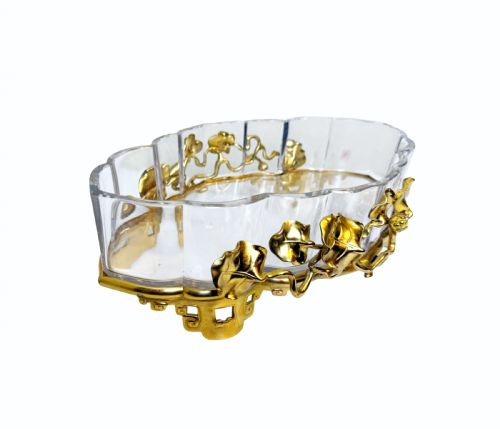
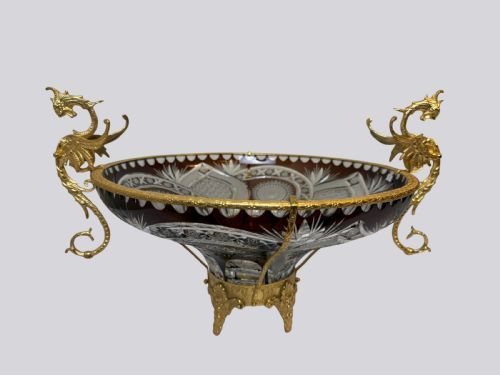
Makers utilised heavy lead crystal and cut glass, pairing the faceted vessels with brass, gilt bronze, and occasionally enamel or tortoiseshell details.
How They Were Made
The manufacture relies on heavy lead crystal and glass, shaped by blowing or moulding before artisans cut geometric facets and star patterns into the surface.
Metalwork components such as sterling silver, silver plate, brass, and gilt bronze provide structural mounts, swing handles, rims, and frames for the glass vessels.
The archive reveals sets of matching champagne bowls alongside large fruit bowls and hanging plafonnier light fittings.
What Varies in Quality
The standard of cutting dictates visual depth, where sharp, precise facets refract light cleanly compared to softer, shallower impressions.
The weight and purity of the lead crystal combined with the substance of accompanying silver or bronze mounts determine the overall durability and presence of the piece.
Tiffany and Co·William Comyns
The Edwardian Cut Glass Bowl Glossary
- Cut Glass
- Glass shaped and decorated by abrasive wheels that grind facets into the surface. This technique produces sharp geometric patterns designed to catch the light.
- Lead Crystal
- Glass containing a high proportion of lead oxide, which increases weight, clarity, and refractive index. It allows for deeper and sharper cutting than standard soda-lime glass.
- Silver Plate
- A base metal, such as copper or brass, coated with a thin layer of silver. This technique offered the visual appeal of solid silver at a lower production cost.
Edwardian Cut Glass Bowl: Frequently Asked Questions
What is an edwardian cut glass bowl used for?
These vessels served various functions in Edwardian homes, functioning as table centrepieces for fruit, salad bowls with matching servers, or sets of champagne coupes and finger bowls for formal dining.
Others incorporated silver mounts, swing handles, and lids to serve as vanity jars, trinket boxes, or potpourri baskets on dressing tables and sideboards.
How do I identify an Edwardian piece?
Look for hallmarks on the silver rims, lids, or mounts that indicate British assay office marks and date letters corresponding to the early twentieth century. Stylistic markers include crisp geometric and star cutting on heavy lead crystal, often paired with silver plate, brass, or gilt bronze frames.
The overall aesthetic bridges late Victorian heaviness with the lighter, refined elegance characteristic of the Edwardian era, sometimes extending into early Art Nouveau or Art Deco forms.
How do I care for cut glass and silver?
Wash the glass by hand in lukewarm water using a mild detergent, avoiding sudden temperature changes that can crack heavy lead crystal. Dry thoroughly with a lint-free cloth to maintain the brilliance of the cut facets.
Keep silver and silver-plated mounts polished with a dedicated cloth, taking care to prevent metal polishes from entering the crevices of the glass cutting.
Are these bowls always heavy?
Most examples utilise lead crystal, which inherently adds substantial weight compared to standard glassware. The addition of sterling silver rims, gilt bronze frames, or heavy bases further increases their overall heft.
Lighter pieces do exist, particularly smaller champagne coupes or thin jars, but substantial weight remains a common characteristic of the larger centrepieces and baskets.