


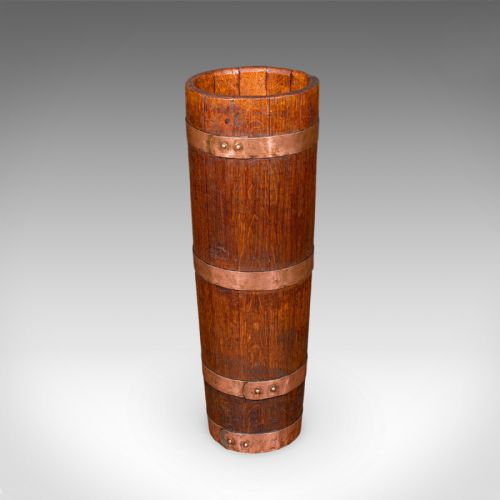


Edwardian Copper Vessel
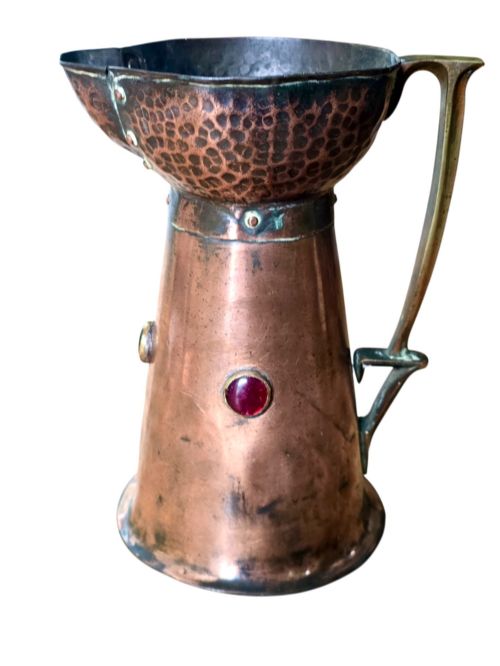
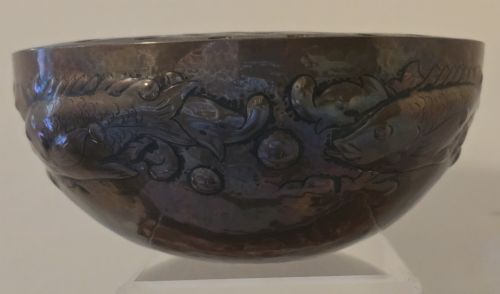
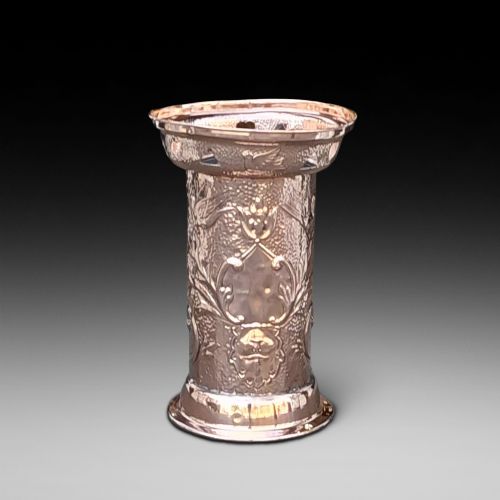
An edwardian copper vessel brings warmth and utility to a room through beaten surfaces and organic forms.
Edwardian Copper Vessel
When you search for an edwardian copper vessel, you encounter functional household objects that double as decorative pieces. These domestic items originate primarily from the late nineteenth and early twentieth centuries, spanning the Victorian, Edwardian, and early twentieth-century periods.
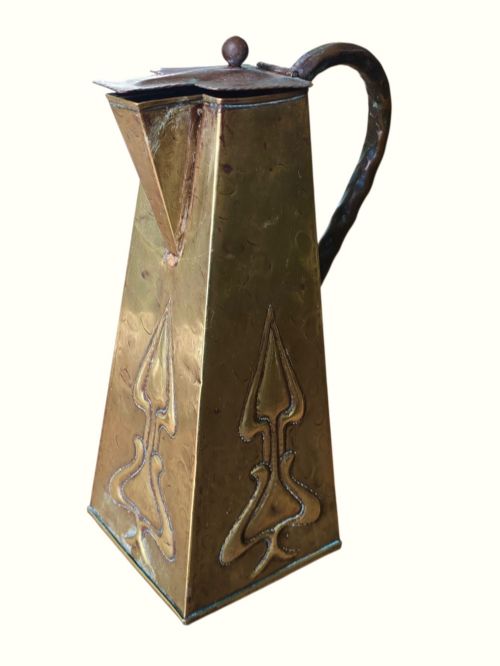
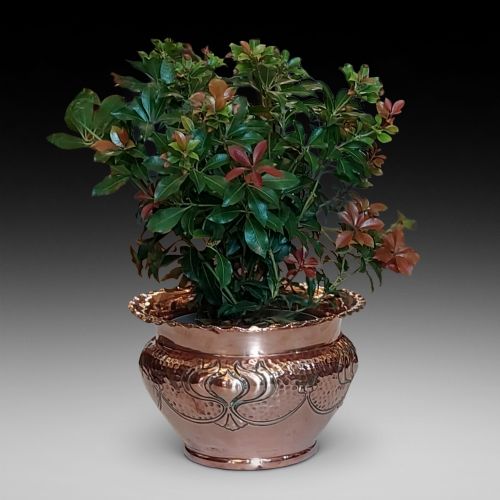
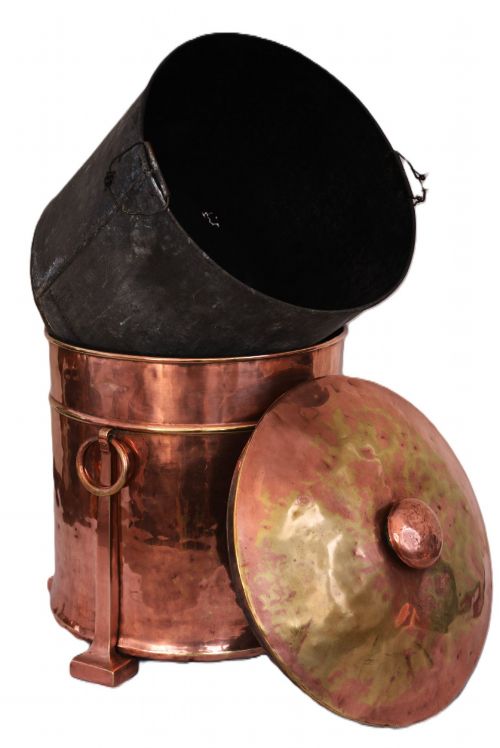
The assortment on this page concentrates on jardiniere planters, umbrella stands, coal buckets, and vases. Many pieces display the distinct aesthetic influence of the Arts and Crafts and Art Nouveau movements.
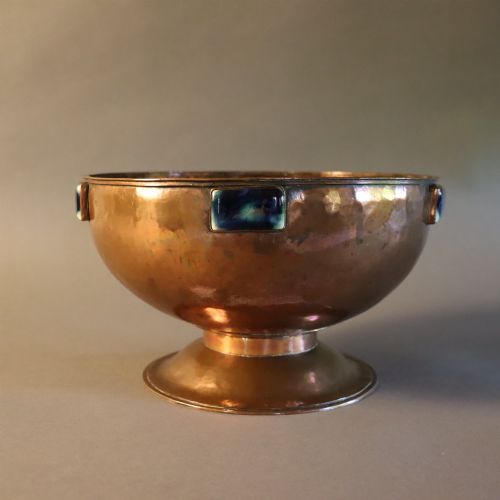
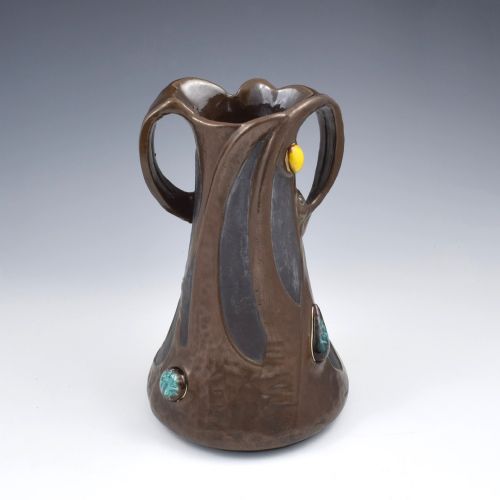
Makers often combined copper with brass mounts, iron frames, or ceramic cabochons to add contrast to the metal body. Most examples serve practical storage or display functions within domestic interiors.
Materials and Technique
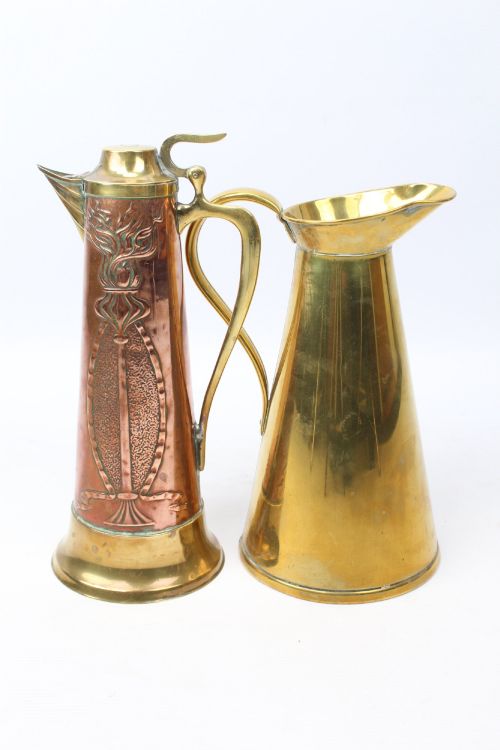
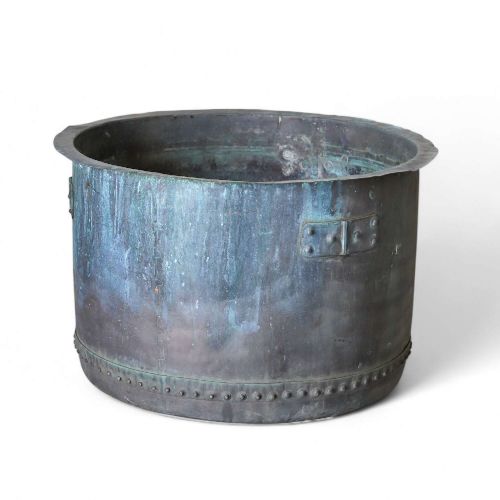
Makers shaped sheet copper by hand, utilising techniques such as hand-riveting to join seams and attaching brass or iron fittings for structural support. Artisans hammered surfaces to achieve textured finishes, sometimes incorporating chased floral decoration or pierced lids.
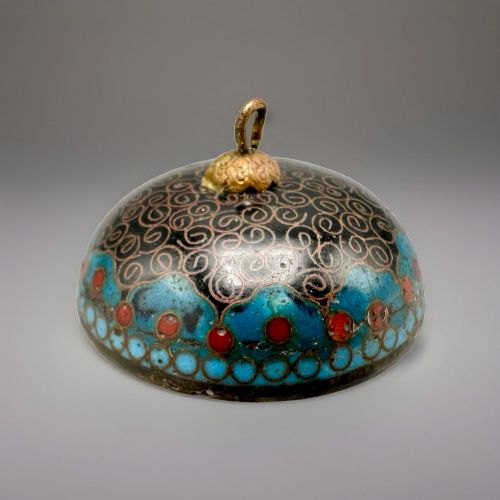
Details often include applied elements like Ruskin pottery cabochons, enamel accents, and jewelled stones set directly into the metal. Frames of wrought iron or coopered oak frequently complement the main copper body on larger log bins and umbrella stands.
Edwardian Copper Vessel Retail Price Guide 2026
Typical asking prices for edwardian copper vessel among the pieces listed under this phrase on Sellingantiques today, from the lower quarter to the upper quarter. They describe what is for sale here now, not the wider market.
Listings feature vessels produced in copper, brass, iron, tin, and earthenware from the nineteenth and early twentieth centuries.
Evaluating Execution
Quality rests upon the crispness of the hand-beaten texture and the integrity of the riveted joints. Pieces originating from known guilds or documented makers display superior weight, balanced proportions, and careful integration of decorative cabochons.
The depth of the natural patina and the preservation of original components, such as pierced lids or iron stands, distinguish finer examples from standard utilitarianware.
Newlyn Copper·Joseph Sankey·Keswick Arts And Crafts·Orme Evans And Co·Bretby Pottery
The Edwardian Copper Vessel Glossary
- Jardiniere
- An ornamental pot or stand designed to hold indoor plants or flowers. These vessels often sit on low feet or pedestals.
- Cabochon
- A polished, convex gemstone or ceramic piece lacking facets, frequently set into metalwork as a decorative accent. Ruskin pottery examples appear often in Arts and Crafts designs.
- Patina
- The surface sheen and colour acquired by metal through age and oxidation. Natural patination adds depth and character to copper surfaces.
- Repoussé
- A metalworking technique where the artisan hammers the design from the reverse side to form a raised pattern on the front. This method characterises many Art Nouveau and Arts and Crafts vessels.
Edwardian Copper Vessel: Frequently Asked Questions
How do I clean an edwardian copper vessel?
Remove dust with a soft cloth while preserving the natural patination that develops over decades of exposure. Aggressive polishing strips the historic surface character.
A gentle wipe with a dry cloth suffices for everyday maintenance. Avoid chemical abrasive cleaners that remove the darkened oxidation layers valued by collectors.
What is the difference between Arts and Crafts and Art Nouveau vessels?
Arts and Crafts pieces emphasise hand-hammered textures, visible riveted construction, and honest utility. The focus rests on the physical labour of the maker.
Art Nouveau examples favour flowing organic lines, stylised floral motifs, and sinuous plant forms. These designs draw inspiration from nature rather than medieval craft traditions.
Can I use these planters for real houseplants?
Many jardinieres and planters served this exact horticultural purpose in period homes. Using a protective inner liner prevents moisture damage to the antique metal.
Direct contact with damp soil accelerates internal corrosion over time. Placing a modern plastic pot inside the vessel protects the historic copper base.
How do I identify a piece from the Edwardian period?
Edwardian metalwork often reflects a transition from Victorian heaviness to lighter, cleaner decorative schemes. Look for registration numbers, maker stamps, and stylistic cues.
Objects from this era frequently combine functional utility with the organic motifs popular around nineteen hundred. Examining construction marks helps narrow down the production decade.