


Antique French Metalwork
Antique French metalwork spans centuries of foundry skill, offering expressive cast bronze, hammered copper and wrought iron to anchor a room.
Materials and technique
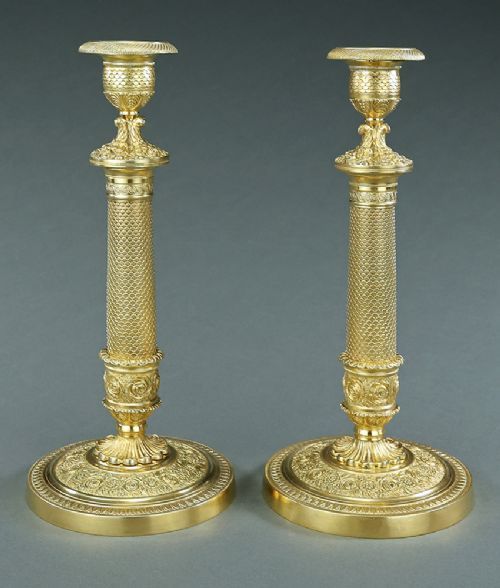
Foundries cast bronze, brass, spelter, and copper using traditional methods, often finishing surfaces with mercury gilt or ormolu to achieve a rich golden lustre. Artisans employed hand-hammered dinanderie techniques for large vessels and delicate enamelling for smaller wearable accessories.
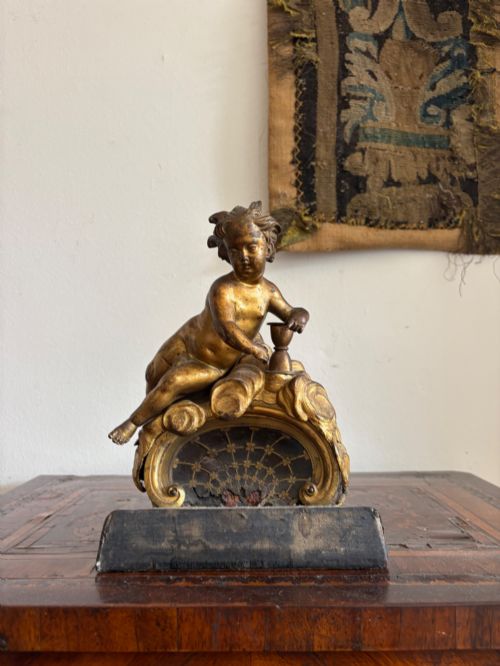
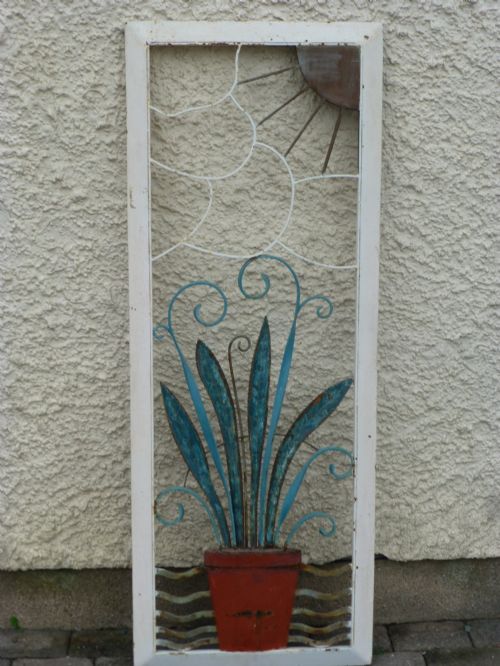
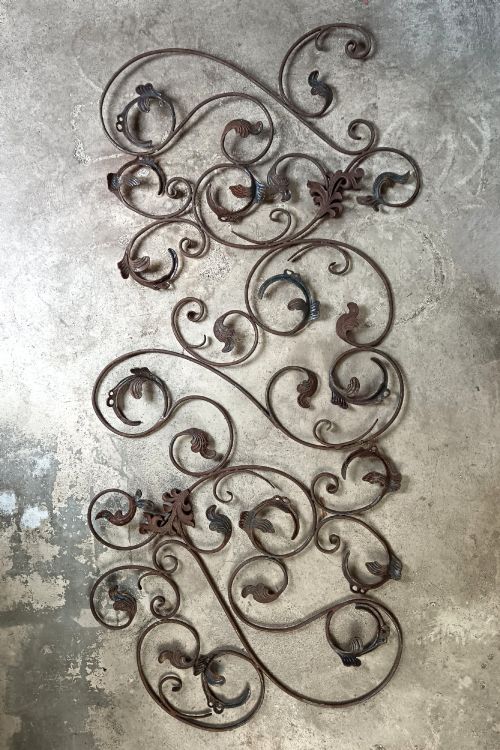
Wrought iron and architectural elements rely on forge-welding and scrollwork, shaping heated metal into robust garden screens and structural panels. Cast components frequently feature chased detailing that sharpens the contours of putti, flora, and geometric motifs.
Assessing quality and execution
Quality rests upon the crispness of the casting and the depth of the subsequent hand-chasing, which separates mass-produced items from superior studio pieces. Finer works retain their original mercury gilding or patination, whereas lesser examples show wear down to the base metal or careless later plating.
Weight and structural integrity also distinguish the range, as heavier gauge bronzes and thick wrought iron demonstrate superior material investment by the maker. The articulation of fine details, such as facial expressions on figural mounts or clean joints on architectural ironwork, marks the upper tier of production.
Listings feature items spanning the sixteenth to the twentieth century, encompassing cast bronze, wrought iron, copper, and spelter.
Raymond Subes·C Masson·Jean Dunand·Biron Paris·Piel Freres·Alexandre Clerget
The Antique French Metalwork Glossary
- Ormolu
- Gilded bronze produced by applying a mercury and gold amalgam to a bronze object and heating it to vaporise the mercury. This technique creates a durable, golden surface seen on mounts and decorative vessels from the eighteenth and nineteenth centuries.
- Spelter
- A zinc alloy used as a cheaper substitute for bronze, particularly during the art deco period. It takes patination and paint well but is softer and more brittle than true bronze.
- Dinanderie
- A medieval term revived in the twentieth century for decorative objects made of hammered brass, copper, or bronze. It describes vessels and containers shaped by hand rather than cast.
- Cassolette
- A decorative vessel shaped like a vase or urn, designed to hold perfumes or incense. Many feature reversible lids that function as candle holders.
- Finial
- A relatively small decorative ornament that terminates the top of a piece of furniture, clock, or architectural mount. They often take the form of stylised leaves, urns, or figures.
Antique French Metalwork: Frequently Asked Questions
What is the difference between bronze and spelter?
Bronze is a copper and tin alloy known for its strength, heavy weight, and ability to hold fine chased detail. Spelter is a softer zinc-based alloy that feels lighter and appears more brittle if fractured.
Examining the underside or an unobtrusive edge often reveals the base metal beneath the patination. Spelter frequently displays a greyish interior metal where the surface finish has worn thin.
How can I date architectural metalwork?
Dating architectural ironwork and panels relies on construction methods such as hand-riveting, forge-welding, and the profile of the scrollwork. Earlier pieces from the eighteenth and nineteenth centuries show irregular hammer marks and hand-cut joints.
Twentieth-century examples, including art deco pieces, often incorporate machine-rolled sections and standardised fixings. Comparing the style of decorative motifs to known period designs helps confirm the era.
Where should I place metalwork at home?
Position heavier items like cast bronze vases, andirons, or cauldrons on stable, level surfaces that support their weight. Keep them away from direct sources of heat and high humidity to prevent corrosion.
Smaller decorative mounts and candlesticks suit mantels and side tables where their surface textures catch natural light. Ensure iron scroll panels are securely anchored if mounted to walls.