




Decorative Copper Vase
These decorative copper vase examples range from nineteenth-century Indian repoussé work to French Art Nouveau vessels, offering distinctive metallic warmth for your interior.
Decorative Copper Vase
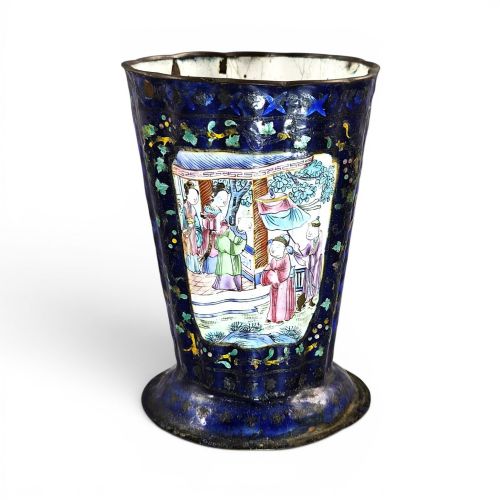
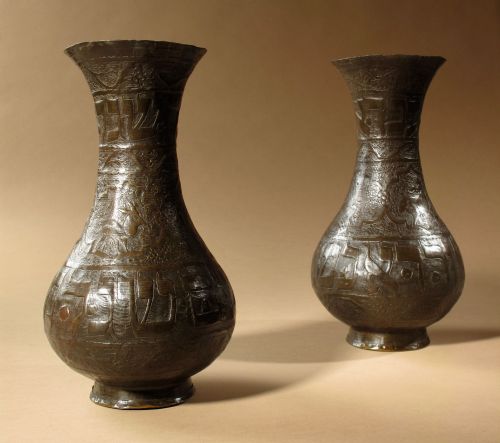
A decorative copper vase brings warm metallic tones and historical craftsmanship into a room, spanning forms from slender baluster vessels to large jardinieres and lidded urns. When searching for a decorative copper vase, buyers encounter items produced across the nineteenth and early twentieth centuries, alongside earlier Qing dynasty examples.
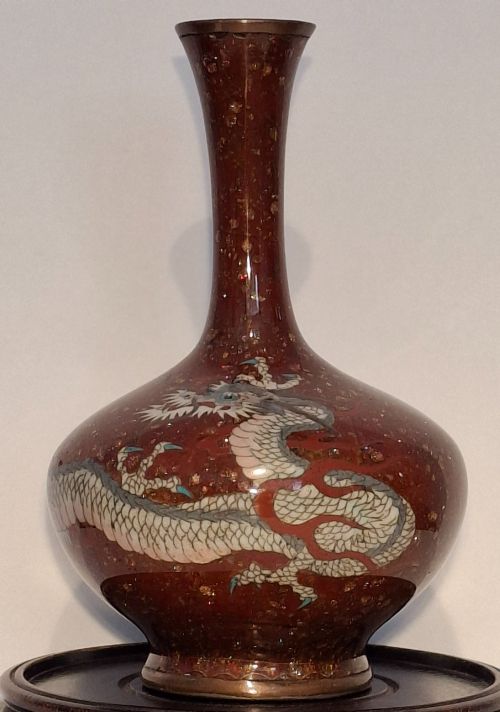
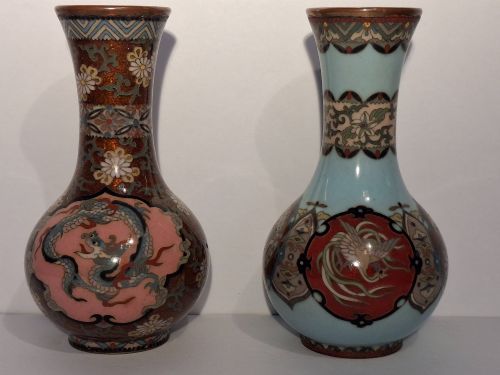
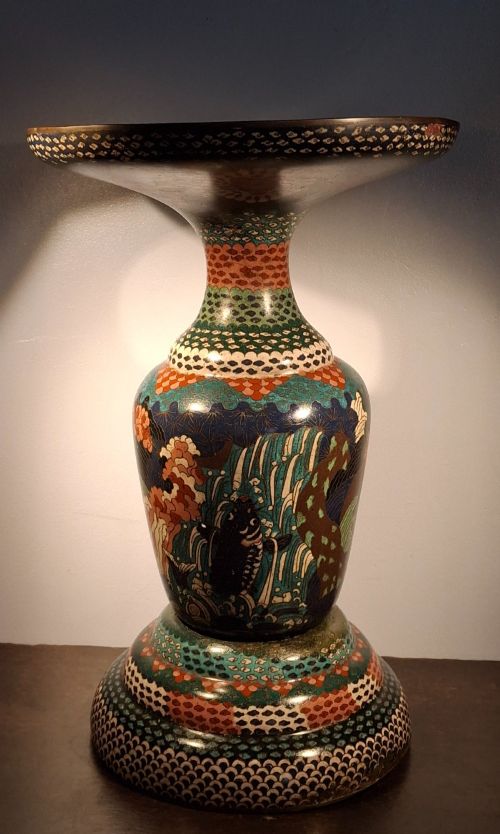
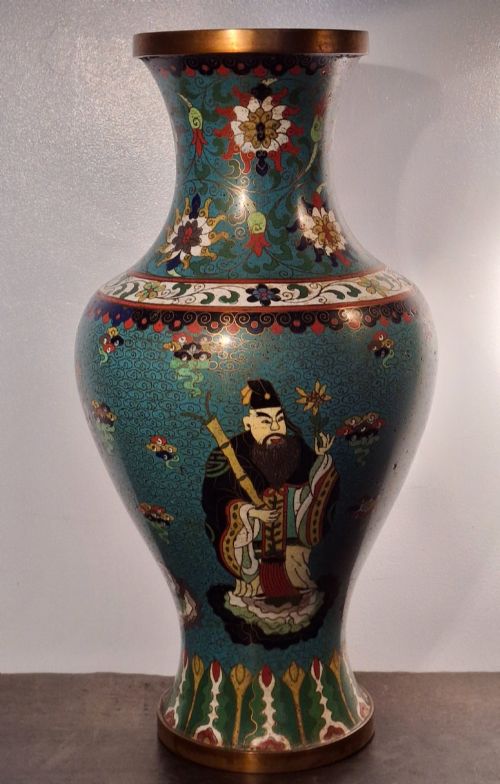
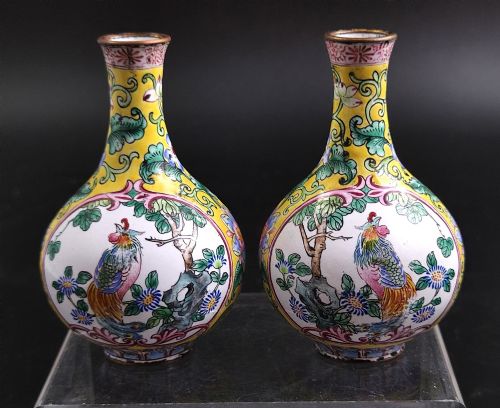
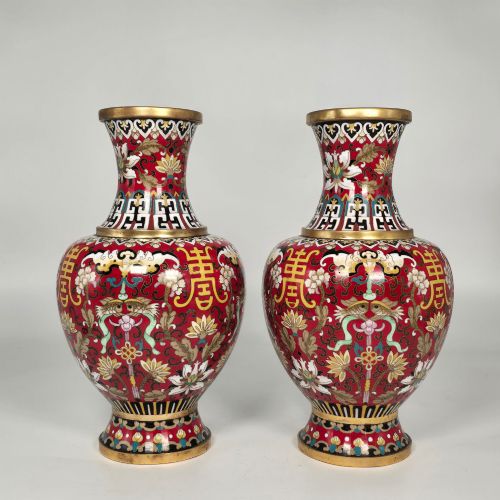
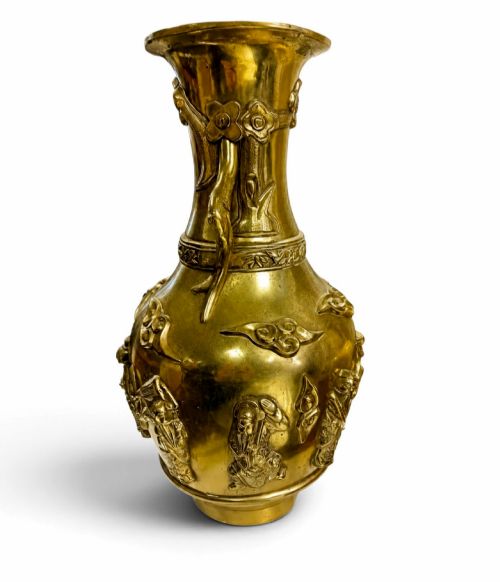
The selection here includes pieces influenced by distinct regional traditions, such as Japanese cloisonné, Chinese high-relief work, Anglo-Indian repoussé, and French chateau styles. Alongside pure copper, the evidence records pieces combining brass, enamel, earthenware, and copper alloy.
Vessels take various utilitarian and ornamental shapes, including jugs, pitchers, and monumental palace vases. These objects serve as focal points in a room, often displaying detailed chased floral decoration or religious text.
Materials and construction methods
Makers shaped these objects using fundamental metalworking techniques such as repoussé and embossing, hammering the copper from the reverse side to raise ornamental designs in relief. Artisans also utilised cloisonné enamel, applying wire partitions to hold coloured enamel pastes before firing.
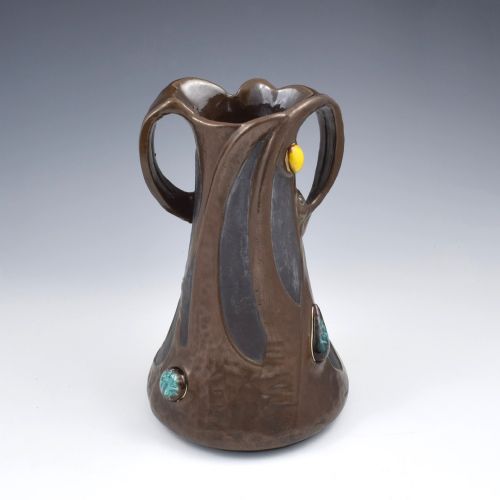
Base materials vary from solid copper and copper alloys to brass mounts and ceramic bodies with copper-effect finishes, such as glazed earthenware produced by potteries like Bretby. Surface decoration frequently incorporates applied cabochons, chased floral motifs, or detailed depictions of figures and mythical birds.
Decorative Copper Vase Retail Price Guide 2026
Typical asking prices for decorative copper vase among the pieces listed under this phrase on Sellingantiques today, from the lower quarter to the upper quarter. They describe what is for sale here now, not the wider market.
Keep an eye out for vessels depicting Daoist immortals and mythical phoenixes, proving that quiet copper pots often contain whole pantheons.
Distinctions in craftsmanship
Quality in these vessels rests upon the precision of the hand-applied detail, whether in the crispness of repoussé hammer work or the exact alignment of cloisonné wire cells. Finer examples display deeper relief, more complex iconography such as Daoist immortals or phoenixes, and integrated base marks.
The treatment of subsidiary materials, including chased brass handles, jewelled cabochons, and Canton enamel, separates standard production from exceptional pieces. Heavier gauge metal and balanced proportions also distinguish superior vessels from lighter or purely decorative reproductions.
The Decorative Copper Vase Glossary
- Repoussé
- A metalworking technique where the artisan hammers the metal from the reverse side to form a raised design on the front. This method creates tactile, three-dimensional surface decoration.
- Cloisonné
- An ancient technique for decorating metal object surfaces, using vitreous enamel held within wire partitions soldered to the base. The piece is then fired and polished smooth.
- Baluster
- A vertical architectural form with a swelling lower portion tapering toward the top, commonly found in vase profiles. This shape provides visual stability and balance.
- Jardiniere
- A large ornamental pot or stand designed to hold growing plants or flowers. These vessels often sit on floors or heavy furniture.
Decorative Copper Vase: Frequently Asked Questions
How do I clean a copper vase?
Maintenance depends on whether the surface has a protected historical patina or bare metal. Gentle dusting with a dry cloth preserves most antique finishes.
Avoid abrasive chemical cleaners that strip the aged surface and diminish the character built over centuries of handling.
What is the difference between repoussé and embossed work?
Repoussé involves hammering the metal sheet from the reverse side to push the design outward into relief. The artisan then refines the details from the front.
Embossing is a similar technique that raises the design, though the terms are sometimes used interchangeably in historical listings.
Are all these vases made of solid copper?
No, the materials vary across the listings to include copper alloys, brass, and ceramic bodies with copper-effect glazes. Some items combine copper with enamel or jewelled cabochons.
Reviewing the material description for each individual piece ensures you understand its exact metallic composition.
How do I date an antique copper vase?
Dating relies on stylistic markers such as Art Nouveau curves, Meiji period Japanese motifs, or Victorian proportions. Maker marks and base stamps also provide chronological clues.
Comparing construction techniques with documented examples from specific periods helps narrow down the production era.