






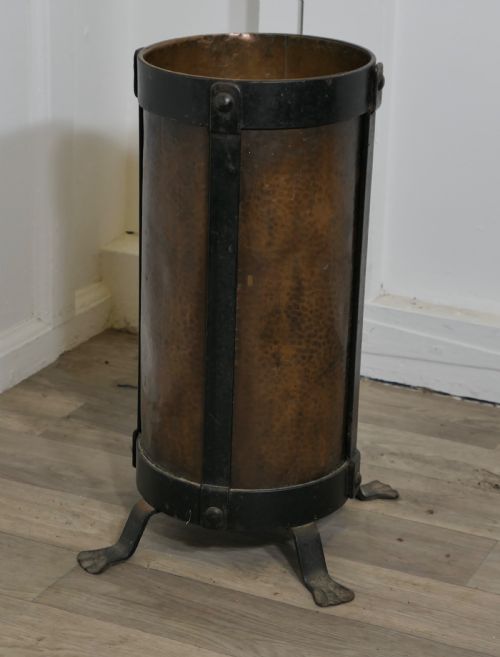

Copper Stick Holder
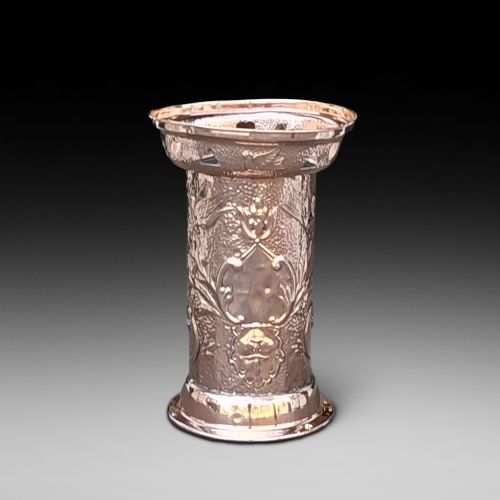
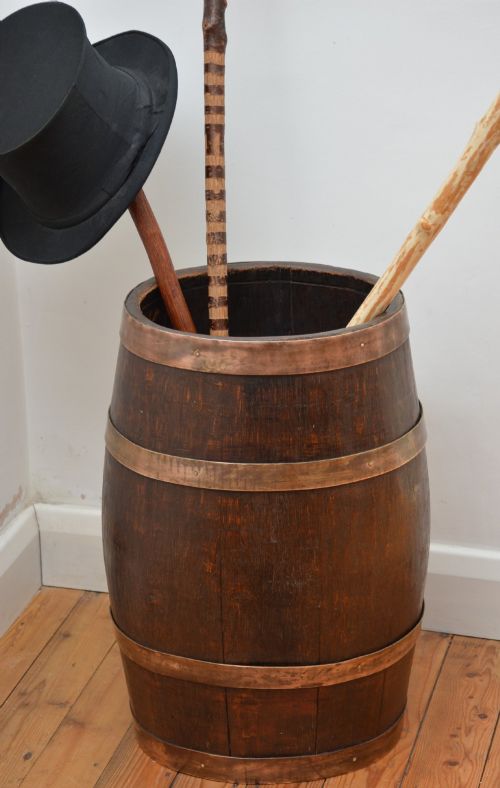
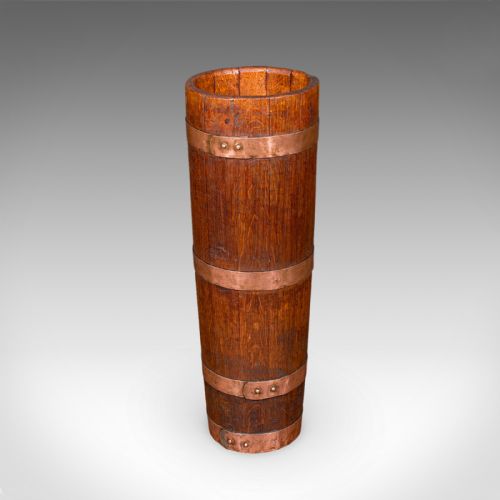
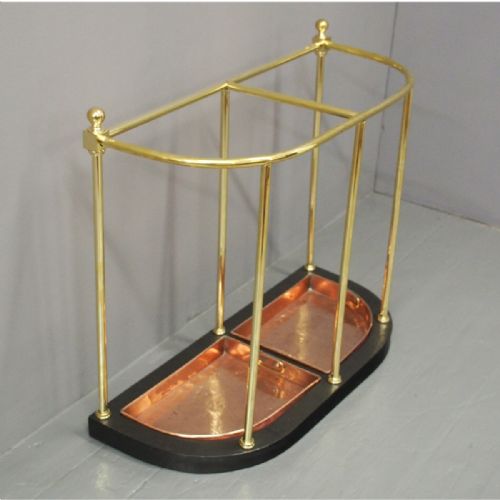
These copper stick holder pieces bring metalwork and oak into the hallway for walking canes and umbrellas.
Copper Stick Holder
A copper stick holder brings utilitarian metalwork into the hallway for canes and umbrellas. These items serve to tidy entryways while displaying period craftsmanship from the nineteenth century.
Visitors to this selection will primarily encounter umbrella and stick stands executed in copper, often combined with iron bindings or oak staves. Examples span Victorian and Arts and Crafts styles, alongside Georgian and 19th-century interpretations.
Makers utilised coopered barrel constructions and hammered metal sheets to shape these functional vessels. The forms range from cylindrical buckets to larger hall stands designed for daily household use.
Materials and construction methods
Makers fashioned these pieces using sheet copper, frequently bound with wrought iron bands to reinforce the cylindrical or bucket-like structures. Oak provides the structural staves in coopered barrel variants, echoing traditional coopering techniques.
Arts and Crafts examples display hammered metal surfaces that highlight the hand of the maker. Brass and iron elements appear alongside the copper, creating robust supports intended for heavy walking sticks and umbrellas.
Copper Stick Holder Retail Price Guide 2026
Typical asking prices for copper stick holder among the pieces listed under this phrase on Sellingantiques today, from the lower quarter to the upper quarter. They describe what is for sale here now, not the wider market.
One exceptional stand originates directly from the Honourable Company of Edinburgh Golfers.
Distinguishing quality in construction
The sophistication of the metalwork separates the finer examples from standard production pieces, particularly where hand-hammered detailing and secure riveting are evident. Heavier gauge copper and tight coopered joints in oak denote superior workmanship.
Proportion and material combination dictate the visual balance of each stand, with integrated iron fittings showing clean forging rather than rough casting. The integrity of the internal structure determines how well the piece handles daily use.
The Copper Stick Holder Glossary
- Coopered
- Constructed from wooden staves bound together with metal hoops, much like a traditional barrel. This method gives certain umbrella stands their characteristic ribbed exterior.
- Arts and Crafts
- A design movement prioritising hand-craftsmanship, simple forms and honest materials over mass production. Pieces from this aesthetic often feature visible hammering and structural ironwork.
- Victorian
- Pertaining to the reign of Queen Victoria, encompassing a period of diverse revival styles and industrial expansion. Items from this era show varied ornamentation and robust construction.
- Wrought iron
- Iron heated and hammered into shape by hand, resulting in a fibrous texture and durable quality. It frequently appears as binding or structural support on metal vessels.
Copper Stick Holder: Frequently Asked Questions
What is a copper stick holder used for?
These vessels hold walking canes, umbrellas and parasols in a hallway or entryway to keep the floor tidy.
They catch drips from wet weather gear and provide a designated drop-off point for visitors entering the home.
How do I clean copper stick stands?
Dust the surface regularly with a soft cloth to prevent the accumulation of dirt within the hammered recesses.
Avoid harsh chemical polishes that strip the natural aged patina, opting instead for gentle cleaning suited to antique metals.
Are these pieces waterproof inside?
Most examples utilise solid metal bases or fitted linings to contain moisture from wet umbrellas.
Coopered wooden versions rely on tight joints and interior seals, though modern protective trays are sometimes added for safety.
How do I date a copper stick holder?
Examine the construction methods, such as hand-hammered panel assembly or machine-rolled seams, alongside any stylistic markers.
Arts and Crafts pieces typically display distinctive surface textures, whereas Victorian coopered barrels reflect earlier domestic woodworking traditions.