

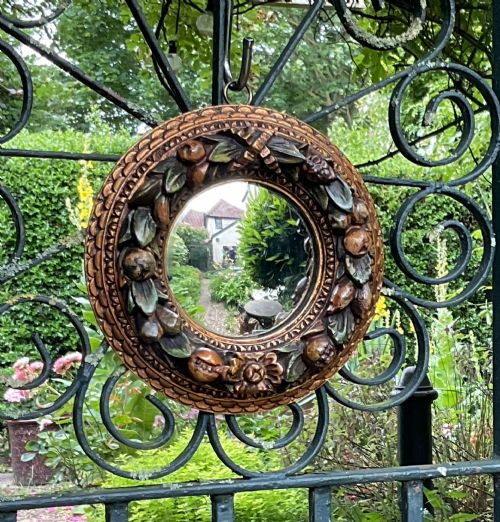


Edwardian Circular Mirror
An Edwardian circular mirror brings clean lines and polished glass to a room, offering both practical reflection and traditional wall decoration.
Edwardian Circular Mirror
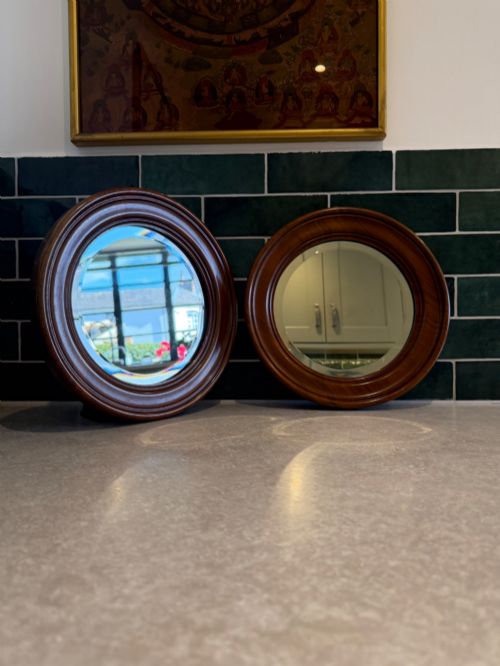
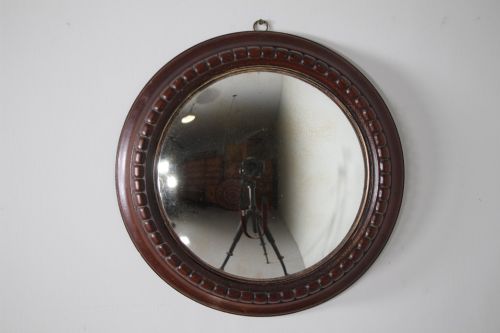
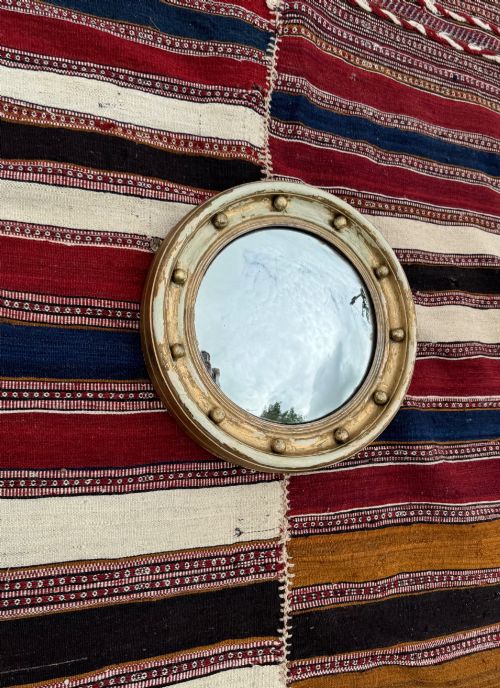
An edwardian circular mirror stands out on this page through its characteristic round format and proportions typical of the early twentieth century. Buyers seeking this style will encounter various iterations, from simple deep timber frames to ornate gilt convex designs.
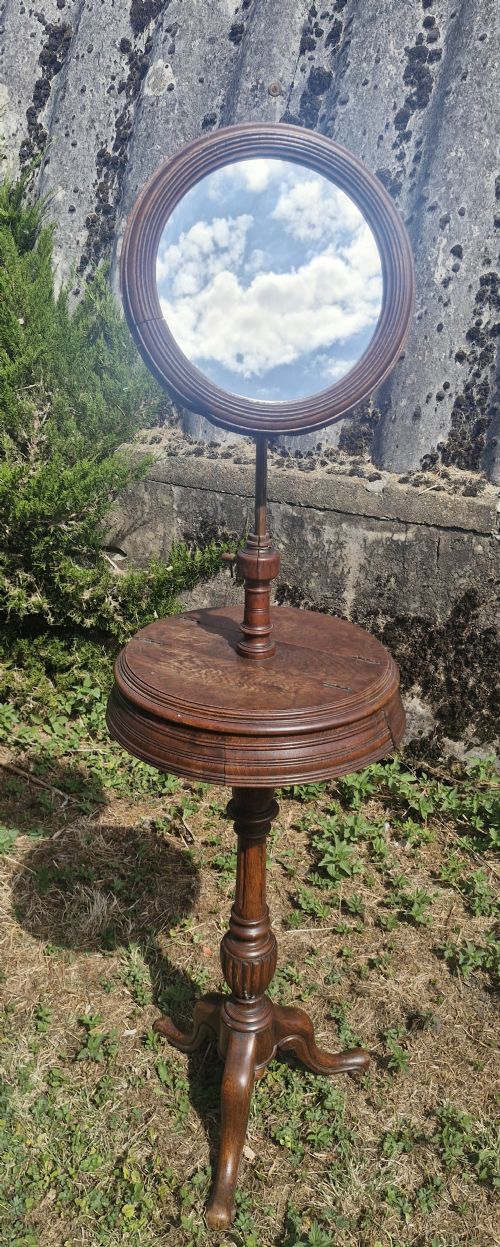
The selection includes pieces spanning from the mid nineteenth century through to the nineteen twenties, incorporating Victorian and later revivals alongside core Edwardian items. Alongside standard wall mirrors, forms such as shaving stands and mirror plateaus appear within the listings.
Originating largely from British workshops, these circular glasses serve as functional home accessories and decorative focal points. Mahogany, oak and giltwood predominate, maintaining a strong connection to period interiors.
How They Were Made
Maker construction relies heavily on native hardwoods such as mahogany and oak, often shaped into solid circular frames. Giltwood and gesso finishes provide a bright reflective surface or detailed ornamentation around the glass.
Many examples incorporate convex glass plates, requiring specialised shaping to create the signature curved reflection associated with butler's mirrors. Etched glass techniques also appear, adding subtle surface decoration to the mirror plate.
Edwardian Circular Mirror Retail Price Guide 2026
Typical asking prices for edwardian circular mirror among the pieces listed under this phrase on Sellingantiques today, from the lower quarter to the upper quarter. They describe what is for sale here now, not the wider market.
What Varies in Quality
Quality rests in the crispness of the timber carving and the depth of the frame mouldings. Finer pieces display careful attention to joinery and consistent application of gilt or ebonised finishes.
The clarity and age of the mirror plate itself influence the character of the piece, with original bevelled or convex glass holding distinct appeal. Heavier construction and balanced proportions separate standard production from superior examples.
The Edwardian Circular Mirror Glossary
- Convex glass
- A curved mirror plate that bulges outward to provide a wide-angle, panoramic reflection of the room. This form was traditionally utilised to monitor activity in large spaces.
- Gesso
- A plaster-like mixture applied to wooden frames as a base for gilding or painting. It allows craftsmen to mould intricate decorative details before applying gold leaf.
- Pier mirror
- A tall wall glass designed specifically to hang on the narrow section of wall between two windows. These pieces often feature mahogany or giltwood construction.
- Shaving stand
- A freestanding or adjustable furniture piece incorporating a mirror for personal grooming. Examples often include tripod supports or wooden cabinetry.
- Ebonised wood
- Timber treated with a chemical stain or finish to imitate expensive ebony. This dark surface treatment appears frequently on period frames.
Edwardian Circular Mirror: Frequently Asked Questions
How do I hang a heavy circular mirror safely?
Heavy round mirrors require secure fixings into solid wall studs or appropriate masonry anchors to support the weight of the timber and glass.
Using wire rated well above the mass of the frame ensures stability during everyday use.
What is the difference between a flat and convex mirror?
A flat mirror plate provides a standard, true-size reflection of the surrounding interior space. Convex glass curves outward to shrink the field of view and capture a wider angle of the room.
Both styles were common in period properties but served different aesthetic and practical functions.
Are these mirrors suitable for bathrooms?
Original period mirrors feature antique silvering and wooden frames that are sensitive to excessive moisture and humidity. Placing them in dry hallways or living rooms helps preserve the delicate gilt and timber.
Bathroom placement risks accelerating the deterioration of the backing and frame.
How do I clean antique mirror glass?
Gentle dusting with a soft, dry cloth removes surface particles without disturbing the surrounding frame. Avoid spraying liquid cleaner directly onto the glass, as moisture can seep behind the plate and damage the silvering.
Applying a mild solution to a cloth first protects both the timber and the original reflective coating.