
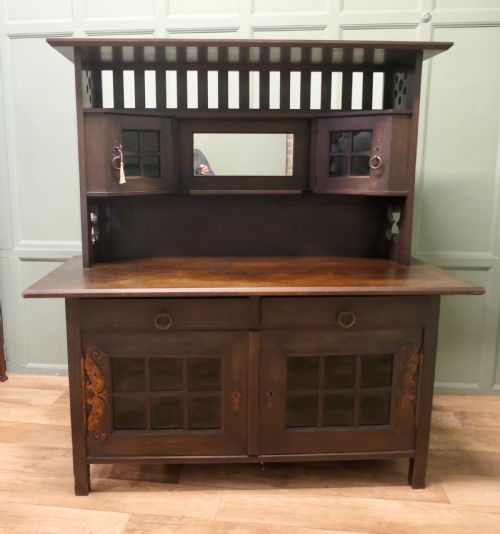
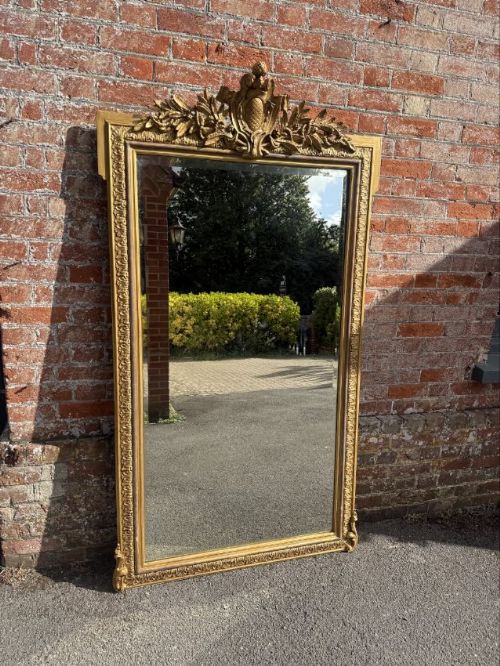
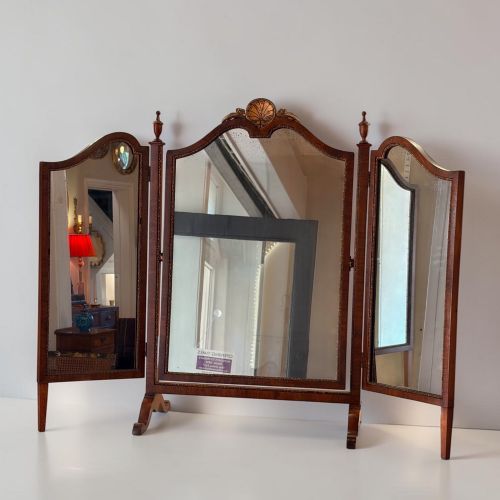
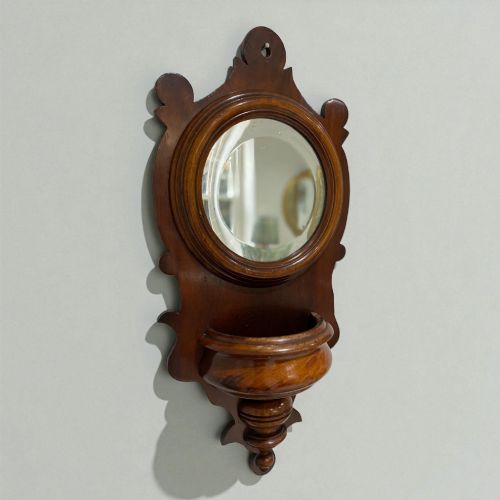
Edwardian Carved Wood Mirror
An edwardian carved wood mirror brings warmth and intricate craftsmanship to a room, offering both practical reflection and decorative presence.
Edwardian Carved Wood Mirror
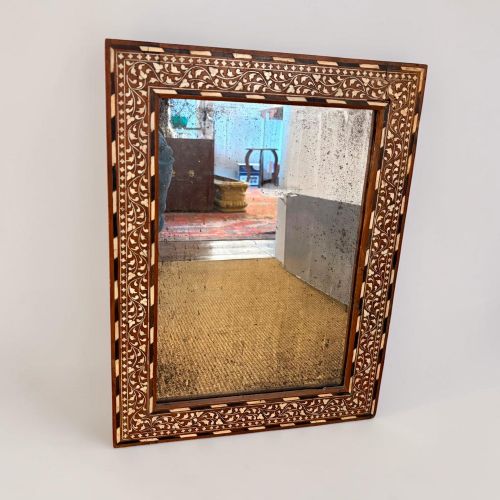
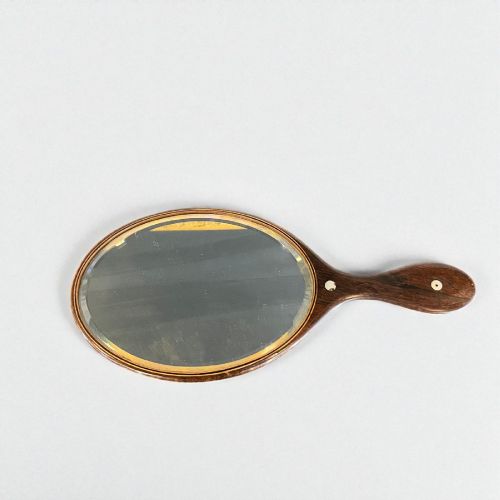
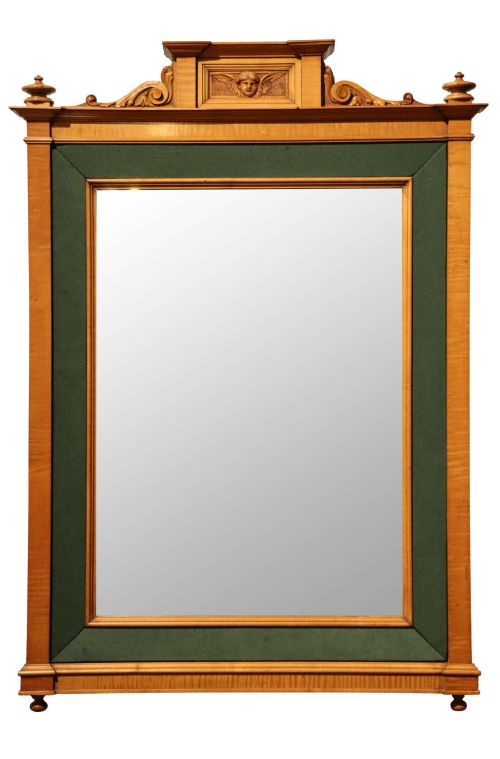
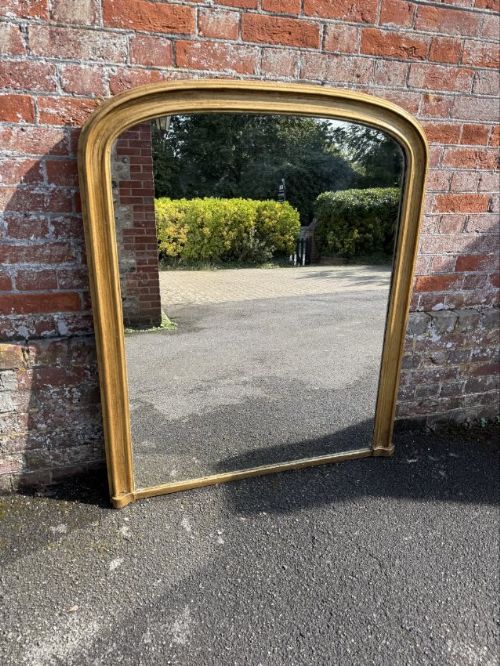
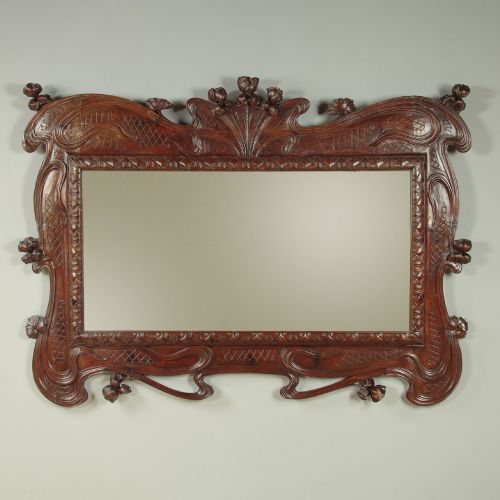
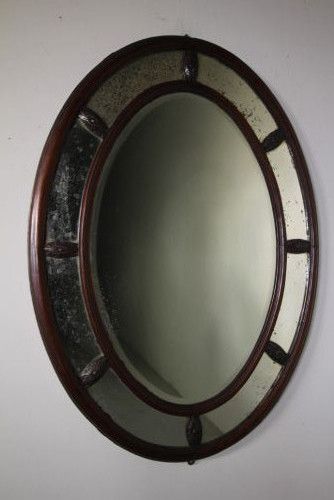
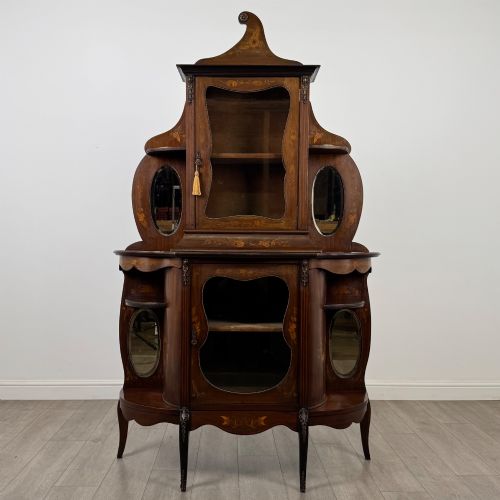
When searching for an edwardian carved wood mirror, a buyer encounters pieces originating primarily from the Edwardian and Victorian eras, along with the broader nineteenth century. These objects appear as wall mirrors, overmantel mirrors, and smaller dressing variants designed for domestic spaces.
The versions met most frequently on this page combine timber frames with hand-carved details, reflecting the stylistic influences of Arts and Crafts, Art Nouveau, and Queen Anne Revival movements. They serve as functional furnishings that also introduce textural depth to hallways, bedrooms, and reception rooms.
How they were made
Frames rely on solid timbers such as mahogany, oak, walnut, and satinwood, frequently shaped through manual woodworking techniques. Carvers utilised chisels and gouges to render foliage, scrolls, and crests directly into the wood grain.
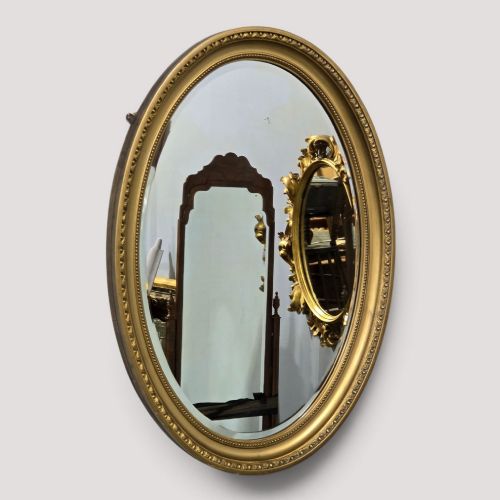
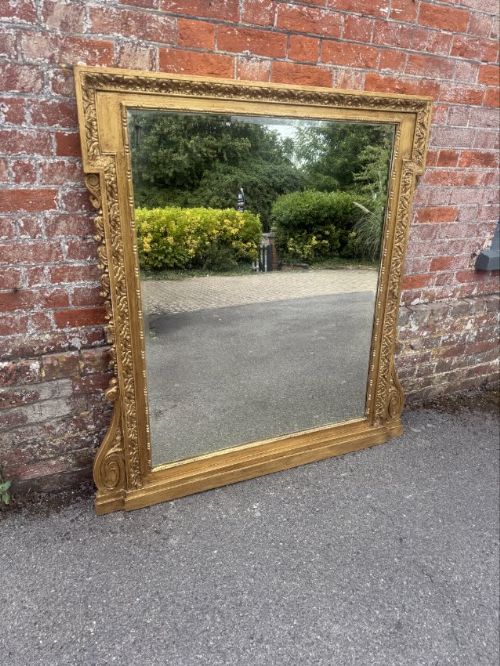
Gesso and gold leaf are often applied over wooden substrates to create gilt overmantle mirrors with raised ornamentation. In other instances, natural wood finishes highlight the grain, complemented occasionally by inlay work or brass fittings.
Listings feature woods such as mahogany, oak, satinwood, and yew, alongside giltwood and gesso finishes spanning the Victorian and Edwardian periods.
What varies in quality
The depth and crispness of the carving distinguish finer examples from simpler production pieces, as skilled hands achieve greater dimension and movement in foliage and crests. The selection of timber also dictates grade, with figured woods like burr walnut or dense mahogany marking higher standards.
Integration between the mirror plate and the wooden frame reveals structural integrity, where well-fitted rebate joints and original backboards hold significance. The preservation of original gilding or polished surfaces contributes heavily to the overall character of the piece.
The Edwardian Carved Wood Mirror Glossary
- Overmantle mirror
- A large wall mirror specifically designed to hang above a fireplace mantelpiece. These often feature arched or shaped tops and substantial carved frames.
- Gesso
- A plaster-like mixture applied to wood frames as a base for gilding. It allows for crisp, moulded or carved decorative reliefs.
- Giltwood
- Timber that has been coated with gold leaf or gold paint. It provides a reflective, opulent finish common in nineteenth-century formal interiors.
- Bracket mirror
- A smaller mirror designed to be supported by a wall bracket or shelf. These pieces combine compact proportions with decorative timber framing.
- Inlay
- The technique of inserting contrasting strips of wood, mother of pearl, or other materials into recessed portions of the base timber to form patterns.
Edwardian Carved Wood Mirror: Frequently Asked Questions
Where should an overmantle mirror be hung?
These mirrors traditionally sit directly above a fireplace mantel, anchoring the visual weight of the hearth. They also function effectively above low sideboards or console tables in large reception rooms.
Securing them properly to wall studs is essential due to their substantial wooden frames and heavy glass plates.
How do I identify an Edwardian mirror?
Edwardian pieces often display lighter wood tones, simpler proportions, and influences from the Arts and Crafts or Sheraton revival styles. Carvings tend to be refined rather than heavy.
Comparing construction methods, backboards, and fastener types helps distinguish these pieces from later reproductions.
Can these mirrors be used in bathrooms?
Historic wood and gilt frames react poorly to high humidity and direct moisture. Placing them in damp environments risks warping the timber and degrading the gesso or mirror silvering.
Dry hallways, bedrooms, and living rooms provide the stable climate required to preserve antique finishes.
What is the difference between wall and dressing mirrors?
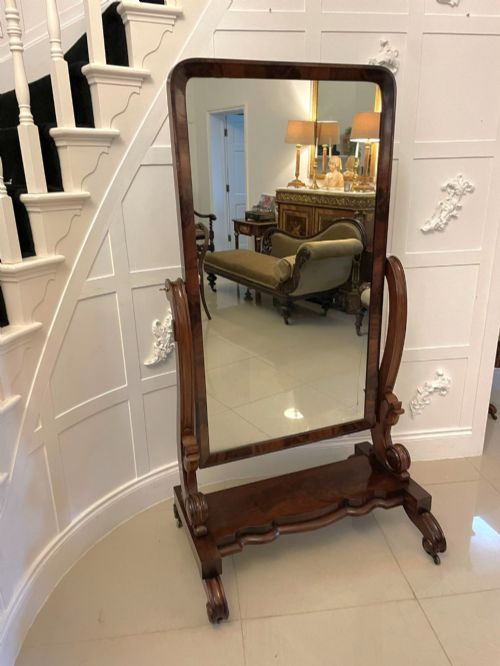
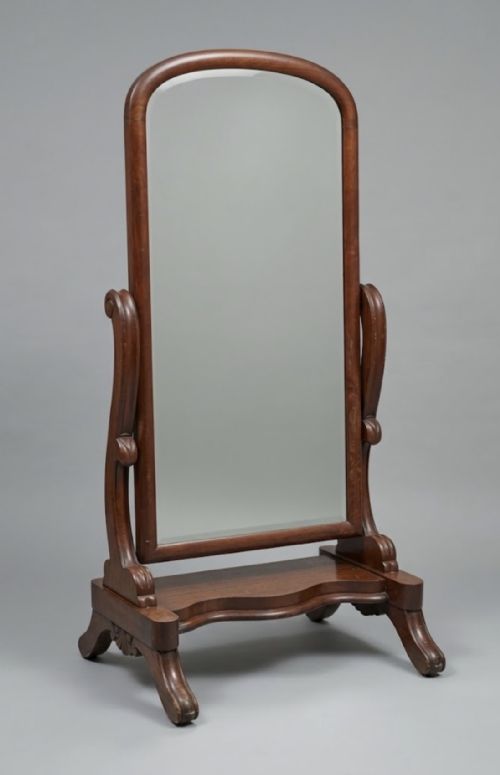
Wall mirrors are built for permanent room placement and feature hanging fixtures integrated into the frame construction. Dressing mirrors are usually smaller and mounted on pivots within a standing frame or base.
Both serve distinct domestic functions while showcasing period woodworking skills.