


Large Edwardian Wall Mirror
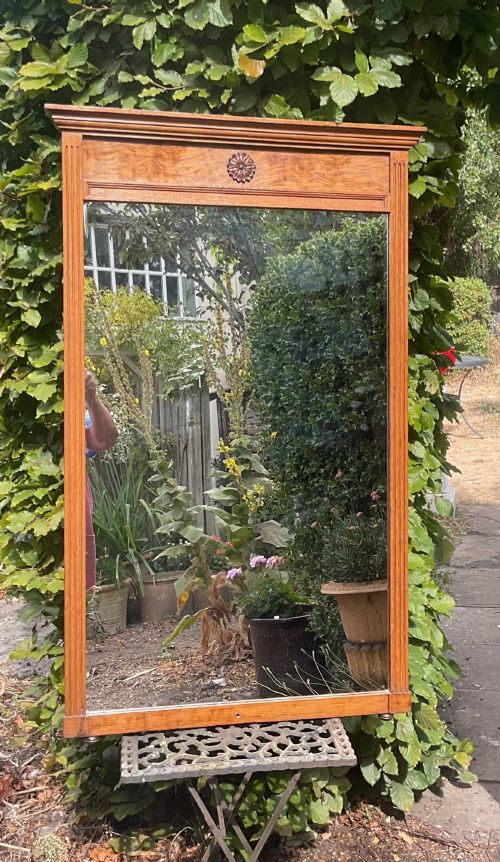
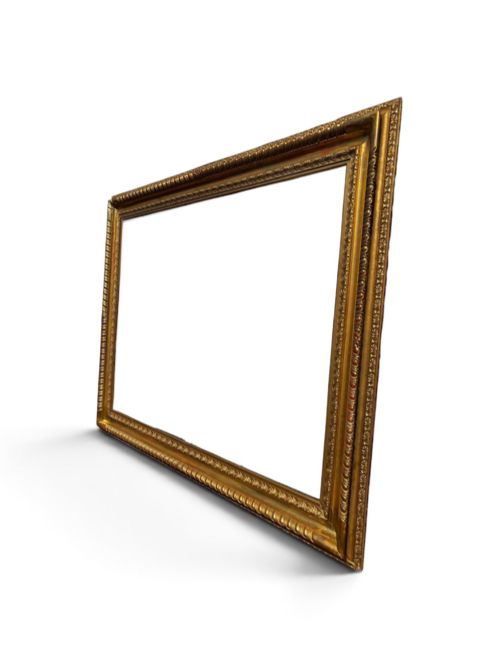
A large edwardian wall mirror brings warmth and scale to a room, combining substantial timber or gilt frames with the bright reflection typical of the period.
Large Edwardian Wall Mirror
A large edwardian wall mirror typically appears as an imposing architectural addition designed to anchor a room, drawing on earlier Victorian and neoclassical traditions while embracing the simpler lines of the early twentieth century.
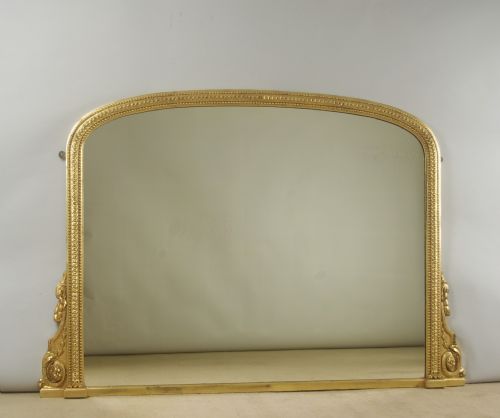
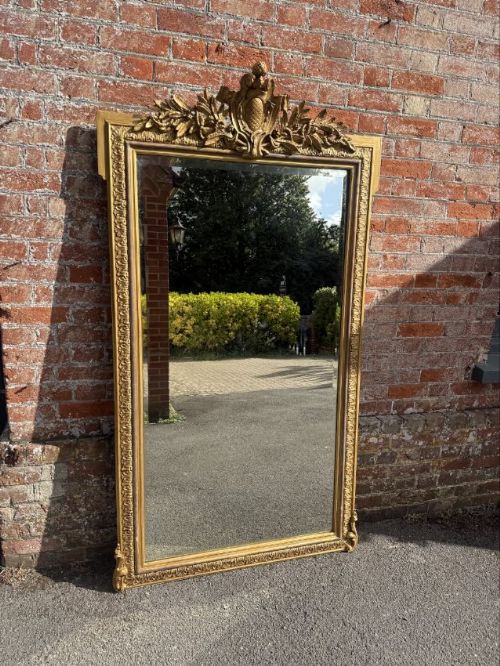
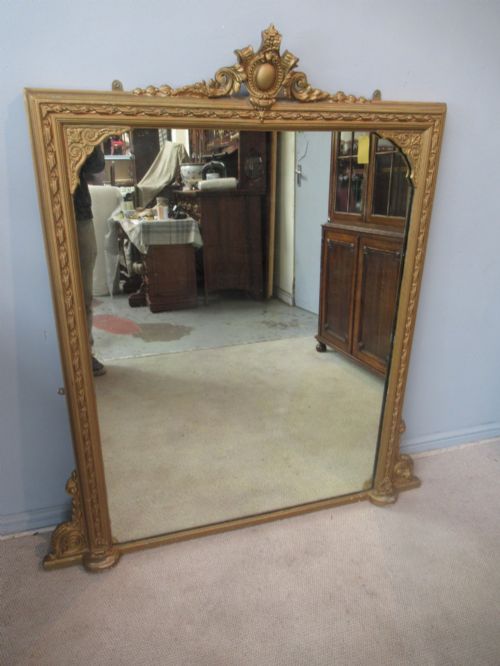
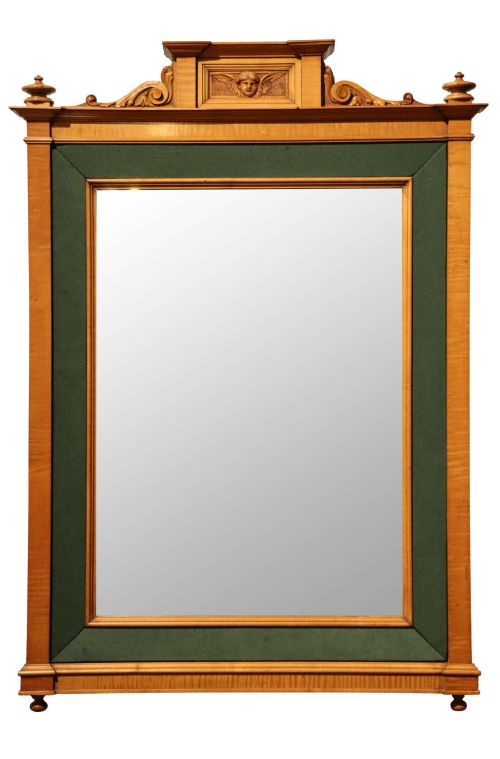
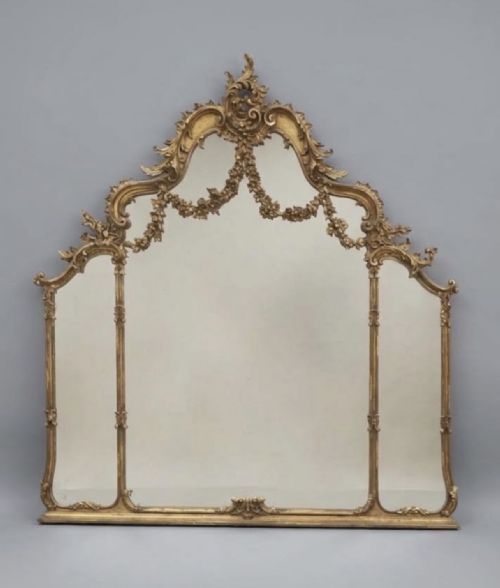
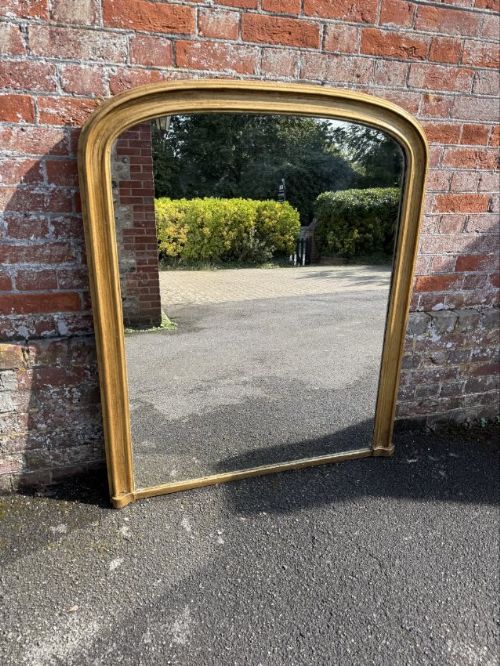
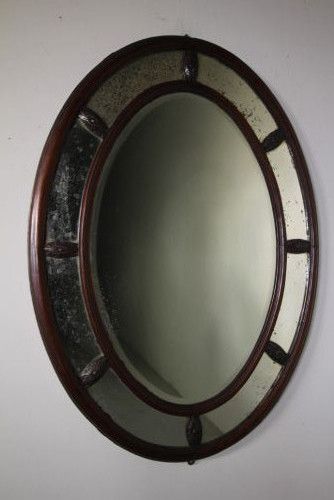
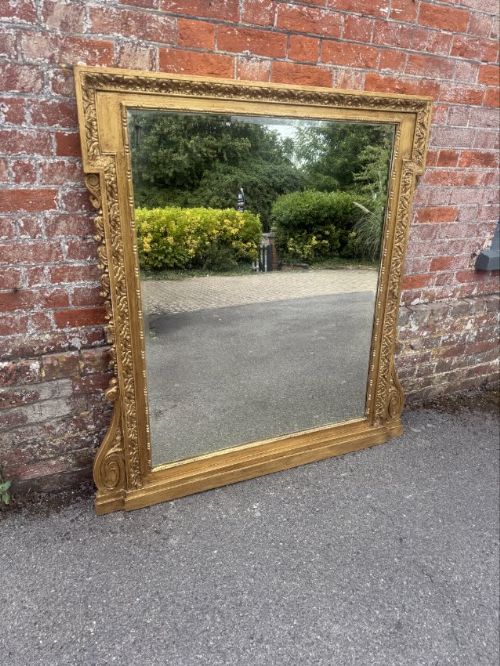
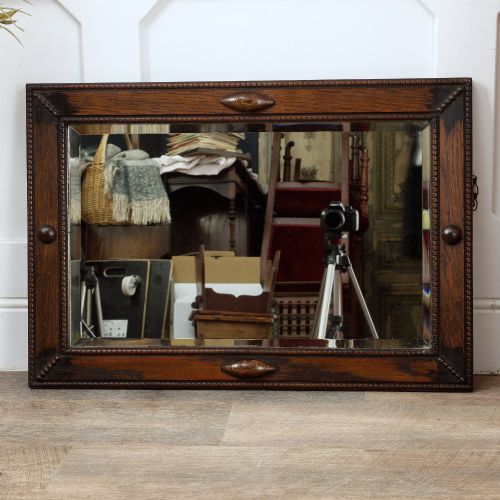
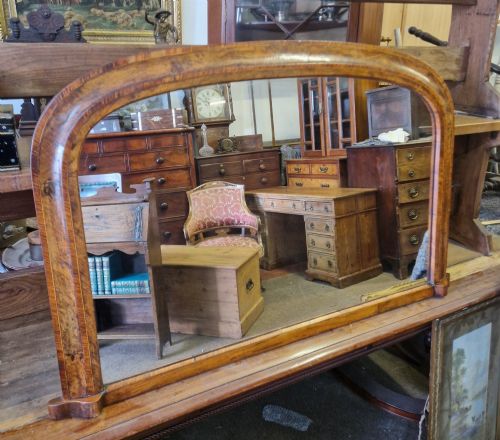
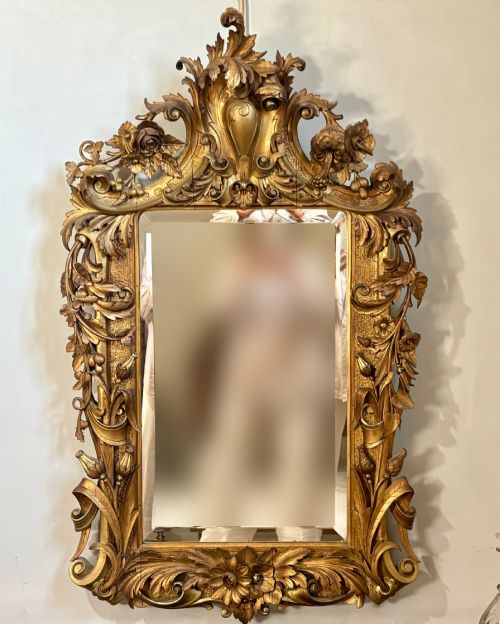
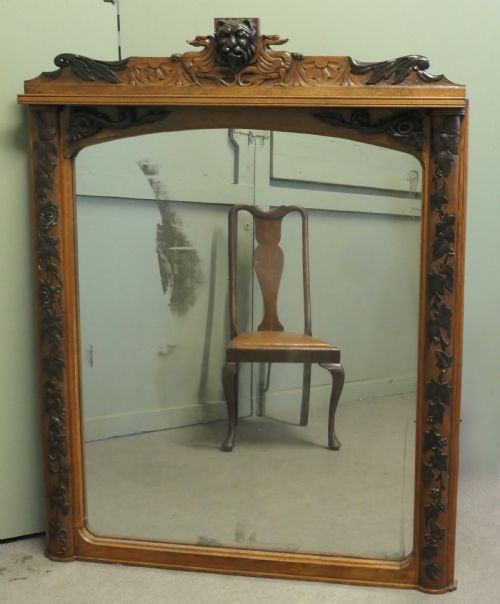
The selections on this page span substantial overmantels, arched gilt frames, and robust oak wall hangings, alongside tall dressing mirrors and mahogany ovals.
Most examples originate from the late nineteenth century through to the 1920s, reflecting a period when domestic interiors favoured grand proportions and reflective glass to maximise natural light.
How they were made
Craftsmen built the foundations of these frames using solid timbers such as oak, mahogany, walnut, and satinwood, often applying carved wooden details or shaped crests directly to the primary structure.
Giltwood and gesso pieces relied on intricate hand-applied mouldings over carved wood bases, subsequently covered in gold leaf or gilt finishes to achieve a bright, reflective surface.
Mirrors intended for principal reception rooms frequently incorporated heavy glass plates secured within rebated frames, whilst dressing and haberdashery variations utilised simpler backing construction.
What varies in quality
The depth and crispness of the wood carving distinguish standard production frames from superior pieces, where carvers spent hours undercutting foliage, cherubs, or classical motifs.
The purity of the gilt finish and the complexity of the gesso application dictate the visual weight of the frame, with better examples showing multi-layered preparation beneath the gold leaf.
The integrity of the original mirror glass plate, including its weight, bevelling, and silvering depth, separates standard utilitarian looking-glasses from grand architectural statements.
The Large Edwardian Wall Mirror Glossary
- Gesso
- A plaster-based mixture applied to wooden frame foundations to create a smooth surface for gilding or intricate low-relief moulding. This compound allowed makers to carve sharp decorative details before applying gold leaf.
- Overmantel mirror
- A large horizontal mirror designed specifically to sit on the chimney breast above a fireplace mantelpiece. These pieces often feature arched or shaped tops to mirror architectural openings.
- Giltwood
- Timber carved and subsequently covered with a thin layer of gold leaf or metallic paint. It requires careful handling to preserve the delicate metallic surface over decades.
- Pier mirror
- A tall, narrow mirror traditionally hung on the solid section of wall between two windows. They reflect light back into darker corners of Victorian and Edwardian rooms.
- Fretwork
- Openwork ornamentation cut into thin boards using a fretsaw or scroll saw, commonly seen on mahogany Edwardian frames. This technique created light, geometric patterns along the outer edges.
Large Edwardian Wall Mirror: Frequently Asked Questions
Where should I hang an overmantel mirror?
These large pieces sit naturally above a fireplace mantelpiece, anchoring the focal point of a reception room and reflecting the opposite side of the space. Positioning them at this height balances the proportions of high ceilings and draws ambient light downwards.
Alternatively, secure them firmly to a main drawing room wall without a fireplace to act as a principal architectural feature. Ensure the wall fixings engage directly with structural studs or masonry given the substantial weight of the timber and glass.
How do I identify an Edwardian mirror?
Edwardian pieces generally lean towards lighter timbers like satinwood and blonde oak, alongside restrained neoclassical or simpler fretwork designs. They often abandon the heavy, sombre tones typical of mid-Victorian dark walnut in favour of brighter domestic spaces.
Check for construction hallmarks such as machine-sawn backing boards and early twentieth-century framing techniques alongside traditional hand-carved crests. Many pieces from this era embrace cleaner lines while retaining high-quality gilt finishes.
Can I use a dressing mirror in a hallway?
Full-length floor and wall dressing mirrors fit narrow corridors or entrance halls exceptionally well by bouncing light into shadowy areas. Their vertical proportions elongate smaller spaces and offer a practical check before leaving the house.
Pairing a tall Edwardian or late nineteenth-century frame with a minimalist hall console creates a balanced entryway. Ensure the base has adequate floor support if used as a freestanding dressing glass rather than a wall-mounted fixture.