
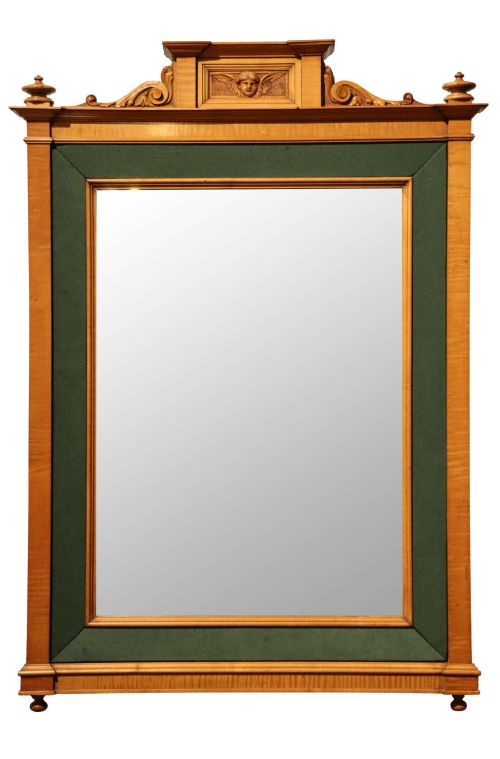
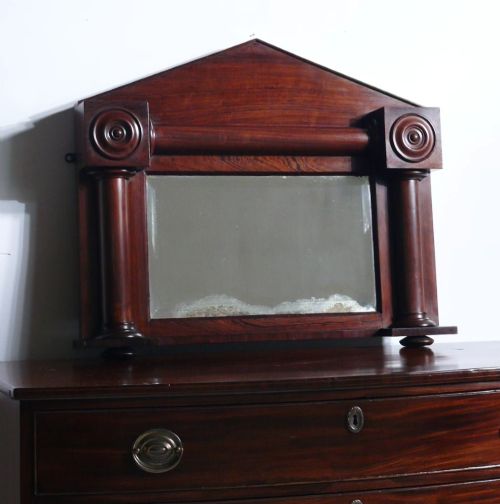
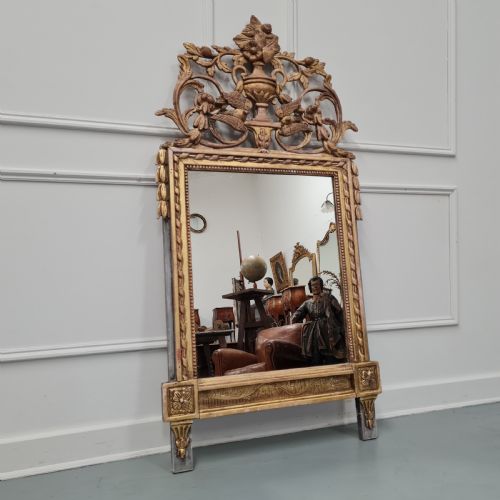


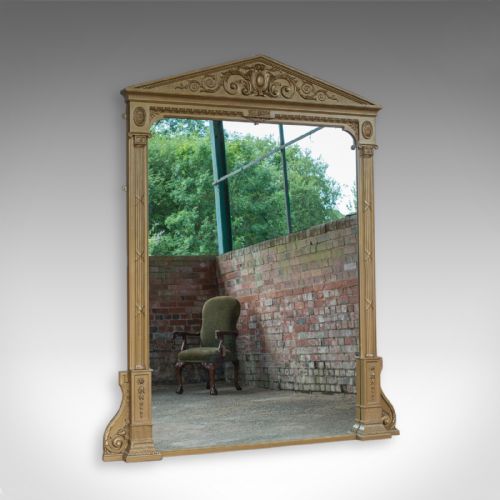


Classical Pediment Wall Mirror
A classical pediment wall mirror brings architectural proportion and light into a room, framed by historic design traditions.
Classical Pediment Wall Mirror
A classical pediment wall mirror centres on architectural symmetry, drawing inspiration from classical building facades and temple fronts. When you search for a classical pediment wall mirror, you encounter pieces spanning from the eighteenth century through the Edwardian era, with nineteenth-century examples appearing frequently.
The selections on this page encompass various forms, including overmantel mirrors, wall mirrors, and tabernacle frames. These pieces originate from different European and English traditions, showing influences from Neoclassical, Regency, Victorian, Edwardian, Biedermeier, and Italian Renaissance styles.
Materials and construction
Makers built these frames using substantial timbers such as rosewood, satinwood, burr walnut, and birchwood, sometimes applying giltwood or gesso finishes over the wooden base. Carved wooden elements and plaster details define the architectural pediments and crests characteristic of these mirrors.
Mirror glass and silvered surfaces sit within these heavy frames, occasionally accompanied by fabric panels or parcel gilt highlights. Traditional joinery and hand-carving techniques shaped the structural frames that support the weight of large overmantel and wall glass.
Materials recorded across the inventory include giltwood, gesso, rosewood, satinwood, burr walnut, birchwood, fabric, plaster, and mirror glass.
Assessing quality and execution
Quality in these mirrors rests upon the crispness of the carved architectural details and the depth of the timber grain. Finer examples display precise moulding on the pediment and well-executed gilding or polished wood surfaces.
The integration of the mirror glass within the heavy frame and the preservation of original plaster or gesso ornaments distinguish superior execution. Heavier overmantel mirrors rely on robust internal construction to support large sheets of glass safely.
The Classical Pediment Wall Mirror Glossary
- Pediment
- The triangular or segmental architectural feature placed above the main frame, derived from classical temple design.
- Giltwood
- Wood that has been coated with gold leaf or a gold-coloured metallic finish, common in formal decorative frames.
- Gesso
- A plaster-like mixture applied to wood frames to create a smooth surface for carving or gilding.
- Overmantel mirror
- A large mirror designed specifically to hang on the wall above a fireplace mantel.
- Tabernacle frame
- A frame styled like a classical shrine or altarpiece, featuring architectural columns and a pediment.
Classical Pediment Wall Mirror: Frequently Asked Questions
Where should I hang a classical pediment mirror?
These mirrors suit placement above a fireplace mantel, acting as a natural focal point in a reception room or drawing room. Their architectural framing also works effectively on a main living room wall where they can reflect light.
Ensure the wall structure supports the weight of heavier timber and plaster pieces, particularly larger overmantel formats. Secure fixings are essential for safe installation.
How do I identify the period of a mirror?
Examine the timber species, the style of the carving, and the construction methods used on the reverse of the frame. Neoclassical and Regency pieces often show distinct proportions compared to later Victorian or Edwardian interpretations.
The condition of the mirror glass and the composition of the gesso or plaster ornaments provide further clues to the manufacturing era.
Are these mirrors suitable for daily use?
These pieces function well in everyday domestic interiors, providing practical reflections while adding character to a room. Historic frames require gentle care and stable environmental conditions to preserve the wood and gilt finishes.
Positioning them away from direct moisture helps protect both the wooden frames and the silvered backing of the mirror glass.
What styles are included in this category?
The selection includes Neoclassical, Regency, Victorian, Edwardian, Biedermeier, and Italian Renaissance styles. Each style brings different regional interpretations of classical architectural motifs to the frame design.
From restrained birchwood Biedermeier pieces to ornate giltwood overmantels, the variety reflects distinct historical periods of European craftsmanship.