

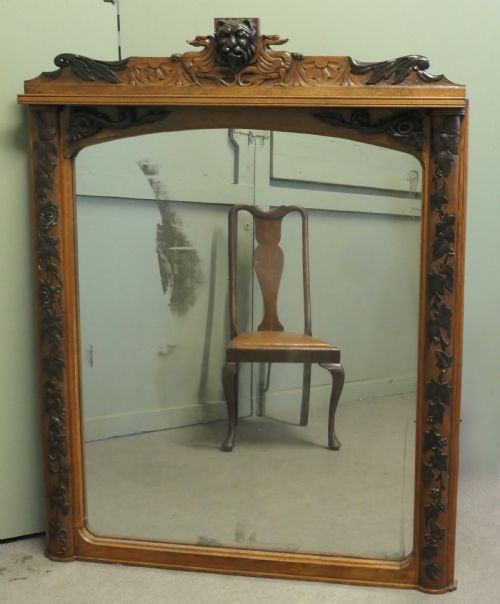
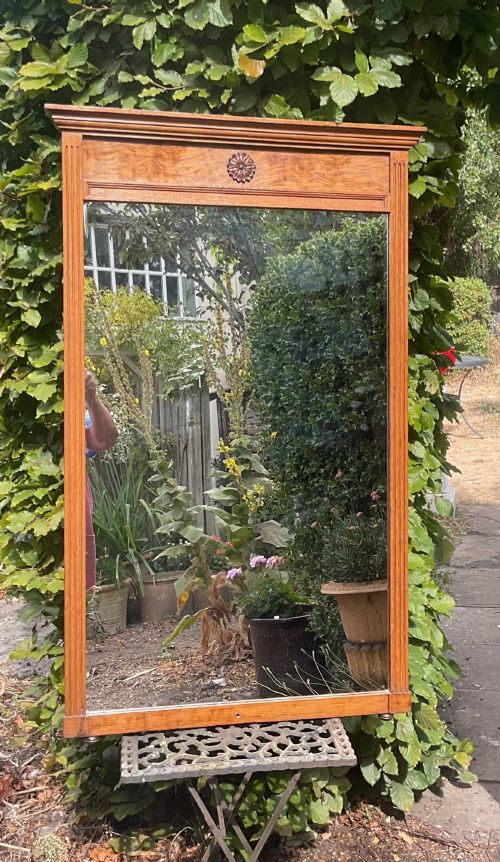
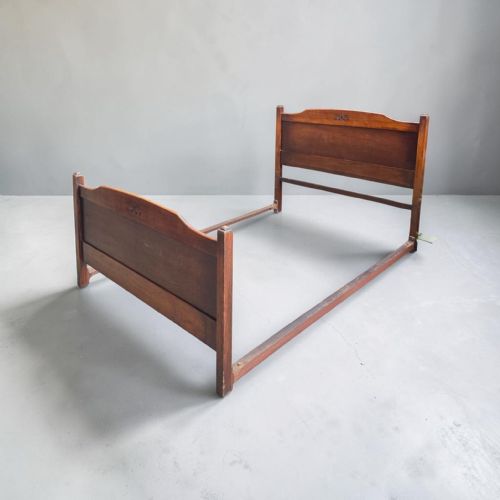


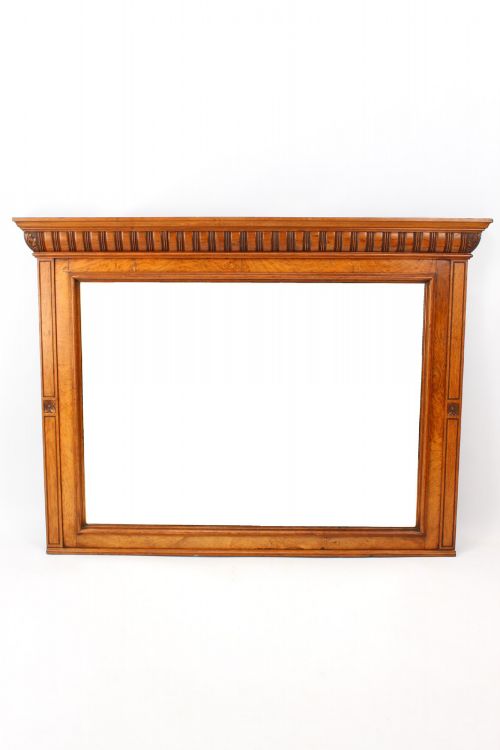
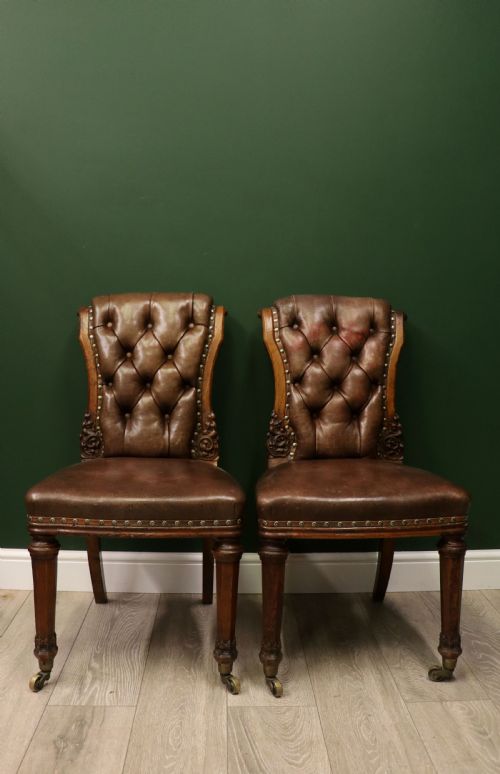
Edwardian Carved Oak Frame
When you handle an edwardian carved oak frame, you hold domestic woodwork built for weight and longevity, shaped by regional carvers.
Edwardian Carved Oak Frame
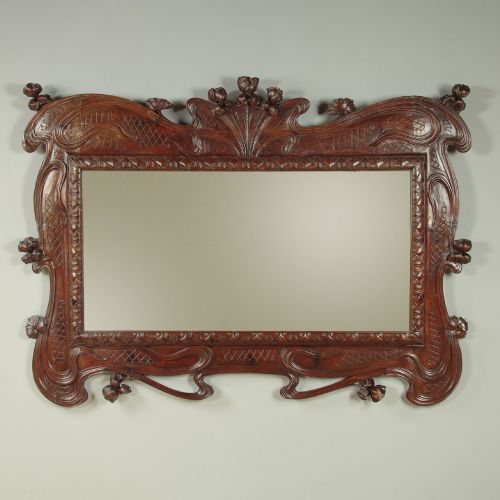
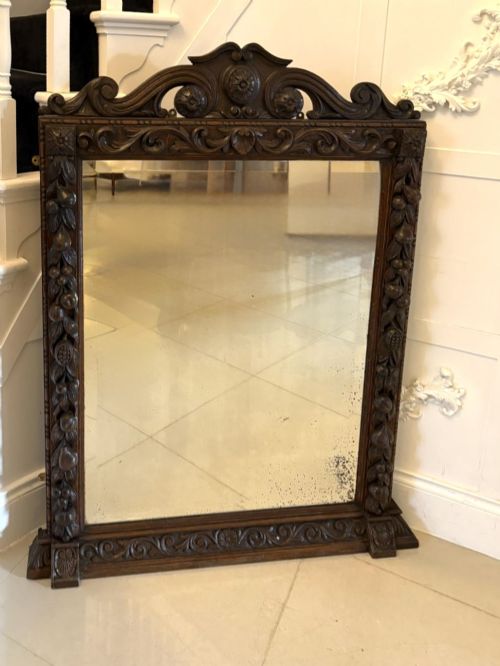
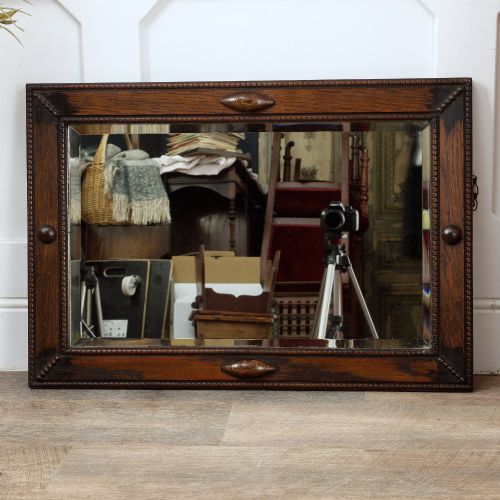
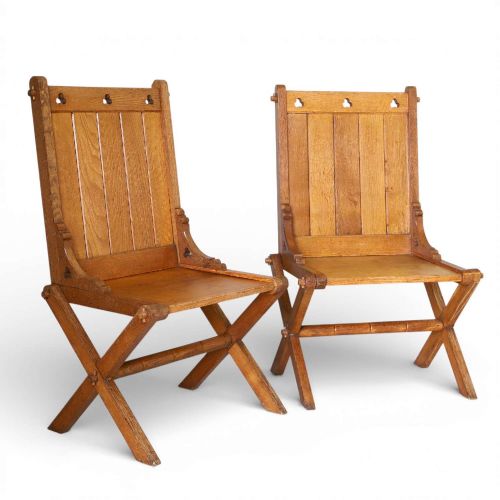
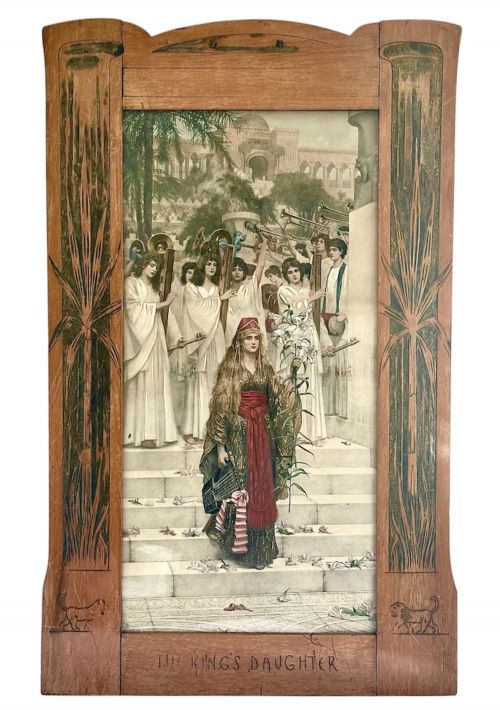
An edwardian carved oak frame brings substantial domestic timber into the home, frequently taking the form of a wall mirror, overmantel mirror, or structural support for seating and wall art. These pieces rely on the period penchant for visible grain and deep relief, channelling earlier Jacobean and Gothic revivals into everyday furnishings.
You meet mirrors and structural frames most often on this page, spanning the Edwardian decades alongside related Victorian and early twentieth-century examples. The woodwork often combines solid oak with brass fittings, gesso detailing, or inset glass, creating practical items designed to anchor a room's decor.
How they were made
Cabinet makers worked seasoned oak using hand chisels and planes to achieve deep relief carving, mitring structural corners with traditional joinery before applying wax or polish. Gesso was frequently applied to specific moulding sections to build up crisp decorative profiles prior to gilding or finishing.
Fittings such as brass hinges, brackets, and hanging loops were screwed directly into the heavy timber backs, supporting the considerable combined weight of the oak and glass. Paper backs or leather elements occasionally lined the reverse of panels and frames, securing mirrors and prints safely within the housing.
Several mirrors spent a century watching cold Edwardian hallway drafts before finally finding someone willing to polish their brass.
What varies in quality
The crispness of the hand-carved detail separates standard production from superior output, where carvers undercut the foliage and geometric motifs rather than relying on shallow machine stamping. Select examples display balanced proportions and tight mitre joints that remain flush across seasonal changes in humidity.
The selection of the oak timber itself dictates the visual depth, with quarter-sawn boards exhibiting prominent medullary rays that catch the light far better than plain-sawn planks. Heavier timber gauge and original brass hardware further elevate a piece above simpler utilitarian equivalents.
Rowley Gallery·Waring and Gillow
The Edwardian Carved Oak Frame Glossary
- Gesso
- A plaster-like mixture applied to wood surfaces to create a smooth base for moulding or gilding. It allows for sharp decorative details that timber alone struggles to retain.
- Overmantel mirror
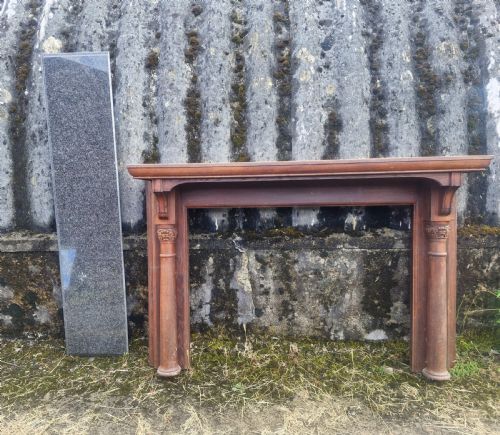
- A large looking glass designed to hang directly above a fireplace mantelpiece. These pieces often feature wide frames incorporating heavy carved oak moulding.
- Gothic Revival
- An architectural and decorative style drawing on medieval forms, featuring pointed arches and trefoil motifs. It experienced a strong resurgence during the nineteenth and early twentieth centuries.
- Cheval mirror
- A full-length looking glass hung in a frame that allows it to swing at an angle. They typically stand on four supportive legs or feet.
- Medullary rays
- Natural ribbon-like flecks visible in quarter-sawn oak timber. Collectors prize this figuration for its distinct patterned appearance.
Edwardian Carved Oak Frame: Frequently Asked Questions
How do I hang a heavy oak frame safely?
Heavy oak frames require robust wall fixings secured directly into masonry or wall studs rather than relying on standard plaster plugs. Utilising heavy-duty brass wire or mirror plates distributed across two points ensures the weight is shared evenly.
Check that the original hanging loops screwed into the timber back remain firmly anchored before mounting. Older fixings can weaken over time and benefit from careful reinforcement.
How should I clean carved oak woodwork?
Dust the carved recesses regularly using a soft-bristled brush to prevent grime from accumulating in the deep relief work. Apply a quality beeswax sparingly with a soft cloth, buffing gently to maintain the natural sheen of the timber.
Avoid modern liquid polishes containing silicones, as these build up dull residues inside the carved grain. Simple natural wax preserves the historic patina without damaging the finish.
How do I distinguish Edwardian oak from Victorian oak?
Edwardian oak pieces generally exhibit a lighter, blonder tone compared to the darker, heavier finishes typical of mid-nineteenth-century Victorian furniture. Carving styles shifted from dense, sombre Gothic revivals toward slightly airier Arts and Crafts or simplified classical motifs.
Examine the construction methods and secondary woods used on the reverse, as Edwardian workshops adopted more mechanised preparation while retaining hand-finishing for visible decorative surfaces.
Were these frames always used for mirrors?
Many frames served multiple domestic purposes, housing wall art, photographic prints, or serving as architectural overmantels above fireplaces. Some were engineered specifically to hold dinner gongs or support dressing glass.
Versatility was a hallmark of the period, allowing workshops to adapt standard frame mouldings for diverse household functions ranging from hallway mirrors to display easels.