
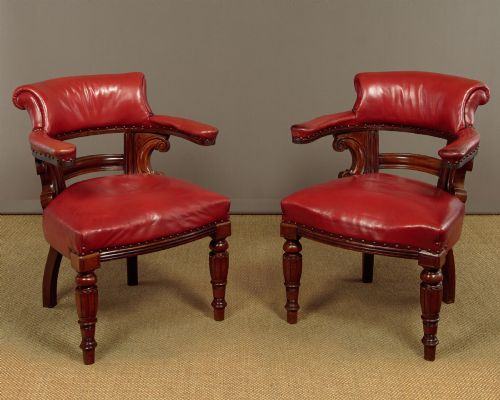
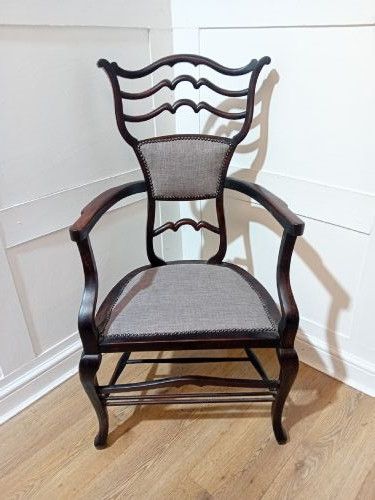
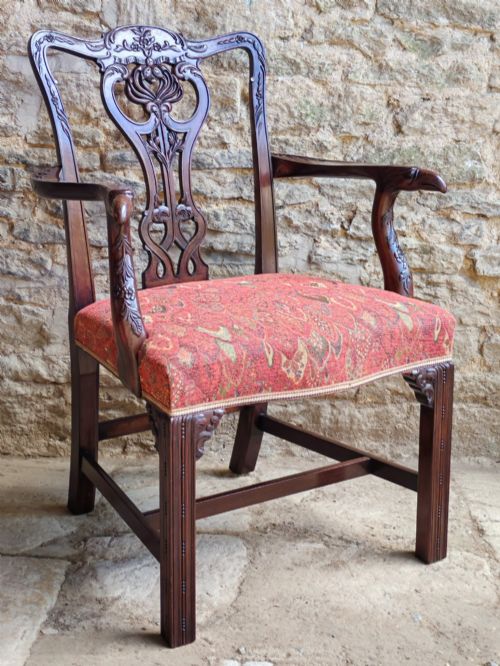

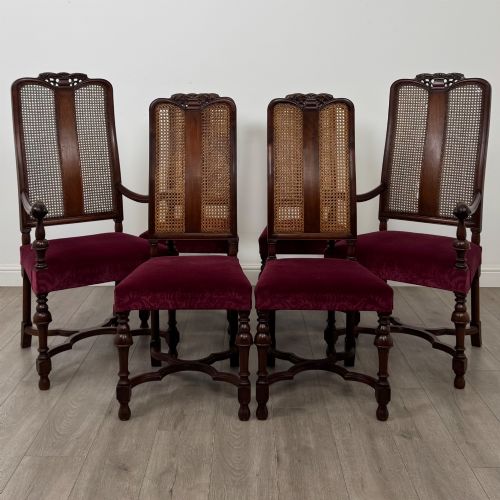
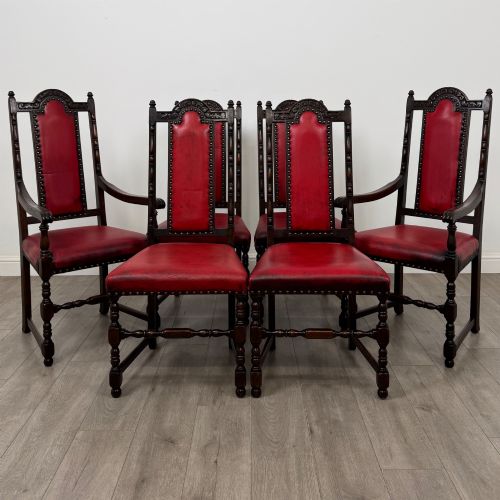
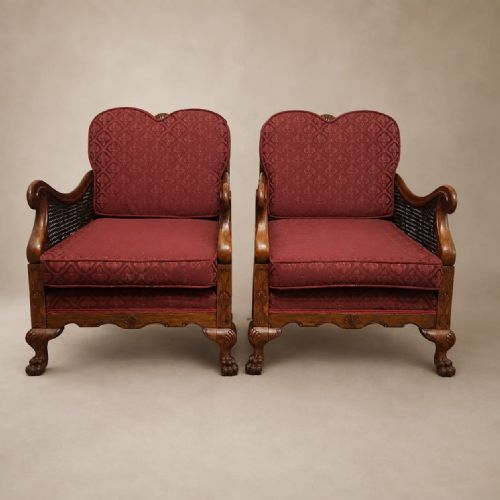
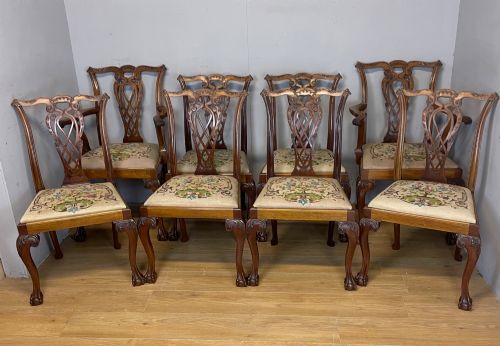
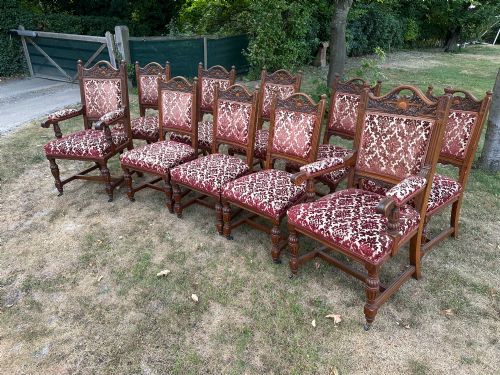
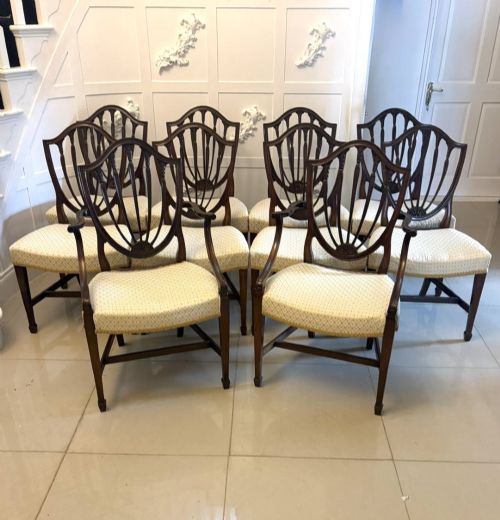
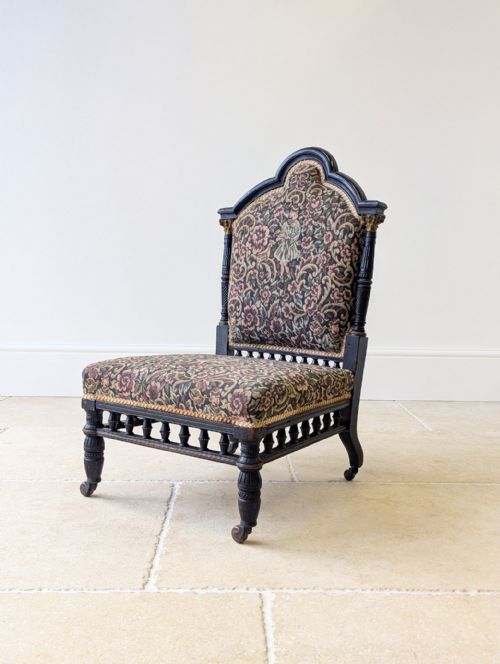
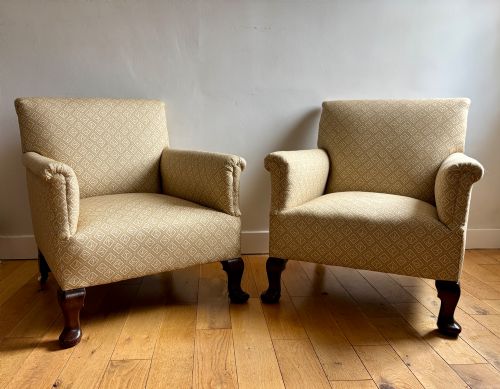
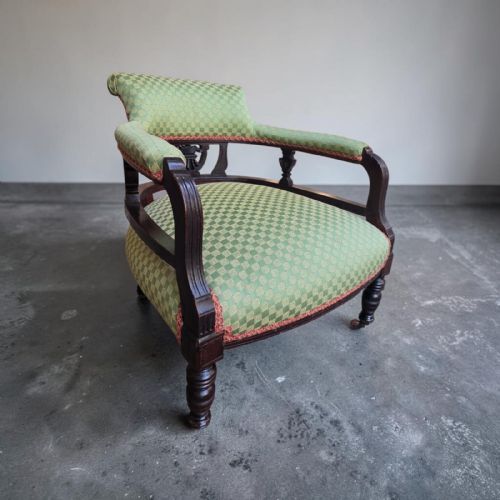
Edwardian Carved Armchairs
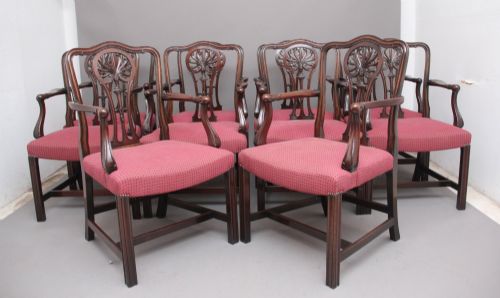
Edwardian carved armchairs are substantial timber seating pieces designed for comfort and reception rooms, offering robust frames and period ornamentation.
What They Are
Edwardian carved armchairs encompass robust seating forms originating primarily around nineteen hundred to nineteen ten, combining period timber construction with decorative carving. These pieces serve as functional drawing room and fireside furniture, often surviving in matched pairs.
How They Were Made
Craftsmen built these armchairs using solid hardwoods such as mahogany, walnut, and oak, often shaping the timber into supportive frames. Secondary materials such as cane, brass, and metal appear alongside traditional upholstery and velvet fabrics.
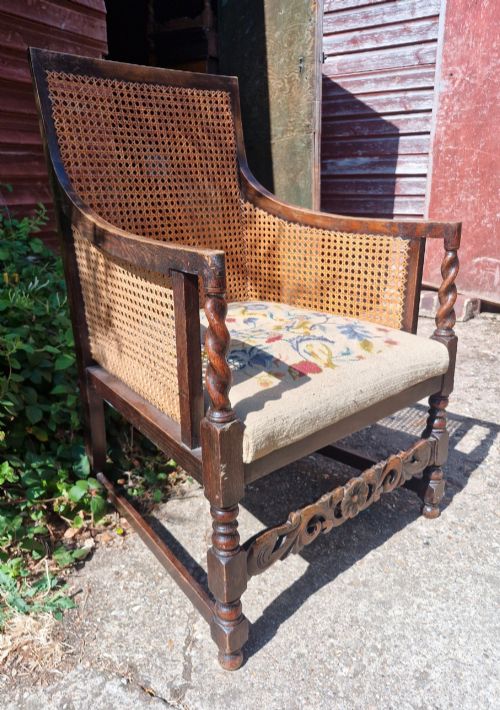
Joinery and hand carving define the surface detail, with workshops employing revival styles including Renaissance and Jacobean motifs on the structural woodwork. Caning techniques and deep upholstery complete the construction of bergere and salon variants.
Retail Price Guide 2026
Typical UK retail prices for edwardian carved armchairs, calculated from the Sellingantiques database of over a million retail prices indexed since 2003. This retail price guide relies exclusively on Sellingantiques data; no external sources or auction records are used, so the figures do not describe the wider market.
Some chairs sport carved angel arm terminals, providing divine support for tired elbows.
What Varies in Quality
Distinctions in quality arise from the crispness of the timber carving and the selection of primary hardwoods like walnut and mahogany over simpler oak frames. The integration of specialised elements such as double caning or detailed arm terminals elevates certain examples.
Proportion and structural integrity separate standard production from superior pieces, particularly in matched pairs where symmetry and retained original show-wood enhance the overall character.
The Edwardian Carved Armchairs Glossary
- Bergere
- An enclosed upholstered armchair with a wooden frame, frequently featuring cane panels on the back and sides. This French-inspired form gained popularity for light drawing room use.
- Tub armchair
- A comfortable seat with a rounded backrest that curves continuously into the arms. The design envelops the sitter and often incorporates exposed show-wood frames.
- Salon armchair
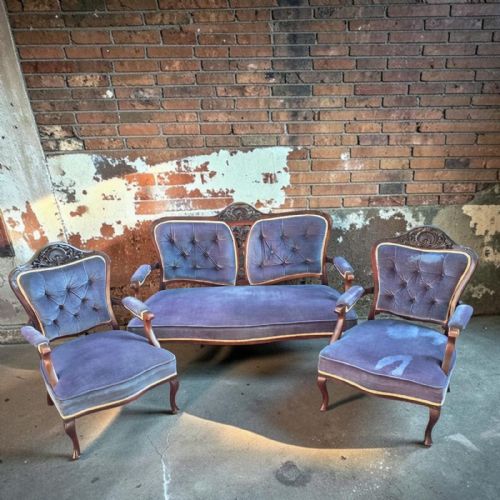
- A decorative seating piece intended for formal reception rooms rather than heavy fireside relaxation. These typically feature lighter timber frames and ornate carved details.
- Carver
- A traditional term for an armchair, often larger and more imposing than the matching dining or side chairs. In this context, it denotes a substantial timber frame with armrests.
- Show-wood
- The exposed polished timber portions of an upholstered armchair that remain visible around the cushions and fabric. It displays the grain and carved ornamentation of the wood.
Frequently Asked Questions
Where were edwardian carved armchairs used?
These armchairs sat primarily in formal reception spaces, drawing rooms, and studies of period homes. They provided comfortable seating for fireside rest and social gatherings.
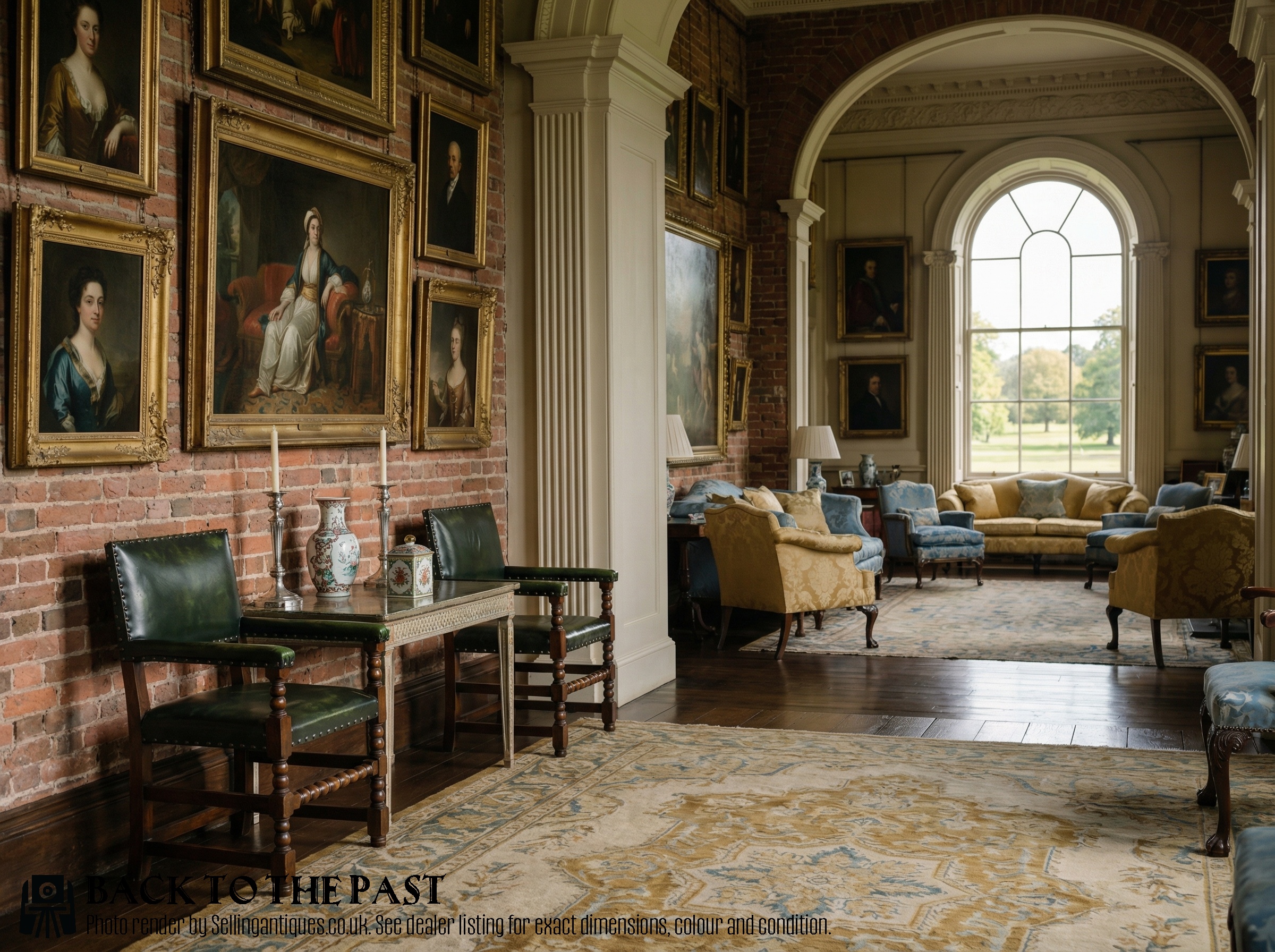
Pairs were frequently arranged around fireplaces or conversational groupings within larger rooms.
How do I identify edwardian armchairs?
Identification relies on the combination of early twentieth-century timber construction, revival carving styles, and traditional upholstery fabrics. Examining the wood grain and frame proportions helps confirm the era.
Many examples feature distinct Renaissance or Jacobean revival motifs carved directly into the mahogany, walnut, or oak frames.
Are these armchairs sold as pairs?
The available selection heavily comprises matched pairs designed for symmetrical placement within a room. These pairs share identical timber types, carving patterns, and proportions.
Finding matching pairs ensures a balanced aesthetic when placing them opposite each other in a reception space.
What woods were used in these chairs?
Cabinetmakers utilised a variety of domestic and imported hardwoods, most notably mahogany, walnut, and oak. The choice of timber often dictated the style and depth of the carved ornamentation.
Secondary materials such as cane and brass occasionally appeared alongside the primary timber frames to add textural contrast.