


Edwardian Cane Holder
An edwardian cane holder keeps hallway floors dry while anchoring your entryway with sturdy brass or timber craftsmanship.
Edwardian Cane Holder
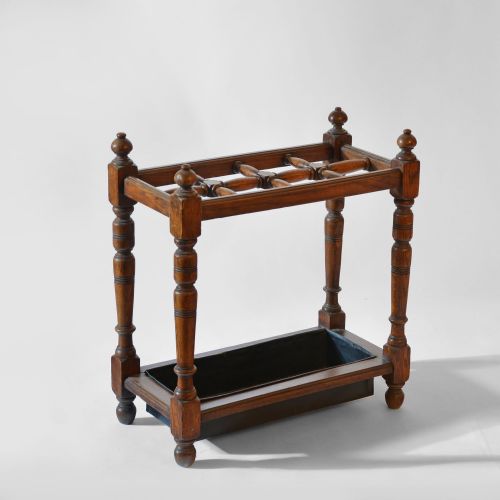
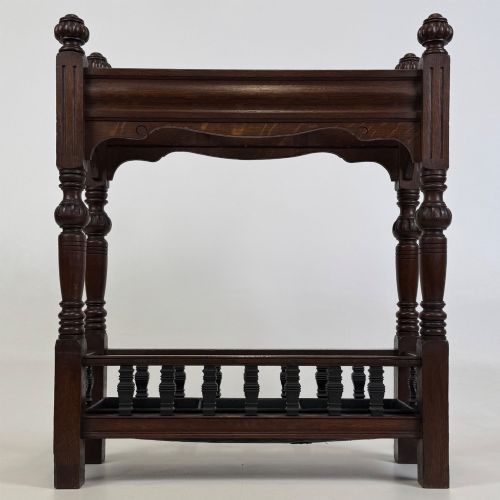
When searching for an edwardian cane holder, buyers encounter practical hall furnishings designed to store walking sticks, canes and umbrellas. These hall pieces emerge primarily from the Edwardian and Victorian eras, extending into the early twentieth century.
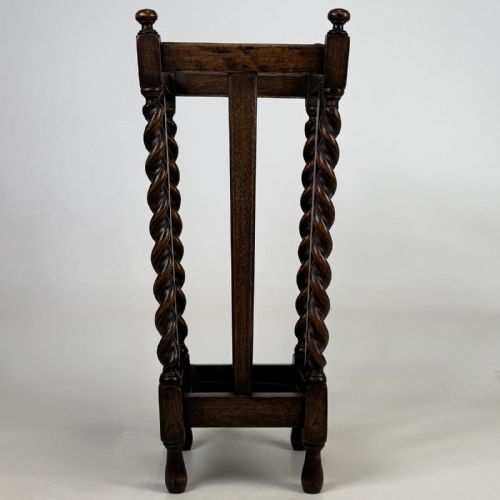
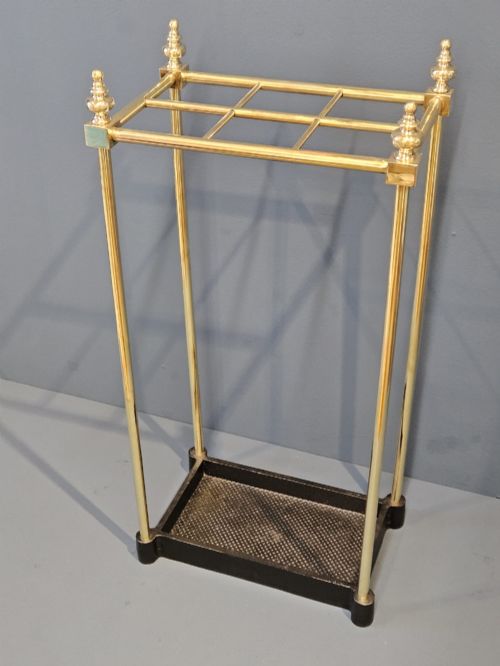
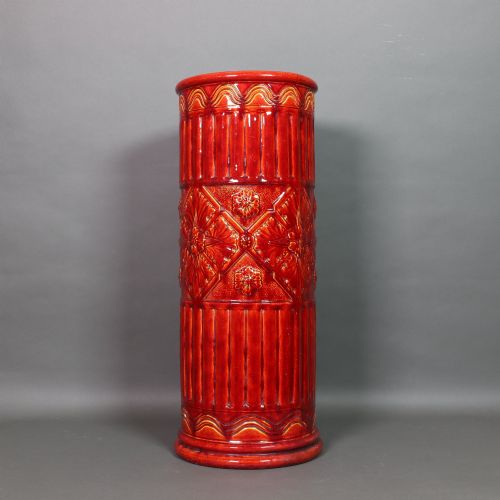
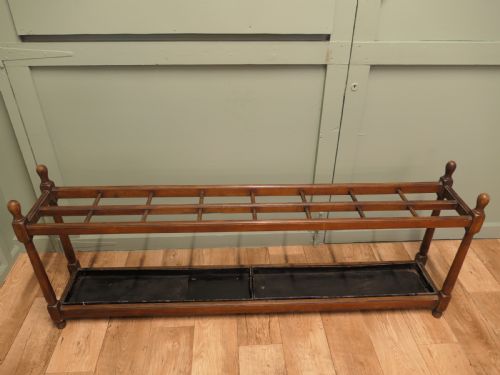
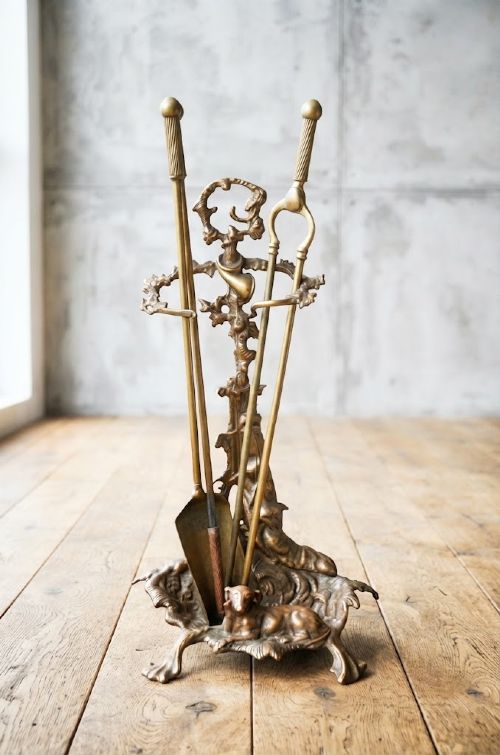
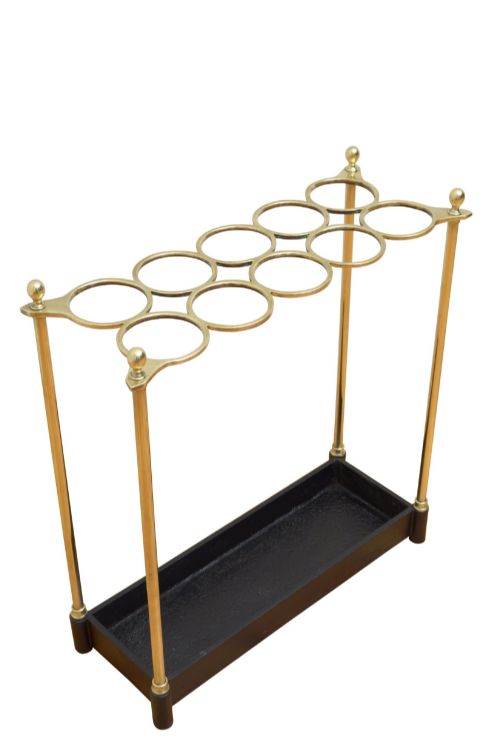
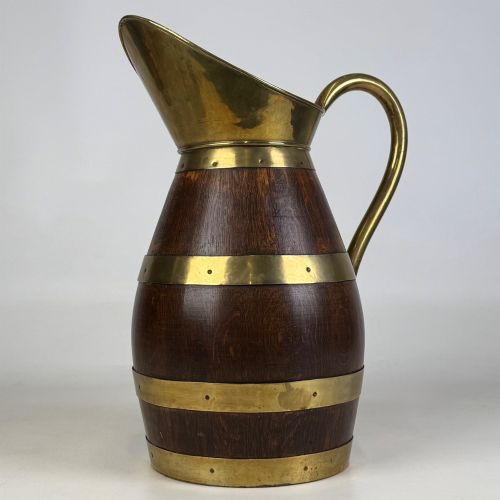
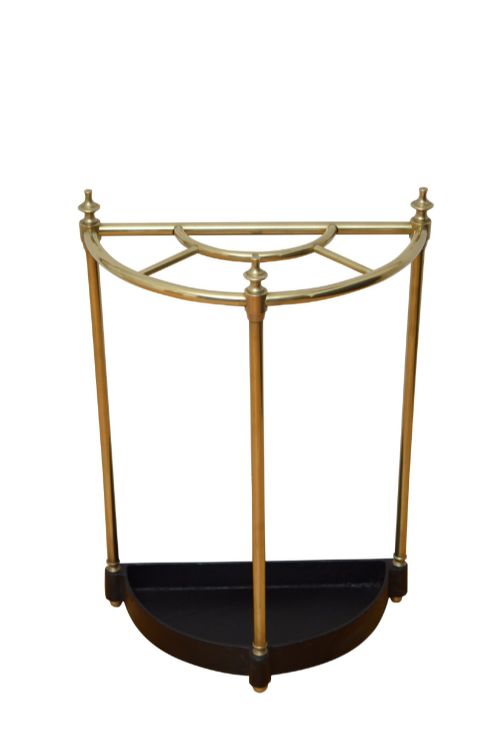
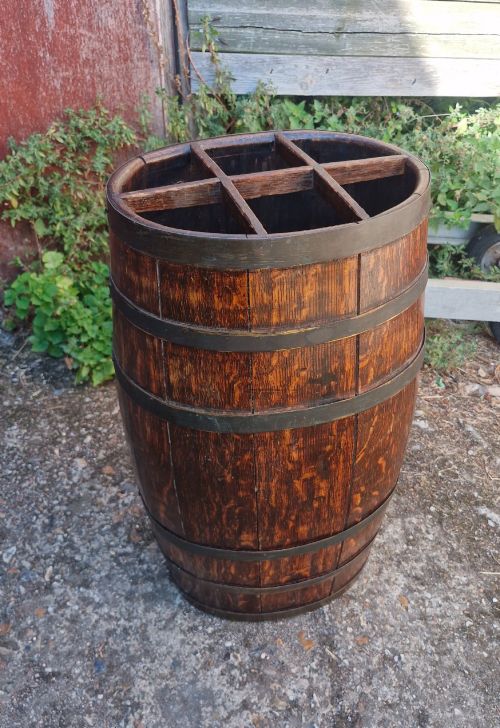
The selections on this page span several practical forms including demi-lune shapes, barrel designs, corner stands and traditional umbrella racks. Oak and brass dominate the offerings, frequently incorporating cast iron elements and original metal drip trays.
Materials and construction methods
Wood construction relies heavily on solid oak and mahogany, often shaped into barrels, panelled frames or display racks. Artisans bound these wooden bodies with brass or metal bands to ensure durability against daily moisture.
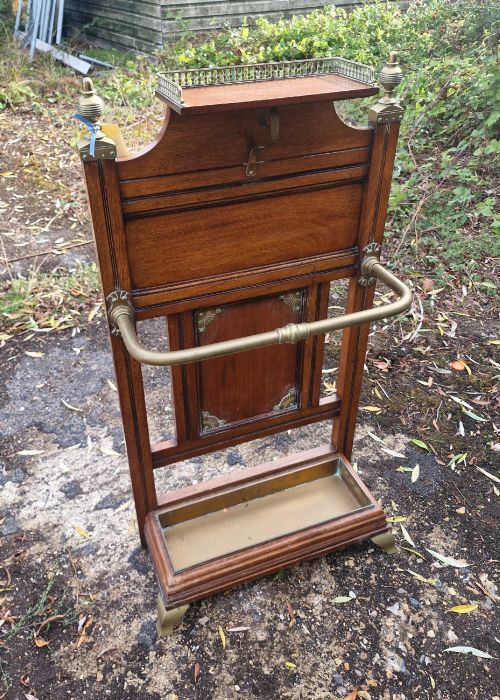
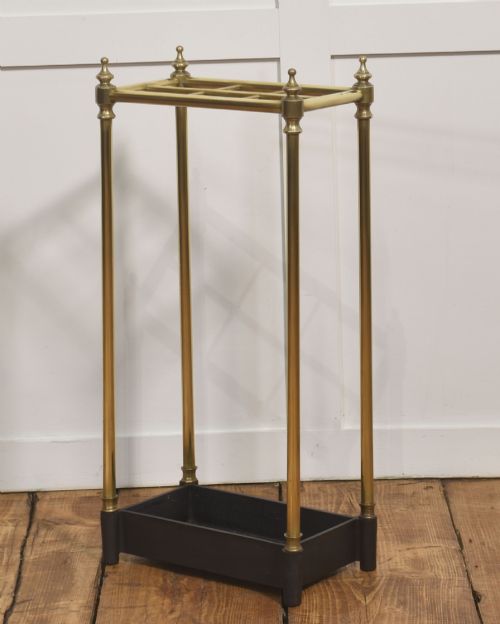
Metal examples utilise cast iron, brass, copper and steel, sometimes cast with decorative ball finials, bun feet or hunting scenes. Many models integrate removable zinc or metal drip trays to catch water from wet umbrellas.
Edwardian Cane Holder Retail Price Guide 2026
Typical asking prices for edwardian cane holder among the pieces listed under this phrase on Sellingantiques today, from the lower quarter to the upper quarter. They describe what is for sale here now, not the wider market.
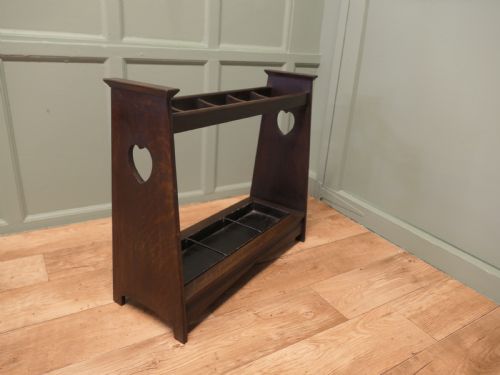
Listings combine golden oak timbers with cast iron and brass, reflecting Arts and Crafts and Aesthetic Movement design influences.
Assessing quality in hall stands
Quality rests upon the integrity of the materials and the retention of original components such as metal drip trays and bun feet. Pieces that retain their structural soundness without heavy timber warping or corroded metal demonstrate superior heritage.
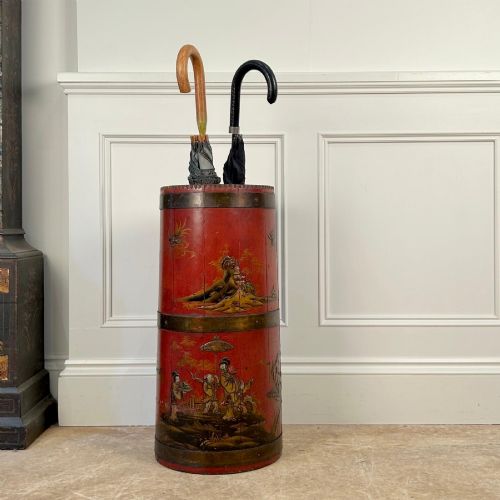
Design complexity further separates standard utility pieces from finer examples. Subtle decorative touches like Chinoiserie finishes, Japanned surfaces, decorative ball finials or Liberty and Heals design associations elevate the craftsmanship.
Liberty Design·Heals of London
The Edwardian Cane Holder Glossary
- Demi-lune
- A half-moon shape designed to sit flush against a hallway wall. This profile saves floor space in narrow corridors.
- Drip tray
- A removable metal basin positioned at the base of a stand. It catches water runoff from wet umbrellas to protect flooring.
- Japanned
- A European imitation of East Asian lacquerwork used on furniture surfaces. It provides a glossy dark finish with decorative motifs.
- Finial
- A decorative crowning ornament attached to the top of a post or frame. Brass ball versions appear frequently on metal stands.
Edwardian Cane Holder: Frequently Asked Questions
Why do these stands have metal trays?
The metal or zinc trays sit at the base to catch water dripping from wet umbrellas and walking sticks. This protects wooden floors and hallway carpets from moisture damage.
Finding a stand with its original drip tray adds considerably to its completeness.
How do I distinguish oak from mahogany stands?
Oak displays a prominent, open grain pattern with visible growth rings and medullary rays. It often appears in golden tones or Arts and Crafts designs.
Mahogany offers a denser, finer grain with a deeper reddish-brown colour typical of Victorian hallway furniture.
Where were these placed in a home?
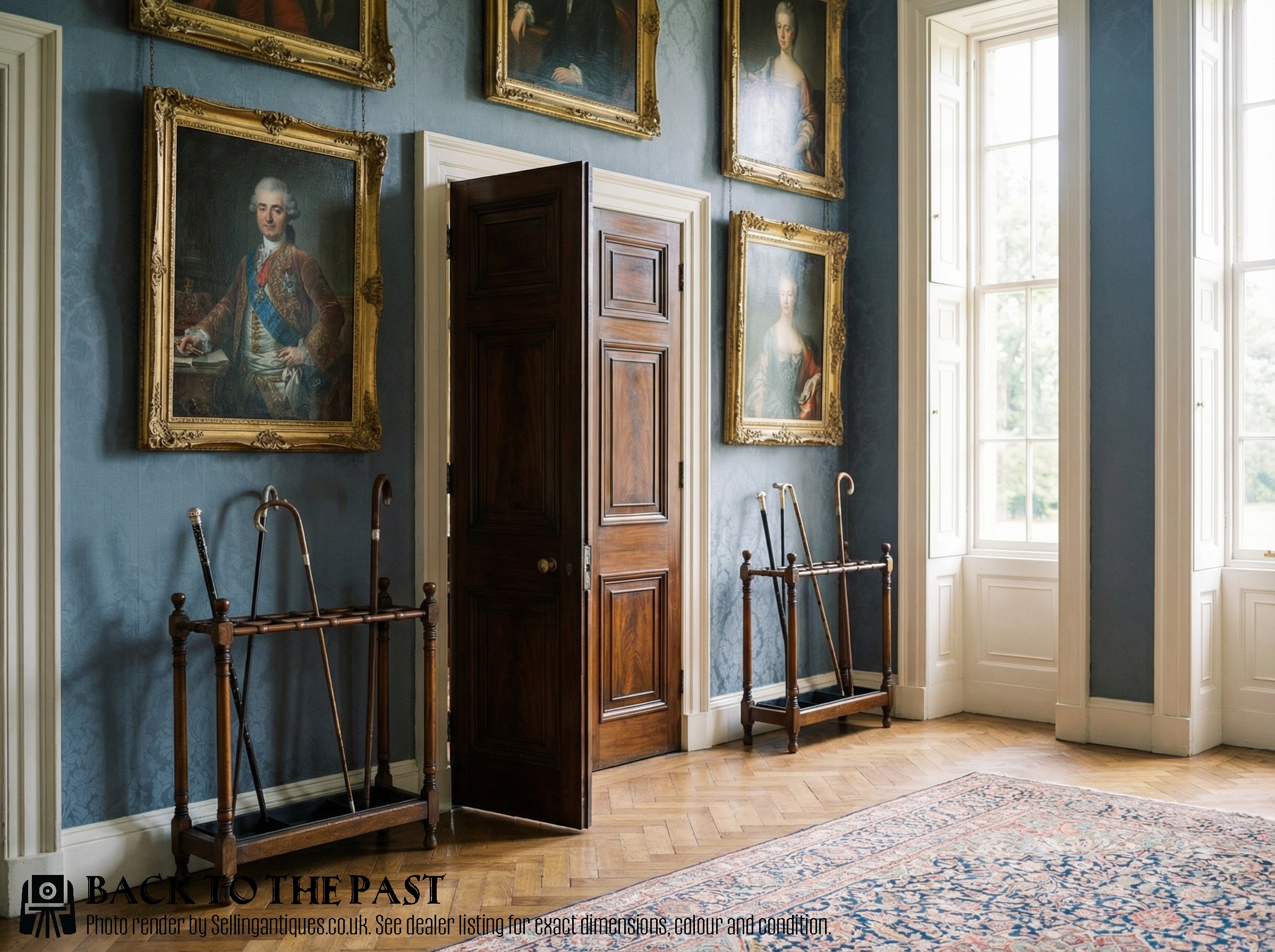
These holders stood in entrance halls, boot rooms and vestibules near the main front door. They provided guests and residents with a designated spot for walking sticks and wet umbrellas.
Their placement ensured that hallway floors remained dry and tidy.