




Dark Wood Cane Holder
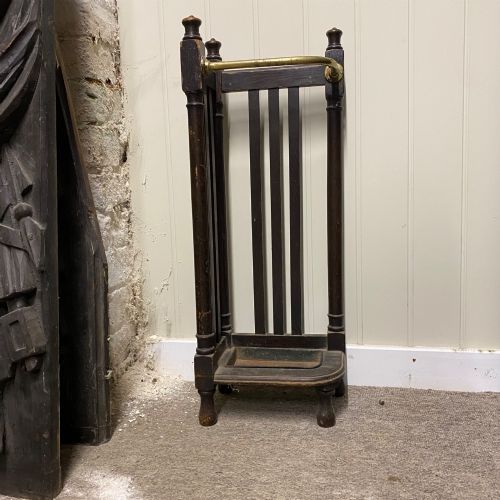
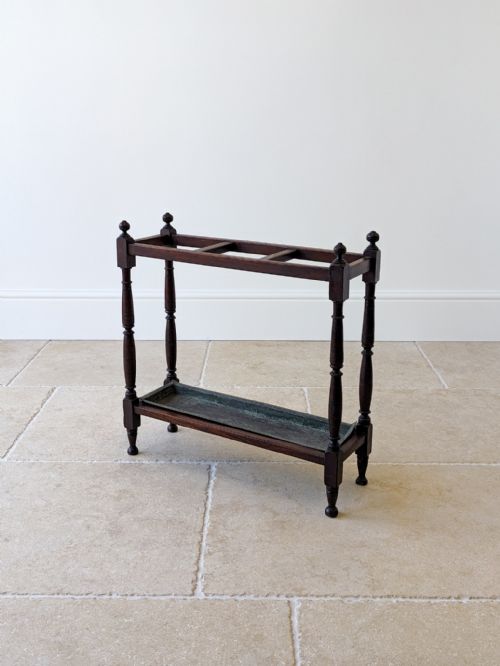
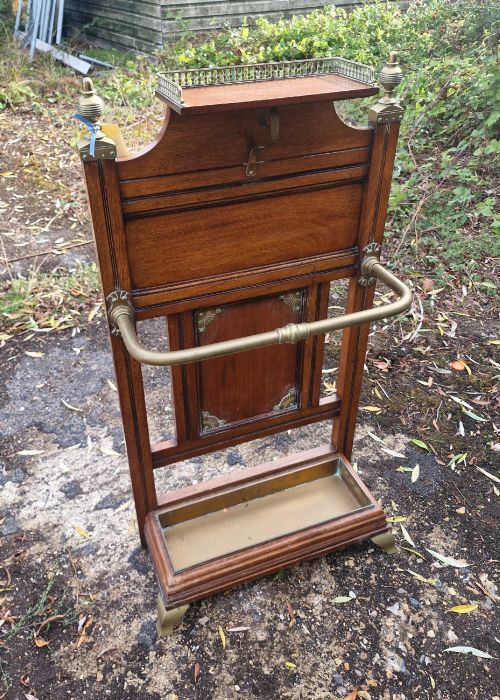
These dark wood cane holder examples provide robust storage for walking sticks and umbrellas in a hallway.
Dark Wood Cane Holder
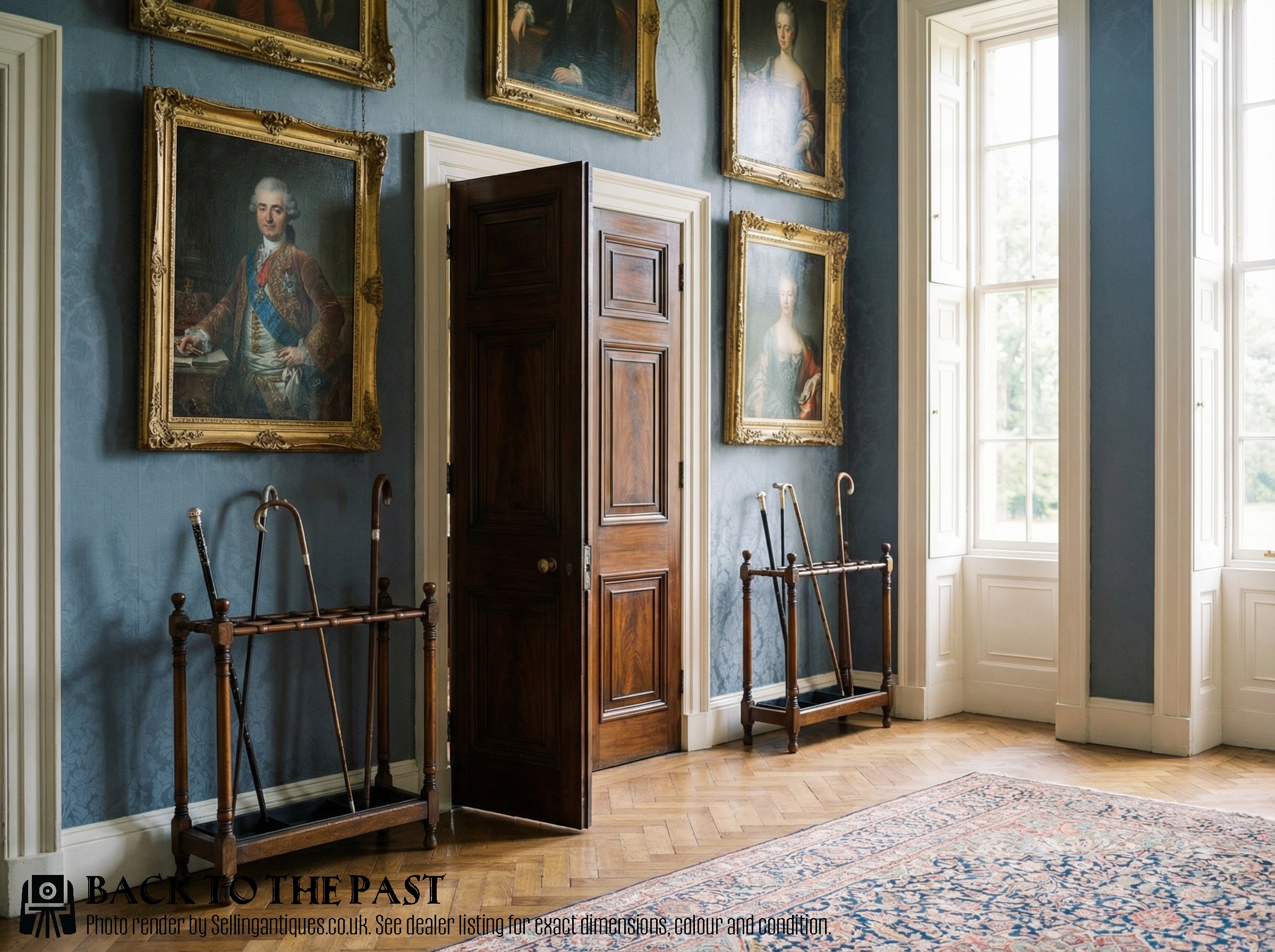
A dark wood cane holder serves as a practical hall piece designed to organise walking sticks, canes and umbrellas. Buyers seeking a dark wood cane holder encounter various forms including umbrella stands, stick stands and combined hall stands.
Examples range from simple turned oak designs to elaborate Black Forest carved bear figures holding receptacles. Most options date from the nineteenth century up to nineteen hundred, suiting traditional entrance halls.
How they were made
Cabinet makers utilised dense hardwoods such as mahogany, oak and walnut to build sturdy frames capable of withstanding heavy daily use. Turning, joinery and detailed hand carving shaped the timbers into cylindrical holders and panelled hall furniture.
Metal components like brass mounts, cast iron liners and drip pans were integrated to protect the wooden bases from moisture. Carved lindenwood appears in figural Black Forest pieces, showing intricate naturalistic detail.
Dark Wood Cane Holder Retail Price Guide 2026
Typical asking prices for dark wood cane holder among the pieces listed under this phrase on Sellingantiques today, from the lower quarter to the upper quarter. They describe what is for sale here now, not the wider market.
Carved wooden bears double as trustworthy but slightly stern valets for your wet umbrellas.
What varies in quality
Construction methods and timber selection establish the standing of each piece, distinguishing simple utility items from ambitious cabinet work. Dense grain figured mahogany and richly carved walnut demonstrate superior material choice compared to plain utilitarian timber.
The depth and precision of hand carving define sculptural pieces, particularly in Black Forest bear stands where anatomical accuracy matters. Original metal drip pans and robust structural joints maintain the integrity of the piece.
Shoolbred
The Dark Wood Cane Holder Glossary
- Black Forest
- A nineteenth century style of wood carving originating from the German region, typically featuring bears and forest fauna. These pieces utilise carved lindenwood and dark timber.
- Arts and Crafts
- A design movement prioritising traditional craftsmanship and simple forms over mass production. Pieces from this aesthetic often display exposed construction in oak.
- Jacobean Revival
- A nineteenth century revival style borrowing heavy turned elements and dark wood finishes from the seventeenth century. Such details appear on robust hall stands.
- Bergere
- A type of woven cane panelling used for decorative inserts on furniture panels. It occasionally appears on the sides of large country house stands.
- Barley twist
- A decorative turning technique resembling a twisted rope column. This pattern frequently decorates the upright supports of wooden stick stands.
Dark Wood Cane Holder: Frequently Asked Questions
Where should I place a stick stand?
These pieces belong in a hallway or entrance lobby where household members and visitors deposit outdoor gear.
Positioning the holder near the main entrance protects flooring by catching rainwater from wet umbrellas.
How do I protect the wood from damp umbrellas?
Most stands include a metal liner or drip tray at the base to catch moisture from wet items.
Emptying and drying these metal receptacles regularly prevents water damage to the surrounding timber.
What is a Black Forest stick stand?
These are nineteenth century carved wooden pieces, often depicting bears holding receptacles for walking sticks.
Carved from dark woods like lindenwood, they serve as both sculptural hall art and practical storage.
How do I distinguish Victorian from Edwardian stands?
Victorian pieces generally display heavier dark timbers, ornate carvings and more substantial proportions.
Edwardian examples tend towards lighter mahogany construction and cleaner Arts and Crafts inspired lines.