
Edwardian Burr Walnut Table
An edwardian burr walnut table brings striking grain patterns and warm domestic utility into a room.

Edwardian Burr Walnut Table
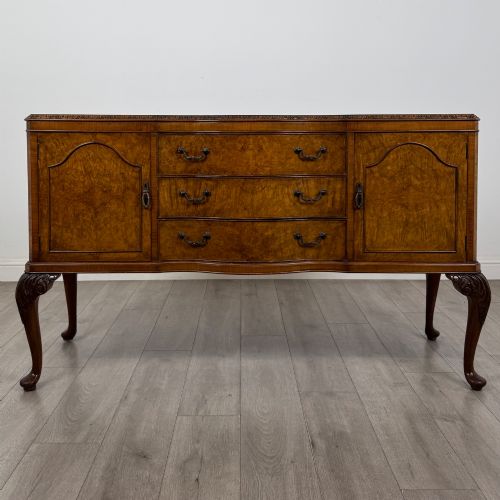
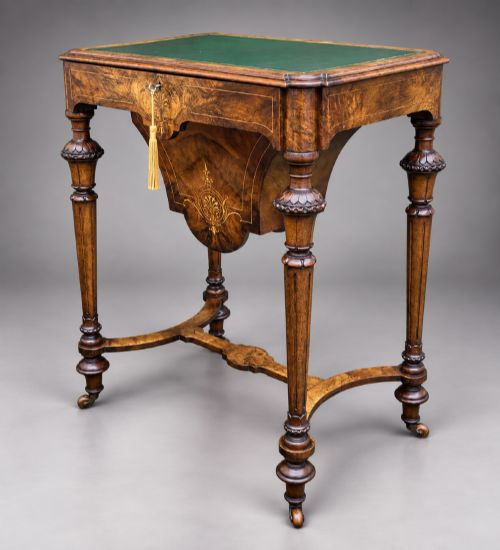
When searching for an edwardian burr walnut table, buyers encounter a diverse range of domestic furniture created during the early twentieth century and surrounding decades. The inventory shows frequent examples of occasional tables, writing desks, and nesting tables designed for versatile placement within reception rooms and studies.
Materials and Construction
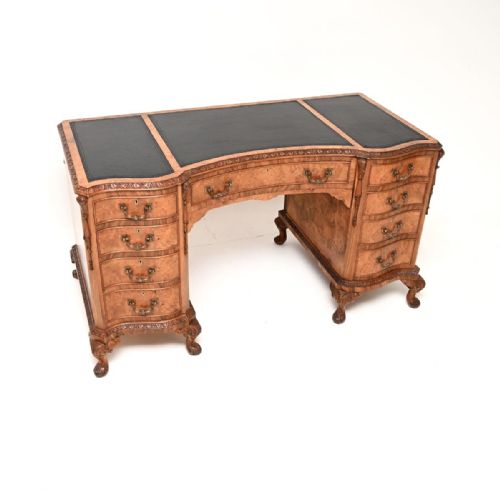
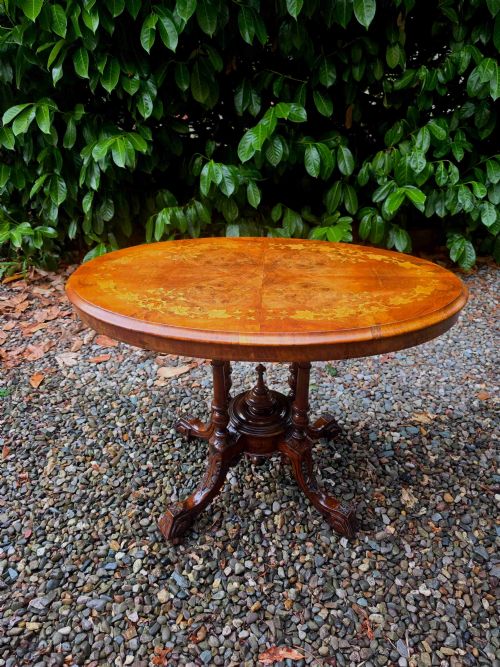
Cabinetmakers utilised burr walnut veneers sliced from the mottled growths of the walnut tree, applying these highly figured sheets over solid walnut or secondary timbers to create rich, swirling surface patterns. Subsidiary materials such as brass handles, leather writing inserts, and occasional ormolu mounts added functional contrast and decorative refinement.
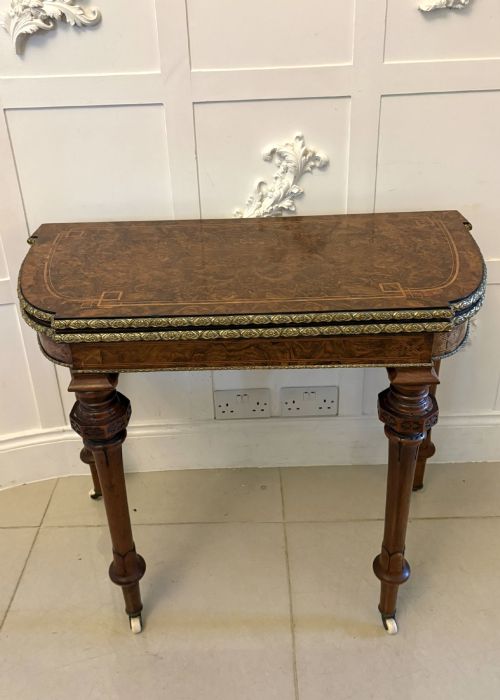
Construction techniques relied on sturdy joinery to support heavy timber tops, particularly evident in extending dining tables, pedestal desks, and games tables featuring complex folding mechanisms. The careful matching of veneer leaves across table surfaces demonstrates the precision required by period artisans.
Edwardian Burr Walnut Table Retail Price Guide 2026
Typical asking prices for edwardian burr walnut table among the pieces listed under this phrase on Sellingantiques today, from the lower quarter to the upper quarter. They describe what is for sale here now, not the wider market.
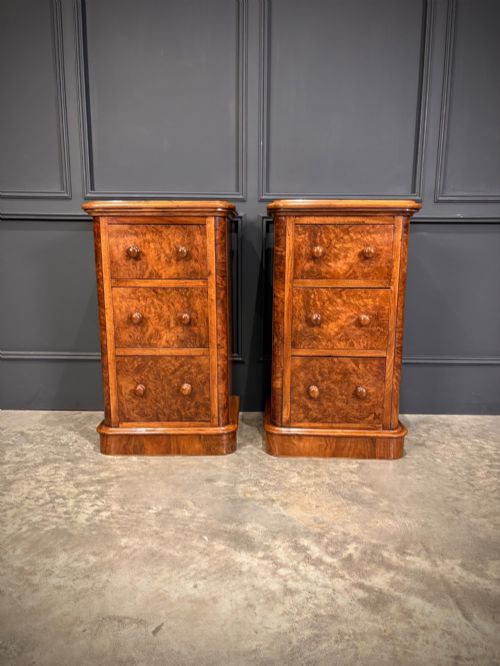
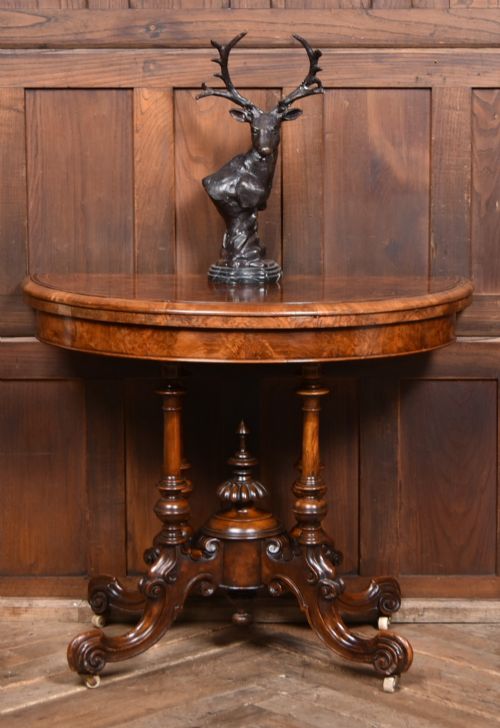
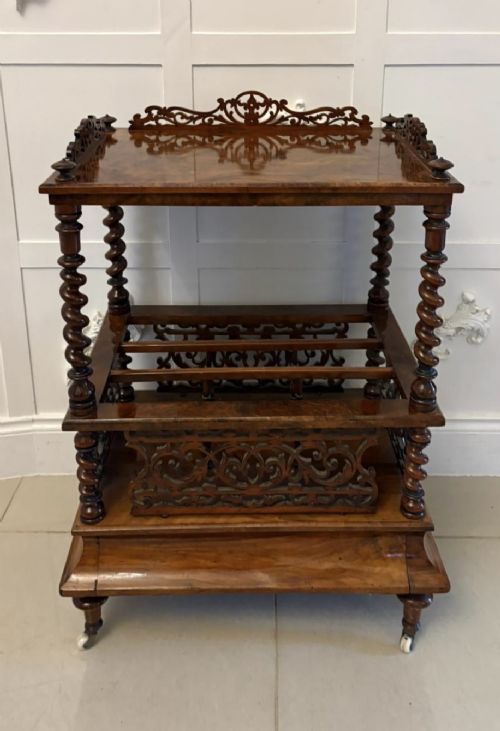
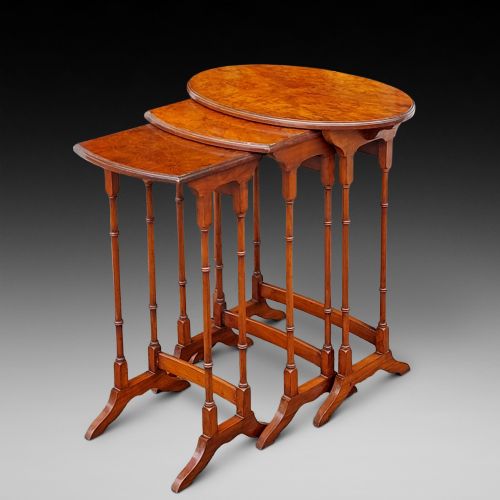
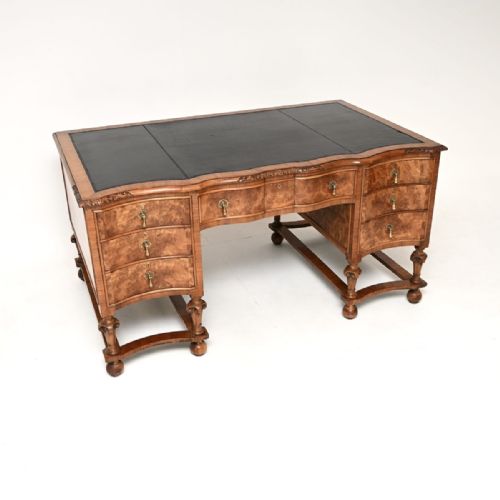
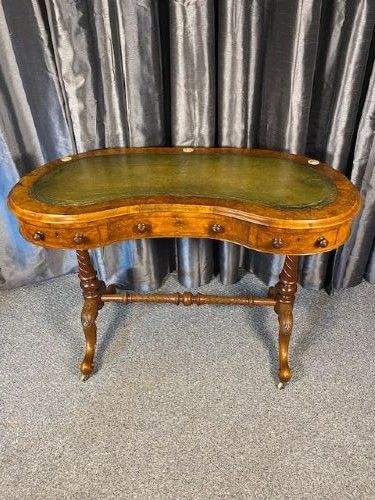
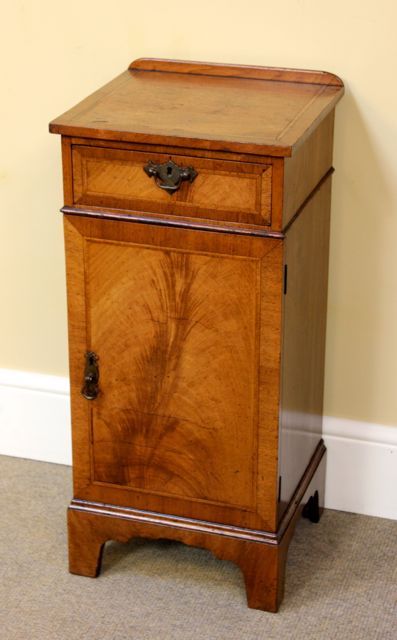
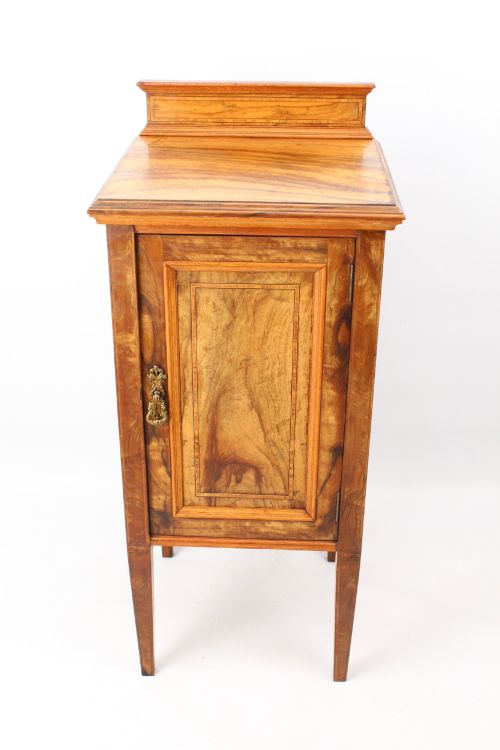
Listings feature burr walnut across diverse forms, including writing desks, Sutherland tables, nests, and bedside cabinets spanning the Victorian and Edwardian eras.
Assessing the Pieces
Quality rests significantly on the selection and symmetry of the burr walnut veneer, where expertly matched grain patterns create a harmonious visual display across the entire top surface. Pieces featuring secondary woods of high calibre and refined proportions command greater attention from collectors.
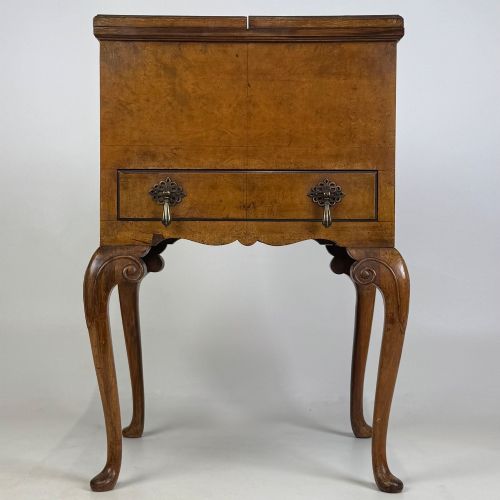
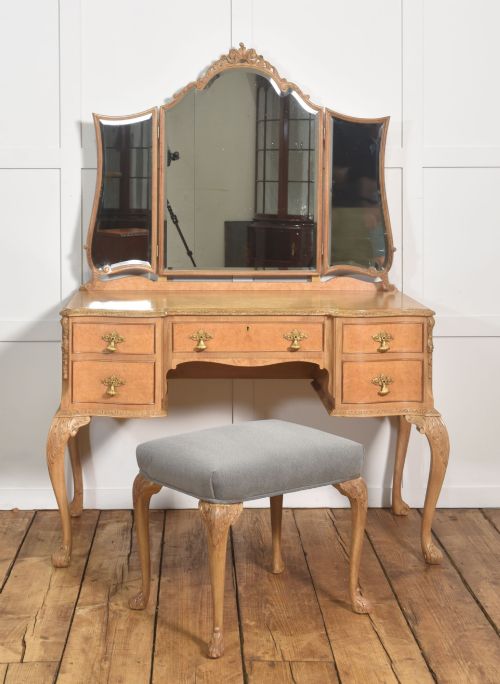
The integration of maker stamps, such as those by recognised firms, elevates the standing of a desk or table by confirming its commercial origin and standard of workshop execution. Furthermore, the crispness of carved details, such as those found on Queen Anne style cabriole legs, separates standard utilitarian items from exceptional commissions.
Maple and Co·Wylie and Lochhead Glasgow·Walker and Hall
The Edwardian Burr Walnut Table Glossary
- Burr walnut
- A veneer harvested from the gnarled excrescences of walnut trees, prized for its swirling, organic grain patterns. It is typically applied to the primary display surfaces of high-status tables and desks.
- Fold-over
- A table design featuring a hinged top that doubles the surface area when opened, commonly utilised in card and games tables. This mechanism often conceals a lined playing surface beneath.
- Nesting tables
- A set of graduated tables designed to fit neatly beneath one another when not in use. They became particularly popular during the Edwardian period for entertaining.
- , Sutherland table
- A narrow drop-leaf table with hinged flaps supported by pivoting gate legs. This form allows the piece to fold flat against a wall to save space.
- Ormolu
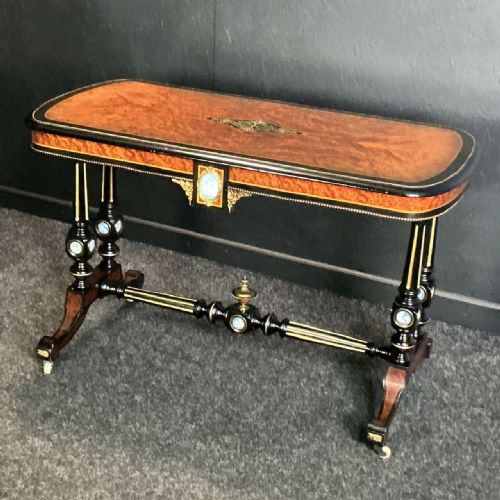
- Gilded bronze mounts applied to furniture for decorative effect. The technique was frequently revived during the nineteenth century on ornate console and card tables.
Edwardian Burr Walnut Table: Frequently Asked Questions
What rooms suit these tables?
These tables adapt well to sitting rooms, studies, and bedrooms, functioning as central coffee surfaces, writing desks, or bedside stands.
Their warm timber tones coordinate easily with both traditional and contemporary interior decorative schemes.
How were games tables used?
Games tables provided a dedicated surface for evening entertainment such as card playing and chess.
The hinged tops allowed households to transform a compact side piece into a stable playing area when guests visited.
How do I identify Edwardian pieces?
Edwardian items often display lighter proportions and draw inspiration from earlier Georgian and Queen Anne revival styles.
The use of figured walnut veneer combined with refined inlay work points toward this early twentieth-century era of production.
What is a quartetto of tables?
A quartetto of tables refers to a matched set of four graduating nesting tables.
They offer exceptional versatility in smaller spaces by stacking together into a single footprint until needed.