


Edwardian Brass Shelf Clock
An edwardian brass shelf clock brings functional timekeeping and period charm to a mantelpiece, combining bright metallic accents with traditional cabinet work.

Edwardian Brass Shelf Clock
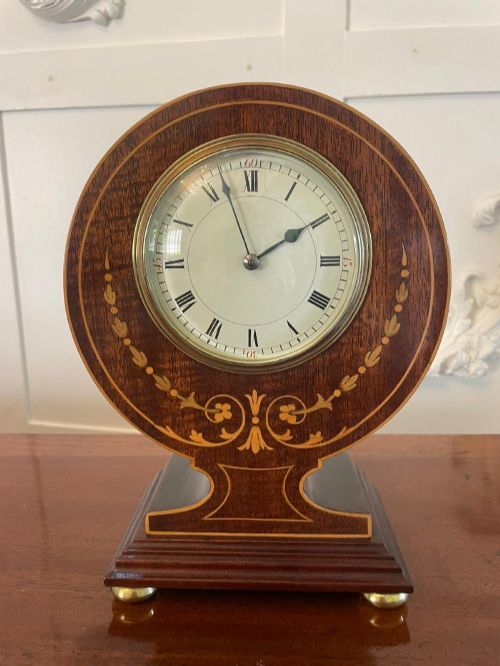
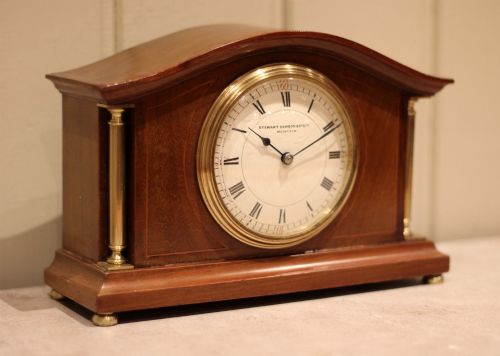
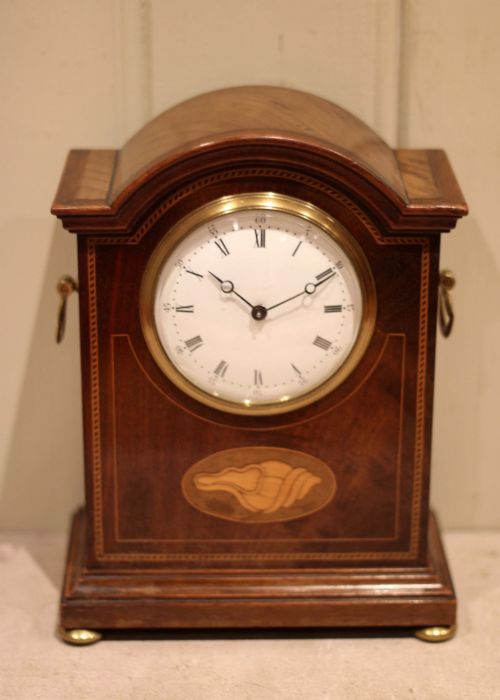
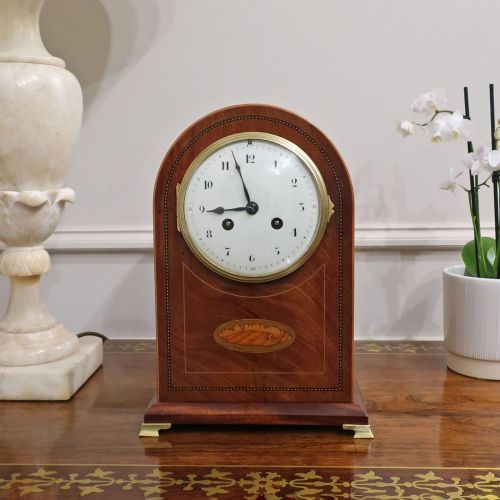
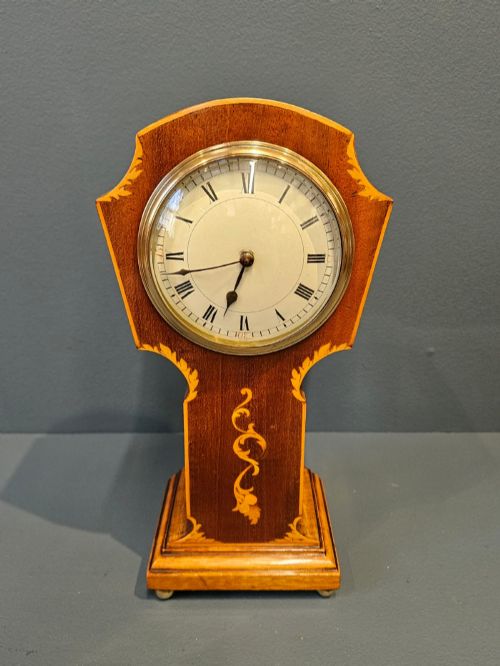
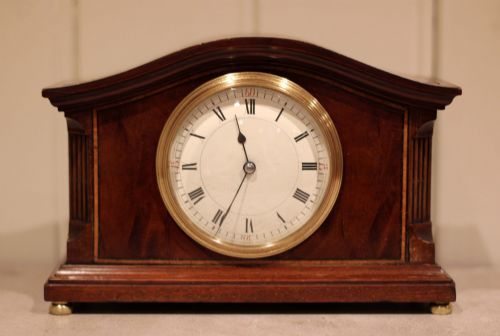
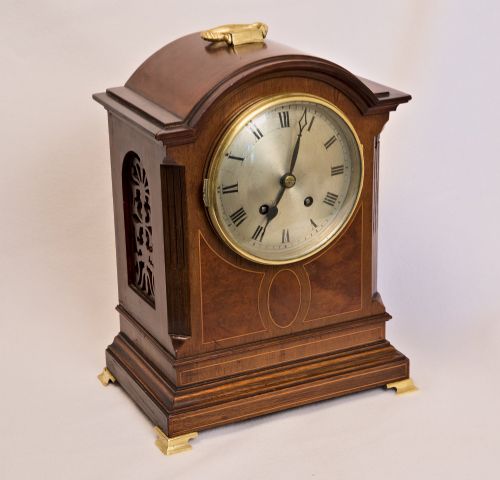
When searching for an edwardian brass shelf clock, buyers encounter timepieces housed primarily in wooden cases accented with brass dials, bezels, and feet. While the phrase specifically highlights brass components, the selection spans items featuring polished brass bezels alongside wooden bodies made from mahogany, walnut, and oak.
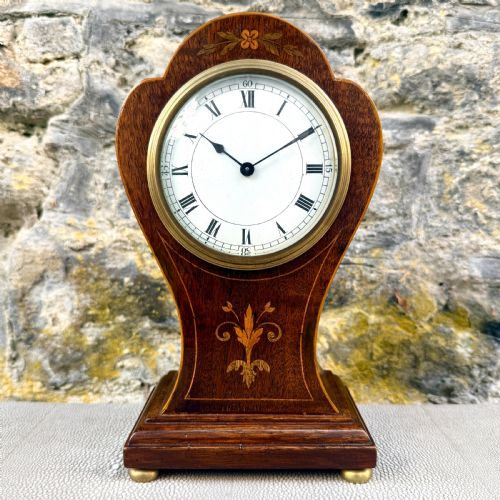
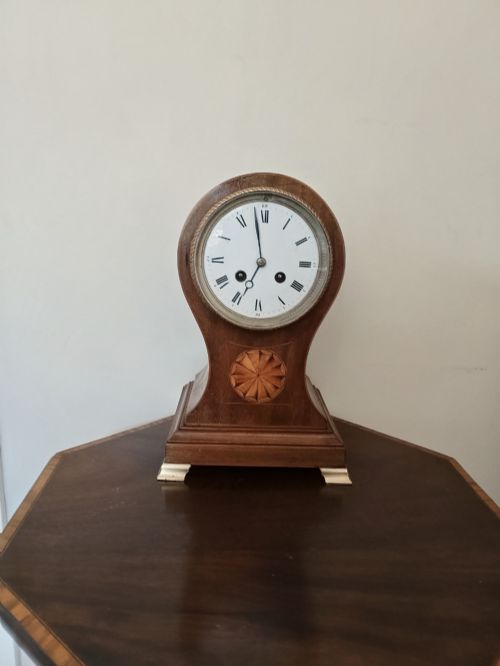
The objects take various forms including balloon shapes, lancet arches, and bracket styles originating from the Edwardian period, alongside related Victorian and early twentieth-century examples. Most options function as domestic mantel or table clocks designed to sit steadily on a shelf or sideboard.
Materials and construction
Makers built these timepieces using timber carcases formed from mahogany, oak, and walnut, frequently enhanced with inlaid wood details and delicate boxwood stringing. Glass panels protect the dial face, while enamel serves for the chapter rings and numerals.
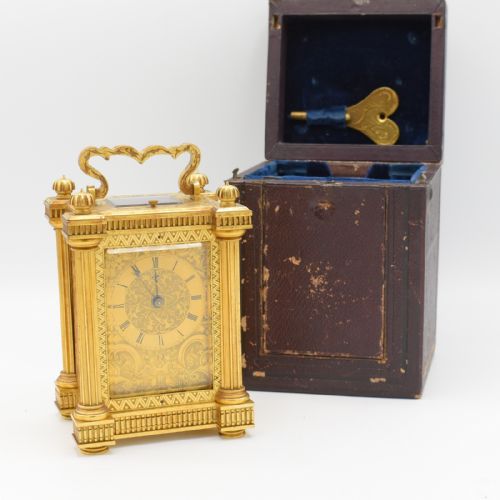
Brass provides the structural and decorative highlights, appearing as cast bezels, carrying handles, bracket feet, and movement plates. Cabinetmakers shaped the wood into break arch, lancet, and balloon profiles before applying lacquered or polished finishes.
Assessing quality and craftsmanship
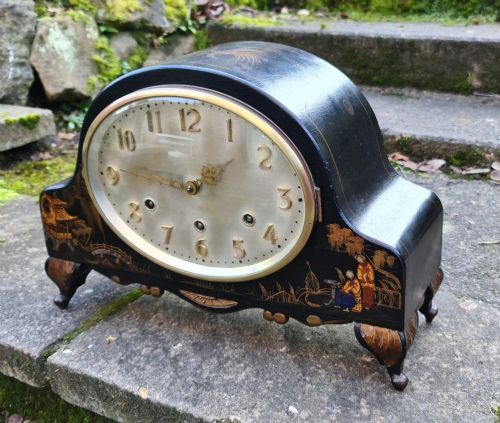
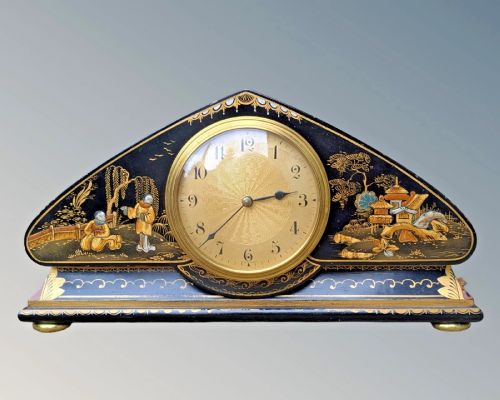
Superior examples display crisp cabinet joinery, finely figured mahogany or walnut veneers, and intricate marquetry or floral inlay work such as poppies and Chinoiserie motifs. The weight and casting quality of the brass bezels and feet also distinguish finer pieces from simpler utilitarian models.
The sophistication of the internal movement determines the standard of the clock, with eight-day movements, striking mechanisms, and platform escapements representing higher grades of manufacturing. Well-preserved enamel dials and original matching hands further elevate the standing of an individual piece.
Howell & James London·Jas Whitelaw of Edinburgh·Seikosha Seiko·Junghans German
The Edwardian Brass Shelf Clock Glossary
- Timepiece
- A clock that tells the time without incorporating a striking or chiming mechanism. These simpler movements require winding only for the primary going train.
- Bezel
- The brass ring that holds the protective glass in front of the clock dial. It often hinges open to allow hand-setting and winding.
- Balloon clock
- A mantel clock featuring a rounded, bulbous upper case that tapers toward the base, popular during the Edwardian era. This distinctive silhouette frequently houses a mahogany or inlaid wood body.
- Chapter ring
- The circular band on the clock face that bears the hour numerals. These are commonly painted enamel or metal applied to the dial background.
Edwardian Brass Shelf Clock: Frequently Asked Questions
How do I wind an Edwardian mantel clock?
Most mechanical shelf clocks use a dedicated winding key inserted into small holes on the enamel dial face. Turning the key clockwise tensions the internal spring until resistance is felt.
Care must be taken not to overwind the mechanism, as this can damage the mainspring. Ensure the clock is placed on a level surface before starting the timepiece.
What is the difference between a timepiece and a striking clock?
A timepiece solely indicates the current hour and minute without producing any audible strikes on the hour or half-hour. These versions typically feature a single winding arbor.
Striking clocks include an additional gear train and hammer system that sounds bells or gongs. These models require separate winding for the timekeeping and striking functions.
Where should I place a brass shelf clock?
These clocks sit securely on mantelpieces, bookshelves, sideboards, or tables where the flat base provides steady support. Keeping the clock away from damp walls and direct heat sources helps preserve the wooden case and brass finish.
Positioning the piece on a stable surface ensures the pendulum or balance wheel operates at a consistent beat.
How do I identify an Edwardian period clock?
Edwardian timepieces generally date from the reign of King Edward VII, characterised by lighter mahogany cases, delicate floral inlay, and refined brass fittings. They often move away from the heavier, darker aesthetic of the preceding Victorian era.
Examining the internal movement style and cabinet construction alongside any maker signatures helps confirm the era of manufacture.