


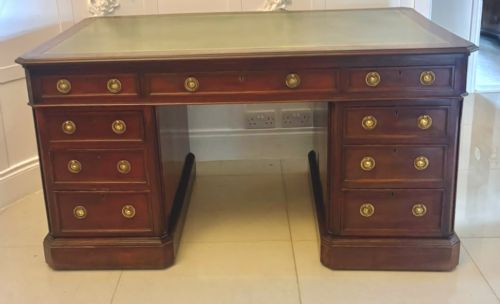
Edwardian Brass Handle
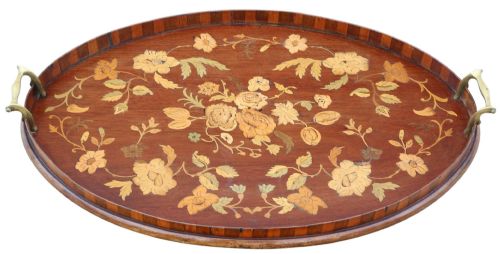
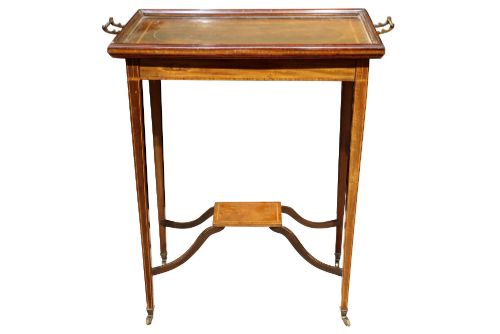
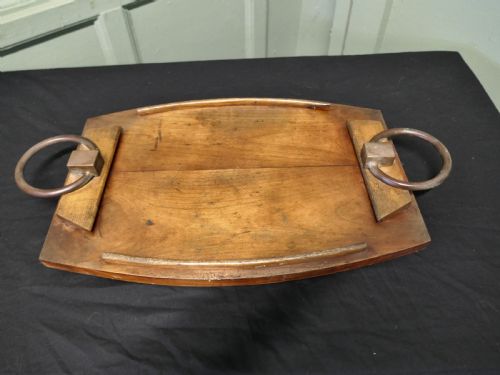
When you handle an edwardian brass handle, you hold the solid detail that finished mahogany chests, oak desks, and serving trays from the early twentieth century.
Edwardian Brass Handle
An edwardian brass handle serves primarily as the functional lift and decorative accent on period furniture, including chests of drawers, writing desks, and coal buckets. These items span domestic storage and display, originating predominantly from the Edwardian era around nineteen hundred.
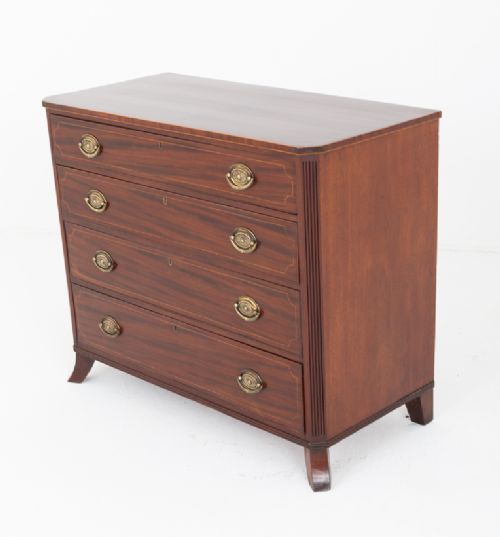
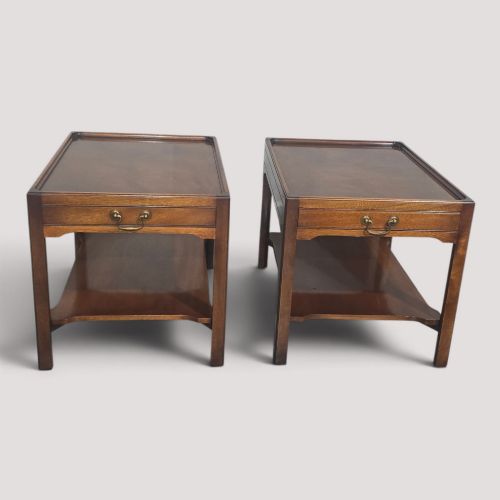
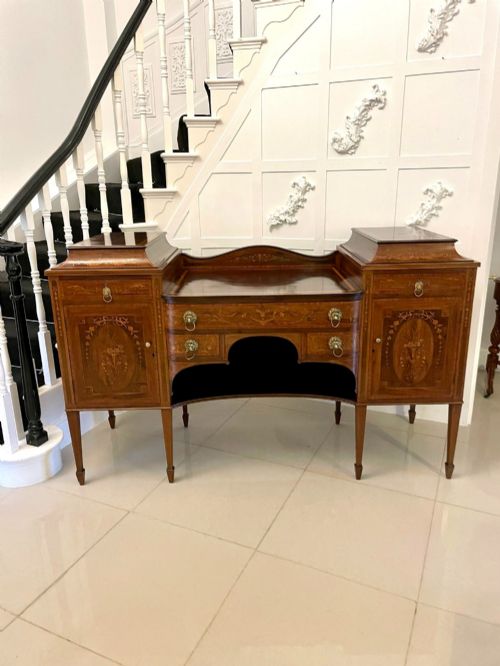
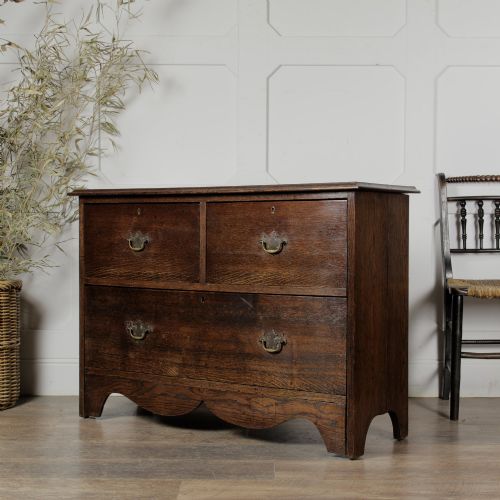
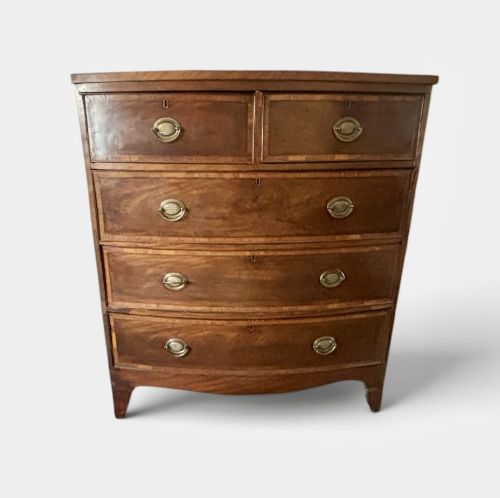
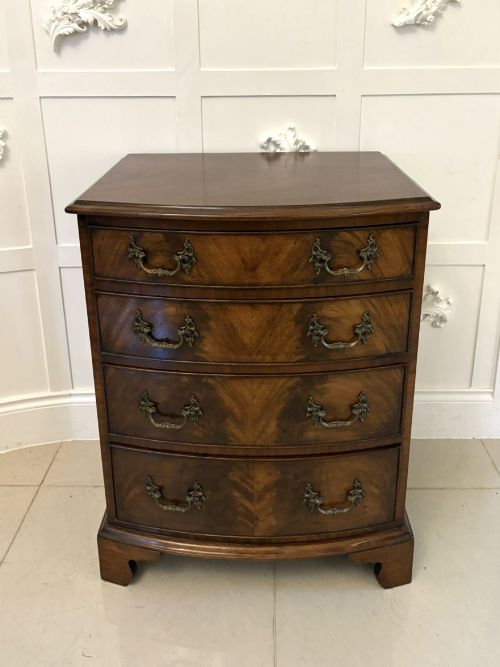
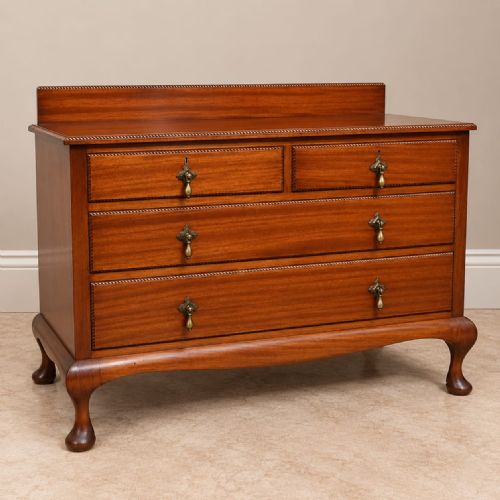
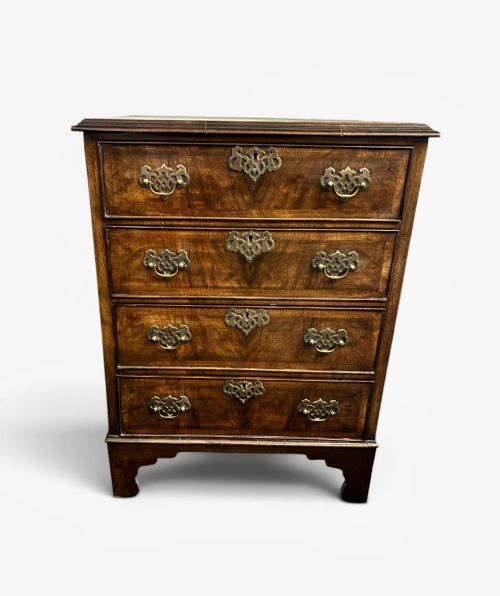
Buyers seeking this phrase encounter solid brass ring drops, swan neck fixtures, and drop handles mounted on mahogany and oak carcases. Many pieces pair these metal fittings with crossbanding, satinwood inlays, or original patination.
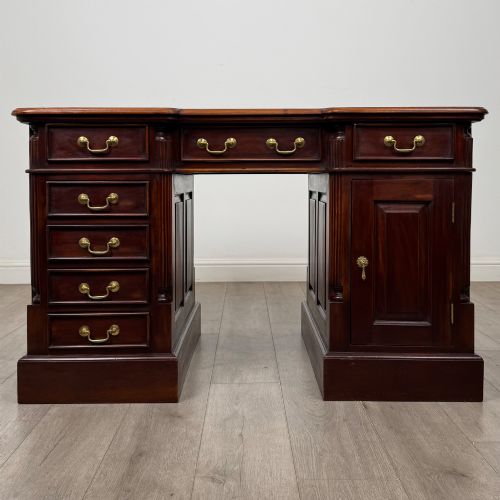
The most common form on this page involves period drawer pulls fitted to Edwardian case furniture, such as multi-drawer chests and kneehole desks. These components reflect the standard hardware production methods of British cabinet makers active at the turn of the twentieth century.
How they were made
Makers cast brass hardware using traditional foundry methods, pouring molten metal into sand moulds to create solid pulls, drop rings, and backplates. Workers then finished the surfaces by hand, filing away rough edges and polishing the metal to a warm glow.
Cabinet makers secured these brass fixtures to timber carcases using threaded bolts or wood screws driven through the drawer fronts. The surrounding wood typically underwent careful preparation, featuring mahogany, oak, or walnut veneers bonded to solid secondary timbers.
Some Edwardian brass handles swing on coal buckets, proving that even carrying fuel required a touch of decorative style.
What varies in quality
Quality in these items rests on the weight and crispness of the metal casting, alongside the integrity of its original mounting. Finer hardware displays deep relief work, well-defined edges, and a substantial weight that denotes a high copper content.
The relationship between the metal and the timber also dictates the standard of the piece. Superior examples retain their original matching brass fixtures without replacement screws, complementing high-grade cabinet work like figured mahogany drawer fronts and precise dovetail joints.
Hewetsons London·Trollope And Sons·Jas Shoolbred·Maples Of London And Paris
The Edwardian Brass Handle Glossary
- Brass
- A copper and zinc alloy prized for its durability and warm, golden appearance. It served as the primary material for period furniture handles and decorative galleries.
- Ring drop handle
- A metal pull featuring a circular ring suspended from a fixed backplate. This design hung flush against the drawer front until lifted by the user.
- Swan neck handle
- A metal pull shaped with a graceful double curve resembling a swan's neck. It attached to two vertical mounting posts on the drawer face.
- Crossbanding
- A narrow strip of veneer laid across the grain of the primary wood surface. Cabinet makers used this technique to frame drawer fronts and tabletops.
- Backplate
- A decorative metal sheet placed behind the pull or handle to protect the wood surface from wear. It added visual weight and ornamentation to the drawer.
Edwardian Brass Handle: Frequently Asked Questions
Are these handles solid brass?
Period examples from the early twentieth century consist of solid cast brass rather than plated base metals. This construction gave the hardware sufficient strength for daily use on heavy oak and mahogany drawers.
Over decades of handling and cleaning, solid brass develops a distinct natural patina that varies from bright gold to dark bronze. This ageing process helps distinguish authentic period fixtures from modern reproductions.
Did these handles come on desks?
Makers fitted brass drops and ring handles extensively to pedestal desks, writing tables, and bureau bookcases of the period. These fixtures allowed users to pull out stationery drawers and sliding writing surfaces smoothly.
On larger twin pedestal desks, matching brass hardware unified the multiple banks of drawers and cupboards. This hardware formed an integral part of the desk's architectural scheme.
How do I care for brass hardware?
Maintaining period brass requires minimal intervention to preserve the accumulated surface character known as patina. A simple wipe with a dry cloth removes dust without stripping the historic finish.
Aggressive metal polishes should be avoided because they remove the dark oxidation in recessed areas. Preserving this contrast maintains the visual depth of the casting.