
Traditional Door Furniture
Traditional door furniture brings period character to an entrance through solid brass, bronze, and iron hardware.
Traditional Door Furniture
Traditional door furniture comprises functional hardware elements designed to outfit entrances and interior access points with period authenticity. Pieces in this category include cast bronze knockers, brass handles, and matching push plates dating across the Georgian, Victorian, and Edwardian eras.
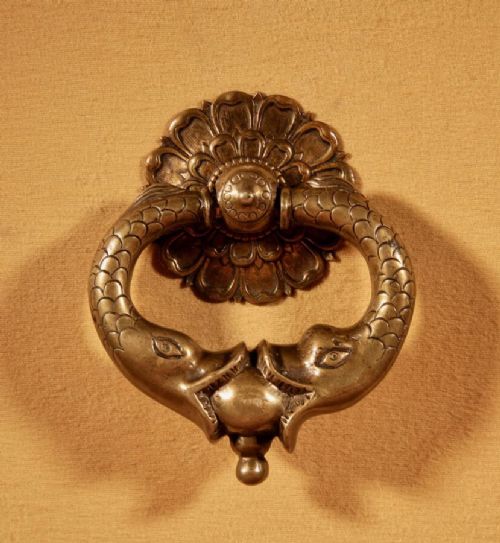
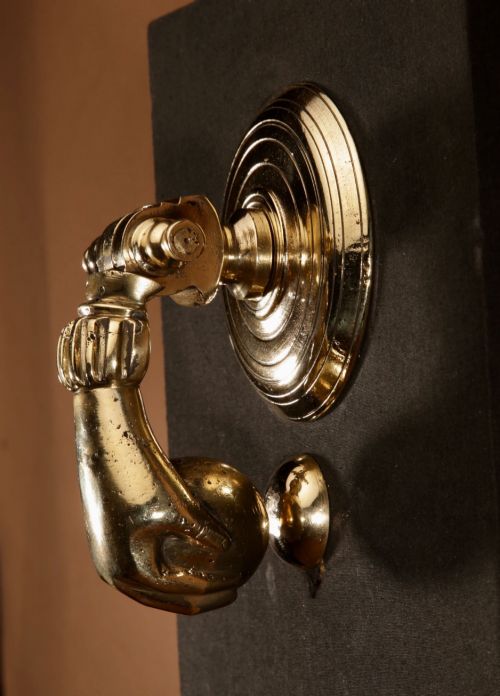
The selection on this page leans toward heavier metal hardware, including door knockers shaped like hands alongside nickel and black china pulls. These items reflect the domestic hardware styles utilised from the eighteenth century through the early twentieth century.
Materials and construction methods
Metal hardware relies on casting techniques, utilising brass and bronze poured into moulds to create solid knockers, handles, and backplates with tactile weight and detail. Iron and nickel also appear, bringing varied surface finishes and durability to functional fixtures.
Ceramic components such as black china pulls integrate with metal mounts, combining two distinct material types common in period joinery. These elements are produced through traditional manufacturing methods that prioritise mechanical strength and longevity.
A bronze hand stands ready to announce visitors, offering a firm grip to every guest before they even cross the threshold.
Distinguishing quality in hardware
Quality rests in the crispness of the casting and the thickness of the metal used in handles, plates, and knockers. Substantial weight and clean detailing indicate superior production standards rather than mass-produced lightness.
Surface preservation affects the overall standard, with original patination and intact finishes holding greater appeal than modern alterations or over-polished metals that obscure the age of the piece.
Lamb And Co
The Traditional Door Furniture Glossary
- Push Plate
- A protective metal sheet fixed to a door surface to prevent wear from hands. They often match the finish of accompanying door handles or knockers.
- Door Knocker
- A percussion device mounted on the exterior of a door for visitors to announce their arrival. These items frequently take sculptural forms such as hands or classical motifs.
- Patina
- The surface alteration and mellowing acquired by metal or wood over years of handling and exposure. It serves as an indicator of age and genuine use.
- Edwardian
- The architectural and decorative period spanning from nineteen hundred to nineteen ten. Hardware from this era often exhibits refined proportions and cleaner lines than earlier Victorian designs.
- Georgian
- The stylistic era covering the eighteenth and early nineteenth centuries. Pieces from this time demonstrate classical restraint and formal symmetry.
Traditional Door Furniture: Frequently Asked Questions
How do I clean antique brass hardware?
Maintenance depends on preserving the aged surface rather than restoring a bright mirror shine. Gentle washing with warm soapy water removes accumulated dirt without stripping the historical patina.
Avoid harsh chemical dips or abrasive metal polishes that remove the outer layer of metal and destroy the subtle textures developed over centuries of use.
Are these hardware pieces suitable for modern doors?
Most items match standard mounting dimensions or can be fitted with minor adjustments to existing screw holes. Measuring the backset and spacing ensures compatibility with current joinery standards.
Solid metal construction provides the durability required for daily residential use, combining historical appearance with reliable modern function.
What period does a hand shaped knocker belong to?
Sculptural hand door knockers appear across multiple nineteenth and early twentieth century periods. Their distinct design was popular for adding a personal or symbolic touch to domestic entrances.
Examining the casting quality and the fixing bolts helps determine whether a specific example originates from the Georgian or Victorian eras.
How do brass and bronze hardware age differently?
Brass tends to develop a warm golden-brown oxidation with darker highlights in recessed areas. Bronze generally darkens to a deep chocolate brown or verdigris tone depending on its copper content and exposure.
Both metals react to atmospheric conditions and handling, gradually shifting in tone over decades of continuous service.