





Pair Door Handles
These pair antique door handles bring period character to interior doors through solid brass, bronze, crystal glass and china.
Pair Door Handles
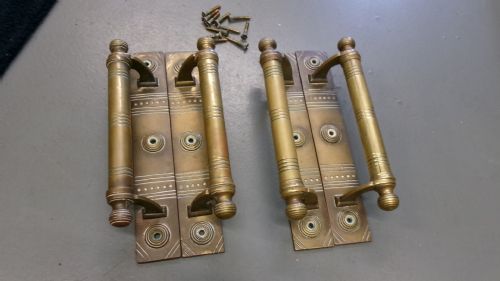
A set of pair antique door handles provides matching hardware for both sides of a door, originating from periods such as the Victorian era, Regency, and Art Deco. These pieces include spherical knobs, oval grips, and large pull handles designed for residential and grand ballroom doors.
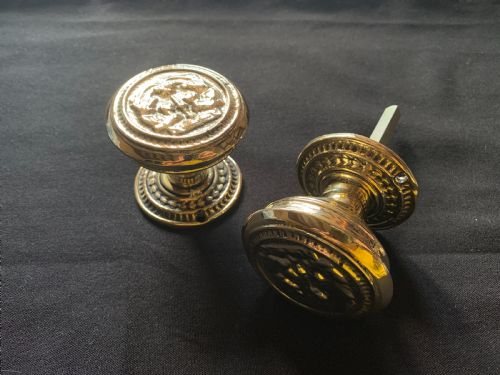
The most common examples on this page are Victorian brass door knobs, alongside Arts and Crafts brass designs and bronze pulls from the late nineteenth and early twentieth centuries. Buyers also encounter specialty combinations incorporating crystal glass, nickel, black china, and gilded brass mounts.
Beyond standard door furniture, the selection encompasses related hardware items such as door stops and centre pulls. These functional antiques suit period restoration projects and modern interiors seeking authentic historical detail.
How they were made
Metal components rely on casting techniques, utilising brass, cast brass, bronze, and gilded brass to create durable backplates, mounts, and grips. Artisans also shaped nickel and polished metals to achieve distinct surface finishes.
Grips and inserts combine metalwork with fragile materials, fusing brass and bronze with lead crystal glass, blue glass, ceramic, black china, and wooden elements. These mixed media pieces demonstrate the diverse manufacturing methods of nineteenth and twentieth-century metalworkers and glassmakers.
Some Victorian households enjoyed pulling open heavy doors via solid brass bees.
What varies in quality
Quality rests in the weight and density of the metal casting, where solid brass and heavy bronze exhibit superior substance compared to lighter alloys. The crispness of ornamentation on backplates and mounts distinguishes standard production from finer work.
The clarity and depth of crystal glass or coloured glass inserts alter the overall standard of a set, as do the matching qualities of paired components. Well-preserved original gilding and polished finishes elevate the refinement of the hardware.
The Pair Door Handles Glossary
- Beehive door knob
- A turned metal or wooden knob featuring concentric raised rings that resemble a traditional beehive. This design offered a secure grip during the Victorian period.
- Centre pull
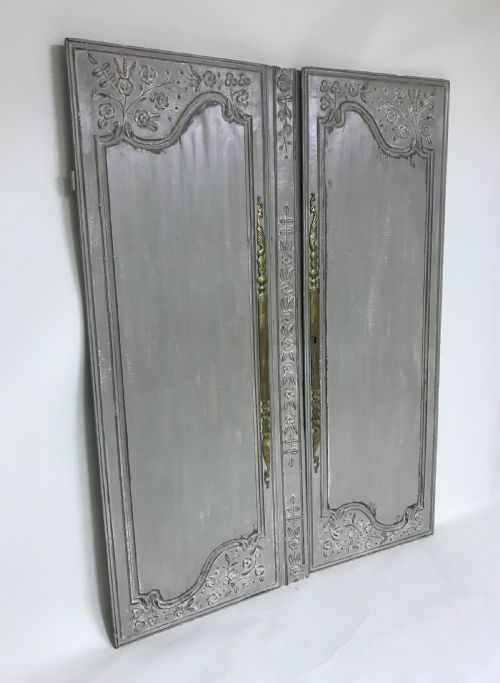
- A stationary handle mounted to the middle of a large door rather than the edge. These heavy pulls assisted in opening massive or double doors.
- Lead crystal glass
- High-purity glass containing lead oxide for enhanced brilliance and weight. It appears frequently in nineteenth-century decorative door furniture.
- Backplate
- The decorative metal plate mounted behind a door knob or handle to protect the wood surface. Ornate backplates define styles such as Art Nouveau and Arts and Crafts.
- Gilded brass
- Brass treated with a thin layer of gold leaf or gold wash. This technique imparted a rich, opulent finish to high-status hardware.
Pair Door Handles: Frequently Asked Questions
How do I date pair antique door handles?
Dating relies on stylistic clues, manufacturing materials, and mechanical construction methods associated with specific eras like Regency or Art Deco. Victorian examples often feature distinct beehive turnings or heavy brass backplates.
Examining the underlying metal and fastening screws provides further chronological context. Comparing pieces against documented hardware typologies helps narrow down the decade of production.
Can I fit antique handles to modern doors?
Many antique door handles adapt successfully to modern doors provided the spindle dimensions and latch mechanisms align. Professional adjustment may be necessary for older square spindles to fit contemporary mortice locks.
Careful measurement of backset distances and door thicknesses prevents installation difficulties. Using traditional hardware on modern doors instantly introduces historical character to a room.
How do I clean brass and bronze handles?
Cleaning requires mild soap and warm water applied with a soft cloth to preserve the historical surface patina. Abrasive polishes strip away aged finishes and should be avoided on antique metalwork.
Dry the pieces thoroughly after washing to prevent moisture damage. Preserving the natural oxidation maintains the authentic appearance expected of nineteenth-century fixtures.
What is the difference between a knob and a pull?
Door knobs rotate to operate a latch mechanism that holds a door shut within its frame. They require a spindle passing through the door thickness.
Door pulls remain stationary and serve to haul heavy doors open or shut without operating a latch. Pulls appear frequently on grand interior doors, double doors, and ballroom entrances.