





Edwardian Brass Bell
Edwardian brass bell designs bring resonant clarity into a room through cast metal and polished mounts.
Edwardian Brass Bell
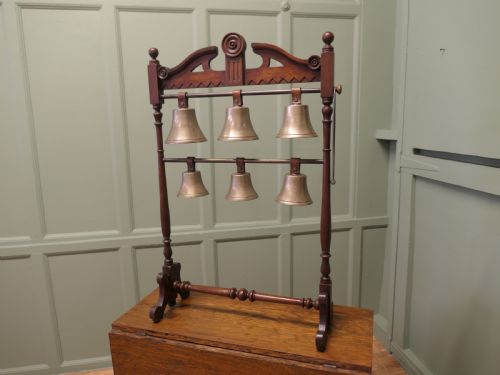
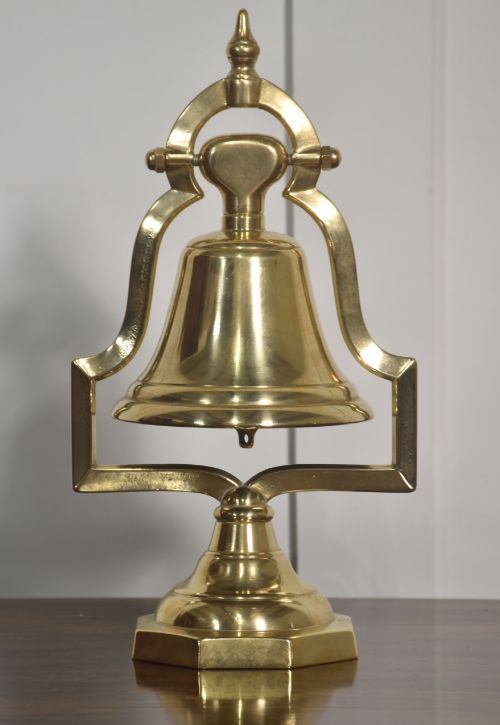
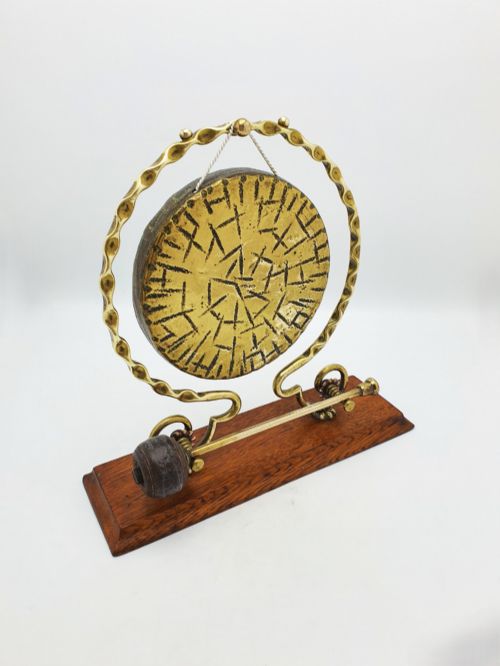
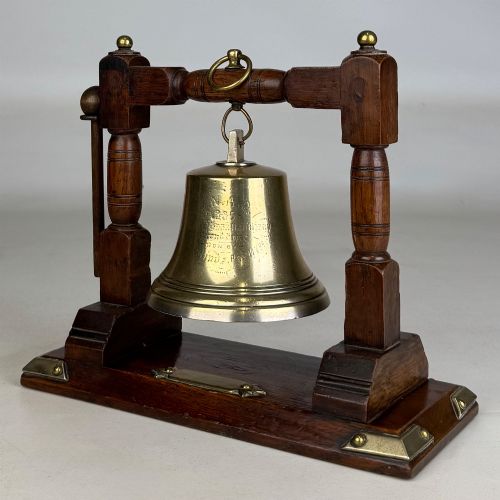
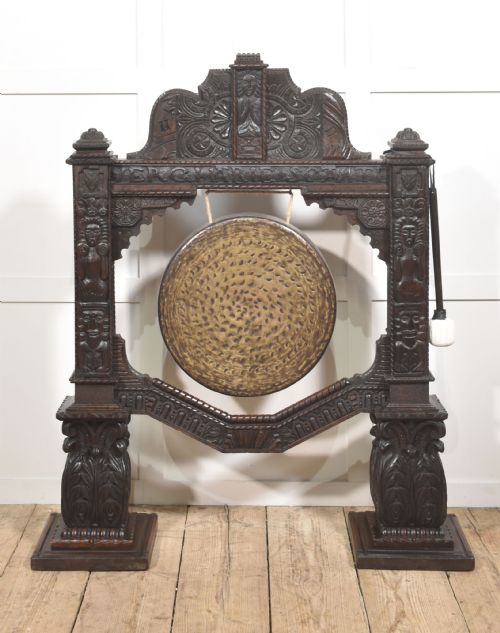
When searching for an edwardian brass bell, buyers encounter various forms designed for summoning, timing, or striking, including table bells, counter bells, and dinner gongs mounted on wooden frames.
The most common examples on this page combine cast brass elements with oak or mahogany bases, frequently including handheld strikers or wall mountings originating from the period.
These items serve practical and decorative functions alike, echoing the domestic and institutional routines of the early twentieth century through distinct acoustic properties.
How they were made
Maker workshops utilised traditional foundry casting for the metal components, shaping brass and bronze into resonant domes and bells before polishing the exterior surfaces.
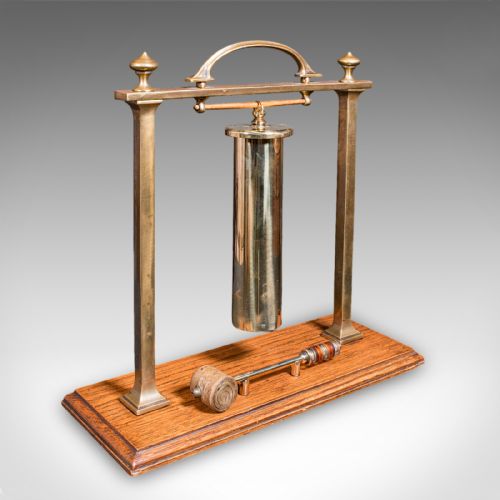
Wooden frames and stands employ oak, mahogany, and assorted hardwoods, often shaped with carved details or turned supports to hold the suspended gongs securely.
Listings feature items dated from the Victorian era through the 1930s, constructed in brass, bronze, oak, and mahogany.
What varies in quality
The calibre of an edwardian brass bell rests upon the purity of the metal alloy and the precision of the casting, which together determine the richness and duration of the tone produced.
Execution of the accompanying woodwork also distinguishes individual pieces, separating simple utilitarian mountings from finely carved or polished stands featuring complementary materials like glass or leather.
Elliott·Camerer Cuss And Co·De Grave·Palethorpes
The Edwardian Brass Bell Glossary
- Cast Brass
- An alloy of copper and zinc melted and poured into a mould to form solid objects. This method allows for crisp detailing on bells and decorative mountings.
- Dinner Gong
- A suspended metal disc or bell struck with a mallet to announce meals. They frequently feature carved oak frames and handheld strikers.
- Counter Bell
- A small spring-loaded bell placed on a desk or shop counter for summoning attention. Pressing the plunger activates an internal hammer.
- Art Nouveau
- A decorative style prevalent around 1900 characterised by flowing lines and organic plant-like motifs. It appears frequently on the metalwork of the period.
- Longcase Clock
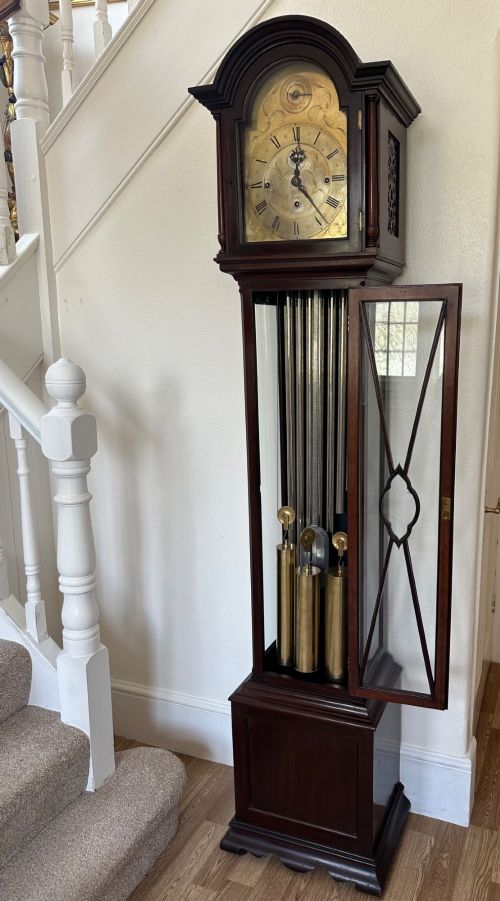
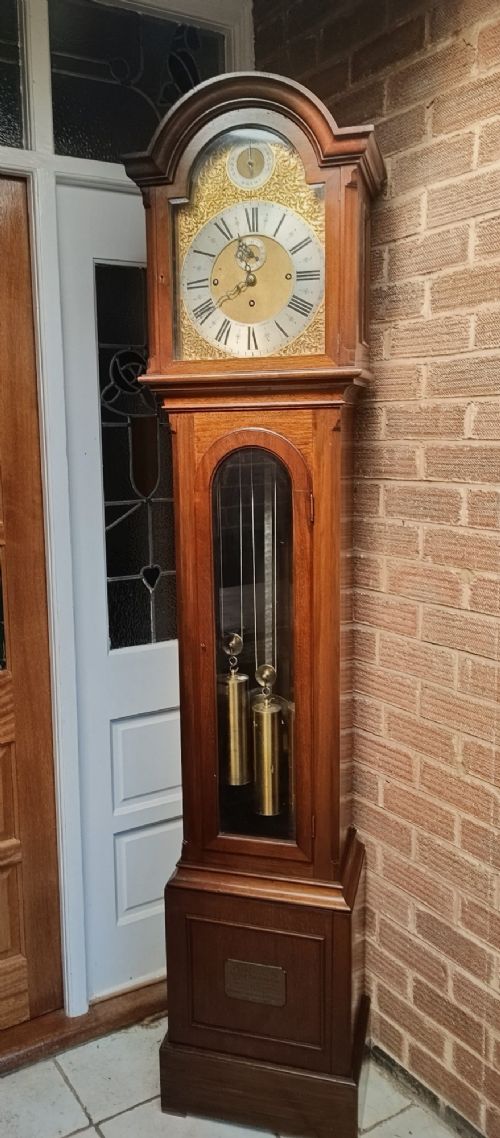
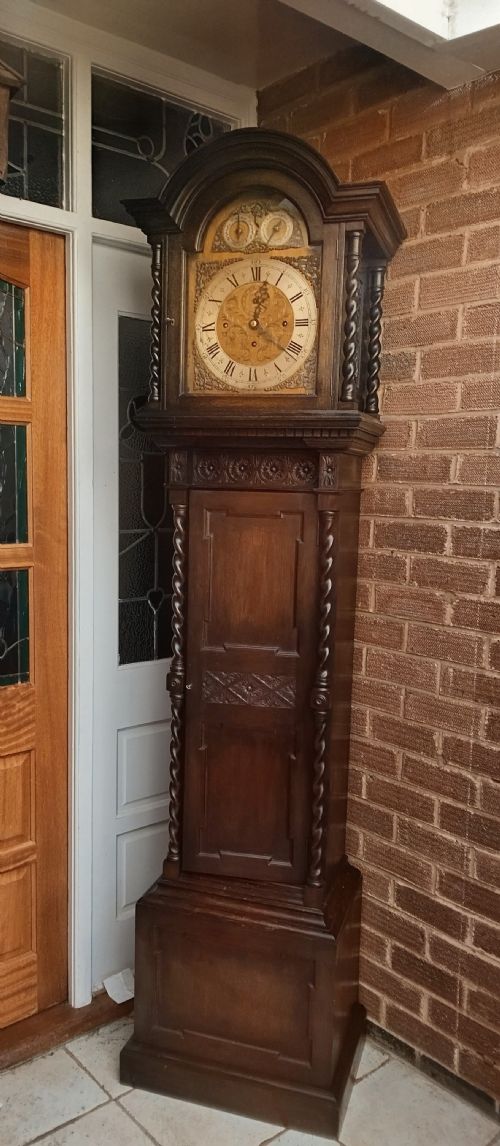
- A tall floor-standing timepiece driven by weights, often incorporating tube or bell movement chimes. These house complex mechanisms alongside the striking elements.
Edwardian Brass Bell: Frequently Asked Questions
How do I clean an edwardian brass bell?
Remove dust with a soft dry cloth to preserve the aged surface texture. Avoid harsh chemical polishes that strip the historic patina accumulated over decades.
Wooden bases require only mild beeswax applied sparingly with a clean cloth. Buff gently to maintain the natural sheen of the oak or mahogany.
Were these bells used in homes?
Domestic spaces utilised table and counter bells for summoning servants or service in Edwardian households. Dinner gongs stood in hallways to announce the evening meal.
Hotels, shops, and schools also relied on these wall-mounted and handheld designs for daily operational communication.
What metals are used besides brass?
Foundries frequently worked with bronze for deeper resonant tones, especially in larger gongs and eastern-inspired ceremonial pieces. Silver plating also appears on select desk models.
Internal springs and strikers often incorporate iron or steel components to ensure mechanical durability during repeated use.
How do I date an edwardian brass bell?
Examine the mounting style, fasteners, and timber preparation for period-specific manufacturing traits. Edwardian pieces often display softer casting lines than later reproductions.
Maker marks stamped onto the metal or painted on dials provide reliable chronological markers when traceable to active workshop years.