
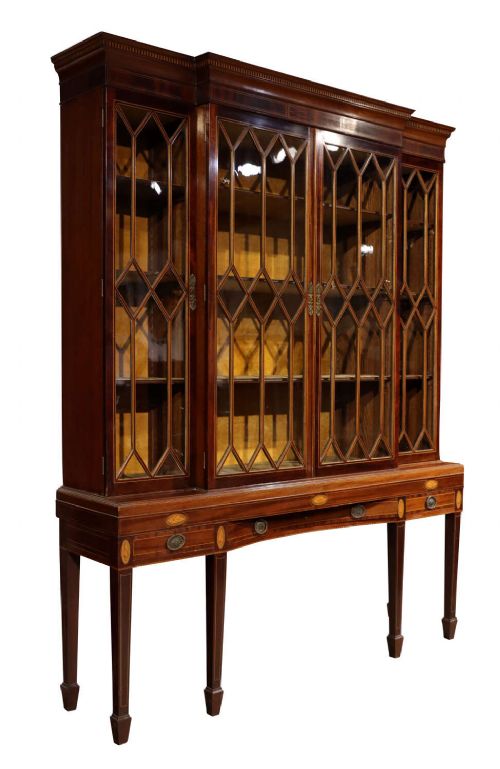
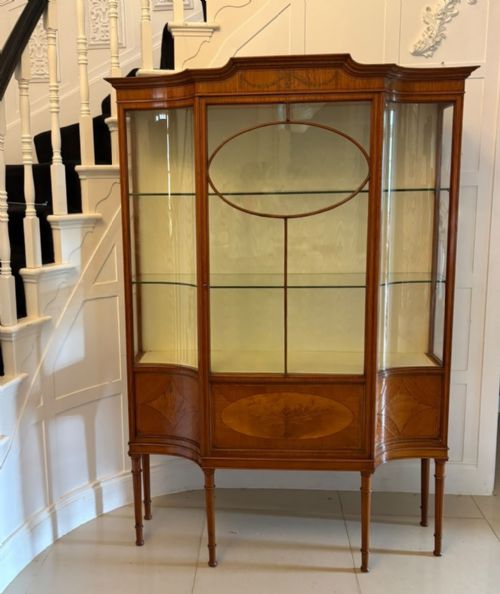
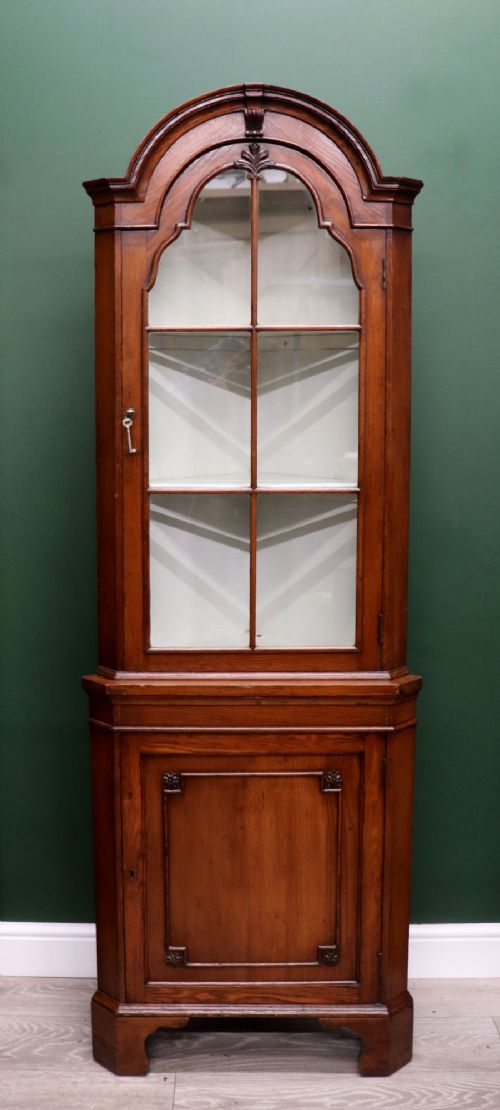
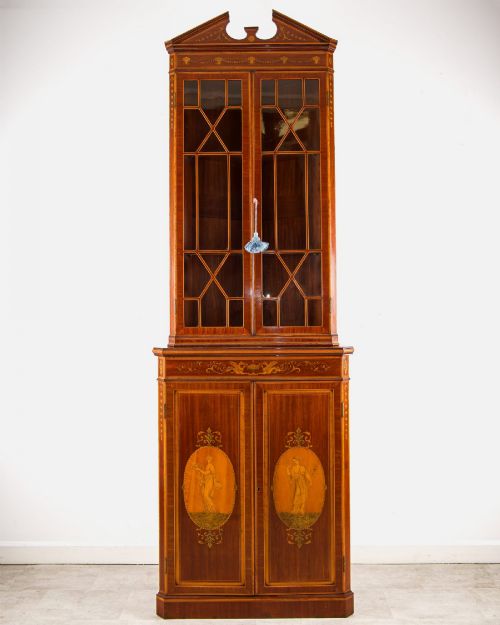
Edwardian Astragal Glazed Vitrine
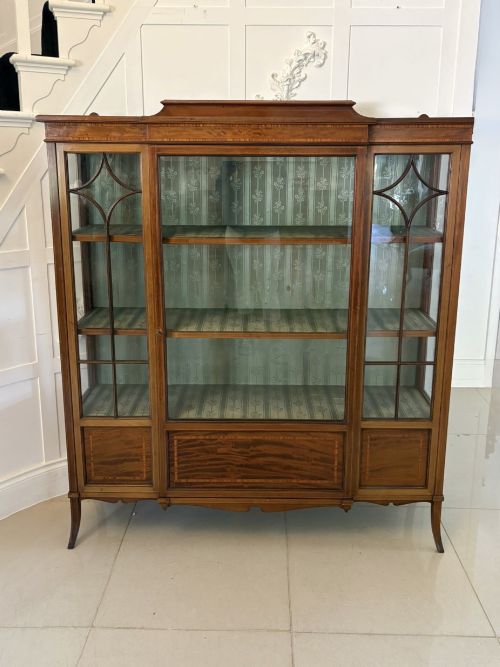
An edwardian astragal glazed vitrine brings refined mahogany, satinwood, and delicate glass framing together to display cherished possessions with period elegance.
Edwardian Astragal Glazed Vitrine
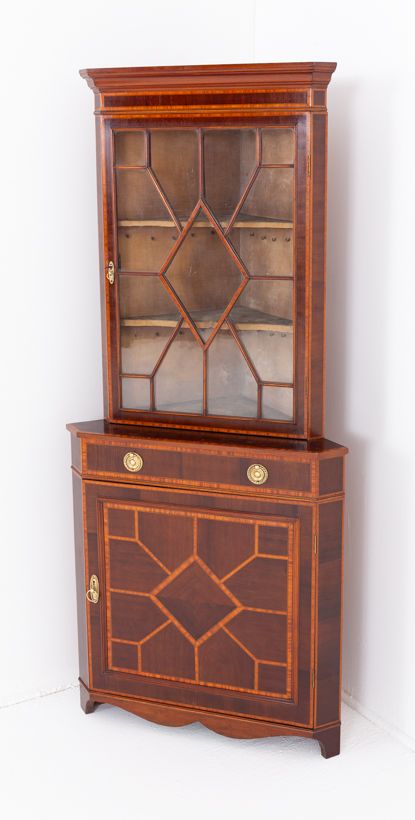
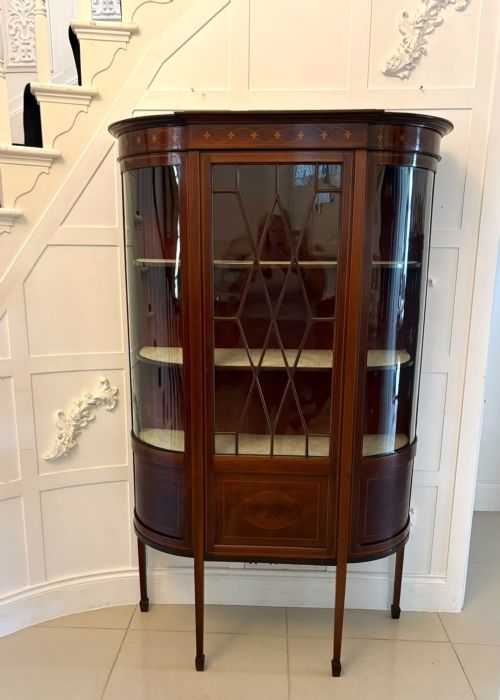
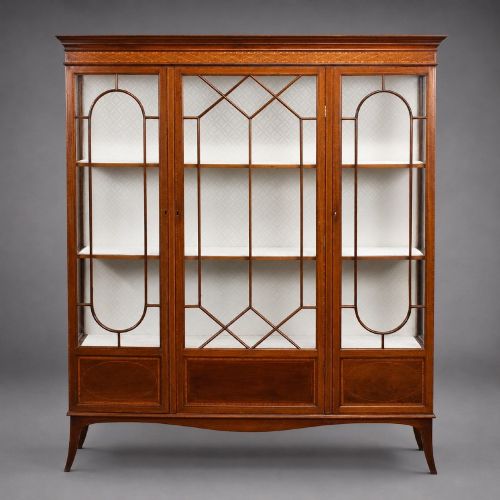
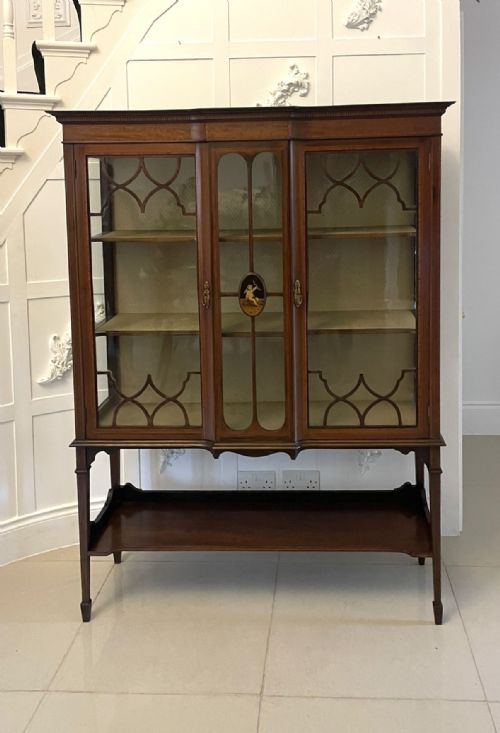
When searching for an edwardian astragal glazed vitrine, buyers examine display cabinets, corner cabinets, and bookcases spanning the Edwardian period, 19th Century, and early 20th Century. The pieces on this page primarily take the form of floor-standing display cabinets, corner cabinets, and wall-hanging units designed to showcase porcelain and objects of vertu.
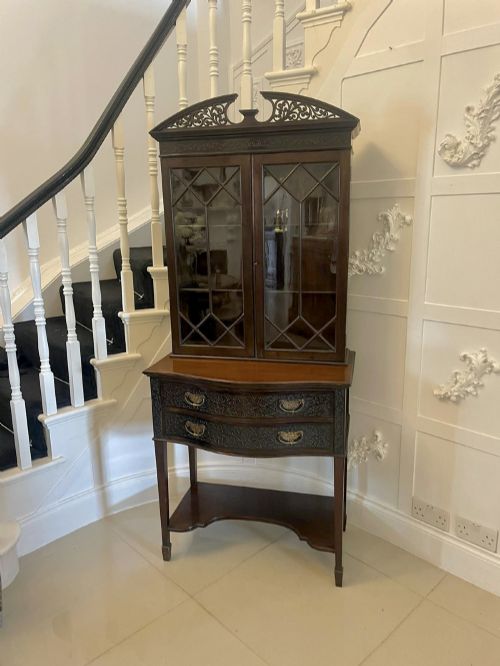
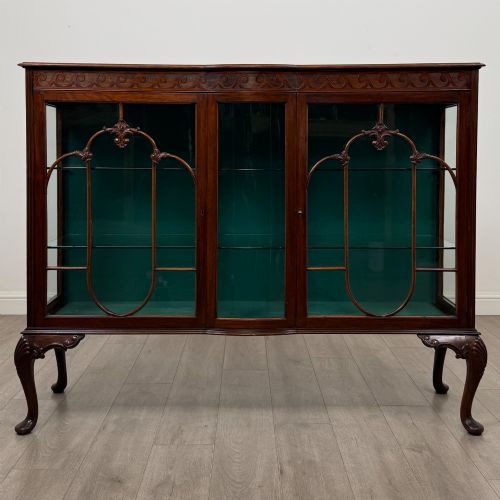
Makers and designers drew upon revival aesthetics, producing pieces in Sheraton Revival, Chippendale Revival, Georgian Revival, and Queen Anne Revival styles. Cabinets appear in bow-ended, breakfront, and bow front configurations, alongside specialised bijouterie and china cabinet forms.
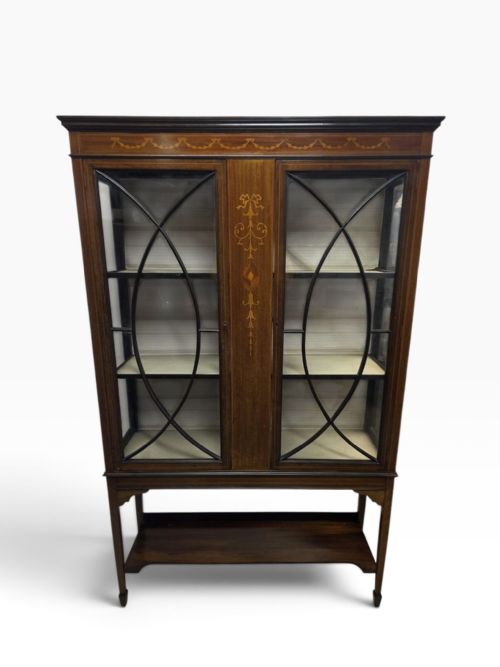
The dominant version met here is the mahogany display cabinet, frequently enhanced with satinwood inlay or marquetry. Oak and walnut examples also appear, reflecting the broader material palette of the era.
How they were made
Cabinet makers utilised solid and veneered timbers, primarily mahogany, complemented by satinwood, oak, and burr walnut. Inlay work and marquetry decorate the surfaces, paired with satinwood inlay to create geometric and floral motifs.
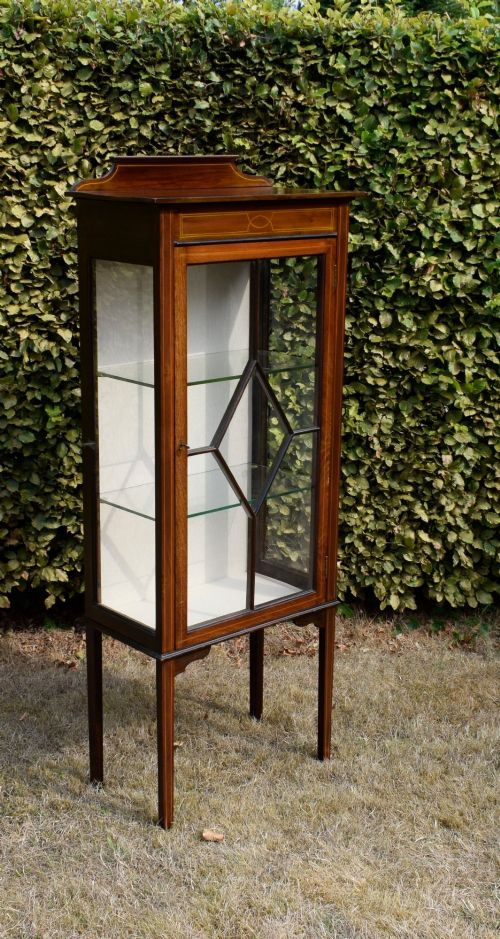
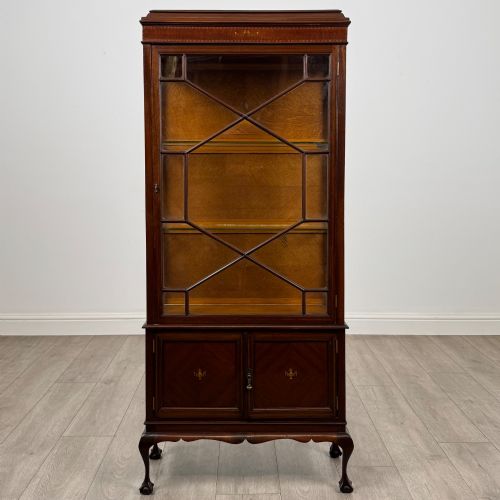
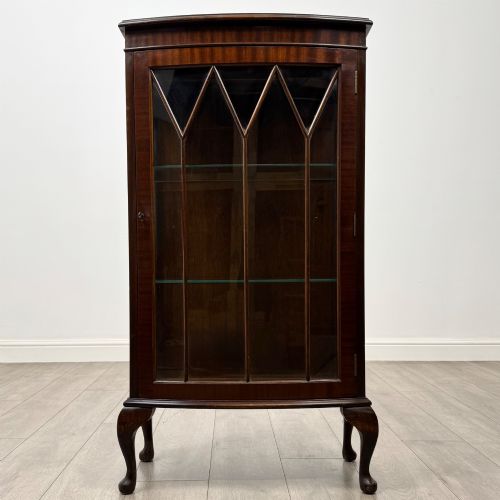
Glazing relies on astragal bars to divide the glass panes into smaller geometric sections within doors and panels. Brass hardware secures the doors and drawers, while internal fabric linings occasionally provide a soft backdrop for displayed items.
Listings feature pieces spanning the Edwardian period, 19th Century, and early 20th Century, constructed from mahogany, oak, walnut, and satinwood.
What varies in quality
The sophistication of the timber selection and inlay distinguishes standard production from finer work. Finely figured mahogany and intricate satinwood inlay or marquetry indicate higher craftsmanship.
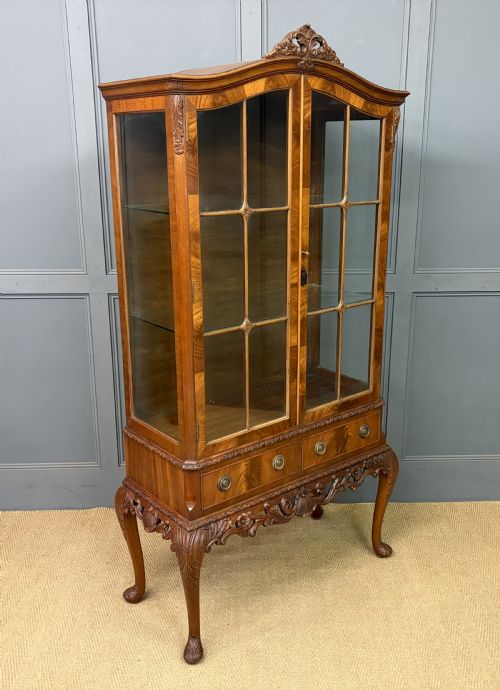
Proportion and structural elaboration also define the tier of a piece, from simple corner cupboards to breakfront cabinets on stands and cabinets featuring detailed carved elements.
Maple & Co.·Edwards & Roberts
The Edwardian Astragal Glazed Vitrine Glossary
- Astragal glazing
- Wood or metal mouldings that divide a glass window or door panel into smaller panes. This technique creates a delicate grid pattern characteristic of period display furniture.
- Vitrine
- A glass-fronted cabinet designed for displaying fine objects, porcelain, or curiosities. These pieces often feature glass sides to maximise light penetration.
- Bijouterie cabinet
- A shallow glass-topped or glass-sided display case intended for jewellery, medals, and small decorative items. They frequently sit on slender legs.
- Sheraton Revival
- A late 19th and early 20th century design style inspired by the 18th century work of Thomas Sheraton. It relies on graceful proportions, satinwood, and refined inlay.
- Marquetry
- Decorative veneer applied to furniture in patterns using different woods, metals, or other materials. It forms pictorial or abstract ornamentation on cabinet doors and cornices.
Edwardian Astragal Glazed Vitrine: Frequently Asked Questions
What is an astragal glazed vitrine?
An astragal glazed vitrine is a display cabinet featuring glass panes held within a framework of wooden bars called astragals. These cabinets were designed to protect and display china, books, and decorative objects.
Cabinet makers produced them in various forms, including corner units, wall-hanging cupboards, and floor-standing breakfront designs during the late 19th and early 20th centuries.
How were these cabinets used?
Original owners used these cabinets primarily in drawing rooms and parlours to showcase valuable porcelain, silver, and curiosities. The glass panels allowed guests to admire collections while keeping dust away.
Bijouterie variants held smaller items like jewellery and medals under glass tops, functioning as both tables and display cases.
What woods were used?
Mahogany is the predominant timber found in these listings, frequently decorated with satinwood inlay or marquetry. Cabinet makers also utilised oak, walnut, and satinwood.
Surfaces often highlight the natural grain of the wood, supplemented by contrasting stringing and decorative panels.
How do I style a vitrine at home?
These cabinets suit living rooms, dining rooms, and hallways as focal points for curated collections of ceramics and glassware. Their slim profiles and glass panels maintain an open feel in smaller spaces.
Corner cabinets utilise unused room angles, while floor-standing and wall-hanging models draw the eye upward to display items at eye level.
How do I identify the period?
Dating relies on stylistic cues, timber choices, and construction methods associated with the Edwardian era and revival movements. Pieces often reflect Sheraton, Chippendale, or Queen Anne revivals popular around the turn of the 20th century.
Catalogued items span from the late 19th century through the 1930s, showing shifts from Victorian heaviness to lighter Edwardian elegance.