
Edwardian Astragal Bookcase
An edwardian astragal bookcase combines delicate timber framing with glazed display, offering a practical home for a growing library.
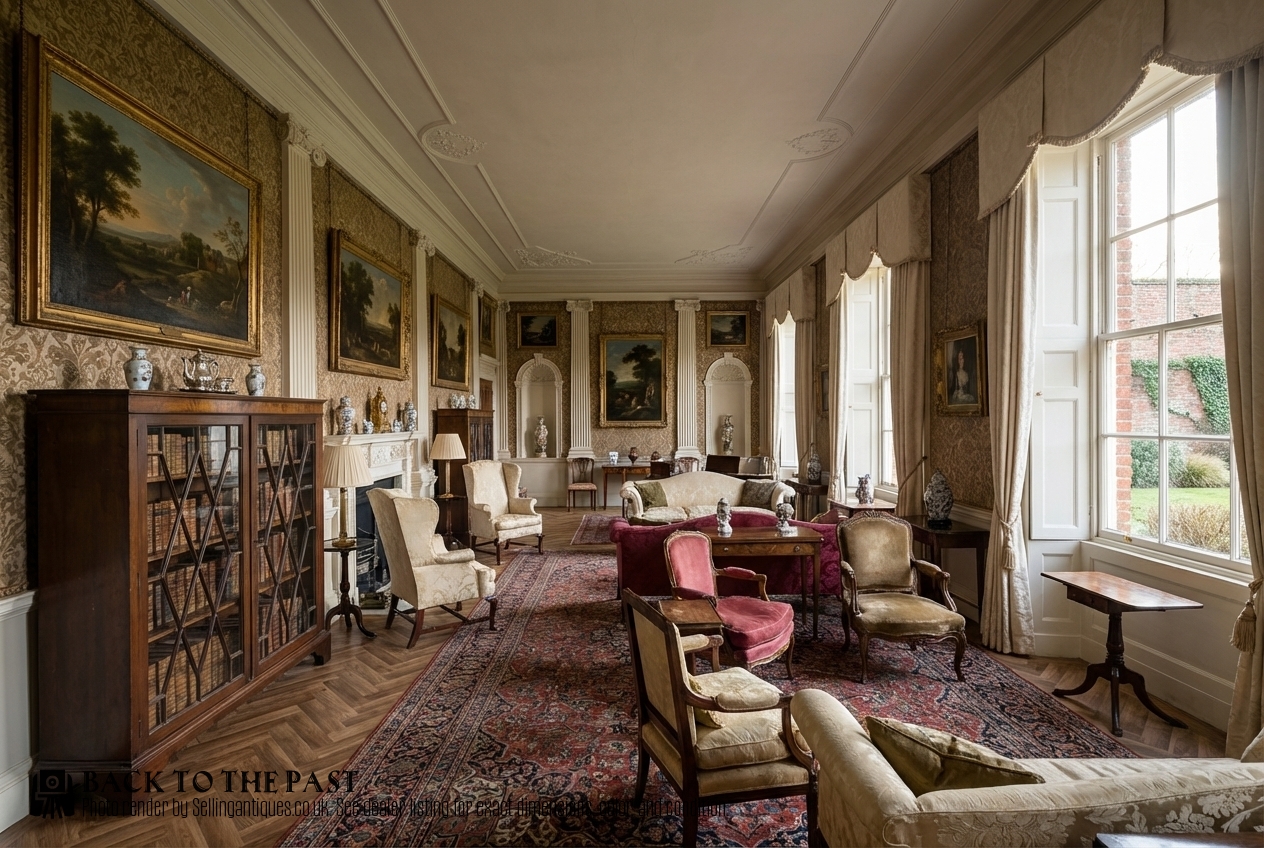
Edwardian Astragal Bookcase
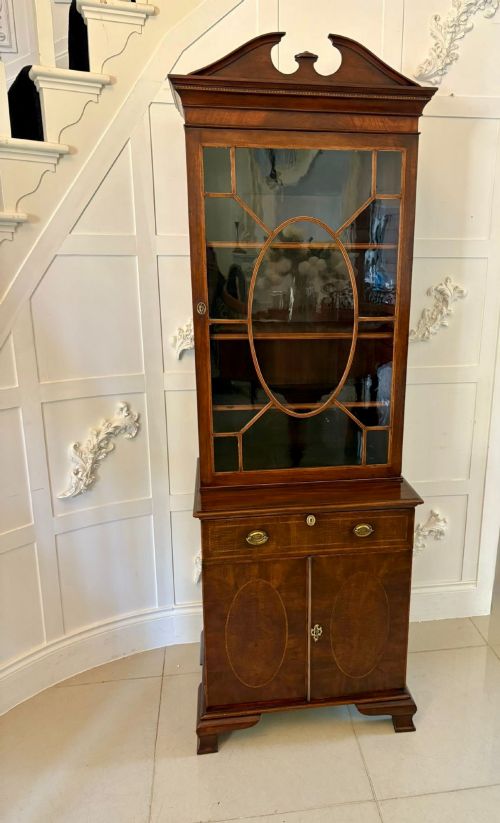
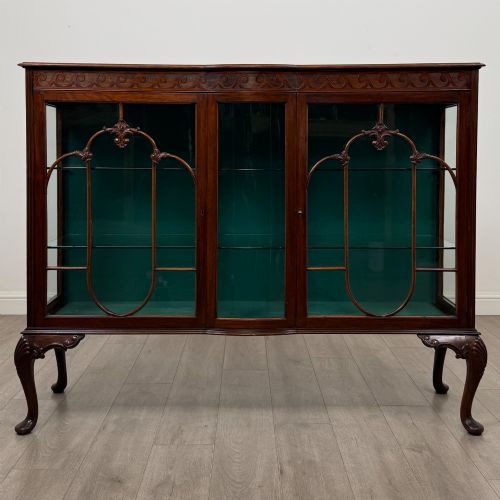
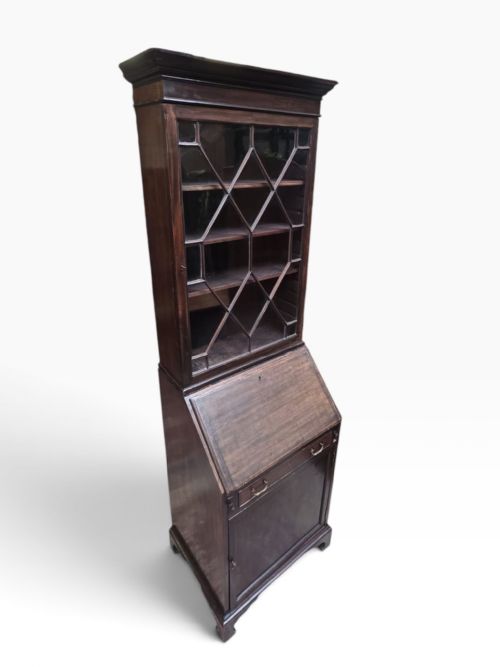
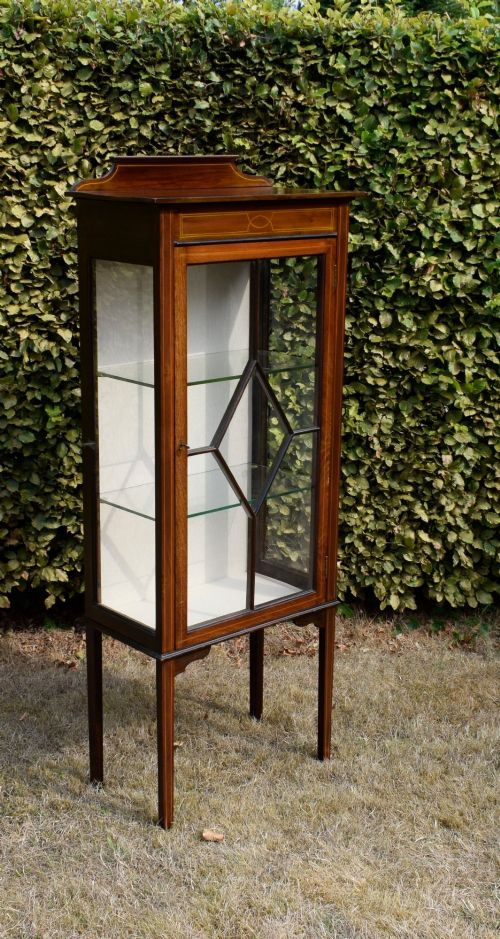
When searching for an edwardian astragal bookcase, collectors encounter tall upright cabinets alongside smaller bureau bookcases and display units built around the turn of the twentieth century. The Edwardian pieces dominate the selection, though revival influences from the Georgian and Sheraton periods frequently shape the overarching design.
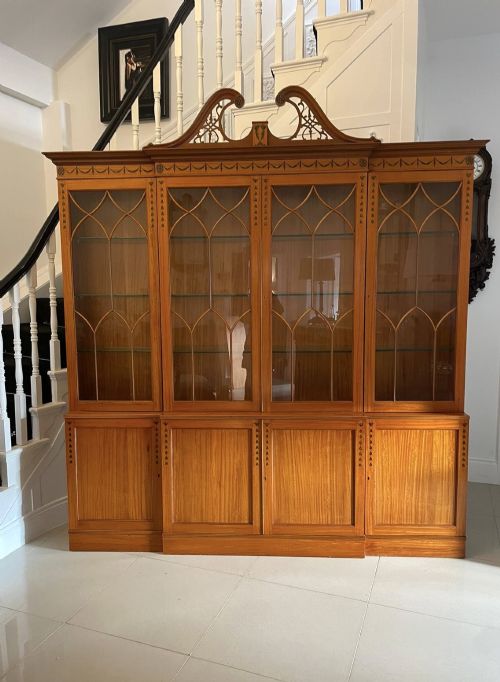
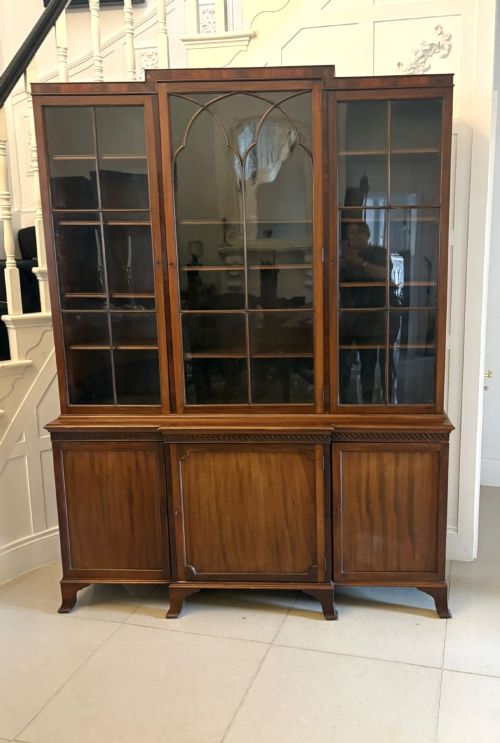
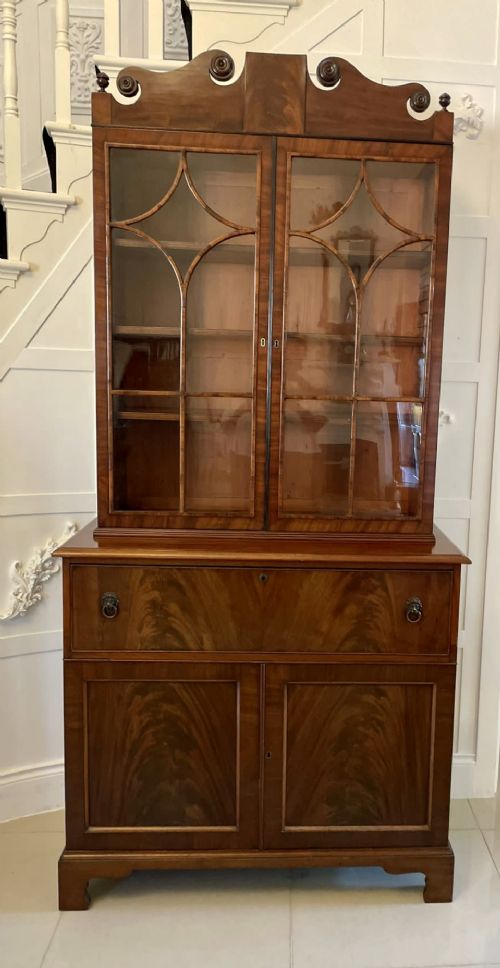
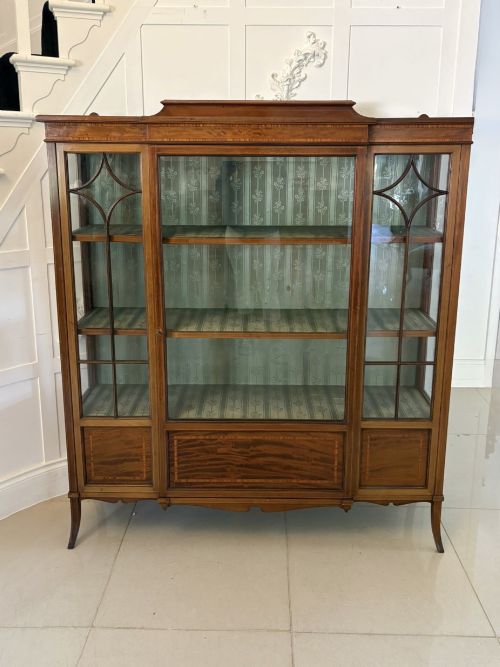
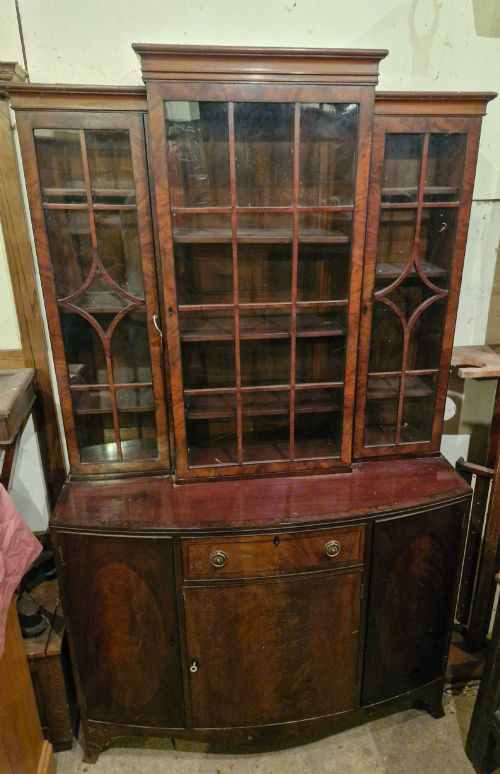
Makers of this era also produced breakfront display cabinets and smaller writing desks featuring glazed upper doors. These tall storage pieces bridge the gap between heavy Victorian furniture and lighter Edwardian interior layouts.
Materials and Construction
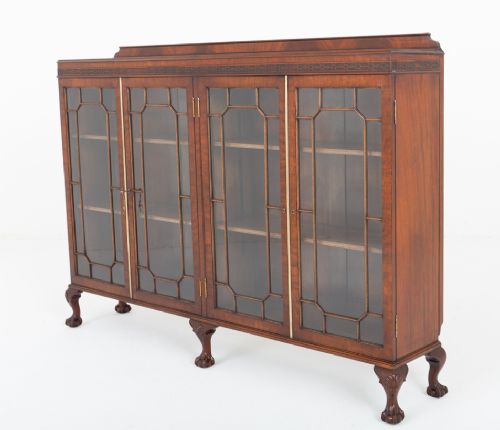
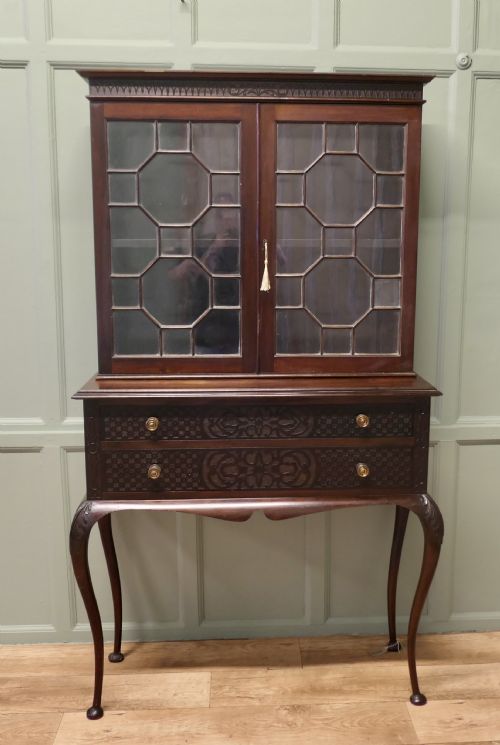
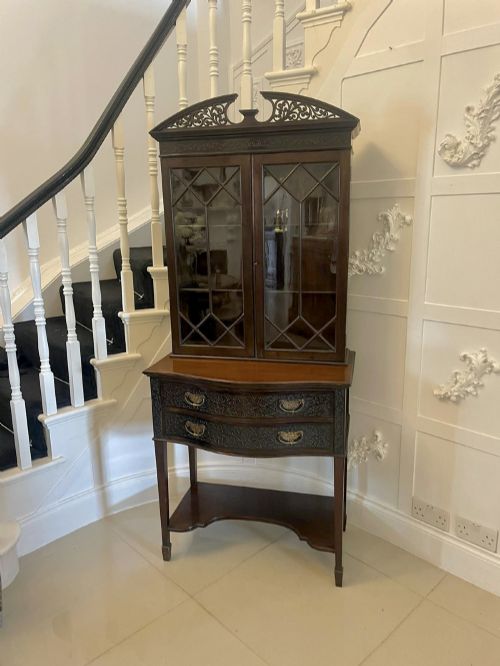
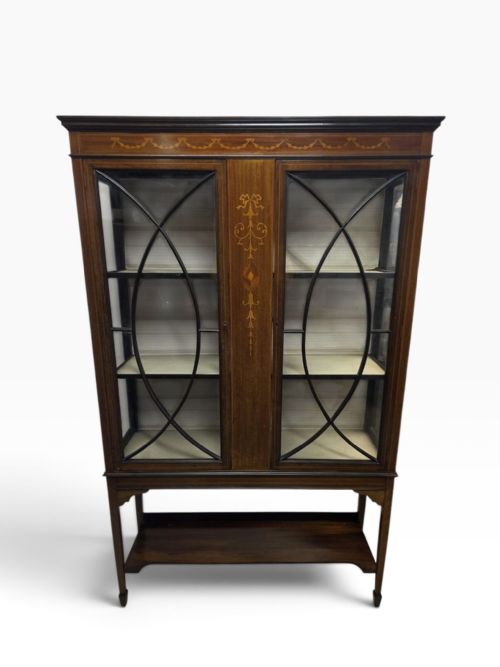
Makers constructed these cabinets primarily in solid and veneered mahogany, frequently incorporating satinwood inlay and brass hardware to accent the timber grain. Burr walnut and oak appear alongside standard mahogany timbers in specific regional pieces.
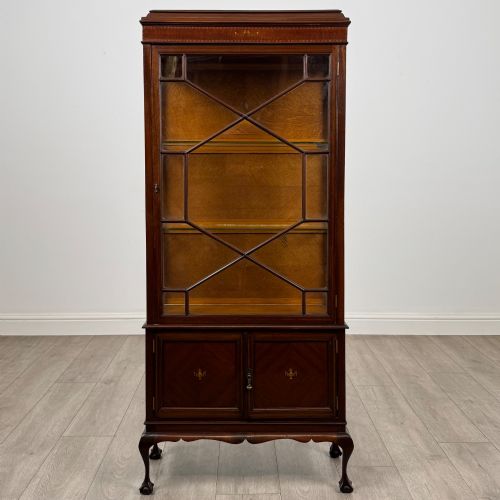
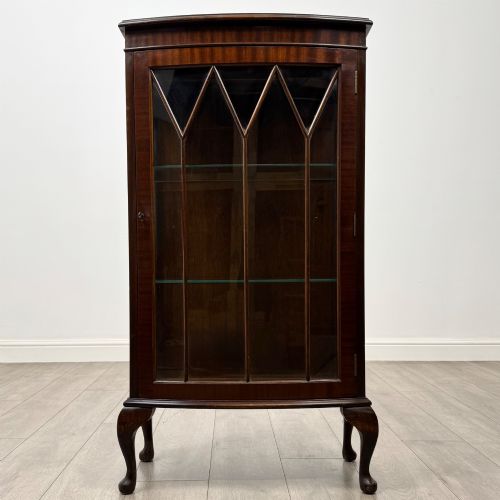
The defining characteristic involves the astragal bars - wooden or brass strips dividing the glass panes into geometric patterns. Craftsmen fitted these individual panes within glazed doors that opened to adjustable shelving inside the main cabinet body.
Listings feature mahogany, satinwood, and burr walnut cabinets constructed across the Victorian, Edwardian, and Georgian revival periods.
Assessing Craftsmanship
Superior examples separate themselves through precise joinery in the individual astragal bars and the crispness of any inlaid satinwood decoration. Cabinets featuring figured mahogany veneers and well-balanced proportions command higher regard among collectors.
The integration of fitted bureau desks or specialised drawers adds complexity to the construction that distinguishes standard production furniture from workshop pieces bearing maker stamps.
Maple & Co.·Tudor & Burrey·Wylie and Lochhead·Gillows
The Edwardian Astragal Bookcase Glossary
- Astragal
- Moulding strips that divide a glass window into smaller panes. These delicate wooden bars form the classic grid pattern seen on period bookcase doors.
- Bureau bookcase
- A writing desk combined with a shelved cabinet top. The sloping fall-front opens to reveal small drawers and pigeonholes above the main storage section.
- Breakfront
- A cabinet design where the central section projects forward from the flanking wings. This architectural arrangement creates depth and visual interest in large library pieces.
- Satinwood inlay
- Contrasting light timber veneers set into a darker mahogany surface to create decorative borders. Craftsmen used this technique extensively during the Sheraton Revival phase.
- Bijouterie cabinet
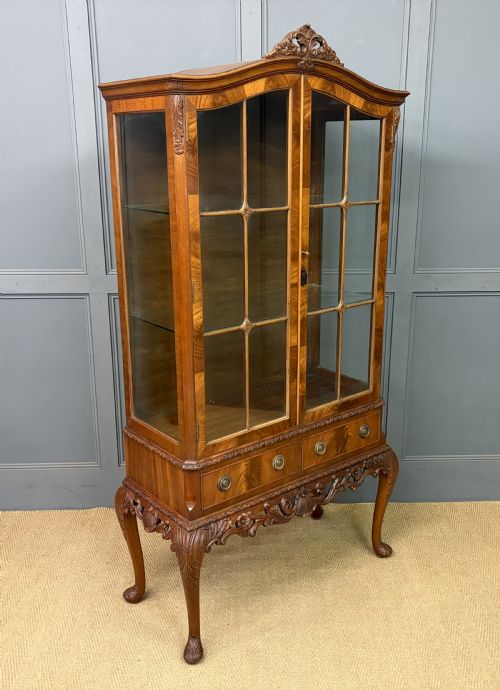
- A glazed display table or cabinet designed specifically for showing small precious objects. These items feature glass panels on multiple sides for maximum visibility.
Edwardian Astragal Bookcase: Frequently Asked Questions
How do I spot a true Edwardian piece?
Look for lighter timber tones, refined satinwood inlay, and slender proportions that distinguish these cabinets from heavier Victorian furniture. The combination of Edwardian construction methods and Georgian revival motifs provides a reliable indicator of date.
Examine the interior woodwork and secondary timbers used in the drawer linings for further confirmation of the period. Maker labels or stamps from firms active around nineteen hundred also help verify authenticity.
What is an astragal glaze?
An astragal glaze refers to individual glass panes held together within a lattice of narrow wooden or brass bars. This technique breaks up large glass surfaces into smaller geometric shapes characteristic of period library furniture.
The fine framing protects the glass while offering an unobstructed view of the book bindings kept inside the cabinet.
Are bureau bookcases practical for daily use?
The fold-down writing surface provides a dedicated writing desk that closes up to conceal stationery and paperwork. Internal pigeonholes and small drawers help organise modern correspondence.
Below the desk, cabinet doors or larger drawers offer enclosed storage space for household items or extra books.
How should I care for mahogany surfaces?
Keep wooden cabinets away from direct sunlight and radiators to prevent the mahogany timber from drying out or splitting. Dust regularly with a soft dry cloth and apply occasional wax polish to maintain the finish.
Ensure the glass doors are cleaned with non-abrasive solutions to protect the surrounding wood frame and astragal bars.