



Edo Style Porcelain Plates
Edo style porcelain plates bring the colour and hand-painted detail of Japanese craft into your home.
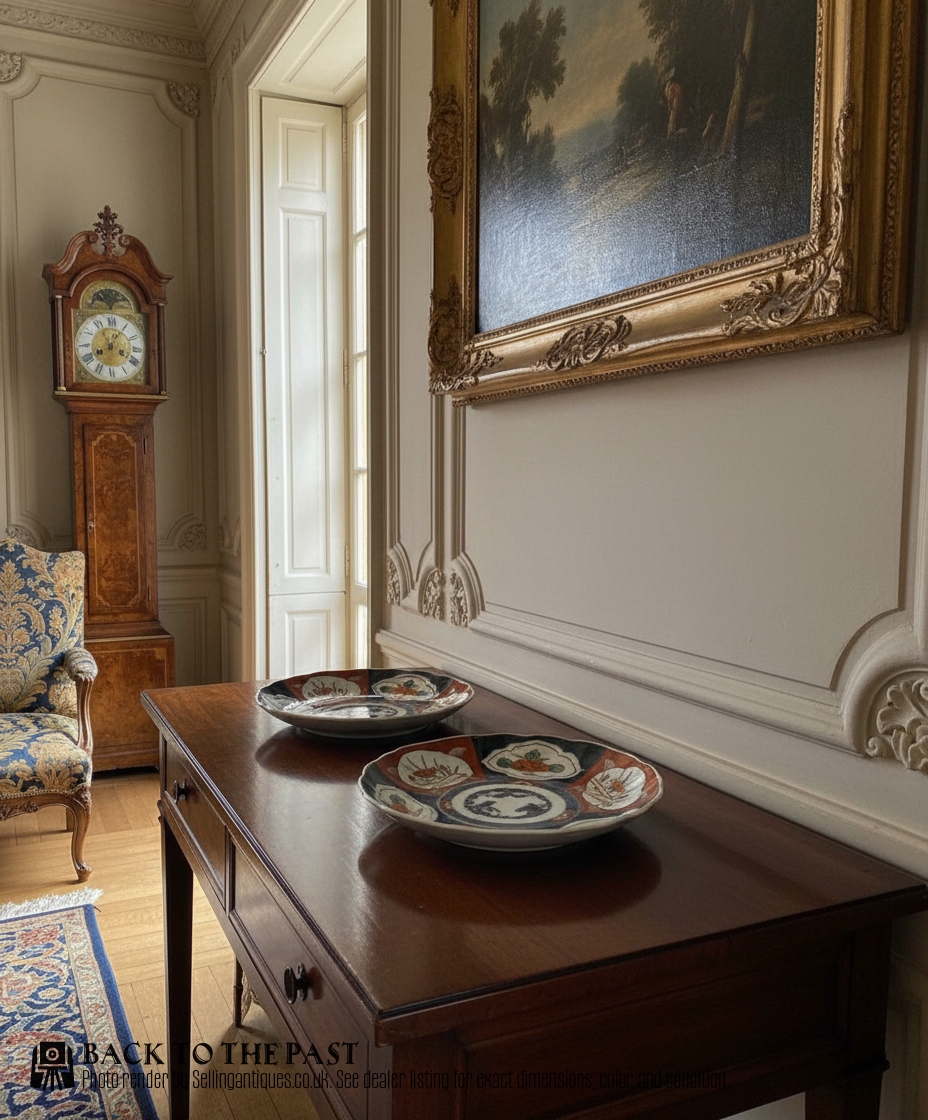
Edo Style Porcelain Plates
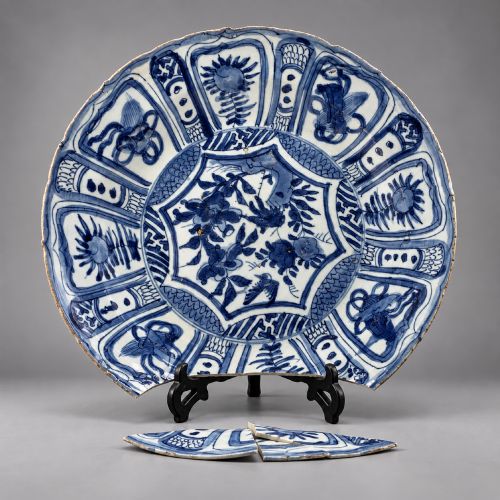
Edo style porcelain plates encompass decorative plates, chargers, and dishes originating from Japan across several periods. You will encounter pieces dating from the seventeenth century through to the early twentieth century, including items attributed to the Edo period and later eras.
Materials and construction
These pieces are fashioned from porcelain and finished with enamel, glaze, and cobalt pigment or cobalt underglaze. Artisans applied cobalt glaze and gold leaf or gilt details to enhance the surface decoration.
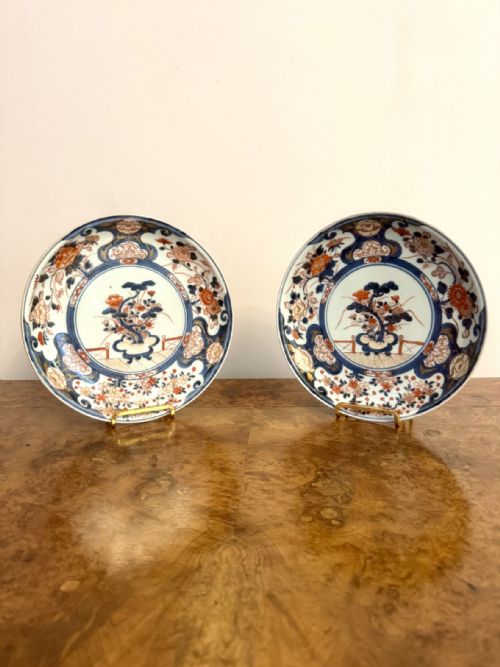
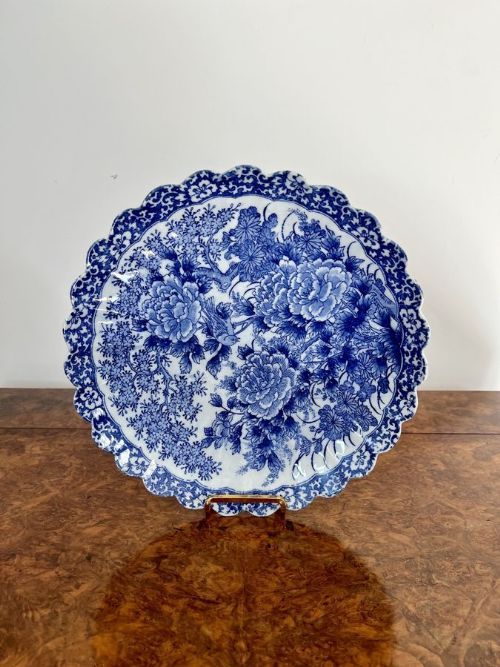
Makers utilised hand-painted techniques to create the characteristic Japanese Imari and blue and white patterns found across the chargers and dishes.
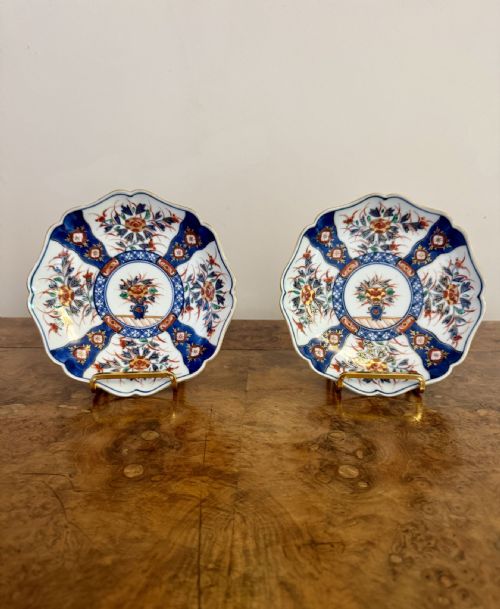
Some plates feature unusual shaped edges that refuse to sit quietly in a round, bringing unexpected geometry to the wall.
Assessing quality in the range
Quality separates standard production wares from outstanding examples through the precision of the hand-painted brushwork and the vibrancy of the enamels. Early seventeenth-century specimens demonstrate distinct historical significance compared to later nineteenth-century items.
The application of gold leaf and cobalt underglaze dictates the visual depth of each charger or plate. Exceptional pieces display superior control over the glaze and pigment interactions.
The Edo Style Porcelain Plates Glossary
- Imari
- A style of Japanese porcelain decorated in underglaze blue, iron red, and gold. This tradition originated in the Edo period and remains a defining aesthetic for these plates.
- Charger
- A large decorative plate utilised historically for display rather than dining. These substantial pieces showcase elaborate hand-painted designs.
- Cobalt Underglaze
- A blue pigment applied to the porcelain body before the application of a clear glaze and subsequent firing. This technique produces durable blue details.
- Scalloped Edge
- A decorative border shaped into a series of curves resembling a scallop shell. This contour appears frequently on plates and dishes from the collection.
Edo Style Porcelain Plates: Frequently Asked Questions
How are edo style porcelain plates displayed?
These pieces function primarily as decorative items rather than tableware. Large chargers and plates suit wall mounting or display on specialist stands to showcase the hand-painted details.
Placing them in rooms with stable light levels protects the enamel and gold leaf elements from environmental wear.
What is the difference between Imari and blue and white?
Imari porcelain typically combines cobalt underglaze blue with iron red and gold leaf highlights. Blue and white wares rely solely on cobalt pigment beneath the glaze.
Both styles appear across different periods in the listings, representing distinct decorative traditions from Japan.
How do you date an antique porcelain plate?
Dating relies on stylistic indicators, manufacturing techniques, and material composition recorded across the periods from the seventeenth century to the twentieth century. Earlier seventeenth-century pieces exhibit distinct characteristics compared to nineteenth-century examples.
Examining the glaze, cobalt pigment, and potting style helps establish the likely era of origin.
Are chargers larger than standard plates?
Chargers are significantly larger than standard plates and were traditionally designed as ornamental centrepieces. They provide a broader canvas for complex hand-painted Japanese Imari patterns.
Standard plates and dishes offer smaller formats suited to cabinet display or smaller wall spaces.