

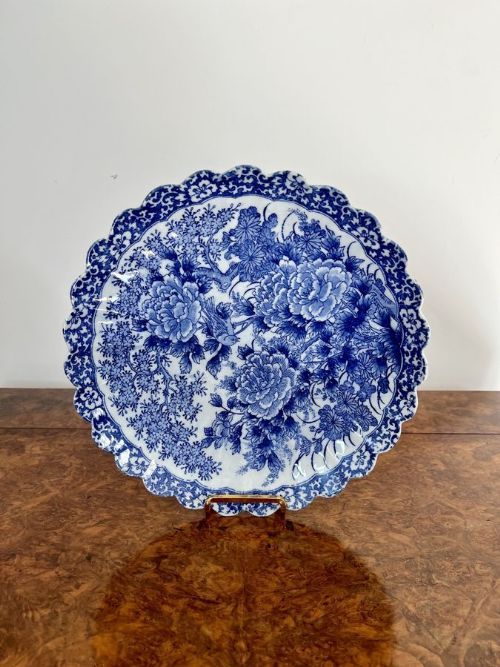


Edo Style Porcelain Charger
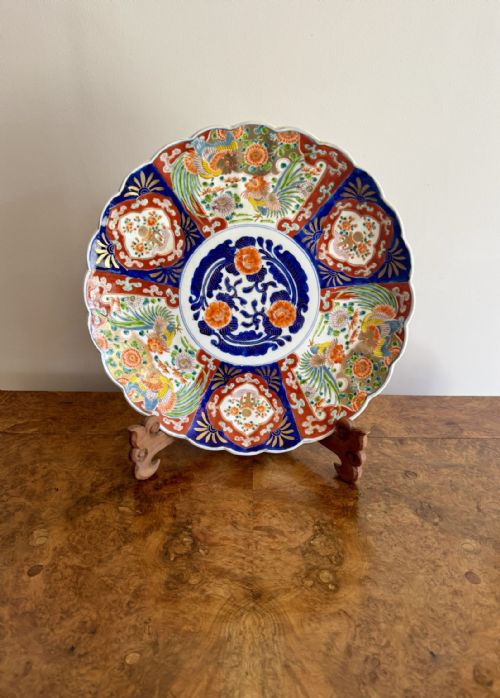
These edo style porcelain charger pieces offer striking Japanese Imari and blue and white aesthetics for any collector.

Edo Style Porcelain Charger
An edo style porcelain charger represents a traditional form of large Japanese decorative plate, frequently encountered in periods spanning the seventeenth century through to the early twentieth century. Buyers seeking this phrase encounter circular plates and chargers showcasing distinct Japanese Imari and blue and white designs. These items originate from Japanese production contexts, bringing historical ceramic artistry into modern domestic spaces.
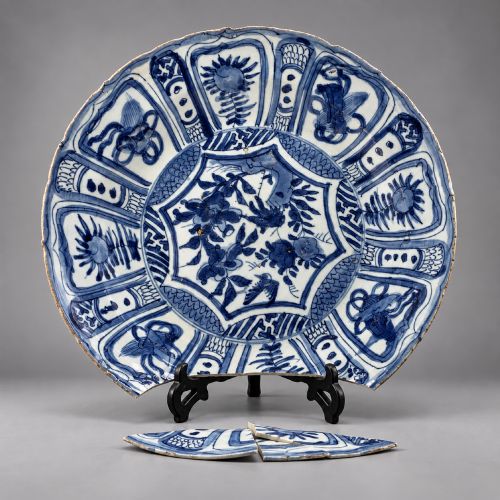
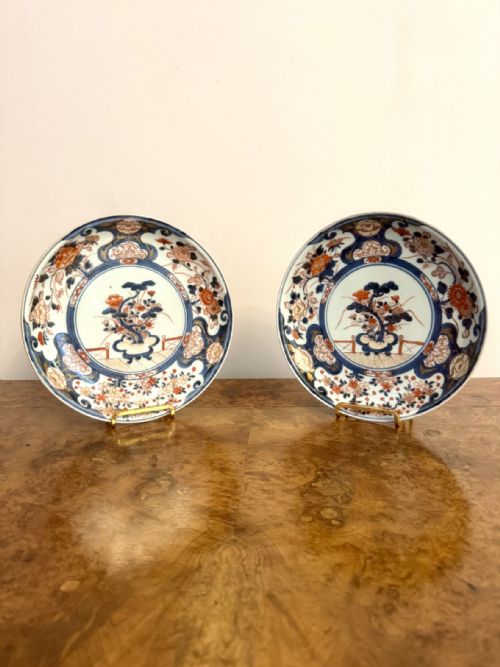
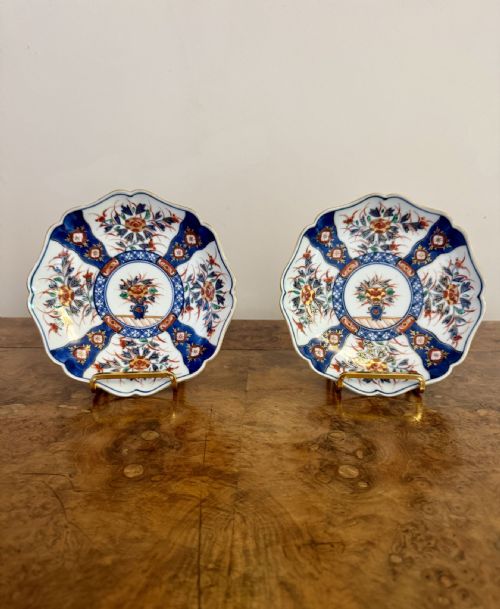
The selection here encompasses decorative plates and chargers dated from the 17th Century, 1850, 1890, 19th Century, 1900, and 1920. Pieces range from large seventeenth-century blue and white porcelain chargers requiring careful handling to pairs of Imari plates from later decades. Scalloped shapes and unusual contours appear alongside standard circular chargers.
How they were made
These items rely upon porcelain bodies decorated with cobalt underglaze, cobalt pigment, and cobalt glaze to achieve their characteristic blue tones. Enamel and gilt applications, including gold leaf, provide contrasting surface decoration across many examples. Hand-painted techniques dominate the production methods recorded in these listings.
Makers shaped the porcelain into plates and large chargers, applying glazes before firing. Artisans then added detailed pigments and gold highlights to the hardened surfaces, combining technical skill with traditional Japanese ceramic methods.
Even seventeenth-century chargers occasionally need a little TLC.
What varies in quality
Distinctions in quality rest on the precision of the hand-painted detailing and the complexity of the Imari or blue and white compositions. Earlier examples from the seventeenth century carry historical weight, while nineteenth and twentieth-century pieces demonstrate varying degrees of fineness in their enamel and gilt applications.
The integrity of the porcelain body and the preservation of surface gold leaf influence the overall standing of an individual charger or plate. Scalloped edges and unusual shapes demand greater technical proficiency from the potter, elevating the execution of the piece.
The Edo Style Porcelain Charger Glossary
- Charger
- A large decorative plate traditionally used for ceremonial display rather than daily dining. These substantial pieces provide a wide canvas for intricate ceramic painting.
- Imari
- A traditional style of Japanese porcelain featuring distinctive palettes of blue, iron red, and gold. This decorative approach became widely popular across export markets.
- Cobalt Underglaze
- A blue pigment applied to the raw porcelain body before glazing and firing. This technique protects the pigment beneath a glossy ceramic layer.
- Gilt
- A thin layer of gold applied to the surface of the porcelain as decoration. It highlights specific design elements alongside enamel colours.
Edo Style Porcelain Charger: Frequently Asked Questions
What is an edo style porcelain charger?
An edo style porcelain charger is a large decorative ceramic plate created in traditional Japanese patterns. These pieces function primarily as display items rather than functional tableware.
They reflect historical production methods, incorporating hand-painted blue and white designs or Imari palettes.
How were these chargers used?
Historically, large chargers served as ornamental display pieces on sideboards or walls within wealthy interiors. Their substantial size made them focal points for artistic appreciation.
Today, collectors utilise them similarly to showcase traditional Japanese ceramic craftsmanship.
How do I identify the period?
Dating relies on stylistic markers, painting quality, and ceramic composition recorded across periods from the seventeenth to the early twentieth century. Seventeenth-century examples differ visibly in body and blue tones from nineteen-hundreds production.
Examining the glaze and pigment application helps determine the chronological origin of each plate.
Are these plates hand-painted?
The listings confirm that these items involve hand-painted artistry using cobalt pigments and enamel details. Artisans applied these decorative layers manually before final firing.
This technique ensures individual variation across every charger and plate.