



Edo Period Decorative Dishes
These edo period decorative dishes bring centuries of Japanese ceramic and enamel artistry into the home through plates, bowls and chargers.
Edo Period Decorative Dishes
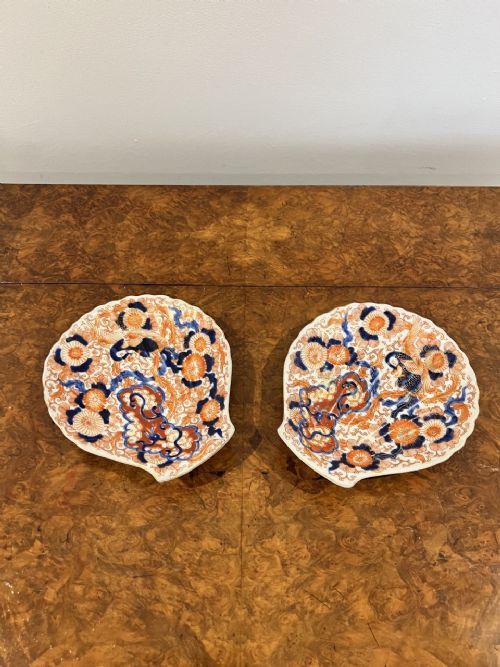
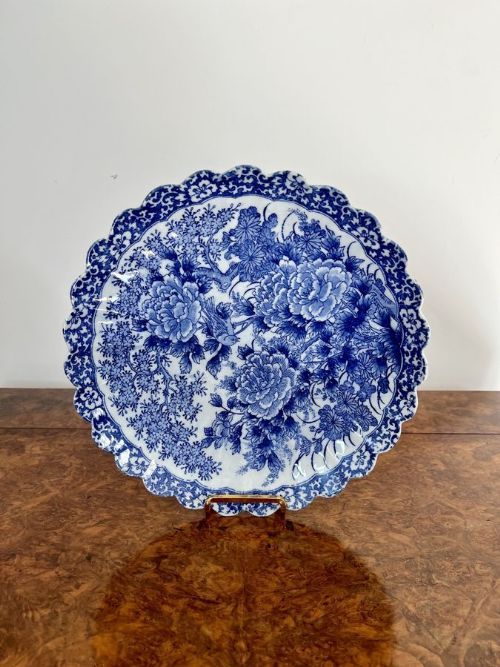
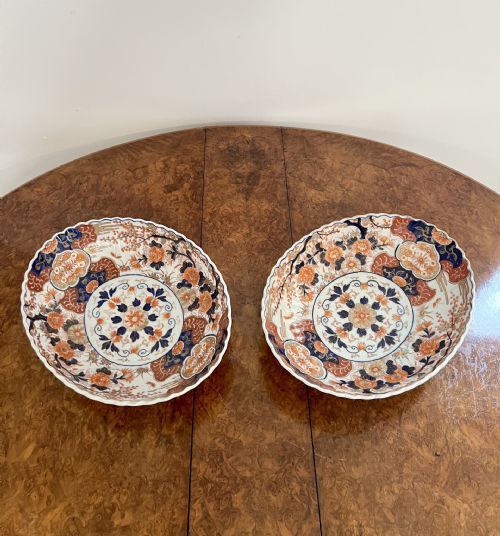
When searching for edo period decorative dishes, collectors encounter an array of plates, bowls and chargers created across several centuries. The selection includes porcelain forms adorned with Japanese Imari patterns alongside cloisonne enamel chargers featuring birds, fish and dragons.
The majority of pieces span the eighteenth and nineteenth centuries, featuring Arita wares and shell-shaped dishes. These items range from large display chargers to smaller scalloped plates designed for visual appreciation.
Materials and construction
Potters and artisans utilised porcelain, copper and brass as the foundational bases for these works. Cobalt underglaze, enamel and gold leaf were then applied by hand to build intricate surface designs.
Cloisonne pieces integrate wired enamel detailing on metal bodies, whilst ceramic works rely on traditional glazing techniques. Firing methods achieved the durable finishes visible on chargers and bowls surviving from the period.
Listings feature pieces spanning the seventeenth to the early twentieth century, incorporating porcelain, enamel and wood.
Differentiating quality in the range
Quality rests upon the precision of the hand-painted brushwork and the complexity of the cobalt underglaze or enamel detailing. Superior examples exhibit deliberate composition within scrolling foliate borders and clear depiction of auspicious symbols.
The scale and ambition of the piece also distinguish the work, particularly on large chargers featuring intricate bird or dragon motifs. Finer specimens maintain crisp outlines and balanced colour palettes across the entire surface.
The Edo Period Decorative Dishes Glossary
- Imari
- A style of Japanese porcelain featuring distinctive blue, red and gold decoration. Originating in Arita, these wares gained widespread popularity for their vibrant palettes.
- Cloisonne
- A decorative metalwork technique utilising wire cells filled with enamel paste. Artisans fire these pieces multiple times to achieve a smooth coloured surface.
- Arita
- A Japanese town renowned for its ceramic production and porcelain kilns. Wares originating here form a significant portion of early decorative dishes.
- Charger
- A large decorative plate intended for display rather than dining use. These substantial pieces often showcase the most elaborate artistry.
- Scalloped
- An edge finished with curved indentations resembling a scallop shell. This decorative shaping appears frequently on plates and bowls from the period.
Edo Period Decorative Dishes: Frequently Asked Questions
How were edo period decorative dishes used?
These pieces served primarily as display items and presentation vessels within Japanese homes. Large chargers and decorative plates were showcased on stands or hung to highlight their painted motifs.
Smaller dishes and bowls also held delicate foodstuffs or functioned as presentation pieces in fitted boxes. Their intricate designs ensured they functioned as works of art rather than everyday utilitarian tableware.
How do I identify Arita porcelain?
Arita porcelain is recognised through its fine ceramic body and characteristic blue and white underglaze painting. Many pieces feature scrolling foliate borders and traditional Japanese motifs.
Later examples incorporate the rich Imari palette of iron red and gold alongside the foundational blue. The weight and smoothness of the glaze offer further clues to their origin.
What is the difference between Imari and cloisonne?
Imari describes a ceramic tradition utilising porcelain painted with cobalt underglaze and enamel colours. These pieces rely on fired glazes for their colourful surfaces.
Cloisonne involves metal bases of copper or brass decorated with wire compartments filled with enamel. This technique creates a tactile, compartmentalised design rather than a painted ceramic finish.
How should I display large chargers safely?
Large chargers require sturdy wall mounts or dedicated display stands designed to support heavy porcelain and metal objects. Position them away from high-traffic areas to prevent accidental knocks.
Keep pieces out of direct sunlight to protect the enamel colours and gold leaf details over time. Stable shelving ensures these substantial items remain secure.