


Ebony Wood Carving
An ebony wood carving brings dense, dark tropical timber and intricate regional artistry directly into a room.
Ebony Wood Carving
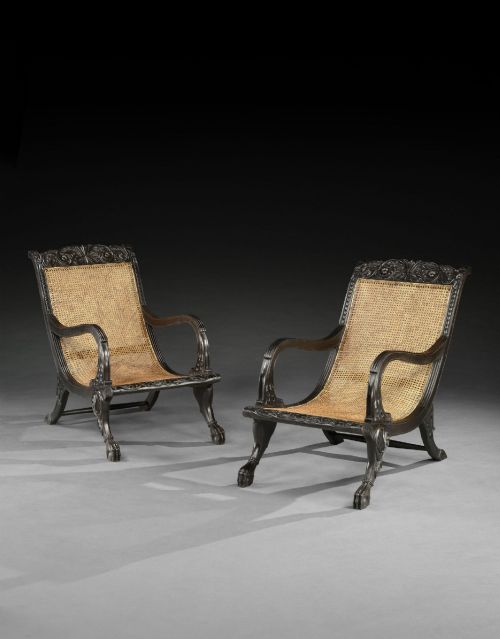
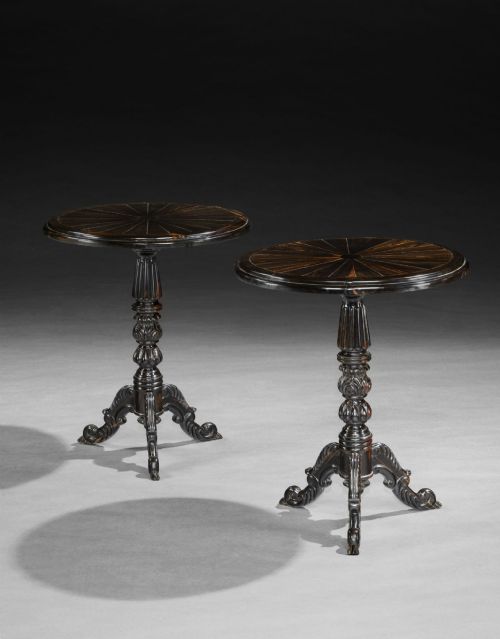
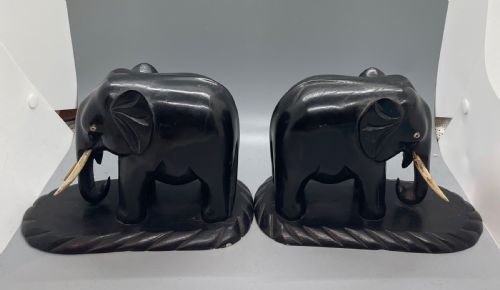
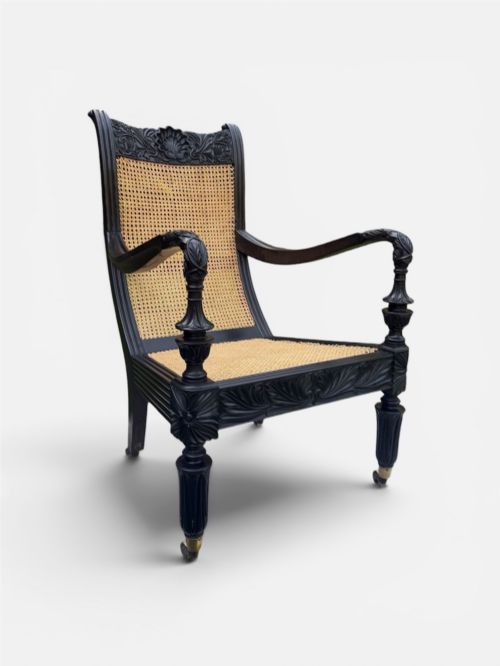
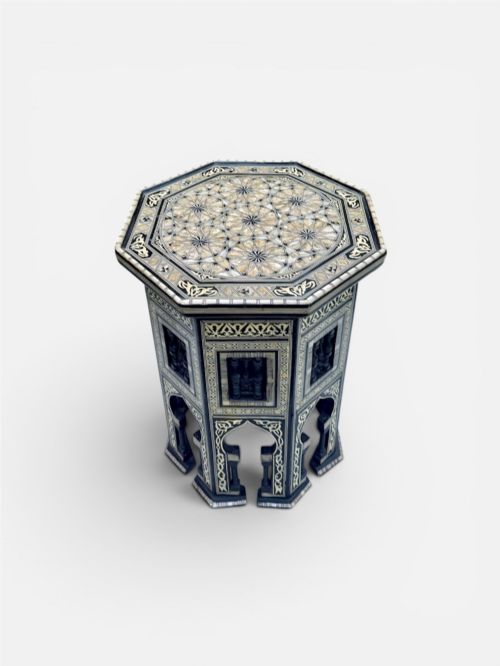
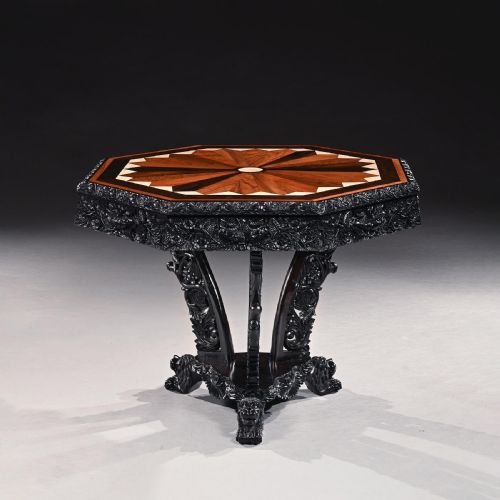
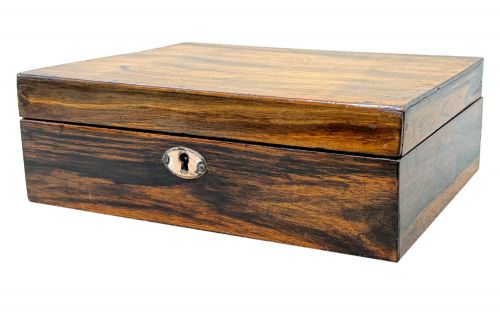
An ebony wood carving covers dense tropical timber shaped into figures, furniture, and boxes across the nineteenth and twentieth centuries. The selection on this page includes nineteenth-century armchairs, centre tables, and writing boxes alongside animal sculptures and bookends from the Victorian and Art Deco eras.
Makers from regions such as Ceylon, India, and Africa produced these items utilising native hardwoods. Buyers will encounter sculptural animal studies, particularly elephants, alongside intricate occasional tables and storage boxes inlaid with bone or specimen woods.
Materials and construction methods
Craftspeople relied upon solid ebony, coromandel, and other dense hardwoods, often selecting timber for its natural dark heartwood. Artisans shaped these heavy materials using hand chisels and gouges to achieve deep relief carving.
Many items incorporate contrasting inlays of bone, ivory, or lighter specimen woods to accentuate the dark ground. Joinery on furniture and boxes relies on traditional pinned and dovetailed construction designed to hold heavy timber rigid.
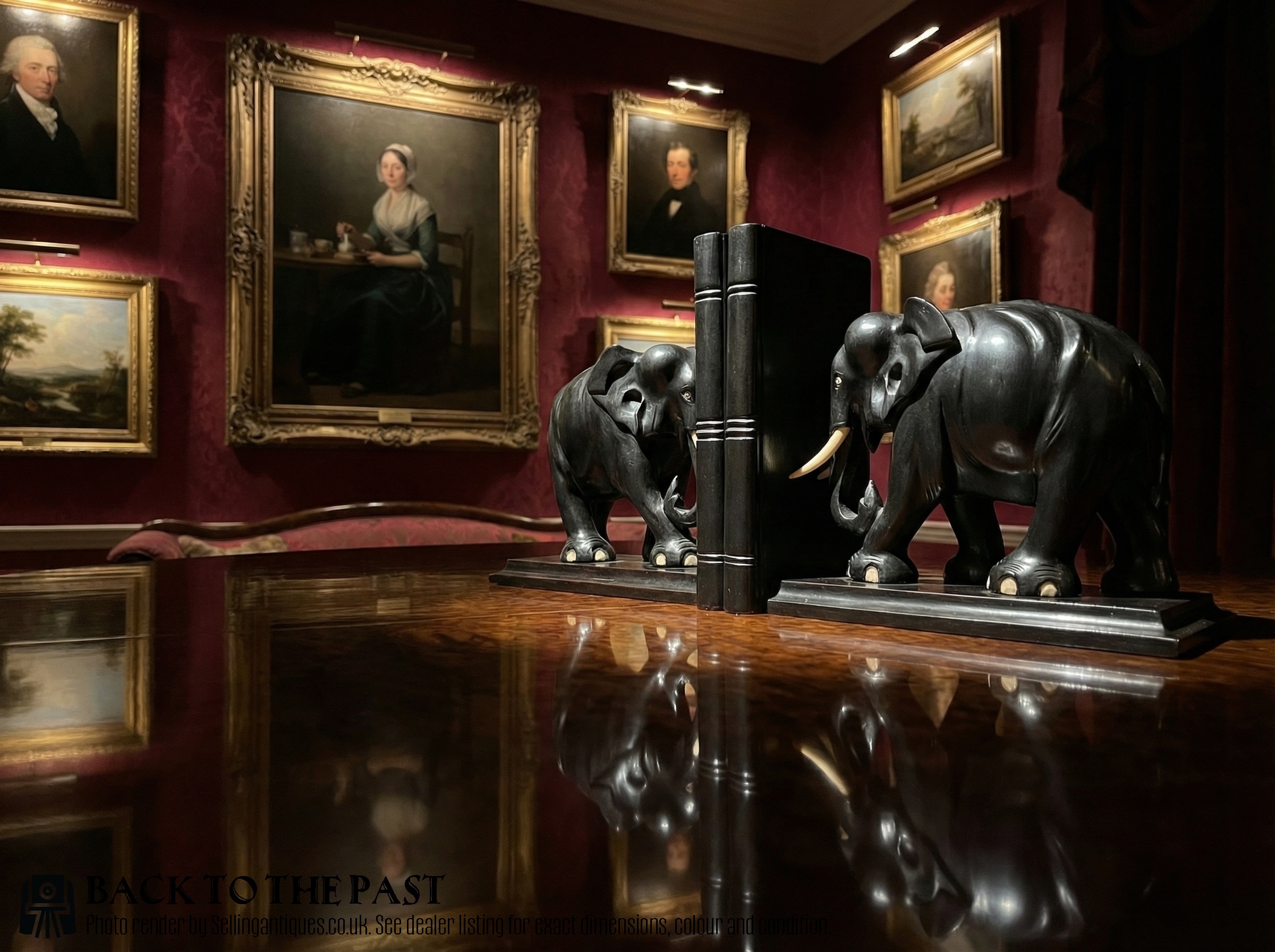
An unexpected number of Victorian pachyderms stand ready to hold your heavy reading matter upright.
What separates the finest examples
Quality rests on the crispness of the chisel work and the depth of the relief carving. Sharp, undercut details on foliage or animal figures distinguish superior workshop output from simpler, softer execution.
The selection of the timber itself dictates grade, with dense, uniform black heartwood and well-matched specimen wood inlays marking the upper tier. Structural integrity in heavier furniture and the intact survival of delicate inlay work also separate standard pieces from exhibition standard items.
The Ebony Wood Carving Glossary
- Ebony
- A dense, hard black wood yielded by several species of trees, chiefly tropical. It takes a high polish and resists decay.
- Specimen wood
- Small pieces of various naturally coloured timbers used together in geometric or mosaic patterns. This technique highlights contrasting grains without the use of stain.
- Anglo-Indian
- A term describing furniture and decorative objects made in India under British rule, often combining European forms with local carving traditions. Ceylonese work shares these hybrid stylistic traits.
- Macassar ebony
- A distinct timber featuring warm brown and golden stripes alongside dark brown or black areas. It comes from an Indonesian persimmon species.
- Work box
- A portable container fitted with compartments for sewing implements, threads, and small tools. They frequently feature elaborate exterior carving and fitted interiors.
Ebony Wood Carving: Frequently Asked Questions
How do I care for solid ebony furniture?
Keep these dense timber pieces away from direct heat sources and sudden humidity shifts to prevent splitting. Dust gently with a dry, soft cloth and apply a minimal amount of appropriate wax polish only when the wood appears dry.
Avoid liquid cleaners and silicone sprays, which can penetrate open grain and discolour intricate carvings. Proper environmental stability preserves the natural polish of the dark heartwood.
Were these carvings made for export?
Many nineteenth-century carved boxes, tables, and animal figures were produced in regions such as Ceylon and the Indian subcontinent specifically for the European market. British officers, merchants, and travellers collected these items as souvenirs of the colonies.
Local workshops adapted traditional motifs to suit Victorian tastes, resulting in distinct hybrid styles. This patronage shaped the production of decorative desks, card cases, and large figurative sculptures.
What is the difference between solid ebony and ebonised wood?
Solid ebony consists entirely of dense, naturally dark tropical heartwood throughout the core of the object. It maintains its dark colour beneath the surface if scratched or worn.
Ebonised wood typically involves a lighter domestic timber, such as beech or fruitwood, treated with a dark stain or paint finish to imitate true ebony. Inspecting the underside or interior helps determine whether the material is solid tropical hardwood.
How do I date an ebony elephant carving?
Dating relies on examining the anatomical proportions, tusks, and base construction against documented nineteenth and twentieth-century examples. Victorian pieces often feature stylised scaling and mounted wooden or ivory tusks.
Later pieces from the Art Deco period adopt more stylised, streamlined silhouettes with simplified forms. Accompanying base work and finishing techniques help narrow the decade of production.