




Ebonised Wooden Chest
An ebonised wooden chest brings a dark, dramatic presence to a room, offering deep tones and striking grain beneath a black finish.

Ebonised Wooden Chest
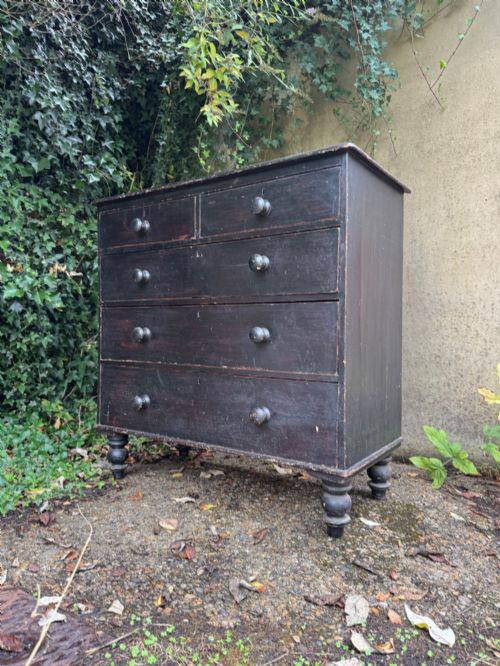
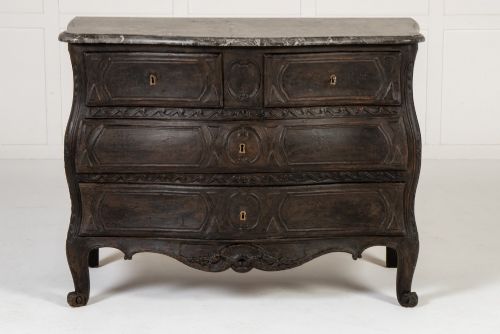
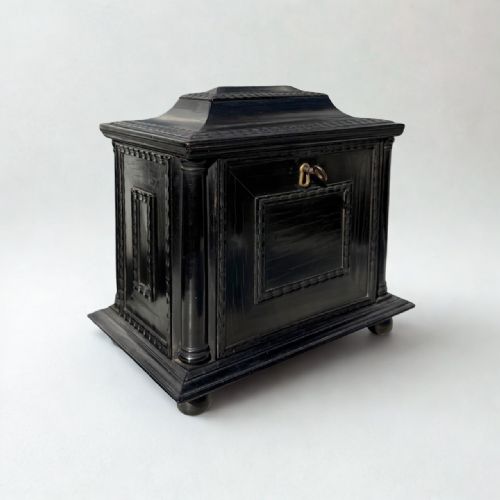
An ebonised wooden chest spans several functional forms, ranging from commodes and coffers to smaller table cabinets and tea caddies. When searching for an ebonised wooden chest, buyers encounter pieces from the seventeenth century through to the twentieth century, reflecting varied regional tastes including French, Flemish and English designs.
The materials beneath the dark surface vary considerably, with evidence showing oak, pine, walnut, rosewood and mahogany used as foundations. Some examples incorporate contrasting woods such as kingwood or employ parquetry and boullework to break the monochrome expanse.
Period styles influence the silhouette significantly, moving from robust seventeenth-century coffers to curvaceous eighteenth-century commodes and structured nineteenth-century chests of drawers. This diversity ensures that the category accommodates both grand formal furniture and smaller utilitarian trunks.
Materials and construction methods
Makers achieved the characteristic dark finish through ebonising, a process of staining wood to imitate more costly ebony. This technique was frequently applied to dense timbers like oak and fruitwoods, occasionally complemented by brass mounts or marquetry details.
Cabinetmakers utilised traditional joinery suited to the period, creating structural stability in large commodes and precise compartments in smaller table caskets and tool chests. Surface decoration often combined the deep black stain with gilt highlights, parquetry patterns or contrasting burr elm and kingwood veneers.
Listings feature pieces spanning from the 17th century to the 20th century, utilising oak, pine, walnut, and mahogany beneath ebonised finishes.
Assessing craftsmanship and finish
Quality rests heavily on the depth and durability of the ebonised finish, alongside the integrity of the underlying timber construction. Superior examples maintain a rich, even tone that enhances rather than obscures the wood grain beneath.
The refinement of brass hardware, internal fitting arrangement, and the precision of any parquetry or marquetry inlay distinguish finer cabinetwork from simpler utilitarian trunks and coffers. Balance in proportions and the crispness of carved details further separate standard production from exceptional pieces.
The Ebonised Wooden Chest Glossary
- Ebonised
- Wood treated with a dark stain or finish to simulate genuine ebony. This process became popular in various periods to achieve a sophisticated, uniform black appearance.
- Commode
- A decorative chest of drawers or low cabinet, often featuring elaborate veneers or shaped fronts. French and Italian examples frequently stand on slender legs.
- Coffer
- A heavy wooden chest traditionally used for storing valuables or household goods. Early examples often display robust joinery and pegged construction.
- Parquetry
- Geometric wood mosaic work used for surface decoration on tabletops, drawers and cabinets. It relies on contrasting wood tones to create patterns.
- Table Cabinet
- A small, portable cabinet designed to sit on a surface for storing precious items or documents. These pieces often feature multiple internal drawers and fine hardware.
Ebonised Wooden Chest: Frequently Asked Questions
How do I date an ebonised wooden chest?
Dating relies on examining the construction methods, handle types, and overarching style characteristics visible in the piece. Seventeenth-century examples often show heavy board construction and pegged joints, whereas later pieces adopt refined drawer linings and distinct period hardware.
Secondary timbers inside drawers and the formulation of the ebonised finish provide further clues. Comparing the silhouette against known stylistic periods helps narrow down the decade of manufacture.
Were these chests used for storage?
Many of these pieces served practical storage functions, from holding clothing in bedrooms to securing tools or documents in specialised work environments. Shipwrights and cabinetmakers utilised robust trunks for portable equipment, while domestic households relied on commodes and coffers for daily organisation.
Smaller iterations, such as table caskets and tea caddies, accommodated precious commodities and personal valuables. Their dual role as decorative furniture and secure storage explains their varied interior layouts.
How do I care for an ebonised surface?
Maintenance involves dusting with a soft, dry cloth to prevent particulate buildup on the dark finish. Avoiding direct sunlight and sustained moisture protects the wood stain from fading or lifting.
Occasional application of appropriate wax polish helps nourish the surrounding timber without clouding the dark surface. Gentle handling preserves the original patina built up over centuries of use.
What is the difference between a commode and a chest?
A commode generally refers to a low, decorative chest of drawers or cabinet with formal styling, often associated with French or continental design. Standard chests of drawers frequently present a more straightforward upright form suited to general domestic storage.
Regional terminology also plays a role, as continental workshops favoured the term commode for grander reception room furniture. Both forms utilise similar woodworking techniques despite their stylistic divergence.