


Black Wooden Trunk
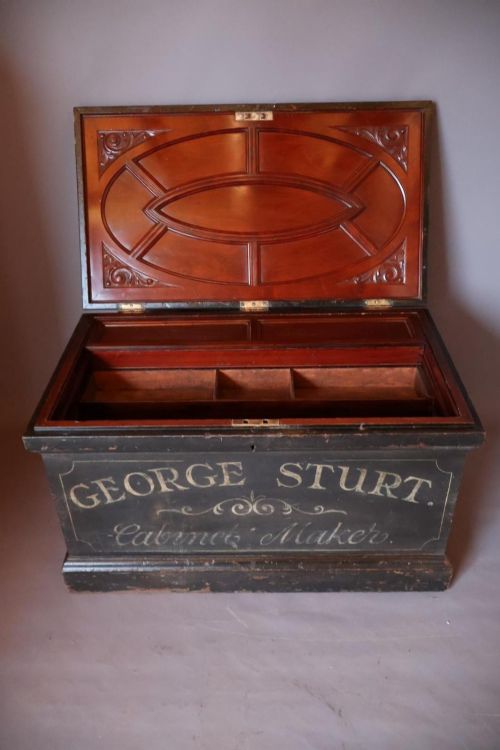
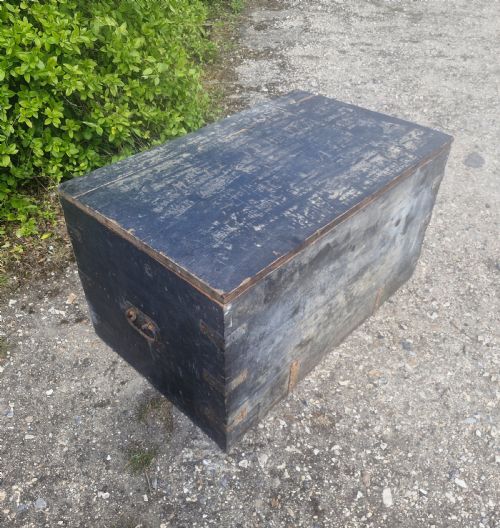
A black wooden trunk brings both robust utility and deep historical character to an interior.

Black Wooden Trunk
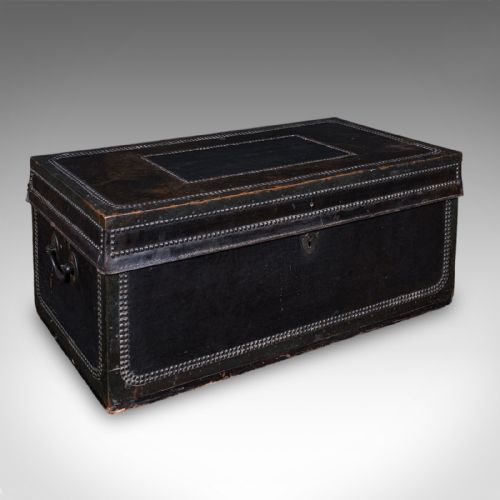
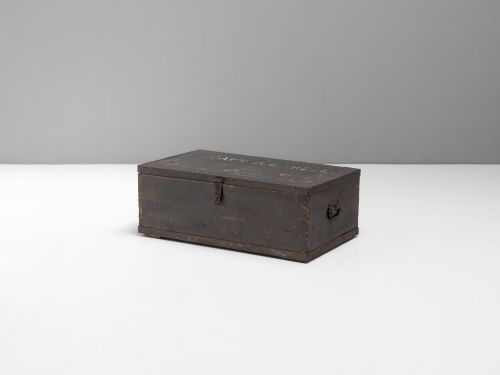
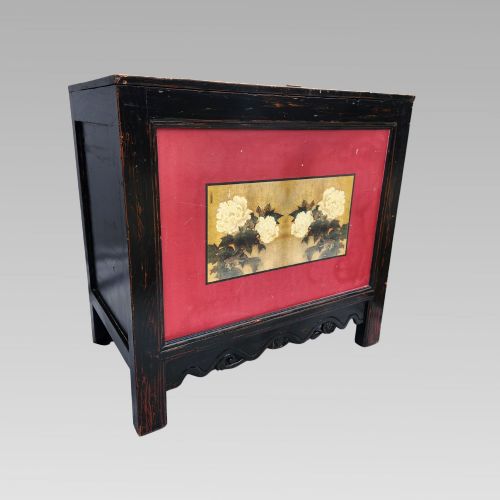
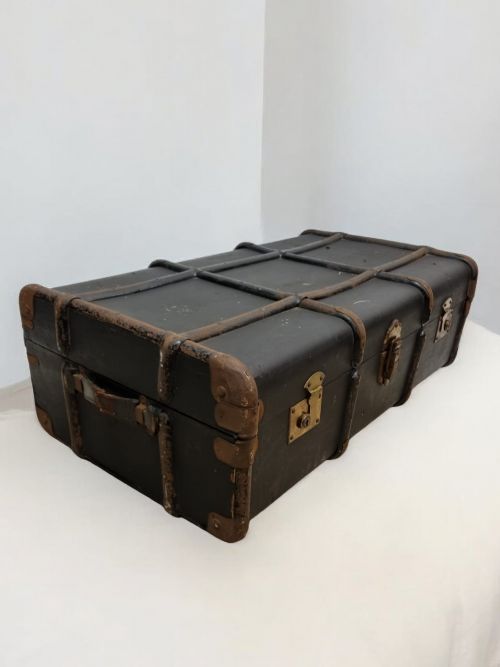
When you search for a black wooden trunk, you uncover a diverse array of sturdy receptacles designed for travel, storage, and specialised trades. These pieces range from heavy tool chests and military campaign chests to lacquered storage boxes and blanket chests spanning multiple centuries.
You are most likely to encounter Victorian pine and ebonised timber examples, alongside painted Scandinavian boxes and Chinese lacquer chests. These utilitarian items served seafarers, craftsmen, and travellers before finding a second life as decorative home storage.
The category encompasses everything from simple pine blanket boxes bound in iron to sophisticated campaign furniture fitted with brass hardware. Each object reflects the practical demands of its original owner, adapted now for contemporary living spaces.
Construction and Materials
Makers built these trunks primarily using accessible timber such as pine, alongside denser hardwoods like mahogany and camphorwood for specialised pieces. Surface treatments varied from simple dark paint and ebonising to glossy black lacquer and folk art decoration.
Structural integrity relied on metal reinforcement, incorporating wrought iron bands, brass corners, and original hardware to withstand the rigours of travel. Dovetail joints and sturdy internal fittings protected the contents, whether tools, documents, or personal apparel.
Current listings feature pieces spanning the eighteenth century through to the early twentieth century, constructed from pine, mahogany, and camphorwood.
Assessing Quality and Character
Quality in these trunks rests upon the preservation of original surfaces, whether aged black paint, clear lacquer, or polished timber. Pieces that retain their original brass or iron hardware and working internal compartments command greater appreciation among collectors.
The craftsmanship of the primary timber joints and the integrity of the structural frame distinguish a utilitarian container from a finer cabinet maker's production. Subtle decorative details, such as hand-painted Chinoiserie motifs or bespoke tool fitted interiors, elevate individual examples.
The Black Wooden Trunk Glossary
- Campaign trunk
- A portable chest constructed in sections or fitted with drop handles for military officers on the move. These pieces typically feature robust brass corners and recessed hardware.
- Ebonised
- Timber treated with a stain or finish to imitate the deep, dark appearance of ebony wood. This treatment was common on Victorian tool chests and maritime boxes.
- Coffer
- A heavy wooden chest traditionally used for storing valuables or documents. They often display early joinery techniques and hinged lids.
- Kist
- A traditional regional term for a wooden chest or box, frequently associated with Scottish and Scandinavian domestic storage. They served as primary furniture for personal belongings.
- Chinoiserie
- European decorative style inspired by Chinese artistic traditions, featuring motifs such as landscapes and floral patterns in lacquer. It appears on select imported storage chests.
Black Wooden Trunk: Frequently Asked Questions
What were these trunks originally used for?
These trunks served diverse practical purposes ranging from maritime travel and military campaigns to the secure storage of specialist tools by master craftsmen. Domestic households also relied on them for linen, blankets, and personal valuables.
Over time, military officers, sailors, and cabinet makers required robust transport for their gear, leading to reinforced construction. In homes, large chests functioned as both storage and impromptu seating before evolving into purely decorative furnishing items.
How do I care for an antique wooden trunk?
Maintenance requires keeping the piece away from direct sunlight and sudden humidity changes to protect the underlying timber and surface finishes. Gentle dusting with a dry cloth preserves painted or lacquered surfaces without stripping historical patina.
Avoid using harsh modern chemical polishes on aged pine, lacquer, or ebonised wood. Applying a light, microcrystalline wax periodically will help nourish exposed wood and protect older metal hardware from oxidation.
How can I tell a Victorian trunk from an older one?
Victorian trunks often display machine-sawn timber elements, standardised iron or brass fittings, and specific interior paper linings or maker's labels. Earlier pieces from the eighteenth century typically show hand-hewn boards, simpler forged ironwork, and peg-joined construction.
Examining the hinges, lock plates, and fasteners provides further clues to the date of manufacture. Technological shifts in hardware production across the nineteenth century help distinguish mid-period items from earlier craft traditions.
Can I use a heavy trunk as a coffee table?
A sturdy wooden trunk makes an ideal coffee table while offering generous internal storage for blankets or books. Flat-topped campaign chests and blanket boxes function particularly well in living spaces.
Ensure the lid is stable and capable of supporting everyday items before placing drinks or decorative objects on top. Protecting the historic surface with a custom glass top can also prevent accidental rings or scratches.