



Ebonised Wood Occasional Table
An ebonised wood occasional table brings dark, striking contrast to a room, offering a compact surface shaped by nineteenth-century design.
Ebonised Wood Occasional Table
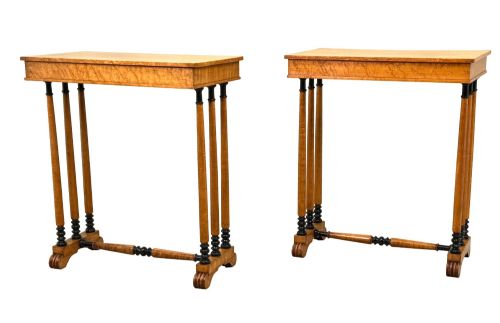
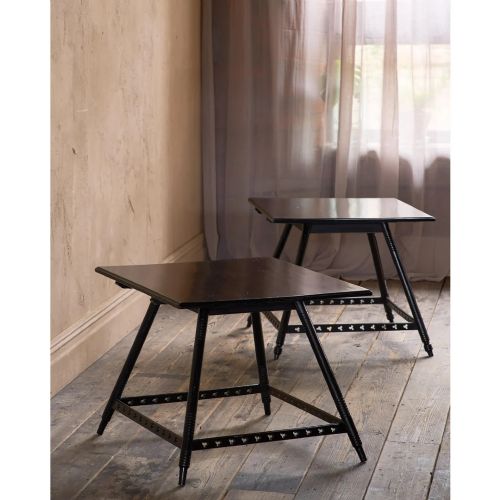
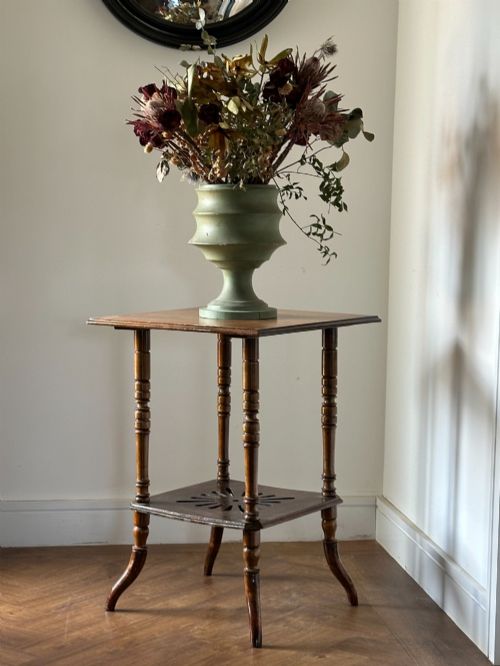
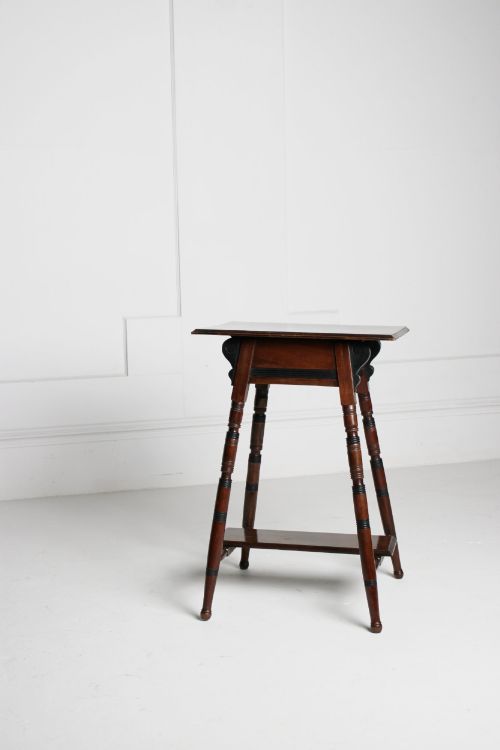
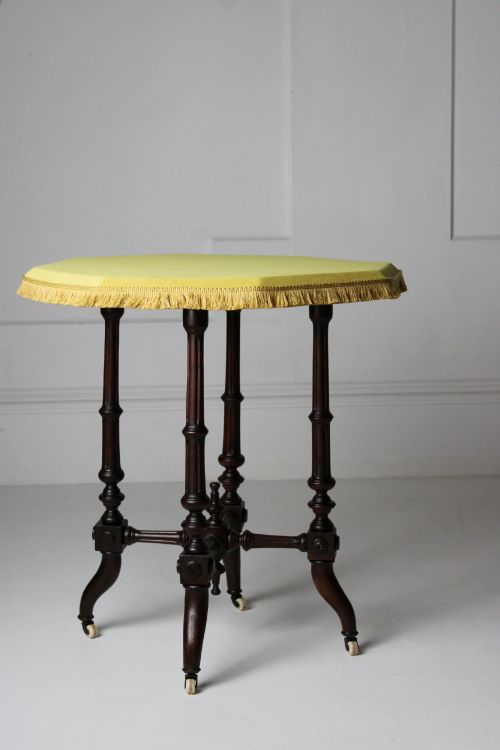
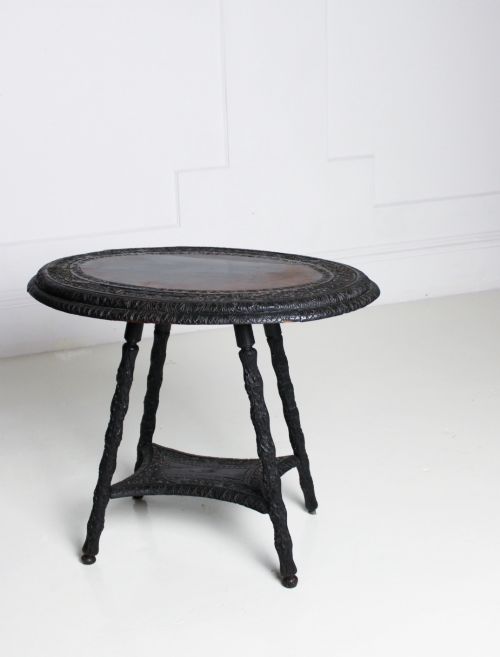
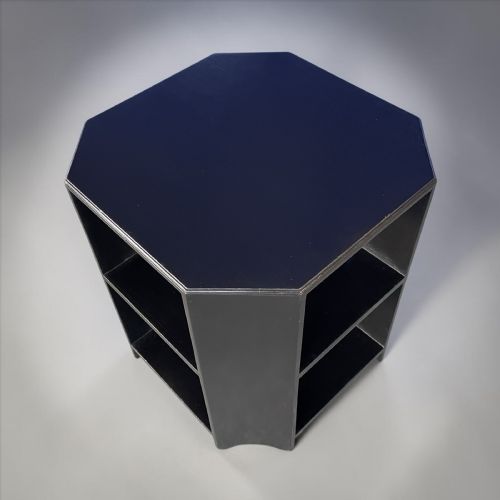
An ebonised wood occasional table is typically encountered in nineteenth-century forms such as side tables, centre tables, and two-tier etageres. These pieces frequently draw upon Aesthetic Movement, Moorish Revival, and Arts and Crafts styles, reflecting the eclectic tastes of the Victorian era.
Makers and designers of the period often turned to ebonised finishes to mimic expensive ebony, creating dark, uniform surfaces that suited domestic interiors ranging from small parlours to grand reception rooms.
How they were made
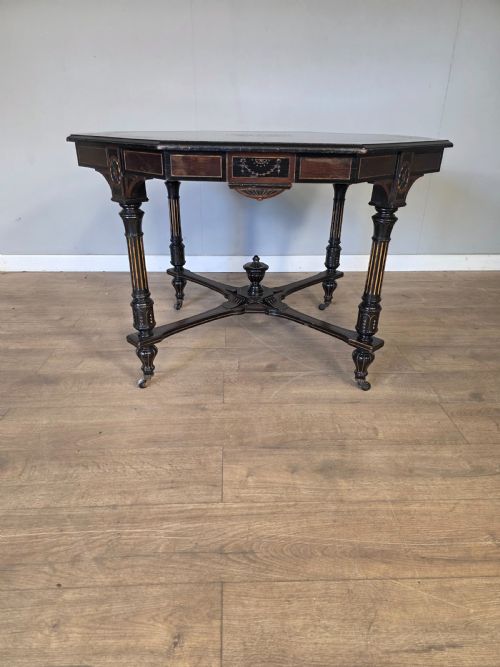
Timbers such as hardwood, walnut, and mahogany received dark surface treatments or stains to achieve the signature ebonised finish. Craftsmen frequently combined this blackened wood with contrasting inlay materials, including bone, brass, and marquetry.
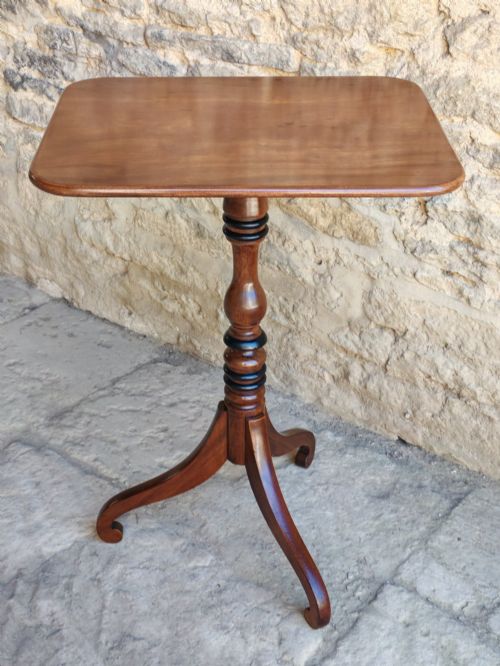
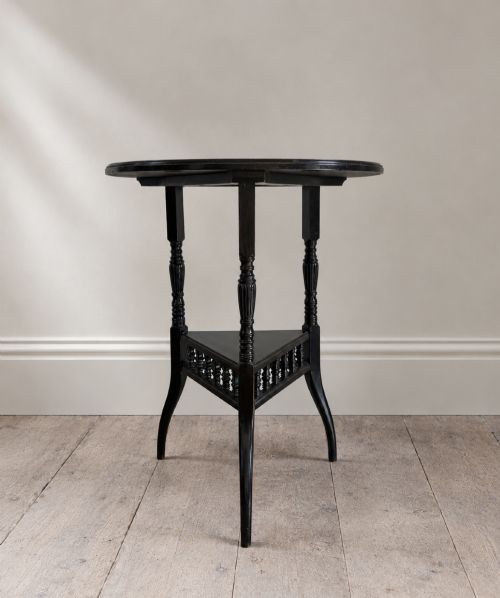
Joinery techniques ranged from simple turned legs on tripod bases to complex tiered structures with spindle galleries. Metal elements like cast brass sabots or painted wooden details added decorative punctuation to the dark frames.
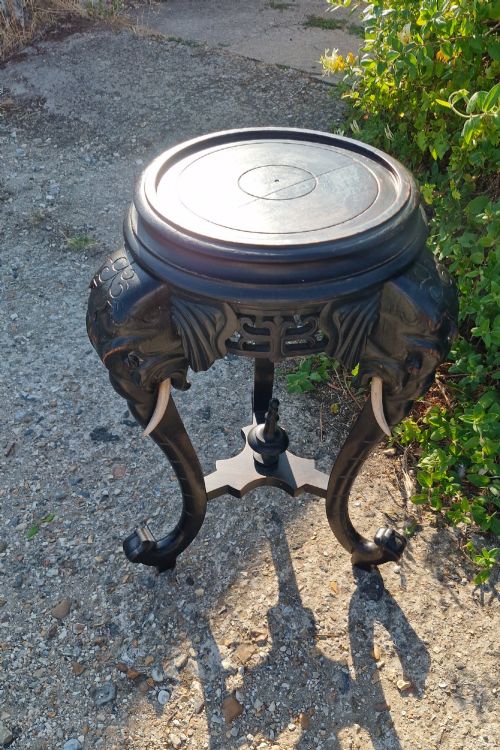
Some Victorian occasional tables arrived with painted wooden tusks to mimic exotic creatures, adding unexpected whimsy to the parlour.
What varies in quality
The distinction between standard production and finer pieces lies in the precision of the ebonisation and the crispness of any applied carving or turning. Superior examples display meticulous surface preparation and durable finishes that retain their depth.
Material selection dictates much of the distinction, where solid hardwoods and dense fruitwoods hold intricate details better than softer alternatives. The integration of delicate bone inlay or cast brass hardware also separates ordinary utility tables from ambitious exhibition pieces.
Liberty & Co·Druce & Co London·Jenks & Woods·Marsh and Tatham
The Ebonised Wood Occasional Table Glossary
- Ebonised
- Wood treated with stain, paint, or chemical processes to imitate the dark, dense appearance of genuine ebony. This finish gained immense popularity during the Victorian period for accentuating geometric and Japanned designs.
- Aesthetic Movement
- A late nineteenth-century design current promoting art for art's sake, often featuring Anglo-Japanese influences, ebonised surfaces, and slender geometric forms. It rejected heavy Victorian ornamentation in favour of simplicity and stylized natural motifs.
- Marquetry
- The art of applying decorative pieces of veneer to a structure to form intricate pictorial or geometric patterns. Makers utilised contrasting woods, bone, and metal to create elaborate table tops.
- Occasional table
- A small, movable table designed for specific, intermittent use around a room, such as holding a lamp, books, or drinks. These versatile forms include Sutherland tables, tripod tables, and tier tables.
Ebonised Wood Occasional Table: Frequently Asked Questions
What is an ebonised wood occasional table?
An ebonised wood occasional table is a small, movable piece finished in a dark, black stain to imitate ebony. These tables date primarily from the nineteenth century and reflect design movements like the Aesthetic style.
They served practical purposes in Victorian homes while doubling as decorative statements. Their compact proportions made them easy to reposition around a parlour or drawing room as needed.
How do I style an ebonised table?
The dark, neutral tone of an ebonised table allows it to anchor brightly coloured interiors or complement monochromatic schemes. Placing one beside a sofa or in a hallway provides a practical surface for lighting or decorative objects.
Because many examples feature contrasting inlay or tiered shelves, keeping surface displays minimal lets the craftsmanship remain visible. They function effectively as lamp tables, plant stands, or bedside surfaces.
How can I tell the period?
Dating relies on observing construction methods, timber choices, and stylistic markers such as turned spindle galleries or Moorish arches. Pieces from the late nineteenth century frequently align with the Aesthetic Movement or Liberty style.
Earlier nineteenth-century examples may display Regency proportions or classical tripod bases. Examining the underside and the wear on the ebonised finish often reveals age-related patination.
Were these tables handmade?
Nineteenth-century workshops produced these tables using a mix of hand-turning, joinery, and specialised finishing techniques. Some basic utility items met broader domestic demand, while pieces associated with known designers involved meticulous cabinetry.
Craftsmen applied surface finishes by hand, building up the black coloration before polishing. Inlaid details like bone or brass required precise hand-cutting and fitting into the wood.