
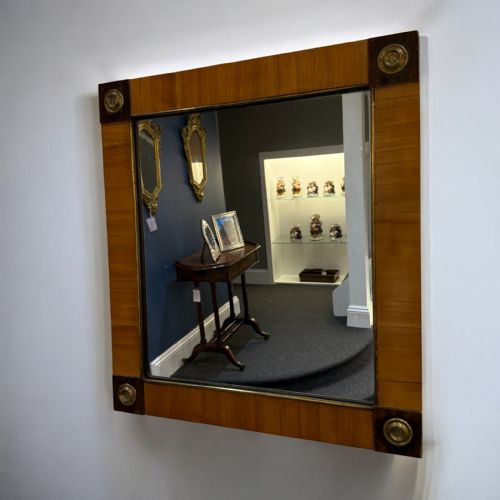
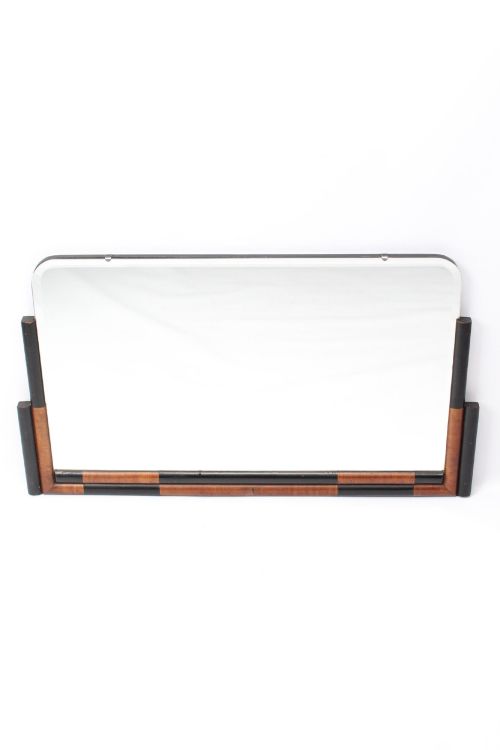
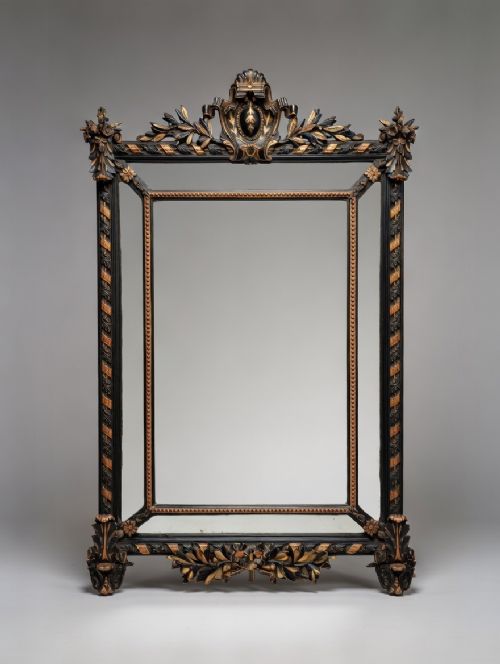
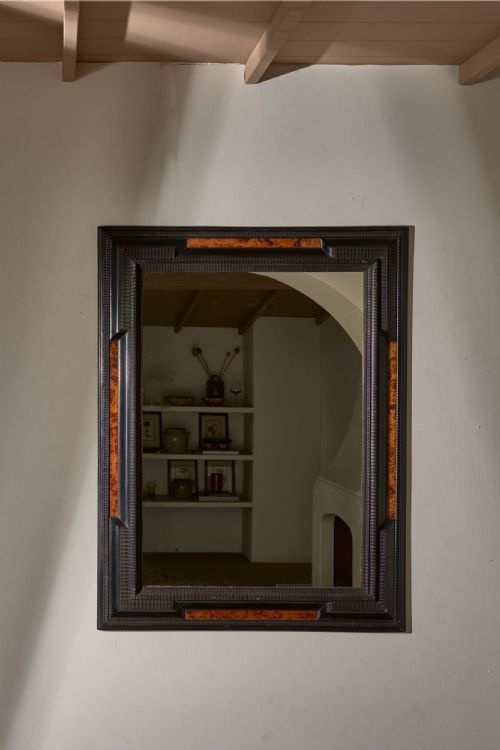


Ebonised Wood Frame Mirror
An ebonised wood frame mirror brings dark contrast and architectural weight to a room, using deep black finishes to set off glass and gilding.
Ebonised Wood Frame Mirror
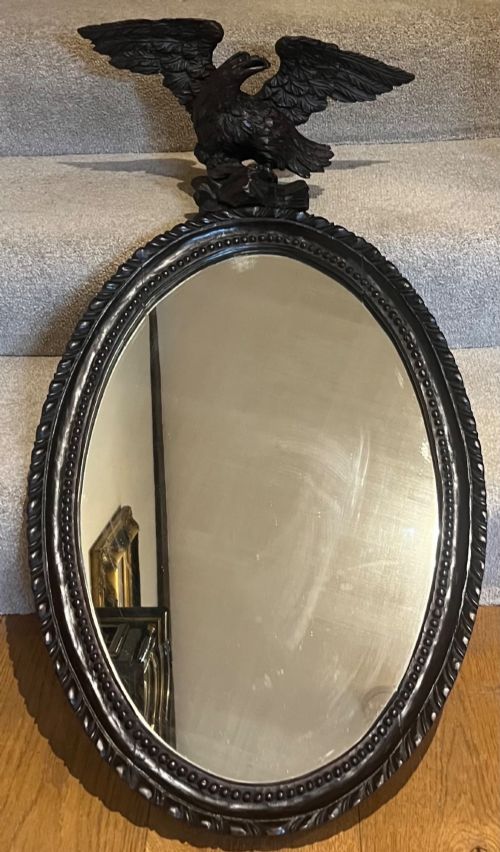
An ebonised wood frame mirror takes several distinct shapes across the periods recorded here, ranging from compact wall pieces to grand overmantels. Buyers searching for an ebonised wood frame mirror will encounter Victorian, Regency, and Aesthetic Movement examples alongside cushion frames and parcel-gilt wall mirrors.
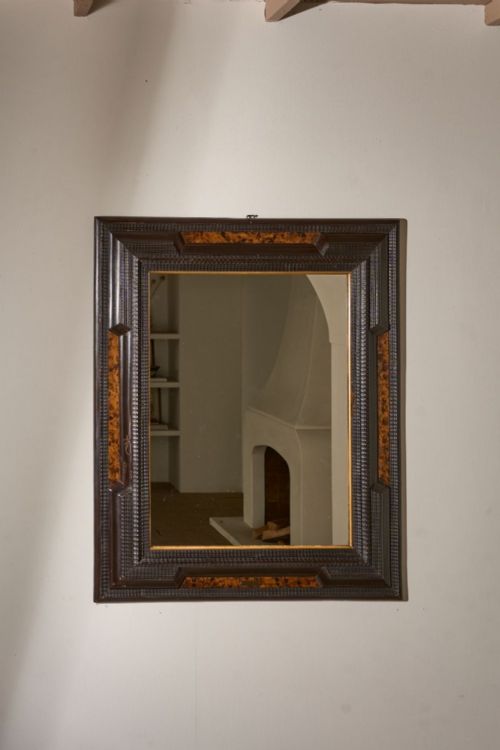
The materials span ebonised wood, giltwood, gesso, and painted wood, frequently paired with antique mirror glass. Italian and French workshops contribute specialised finishes like faux tortoiseshell alongside English Victorian interpretations.
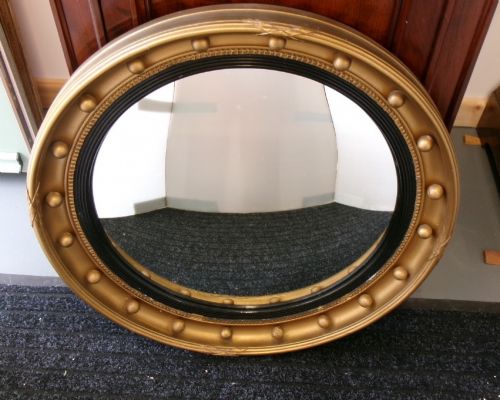
Overmantel mirrors and tall wall mirrors dominate the forms, offering substantial proportions designed for principal reception rooms. Smaller variants include convex porthole and cushion designs that concentrate reflections in heavy dark borders.
Construction and finishing methods
Makers built these frames using solid woods like walnut or pine before applying a dark ebonising stain to imitate ebony. Many examples incorporate parcel-gilt or gold leaf details to highlight carved mouldings against the black ground.
Gesso layers provided a smooth base for intricate surface decoration, whilst glass plates were set directly into heavy rebates. Advanced decorative pieces utilised faux tortoiseshell finishes or cut glass pediments mounted above the primary mirror plate.
Some convex mirrors were nicknamed sorcerers' mirrors, historically believed to ward off evil spirits while reflecting the entire room in miniature.
Distinctions in craftsmanship
The depth and integrity of the ebonising process dictate the baseline of visual quality, separating painted surfaces from properly stained and polished timber. Carved details in the wood and gesso show sharper definition on finer pieces, whereas lesser examples rely on flat mouldings.
Original mirror glass with authentic silvering and minor foxing retains historical value compared to modern replacement plates. The weight of the timber frame and the complexity of composite elements, such as parcel-gilt accents or specialised tortoiseshell effects, elevate the status of the piece.
Rowley Gallery
The Ebonised Wood Frame Mirror Glossary
- Ebonised
- Wood treated with stain, dye, or polish to imitate dense, black ebony. This dark finish gained popularity during the Victorian era and earlier revival periods to create stark decorative contrast.
- Parcel-gilt
- Partially gilded woodwork where gold leaf or gilt highlights specific carved details, mouldings, or motifs against a contrasting base colour such as ebonised black.
- Gesso
- A plaster-like mixture applied to wood frames to create a smooth surface for gilding or painting. It allows crisp relief carving before finishing.
- Convex mirror
- A round mirror with a curved glass plate that provides a wide, distorted panoramic reflection of the interior. These pieces frequently feature heavy ebonised or gilded surrounds.
- Overmantel mirror
- A large horizontal mirror designed to sit directly above a fireplace mantelpiece. They often incorporate architectural framing and substantial wood construction.
Ebonised Wood Frame Mirror: Frequently Asked Questions
How do I clean an ebonised frame?
Dust the timber gently with a dry, soft cloth to prevent abrasive particles from scratching the dark finish. Avoid using liquid polishes or chemical cleaners that might soften or strip the ebonised surface.
Inspect the junction between the frame and the glass to ensure moisture does not seep behind the rebate during cleaning. Gentle maintenance preserves both the wood stain and any delicate parcel-gilt highlights.
Where should I hang an overmantel mirror?
Position the mirror centrally above a fireplace mantelpiece to anchor the proportions of the wall. Ensure the wall fixings match the substantial weight of the timber and gesso construction.
Consider the reflection opposite the glass so the mirror captures natural light or an interesting part of the room. This placement maximises the visual impact of the dark ebonised frame within the interior space.
What causes foxing on antique glass?
Foxing occurs when moisture penetrates the silver backing of the mirror over decades, creating small dark spots and cloudiness. This natural ageing process confirms the antiquity of the glass plate.
Many collectors prize original glass with minor foxing because it proves the mirror retains its historical components. Stable foxing does not detract from the decorative value of the ebonised frame.
How do I date a Victorian ebonised mirror?
Examine the construction methods of the wood frame, the thickness of the backing boards, and the type of fixings used. Victorian examples frequently combine ebonised finishes with parcel-gilt details or Aesthetic Movement motifs.
Compare the style of the moulding and the weight of the glass plate against documented pieces from the period. Secondary wood types and label remnants on the reverse offer further clues to the manufacturing date.