


Ebonised Regency Seating
Ebonised regency seating offers striking dark finishes and classic classical lines, bringing dramatic architectural presence and traditional elegance to any interior.
Ebonised Regency Seating
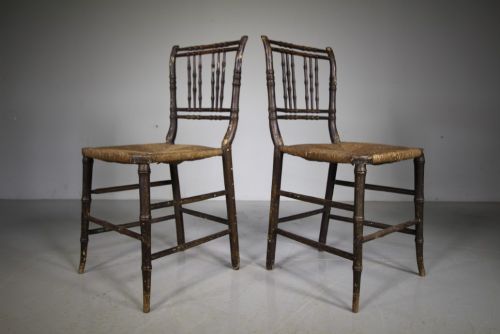
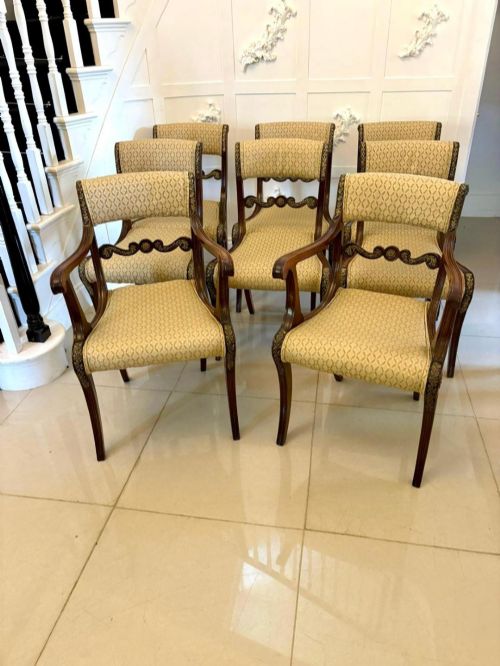
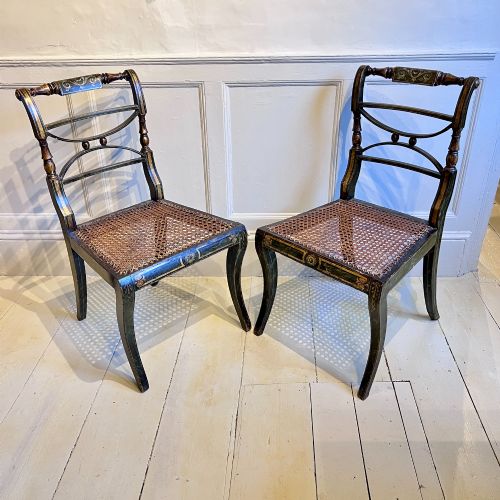
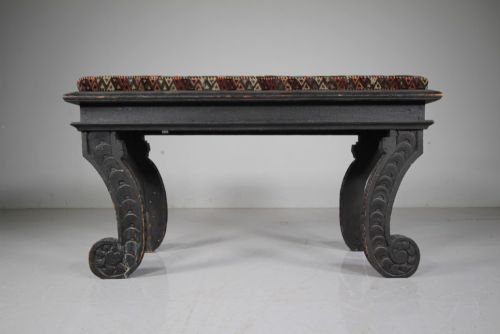
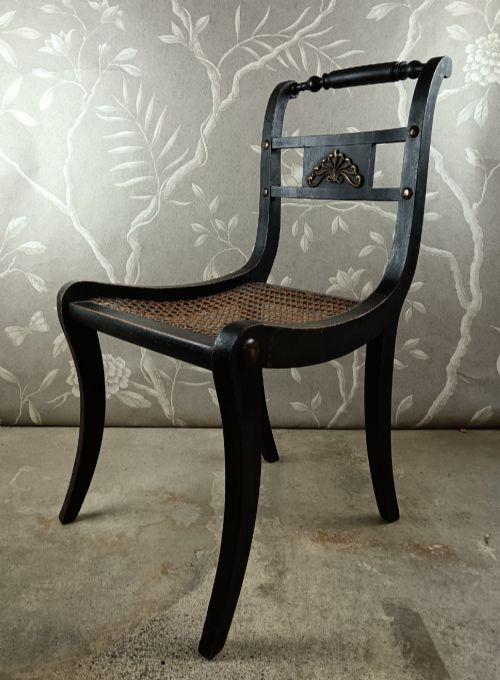
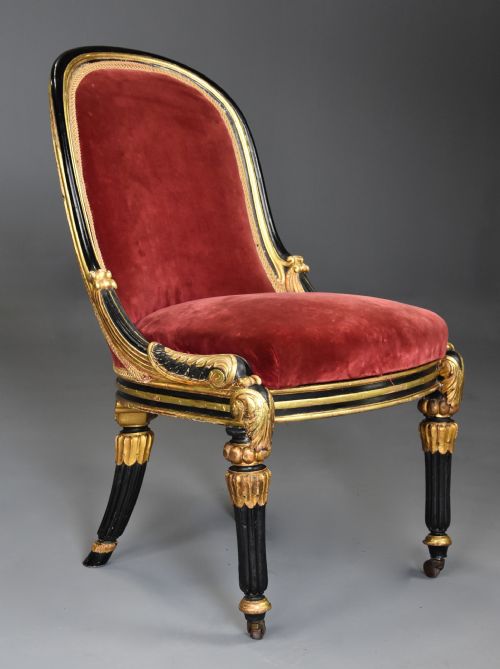
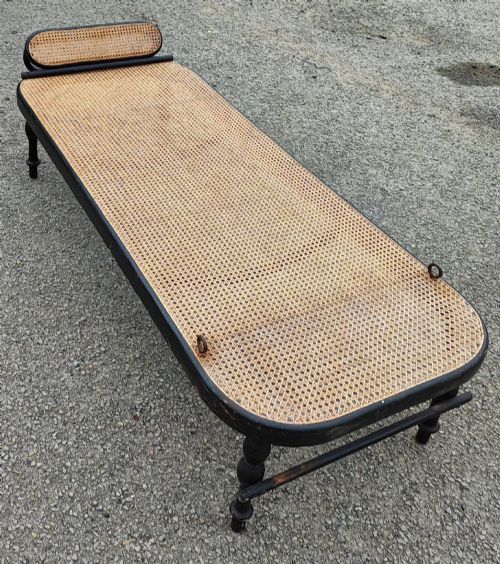
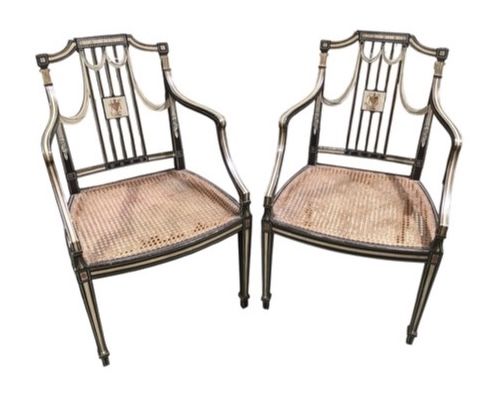
Ebonised regency seating encompasses armchairs, side chairs, dining chairs, benches, daybeds, hall chairs, nursing chairs, and stools originating from the Regency period alongside later Victorian and twentieth-century revival interpretations. You will most frequently encounter painted pine, mahogany, and ebonised wood frames featuring original cane seats, fabric upholstery, or gilt detailing.
The selections range from single decorative hall chairs and pairs of painted cane-seat side chairs to substantial sets of dining chairs and Anglo-Indian ebony armchairs. Pieces emerge from distinct eras including the Regency period itself, nineteenth-century Victorian adaptations, and nineteen-twenty revival pieces.
What varies in quality
The distinction between standard examples and exhibition quality pieces rests upon the precision of the joinery, the crispness of any gilt or painted decoration, and the integrity of materials such as cane work. Superior items retain original surface treatments and integrated structural harmony rather than later alterations.
Grander sets and matched groupings demonstrate greater consistency across multiple chairs, whereas single decorative items often display simpler regional or revival craftsmanship.
Current listings feature diverse forms spanning armchairs, side chairs, dining chairs, benches, daybeds, hall chairs, nursing chairs, and stools.
The Ebonised Regency Seating Glossary
- Ebonised wood
- Timber treated with a dark stain or finish to simulate genuine ebony. This technique gained immense popularity during the Regency era to achieve a dramatic, neoclassical aesthetic.
- Cane
- Woven rattan material utilised for lightweight, breathable seating inserts. It forms a key textural element across many historical side chairs and daybeds.
- Trafalgar leg
- A distinctive saber-shaped furniture leg curving outwards at the back, commonly found on Regency dining and side chairs. It provides both stability and a dynamic profile.
- Parcel gilt
- The application of gold leaf to specific raised portions of a painted or ebonised wooden surface. This highlights carved details and architectural mouldings.
- Faux bamboo
- Wood turned and carved to imitate natural bamboo stalks. Makers employed this whimsical technique widely in seating during the Regency period.
Ebonised Regency Seating: Frequently Asked Questions
Are ebonised regency chairs comfortable?
Many examples feature original cane seats designed for firm support, whilst upholstered nursing chairs and armchairs offer softer padding.
Adding appropriate loose cushions can improve comfort for daily seating use.
How do I identify a real regency chair?
Examine the timber construction, joinery methods, and design motifs such as sabre legs or faux bamboo turnings.
Compare the specific details against documented nineteenth-century production standards and revival characteristics.
Can I use these chairs for dining?
Sets of dining chairs are well suited for regular dining room use provided the frames and cane work remain stable.
Care should be taken with antique cane surfaces during prolonged daily seating.
What is the difference between regency and revival pieces?
Original pieces date from the early nineteenth century and reflect period construction techniques.
Revival pieces from later periods like nineteen-twenty replicate these classic styles using slightly different manufacturing methods.
How should I care for ebonised wood?
Dust surfaces regularly with a soft, dry cloth and avoid harsh chemical polishes that can damage the dark finish.
Keep wooden furniture away from direct heat sources and extreme humidity fluctuations.