


Ebonised Plant Pedestal
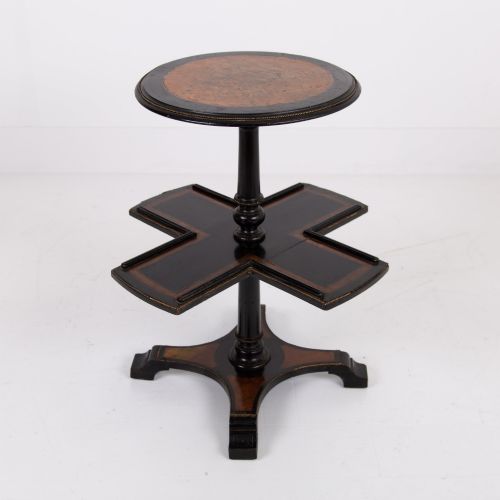
An ebonised plant pedestal brings a dark, striking silhouette to a room, designed to elevate sculpture, ceramics or greenery.

Ebonised Plant Pedestal
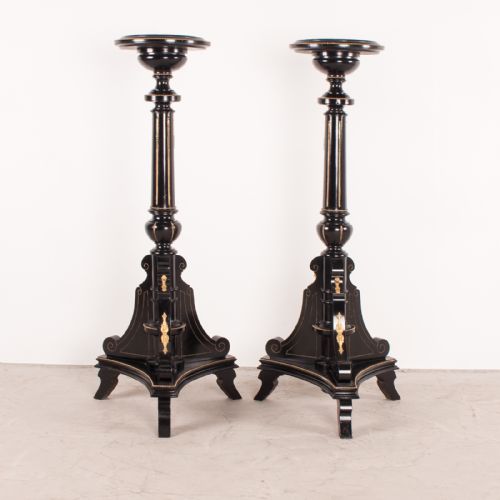
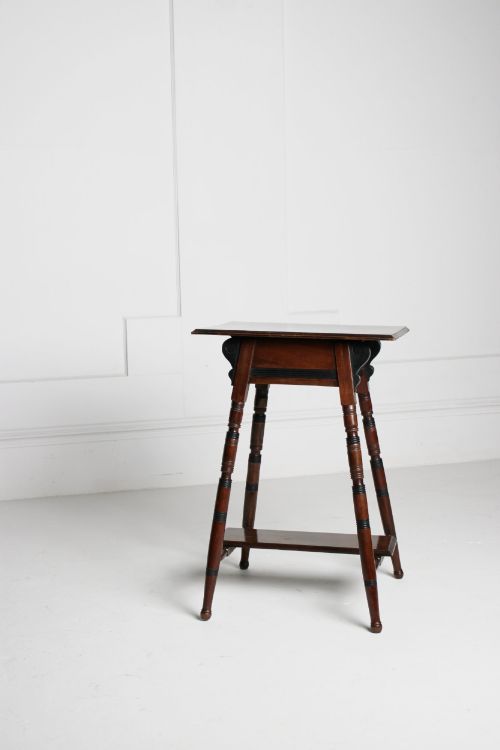
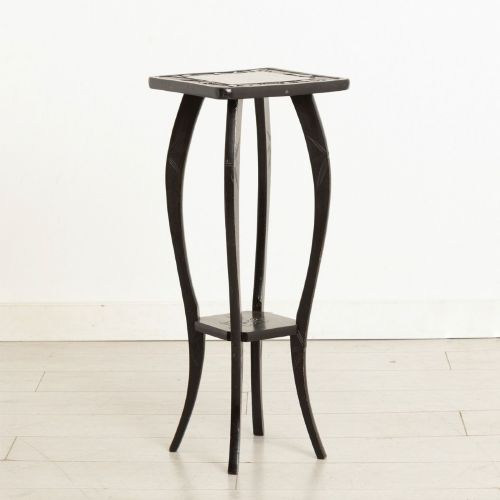
When searching for an ebonised plant pedestal, you encounter tall stands and columns created to display botanical specimens, vases and decorative objects at eye level. These pieces frequently emerge from the Victorian and Aesthetic Movement eras, alongside later twentieth-century interpretations.
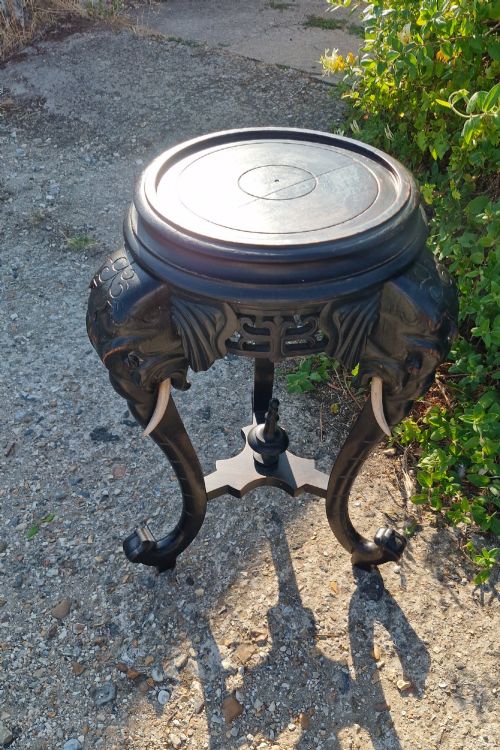
The physical forms span slender torcheres, sturdy plinths and carved occasional tables designed with a dramatic dark finish. You will find items influenced by Chinese export styles, Japanese aesthetics and European classical traditions.
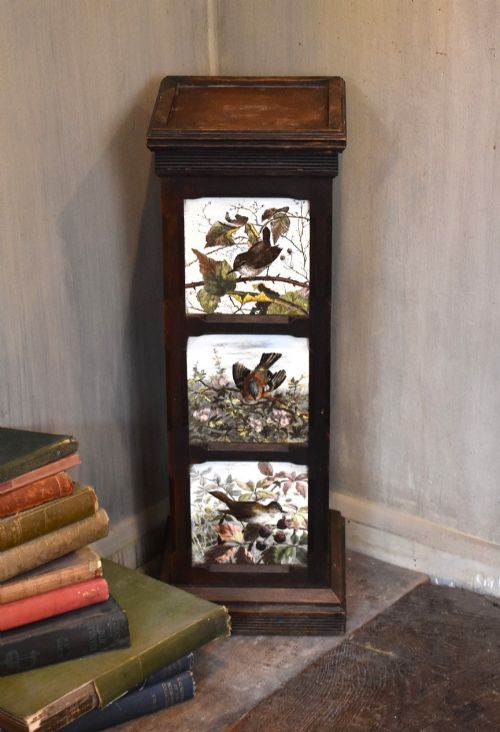
Many examples incorporate contrasting surfaces, such as inset marble tops, porcelain panels or bone inlay, sitting alongside solid ebonised hardwood structures.
Materials and construction
The foundational timbers include hardwood, walnut, mahogany and amboyna, treated with ebonising techniques to mimic expensive ebony wood. Cabinetmakers applied dark stains and polished finishes to achieve a deep, light-absorbing sheen.
Surface decoration frequently involves hand carving, marquetry, lacquer and inlaid bone or contrasting wood accents. Tops of stone or ceramic, notably marble and tile, provide stable, moisture-resistant surfaces for plants and vases.
Listings feature 19th Century, Victorian, and early 20th century periods, utilising ebonised wood, marble, brass, mahogany, and walnut.
Judging quality
The distinction between standard production and exceptional craftsmanship rests in the depth of the ebonising and the precision of the joinery. Superior pieces display crisp carving, balanced proportions and stable structural integrity despite narrow supporting columns.
Integration of specialised materials, such as genuine marble inserts, intricate bone inlay or hand-painted porcelain panels, elevates a piece from a simple utility stand to a considered decorative work.
Druce & Co London·Liberty of London·Gillow & Co.
The Ebonised Plant Pedestal Glossary
- Ebonised wood
- Timber stained or painted to resemble genuine ebony wood. This dark finish gained popularity during the nineteenth century to achieve an exotic, formal appearance.
- Torchere
- A tall, slender stand or candlestick holder adapted to support a vase or plant. These pieces feature elevated platforms supported by singular columns or tripod bases.
- Marquetry
- Decorative veneer patterns applied to furniture surfaces. Craftsmen arrange thin slices of wood or bone to form pictorial or geometric designs.
- Jardiniere stand
- A specialised piece of furniture designed to hold a plant container or flower pot. They often incorporate water-resistant top surfaces like marble or tile.
- Aesthetic Movement
- A nineteenth-century design style emphasising visual beauty over narrative content. Pieces from this movement often utilise ebonised finishes and oriental motifs.
Ebonised Plant Pedestal: Frequently Asked Questions
What is an ebonised plant pedestal?
An ebonised plant pedestal is a tall support furniture piece finished in dark, ebony-mimicking stain, built specifically to display plants, urns or sculptures.
These stands vary from slender torcheres to sturdy columns, often featuring decorative carvings or contrasting marble tops.
How were these plant stands used historically?
In Victorian and later interiors, these pedestals positioned greenery and decorative arts strategically around reception rooms and parlours.
They allowed homeowners to showcase prized botanical specimens and imported ceramics at varying heights to create visual interest.
How do I care for ebonised wood?
Maintain ebonised wooden surfaces by dusting regularly with a soft, dry cloth and avoiding excessive moisture.
Keep pieces away from direct sunlight and heat sources to prevent the dark finish from fading or the timber from splitting.
How do I identify Victorian examples?
Victorian pieces often display characteristic stylistic markers such as Aesthetic Movement motifs, heavy ebonised hardwoods, and inset porcelain or marble panels.
Construction methods typical of the nineteenth century, including hand-cut joints and dense underlying timbers, also help confirm the period.