


Ebonised Gilt Frame Portrait
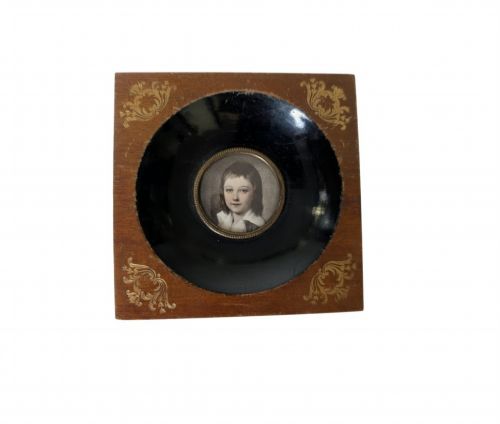
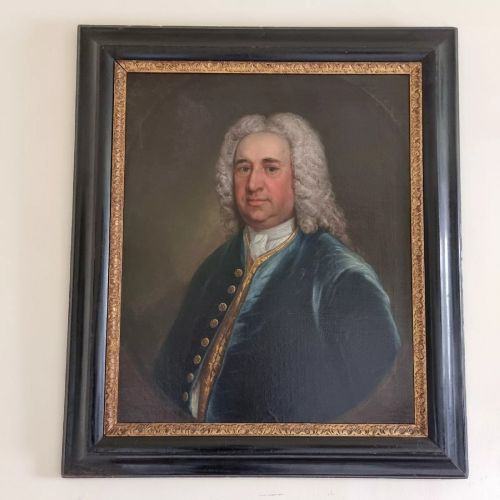
An ebonised gilt frame portrait brings dark wood and gold leaf together around historical faces from the sixteenth century to the Victorian era.
Ebonised Gilt Frame Portrait
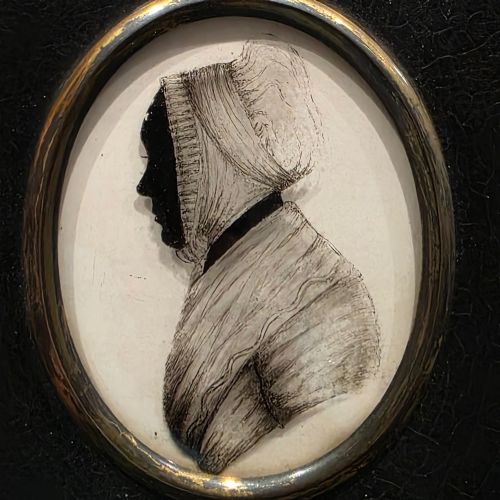
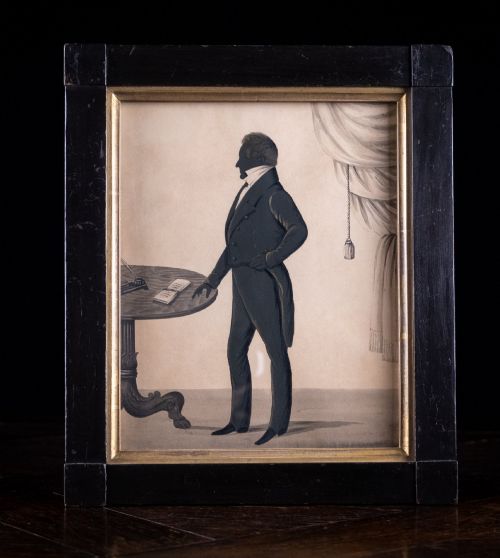
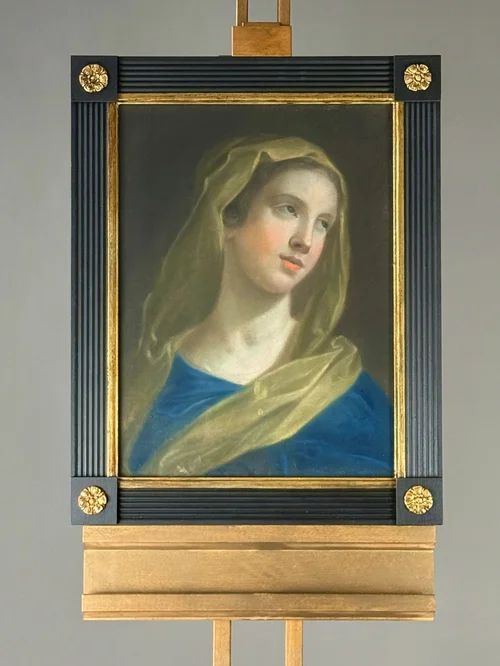
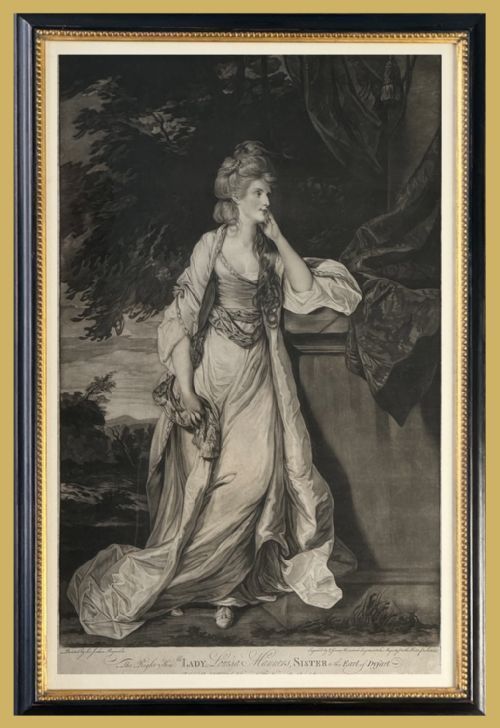
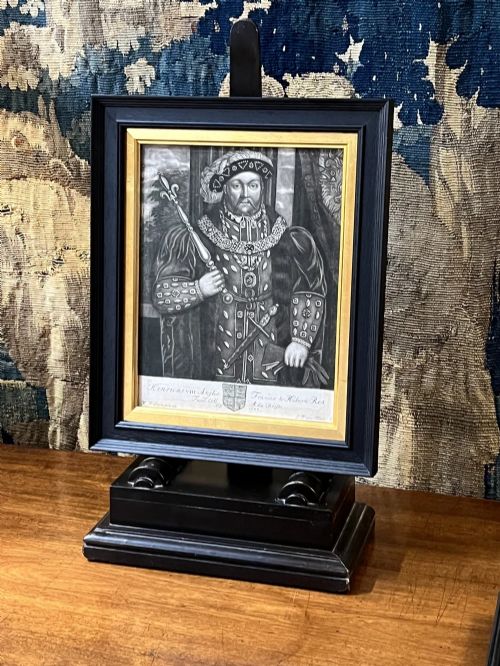
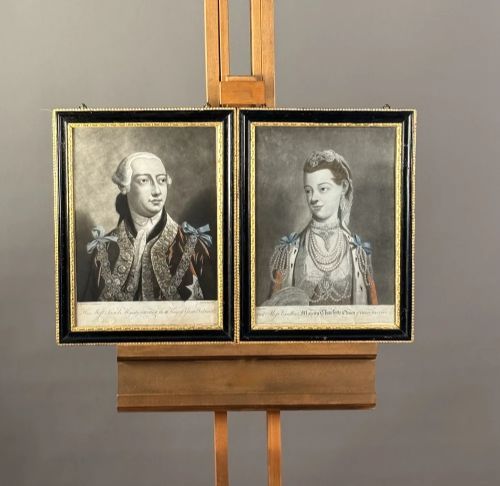
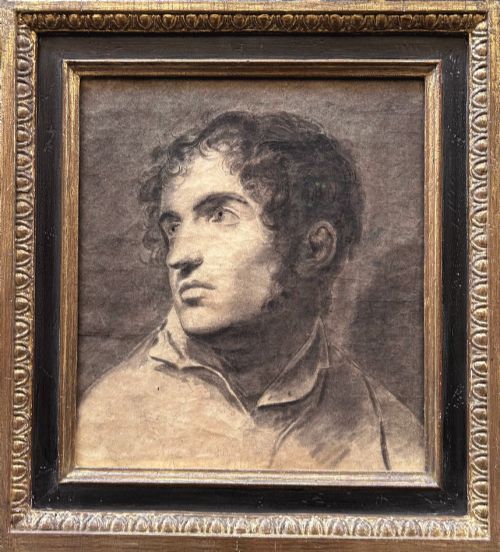
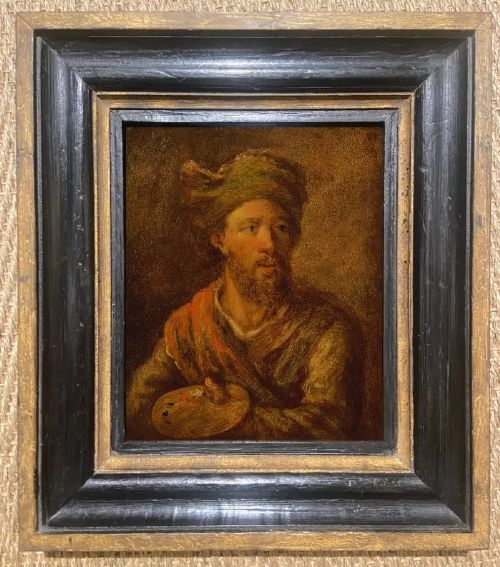
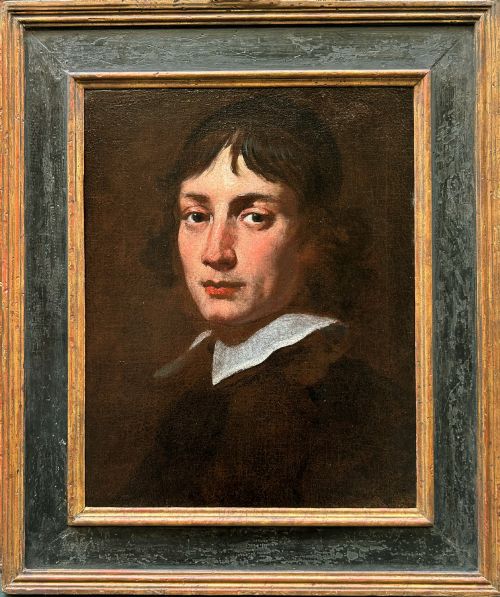
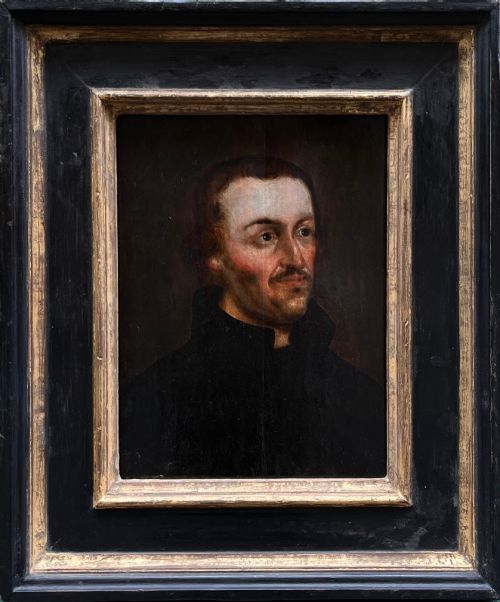
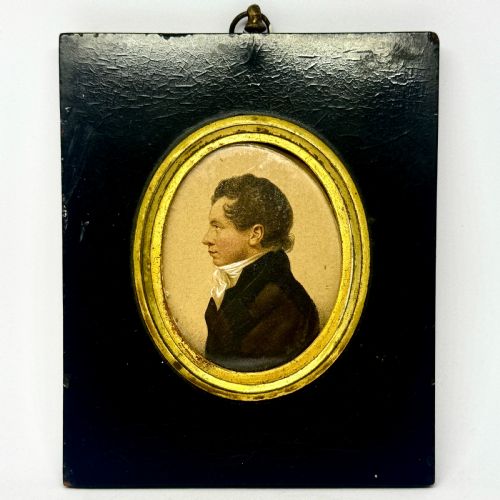
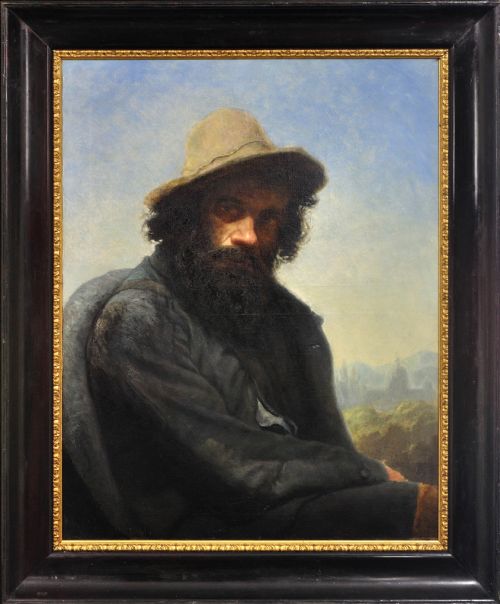
An ebonised gilt frame portrait unites dark blackened timber with bright gold highlights, housing likenesses ranging from tiny silhouettes and miniature watercolours to larger oil paintings and mezzotints. The pieces appearing here span centuries of portraiture, originating from British, French, and Italian schools across the sixteenth, seventeenth, eighteenth, and nineteenth periods.
Buyers seeking this phrase encounter a rich mix of media, including oil on canvas, pastel, reverse glass prints, and cut paper silhouettes. Frames combine ebonised wood with brass or gold leaf, often housing subjects described as noblewomen, gentlemen, children, and royalty.
The selection on this page leans heavily toward Georgian, Regency, and Victorian interpretations of the form. These works capture the likeness of historical figures through distinct techniques like stipple-engraving, watercolour on card, and oil paint.
How they were made
Makers shaped these works using ebonised wood for the surrounds, treating timber to mimic ebony before applying gold leaf or gilding to highlight mouldings and sight edges. Within these dark borders, artists painted on canvas, wood panels, paper, and glass, utilising media such as oil, pastel, and watercolour.
Printmakers employed techniques like mezzotint and stipple-engraving on paper to reproduce portraits after masters. Miniatures often feature protective glass fronts held within wooden frames alongside brass fittings.
One determined terrier chases a rat across a Victorian barn floor while historical figures look on from nearby walls.
What varies in quality
The depth and execution of the surrounding frame matter greatly, as does the preservation of the original glass and backing materials. Skill in the underlying artistic medium, whether a finely scraped silhouette or a detailed oil painting, elevates the piece.
Benedetto Luti·Valentine Green·Sir Joshua Reynolds·John Faber Snr·Hans Holbein the Younger·Thomas Frye·Richard Purcell·Guillaume Courtois·Albin Mattenheimer·Michael Dahl·Archibald Skirving·Miers·Jeremiah Steele·N Millett·Bartolozzi
The Ebonised Gilt Frame Portrait Glossary
- Ebonised wood
- Timber treated with stain or paint to imitate expensive ebony wood. This dark finish provides a stark contrast to gilt highlights.
- Mezzotint
- A printmaking process where the copper plate is roughened to achieve rich tonal gradations. This technique allows for subtle shadows in portrait prints.
- Silhouette
- A portrait profile cut from paper or painted in solid black against a pale background. These often appear mounted within small dark frames.
- Gilt
- Covered thinly with gold leaf or gold paint. This technique brightens the inner edges of dark frames.
- Portrait miniature
- A small-scale painting executed with meticulous detail. These works were frequently housed in protective portable cases or wall frames.
Ebonised Gilt Frame Portrait: Frequently Asked Questions
What is an ebonised frame?
An ebonised frame is made from timber stained or painted to look like deep black ebony wood. It offers a dark, uniform surface that absorbs light and makes nearby metallic details stand out.
In portraiture, these frames provide a sombre, dramatic boundary that draws the eye directly toward the painted or printed face within.
How do I date a silhouette?
Dating a silhouette relies on costume details, hairstyles, and the style of the surrounding frame. Eighteenth-century examples often feature delicate bust-line cuts, while Regency pieces show distinct collar and cravat shapes.
Written inscriptions on the reverse, such as dates or artist signatures, also help pinpoint the exact decade of creation.
Where should I hang these portraits?
These pieces suit spaces away from direct sunlight to protect fragile watercolours, paper silhouettes, and gold leaf from fading. Grouping smaller framed works together on a panelled or dark-painted wall creates a striking focal point.
Their compact scale also allows them to sit comfortably on narrow wall spaces between doorways or windows.
What media were used in these portraits?
Artists utilised oil paint on canvas and wood panels, watercolour on card or paper, and pastel for softer tones. Printmakers also contributed mezzotints and stipple-engravings on paper.
Silhouettes introduced cut paper and painted profiles, often sealed behind glass within wooden surrounds.