


Ebonised Framed Wall Mirror
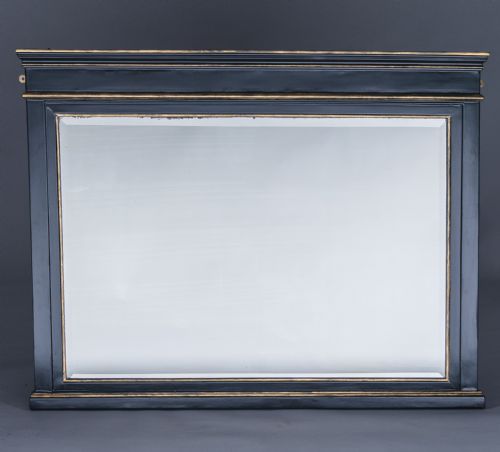
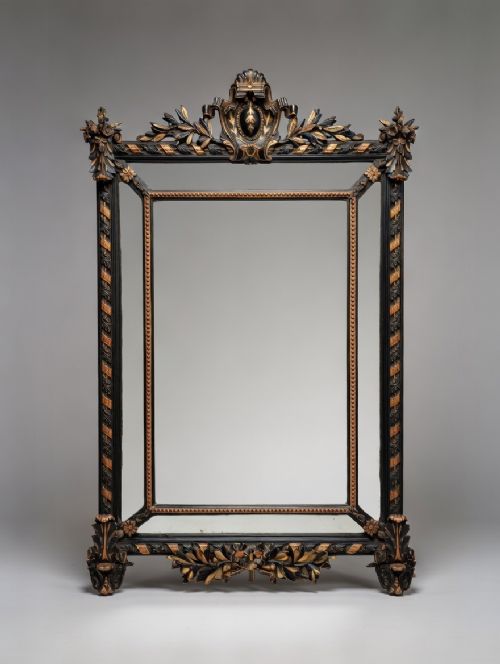
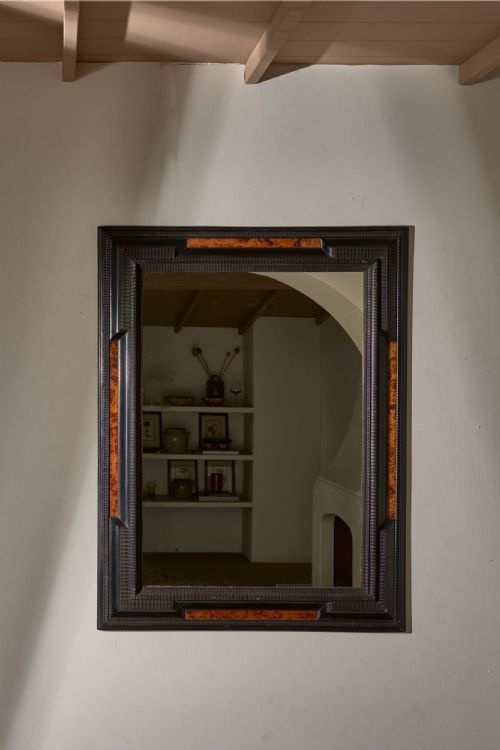
An ebonised framed wall mirror brings crisp contrast to a room, offering deep dark timber tones that anchor period and revival interiors alike.
Ebonised Framed Wall Mirror
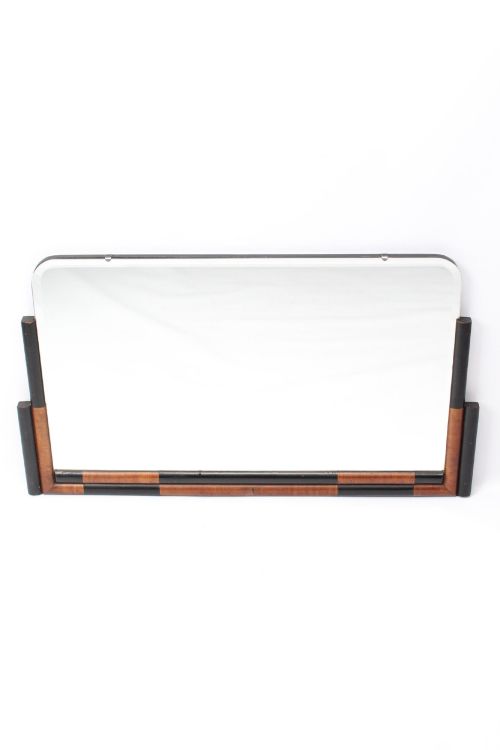
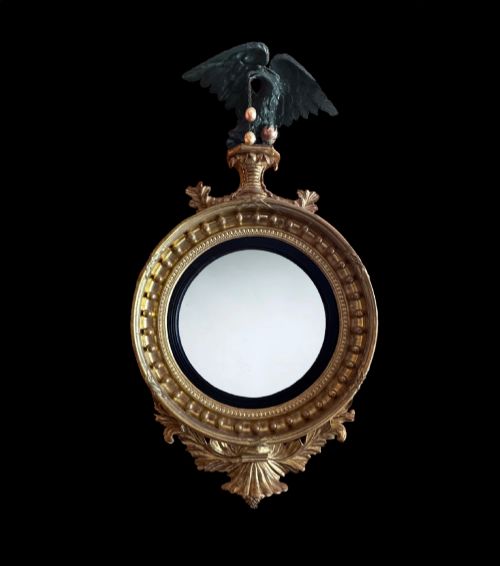
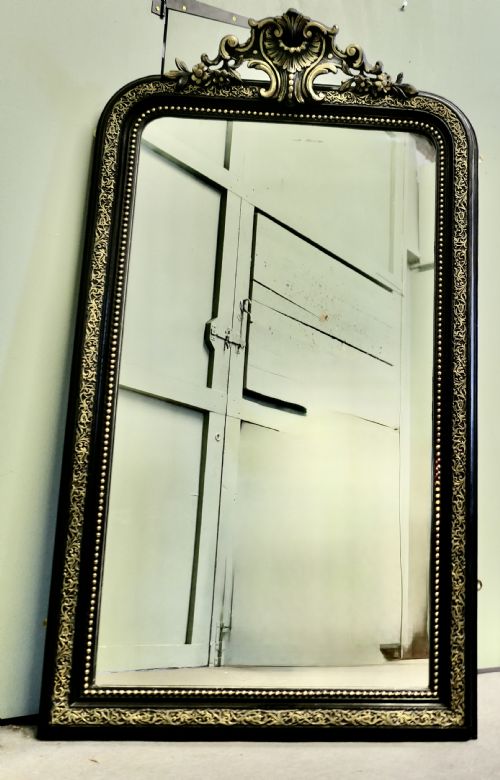
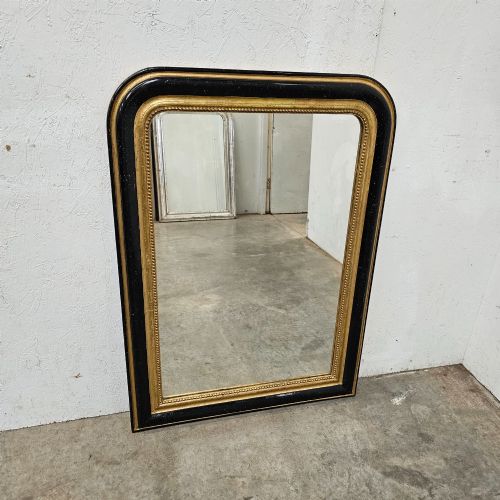
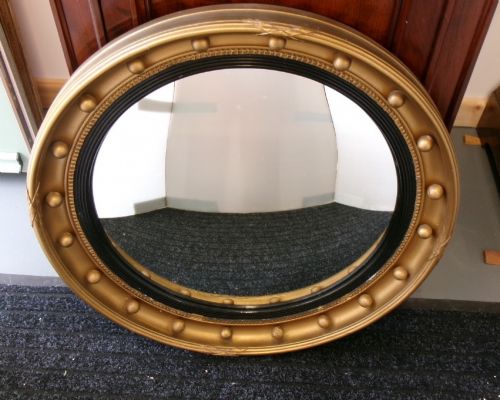
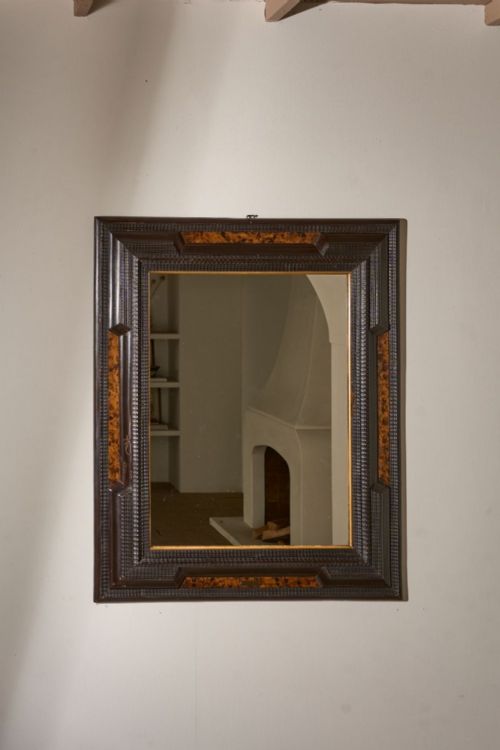
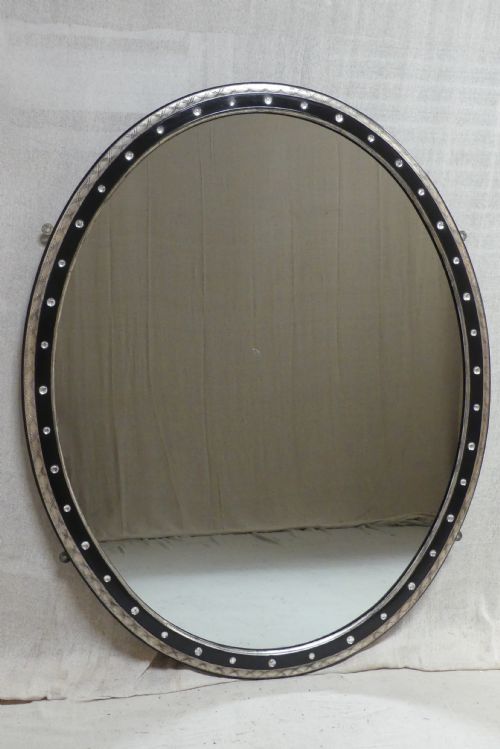
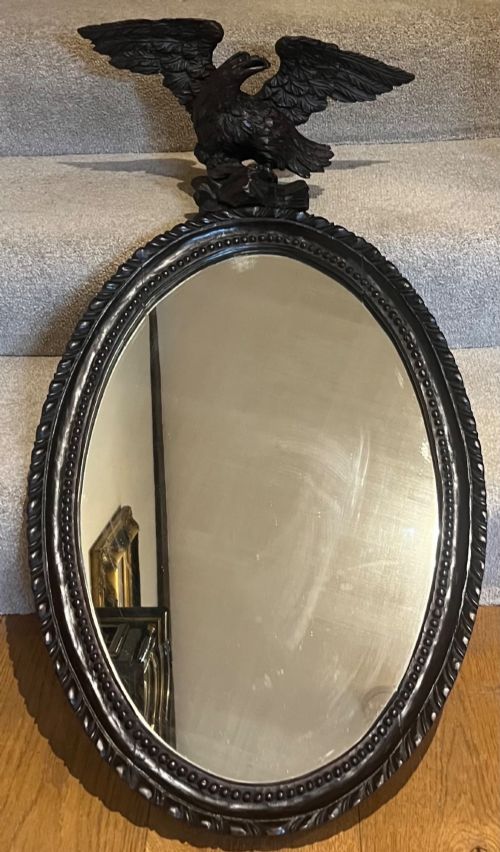
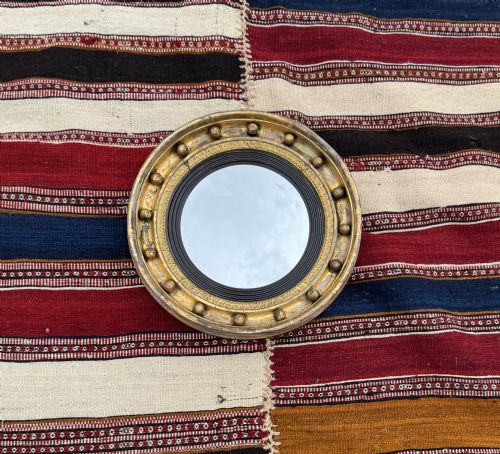
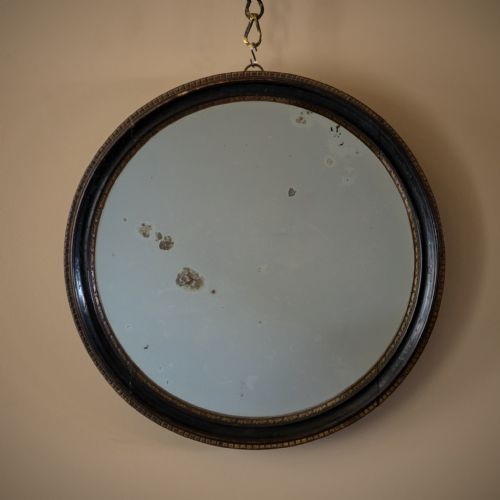
An ebonised framed wall mirror takes many forms across the selection, ranging from compact oval wall pieces to grand Victorian overmantle mirrors designed for a chimney breast. You will encounter rectangular formats with arch tops, circular convex glasses, and broad cushion frames intended to reflect light deep into a Victorian or Edwardian interior.
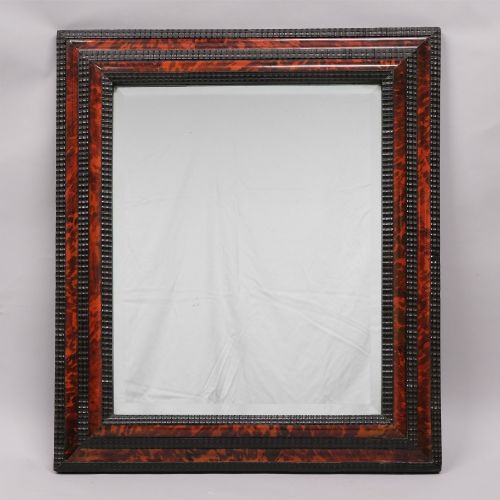
The materials span from straightforward ebonised wood to complex surfaces involving parcel-gilt highlights, gesso mouldings, and faux tortoiseshell effects. Many examples date from the nineteenth century, including Regency and Victorian eras, alongside later twentieth-century interpretations.
Makers and workshops utilised these dark finishes to create high-contrast decorative objects that suited both intimate hall spaces and expansive reception rooms. The diversity of shapes reflects how different decades adapted the dark frame to domestic decor, from Aesthetic Movement simplicity to ornate French influences.
How they were made
The dark finish on an ebonised framed wall mirror was typically achieved by staining light timber to imitate ebony, often finished with a polish to create a deep sheen. Craftsmen frequently combined this dark surface with parcel-gilt details, applying thin layers of gold leaf to carved mouldings and edges for contrast.
Underneath the wooden surface, makers often used gesso applied over a carved timber base to build up intricate relief patterns and decorative scrolls. Mirror plates of the period were secured within the rebate, sometimes showing slight distortion or foxing that marks their age.
Some convex mirrors carry the old nickname of sorcerer mirrors, once believed to ward off evil spirits in the home.
What varies in quality
The distinction between standard examples and finer pieces lies in the crispness of the carved detail and the depth of the finish. Superior frames exhibit sharp moulding profiles and carefully applied parcel-gilt work where the gold leaf catches the light against the dark wood.
Scale and proportion also define the better items, particularly in larger overmantle mirrors where the balance between the glass plate and the surrounding frame requires careful design. The integrity of the original mirror glass and the backing boards contributes significantly to the overall character of the piece.
The Ebonised Framed Wall Mirror Glossary
- Ebonised
- Wood treated with a dark stain or finish to simulate genuine ebony. This technique gained immense popularity during the Victorian period.
- Parcel-gilt
- Partially gilded, where selected carved details or mouldings are highlighted with gold leaf against a contrasting background colour.
- Convex mirror
- A circular glass mirror with a curved surface that reflects a wide, distorted field of view. These were often called sorcerer or porthole mirrors.
- Overmantle mirror
- A large mirror specifically designed to hang on the wall directly above a fireplace mantelpiece. They often feature horizontal proportions to match the hearth below.
- Gesso
- A plaster-like mixture applied to wood frames and carved to create raised decorative motifs before gilding or painting. It provides a smooth base for fine detail.
Ebonised Framed Wall Mirror: Frequently Asked Questions
Where should I hang an overmantle mirror?
These large mirrors are traditionally placed directly above a fireplace mantelpiece, where their width balances the hearth below.
They also function effectively on main reception room walls to reflect natural light and create a sense of extended space.
How do I clean an antique mirror frame?
Dust the ebonised wood gently with a soft, dry cloth to prevent any buildup of particles in the carved recesses.
Avoid using harsh chemical polishes or modern sprays that might damage the historic finish or delicate parcel-gilt details.
What is a convex mirror used for?
Historical convex glasses were designed to provide servants with a view of the entire dining table from a single vantage point.
Today, they serve primarily as decorative focal points that pull light from various angles into darker corners of a room.
How can I tell a Victorian mirror from a Regency one?
Regency frames often lean towards neoclassical motifs, such as ball-bearing friezes and gilded convex designs with eagle crests.
Victorian pieces frequently display heavier proportions, arch tops, and deep ebonised cushion mouldings with parcel-gilt accents.