

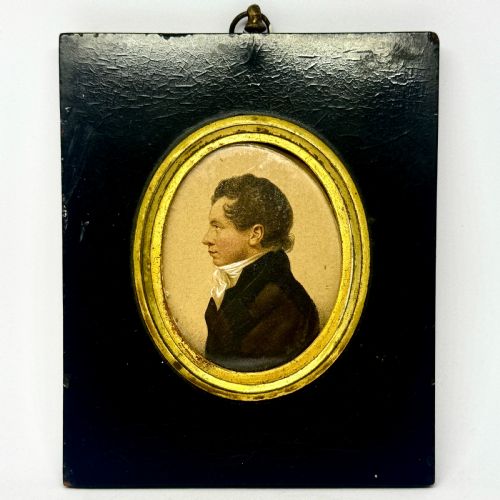

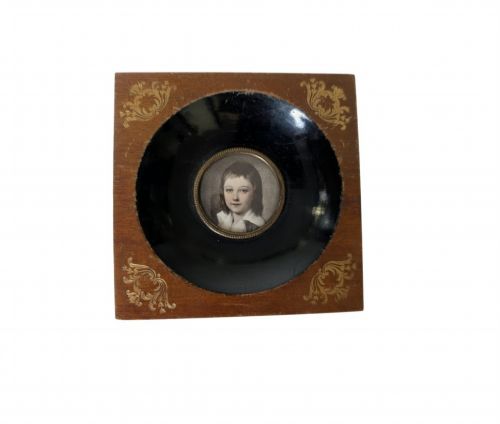
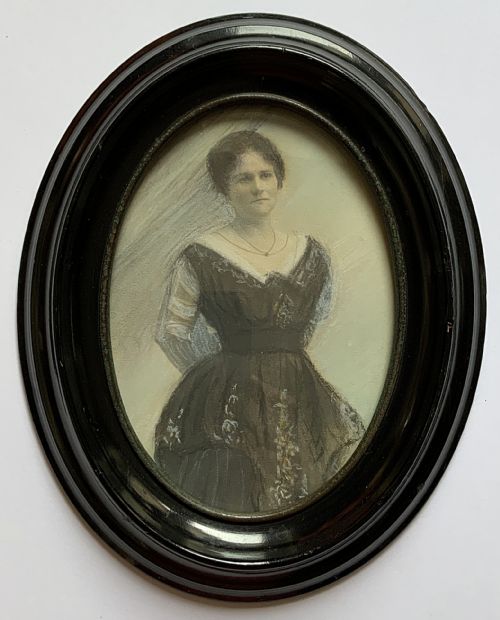
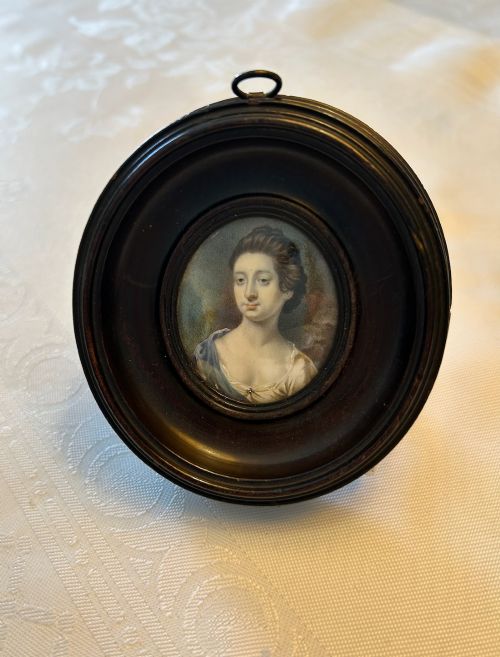
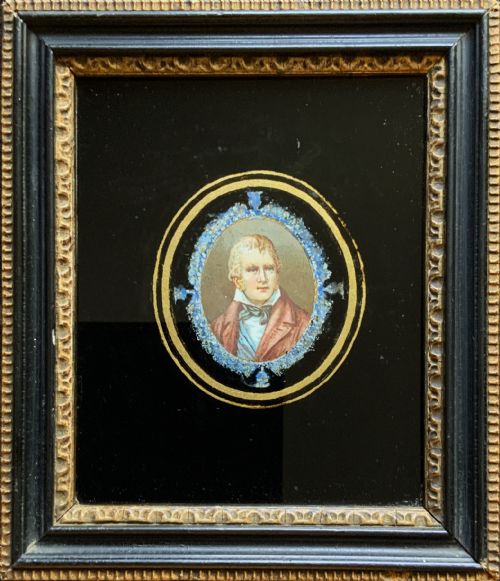

Ebonised Framed Miniature
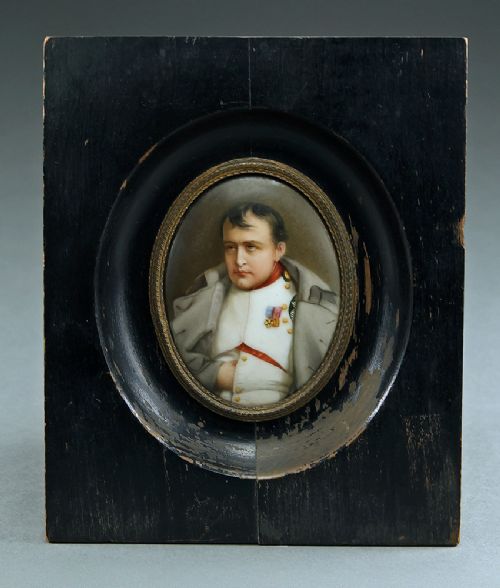
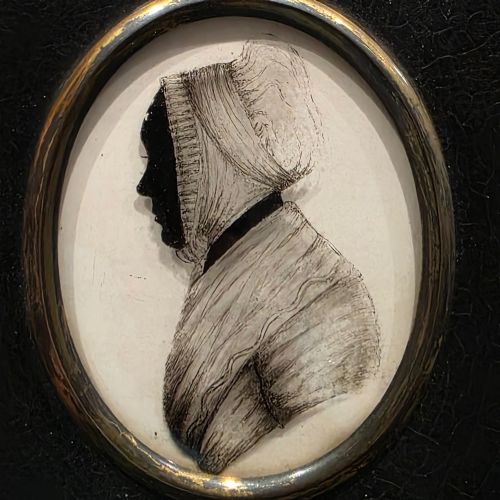
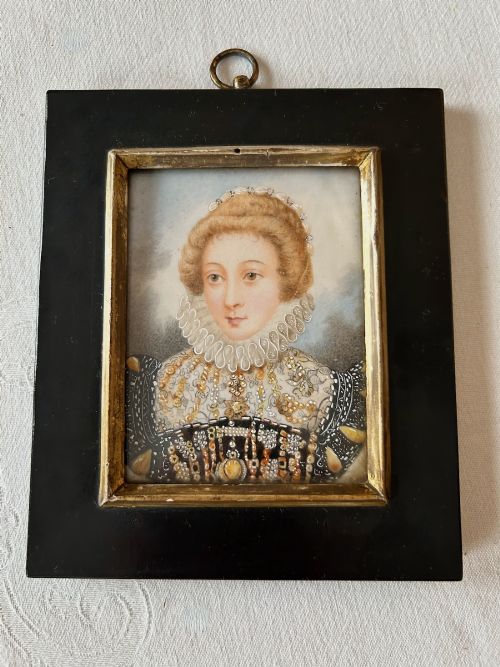
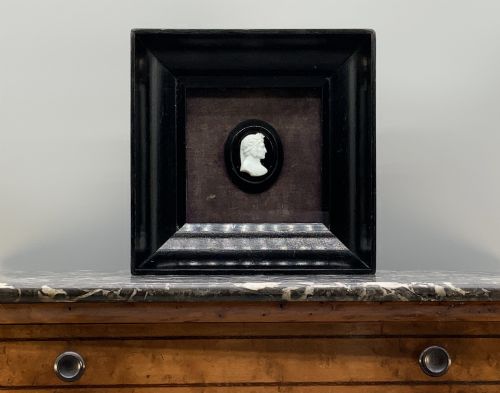
An ebonised framed miniature brings a small portrait, silhouette or plaque into focus through dark wood and crisp glass.
Ebonised Framed Miniature
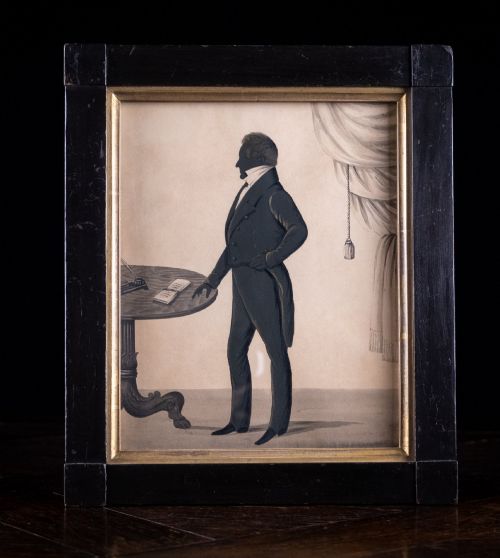
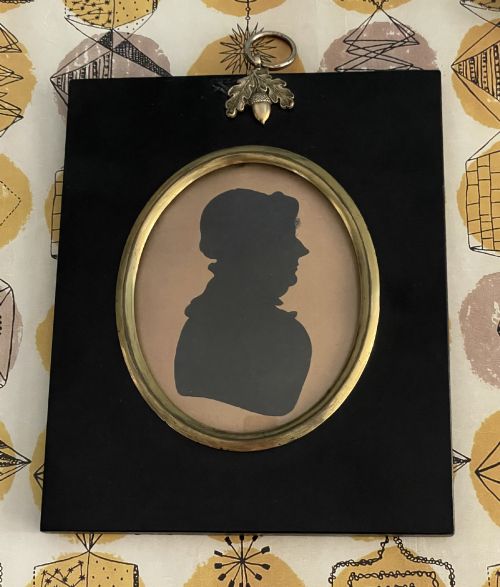
An ebonised framed miniature sits as a small portrait, silhouette or painted plaque enclosed in dark wood. These pieces span the 17th century, Georgian, Regency and Victorian periods.
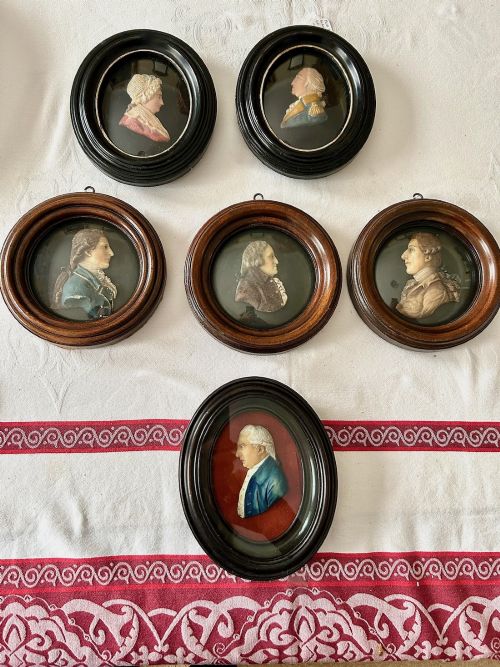
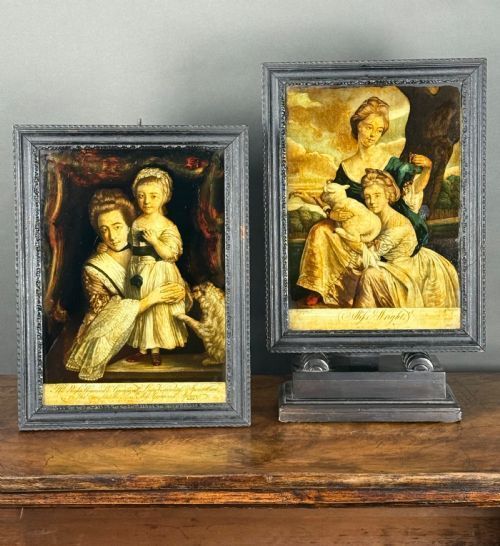
Buyers meet subjects rendered in watercolour, enamel, wax, carved ivory and reverse glass paint. Many domestic forms emerge from English, French and American schools across these centuries.
How they were made
Makers shaped ebonised wood to house delicate paper, card, glass and ivory supports. Painters and profile artists applied watercolour, pastel, plumbago and gold leaf by hand.
Glazing protected fragile surfaces like pressed glass cameos and wax portraits from dust and moisture. Brass hangers and mounts frequently secured the dark wooden surrounds.
Ebonised Framed Miniature Retail Price Guide 2026
Typical asking prices for ebonised framed miniature among the pieces listed under this phrase on Sellingantiques today, from the lower quarter to the upper quarter. They describe what is for sale here now, not the wider market.
Several profiles record brisk sitters who apparently could not spare the time for a full oil painting.
What varies in quality
The precision of the painted brushwork or silhouette cutting dictates the visual strength of the portrait. Finer examples capture facial expression and costume detail with sharp clarity.
The integrity of the original ebonised frame and glass preservation anchor the physical worth of the object. Hand-carved or gilded brass accents elevate specific pieces above standard framing.
Henri Fradelle·George Atkinson·James Gillespie·John Taylor·Thomas London·John Miers·Archibald Skirving
The Ebonised Framed Miniature Glossary
- Ebonised wood
- Timber stained or finished to resemble true ebony. This deep black surface defines the framing style.
- Plumbago
- A drawing executed in graphite or black lead. Artists used this technique for detailed monochrome portraits.
- Silhouette
- A solid dark profile portrait cut from paper or painted onto card, glass or plaster. These images capture subjects in shadow.
- Reverse glass painting
- An artwork applied to the rear side of a glass panel and viewed from the front. This method preserves the pigment behind a glossy protective layer.
Ebonised Framed Miniature: Frequently Asked Questions
What periods do these miniatures come from?
These works date from the 17th century through the Georgian, Regency and Victorian eras. Each period brings distinct clothing styles and portrait techniques to the dark frames.
Collectors encounter everything from early plumbago drawings to mid-Victorian watercolours within these wooden surrounds.
How should I hang these small frames?
Small portraits require sturdy picture hooks suited to their modest scale and weight. Grouping several framed pieces together on a wall creates a striking focal point.
Keep them away from direct sunlight to protect fragile watercolours and paper silhouettes from fading.
Are the frames original to the portraits?
Many pieces retain their period ebonised wood surrounds, often fitted with original glass and brass mounts. Some listings pair antique portraits with matching period frames from the same century.
Checking the backing and glazing helps confirm whether the frame and artwork have stayed together over time.
What subjects appear in these portraits?
Subjects range from named historical figures and aristocrats to anonymous children, ladies and gentlemen. Artists also recorded classical scenes, religious figures and profile silhouettes.
Each miniature captures a personal likeness or artistic study intended for intimate domestic display.