
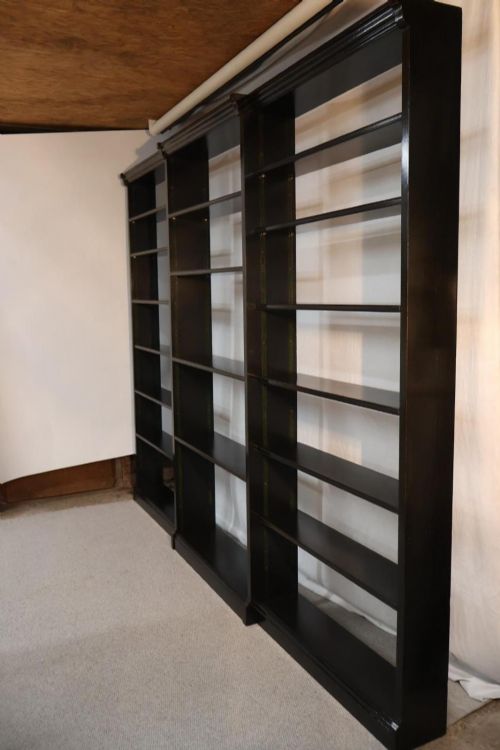


Ebonised Display Stand
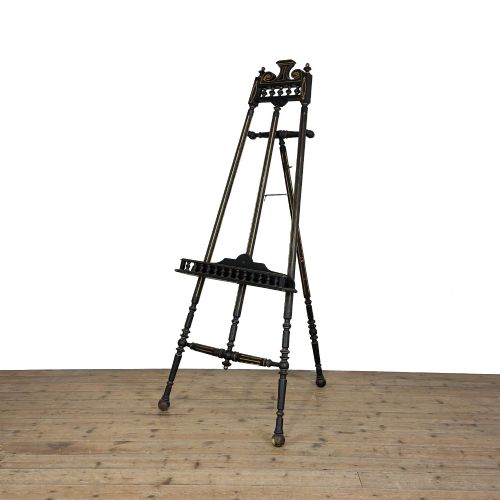
An ebonised display stand carries the dark, dramatic presence of the nineteenth century into a room to elevate porcelain, bronze or plants.
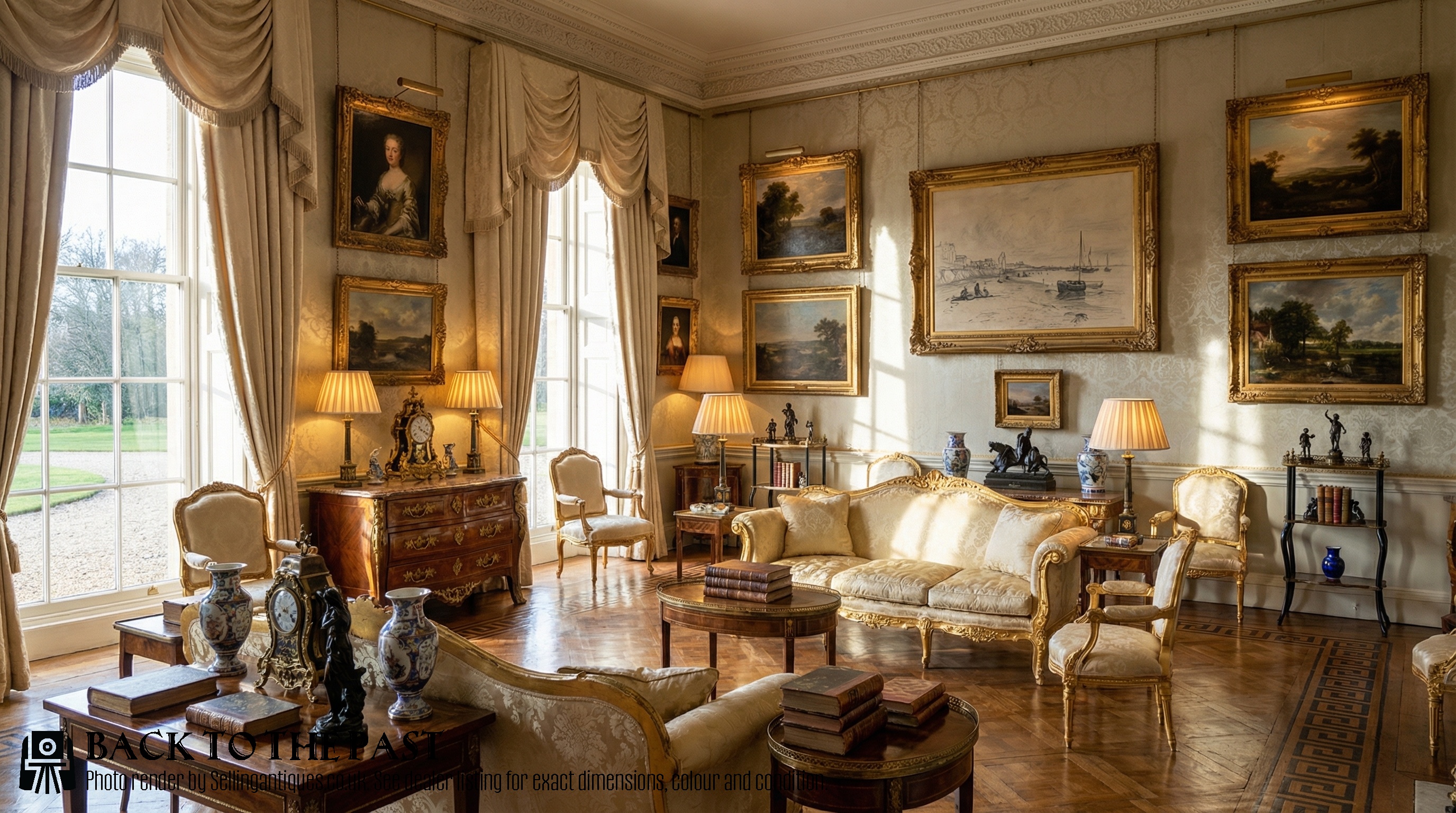
Ebonised Display Stand
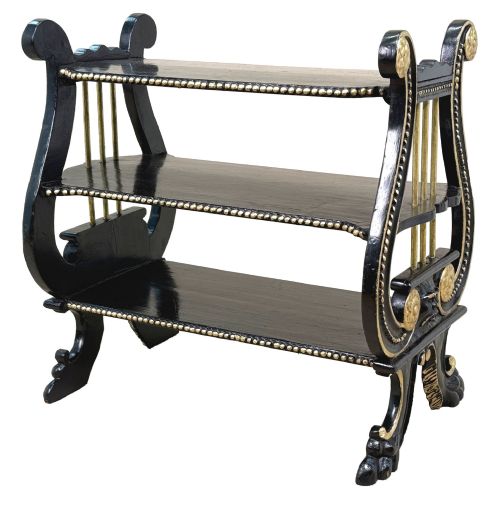
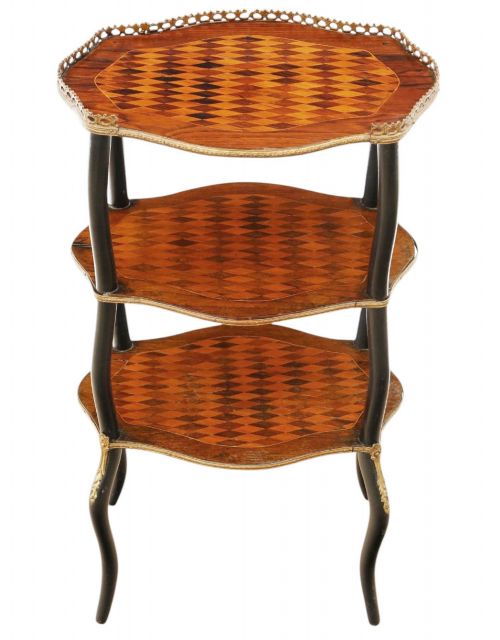
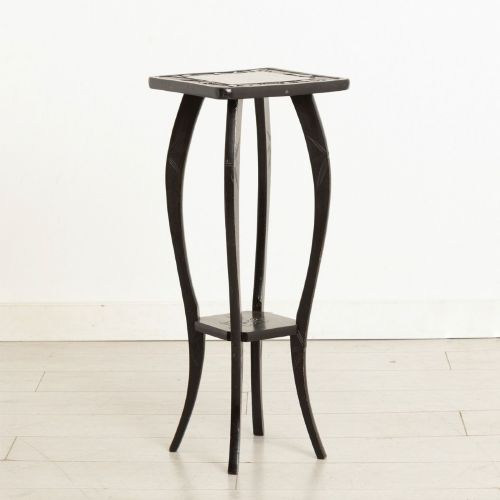
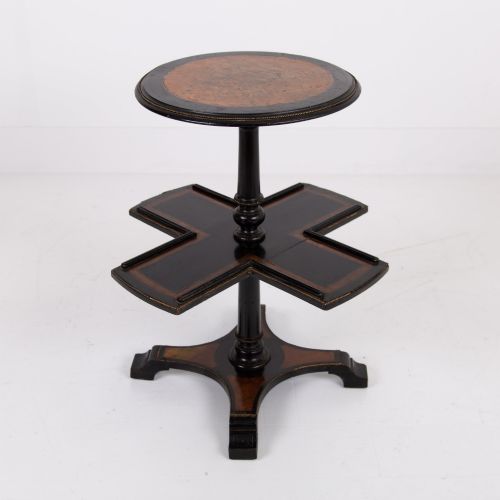
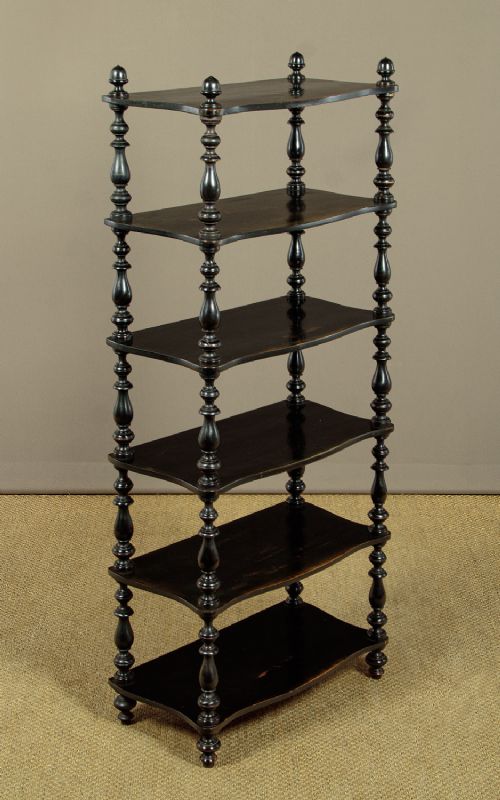
An ebonised display stand takes many forms across this selection, spanning tiered etageres, tall pedestals, and multi-shelf cabinets designed to show off collections. Victorian and Aesthetic Movement pieces dominate the inventory alongside French Napoleon III designs and Chinese export pieces.
The buyer meets everything from slender torchere stands and plant holders to breakfront bookcases and compact table-top frames. These items served distinct purposes in period interiors, whether holding a heavy marble vase or presenting small curiosities at eye level.
Makers utilised dark simulated finishes to mimic exotic hardwoods like ebony, creating a stark backdrop that allowed brightly coloured ceramics and gilt highlights to stand out. Each variant demonstrates the Victorian enthusiasm for organised display and domestic exhibition.
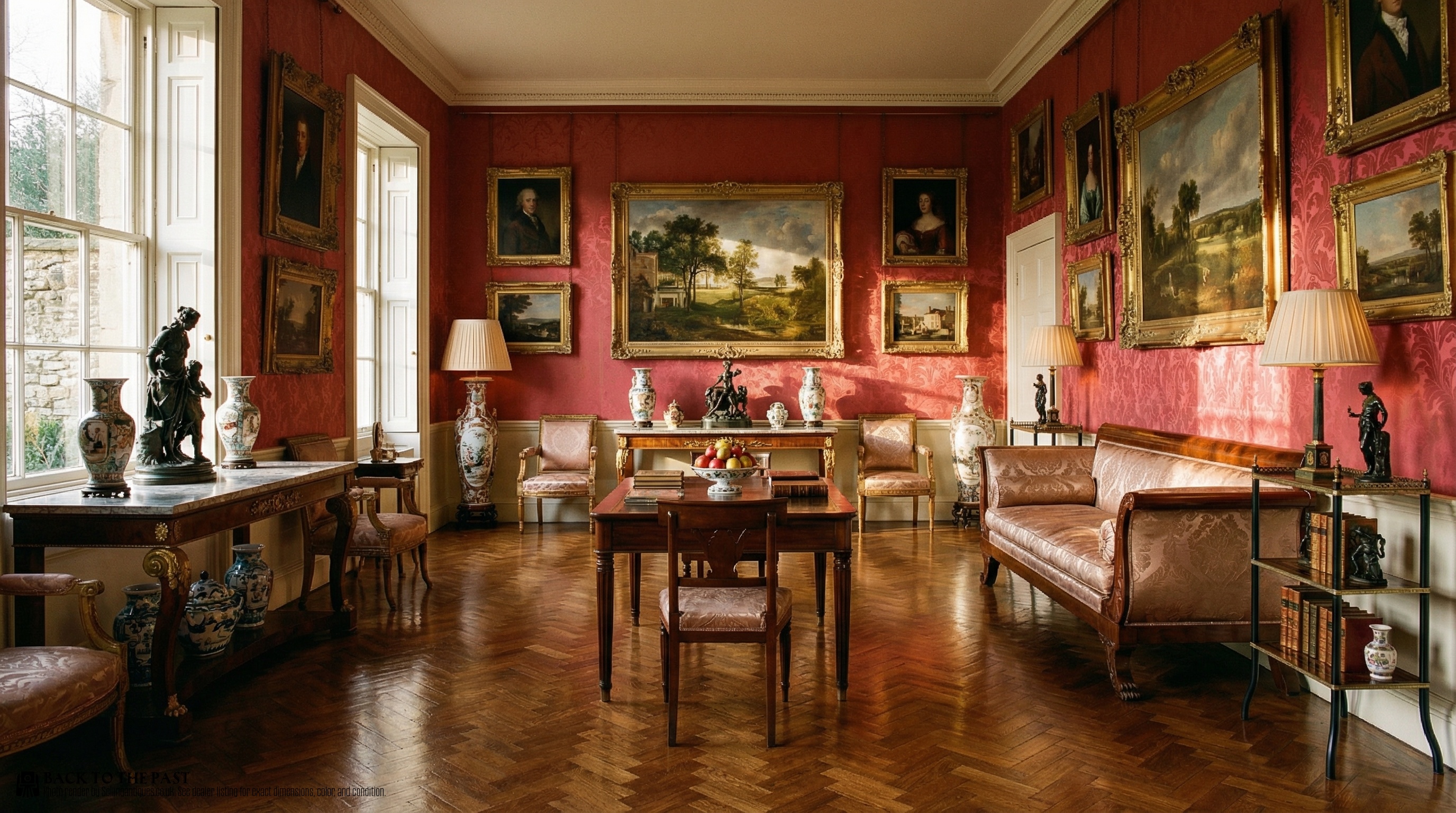
How they were made
Carpenters typically built these structures using close-grained hardwoods such as beech or mahogany, applying a deep black stain and polish to replicate solid ebony. Parcel gilding, ormolu mounts, and amboyna or burr walnut veneers frequently accent the ebonised surfaces.
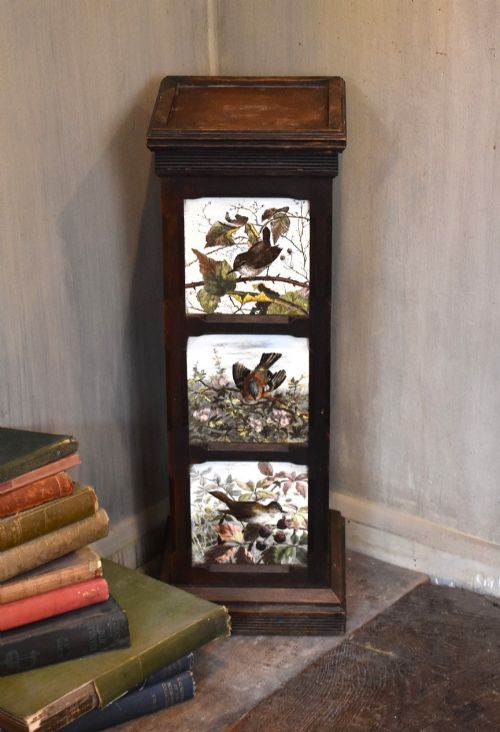
Inlaid parquetry, marquetry, and ceramic tiles appear across the structural elements of better examples, demonstrating considerable joinery skill. Turned columns, hand-carved details, and integrated brass fittings provide the structural support needed for heavy stone tops and multi-tiered shelving.
Ebonised Display Stand Retail Price Guide 2026
Typical asking prices for ebonised display stand among the pieces listed under this phrase on Sellingantiques today, from the lower quarter to the upper quarter. They describe what is for sale here now, not the wider market.
Materials recorded across the selection include ebonised hardwood, amboyna veneer, ormolu, brass, marble, and gilt wood.
What varies in quality
The depth and durability of the ebonised finish set baseline examples apart from exhibition-quality work, where the underlying timber preparation yields a glass-like sheen. Crispness in hand-carved ornament and the precision of inlaid parquetry or marquetry reveal the maker's original investment of time.
Structural integrity dictates daily utility, with superior pieces maintaining rigid joints across multiple tiers or tall columns without lean. The inclusion of secondary luxury materials, such as amboyna veneer, ormolu mounts, or inset marble tops, elevates an ordinary stand into a statement piece.
Liberty of London·Gillow & Co.
The Ebonised Display Stand Glossary
- Ebonised
- Wood stained or painted black to imitate true ebony. This finish gained immense popularity during the Victorian period for its striking contrast against gilded or brightly coloured objects.
- Étagère
- A piece of furniture consisting of open shelves for displaying small ornaments. French examples from the nineteenth century often feature delicate ormolu mounts and marquetry inlay.
- Torchere
- A tall stand designed to support a candelabrum, lamp, or plant. These slender vertical pieces often terminate in tripod bases or carved columns.
- Vitrine
- A glass-displayed cabinet designed to protect delicate objects from dust while offering all-round visibility. They frequently incorporate ebonised frames with glazed sides and doors.
- Whatnot
- A multi-shelved open cabinet used for storing and exhibiting curiosities. The name reflects the varied assortment of ornaments traditionally placed upon its tiers.
Ebonised Display Stand: Frequently Asked Questions
How were ebonised display stands used originally?
Victorian households utilised these stands in reception rooms and parlours to exhibit exotic curiosities, family photographs, and prize plants. Tiers and vitrines kept fragile items safe while ensuring guests could inspect collections from standing height.
Tall pedestals and torchere stands placed lamps or heavy bronze vases near corners and window bays to catch the light. Every shelf served a distinct role in domestic display culture.
What is the difference between an etagere and a whatnot?
An etagere generally refers to lighter, more decorative French-influenced multi-tiered shelving units featuring mirrors, marquetry, or ormolu mounts. They were designed as ornamental focal points in formal drawing rooms.
A whatnot describes a sturdier English multi-tier shelving piece intended for general household storage and display. Both terms overlap frequently in nineteenth-century inventory records.
Are these stands strong enough for heavy items?
Sturdiness varies significantly depending on the form, timber quality, and original intended function. Solid pedestals and multi-legged tables handle substantial weight easily, whereas slender etageres suit lighter ceramics and glassware.
Inspect the joints where shelves meet upright supports before placing heavy bronze or marble objects on upper tiers. Most antique stands perform best when weights are distributed evenly across lower levels.