

Earthenware Pottery Urn
An earthenware pottery urn brings substantial presence and historic weight to an interior through fired clay and traditional glaze.
Earthenware Pottery Urn
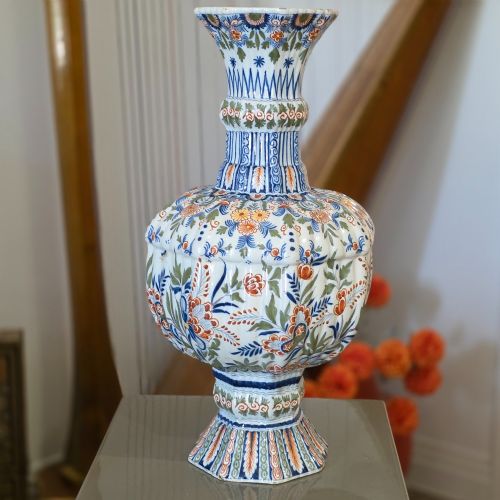
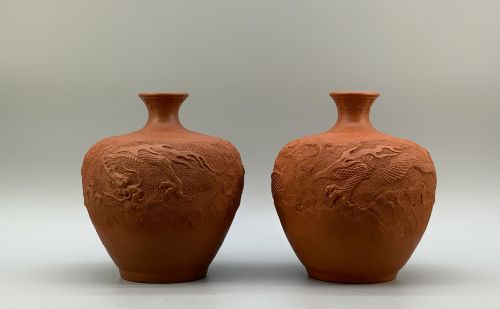
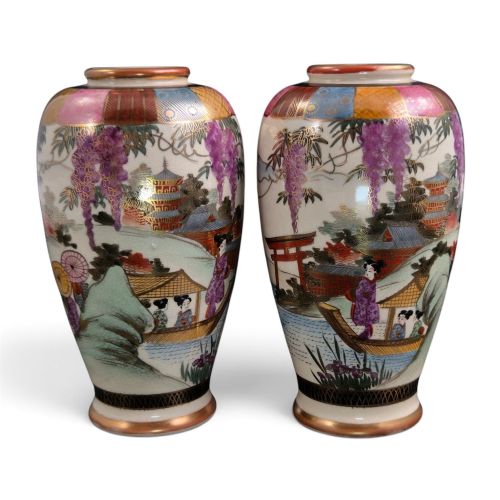
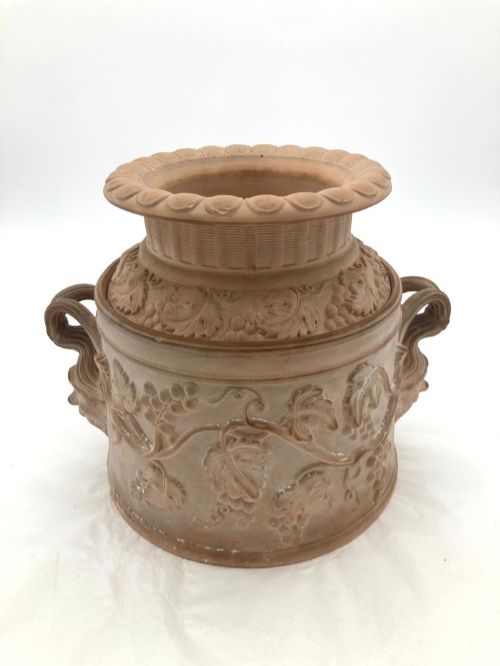
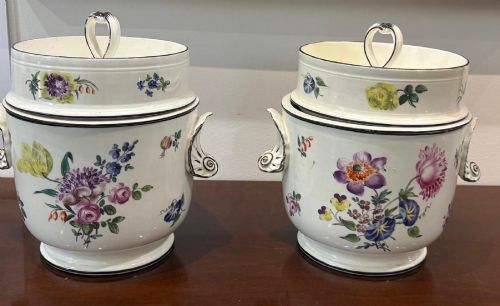
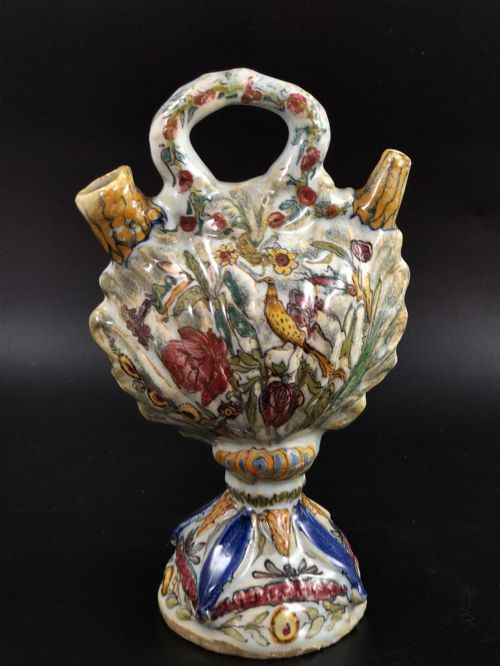
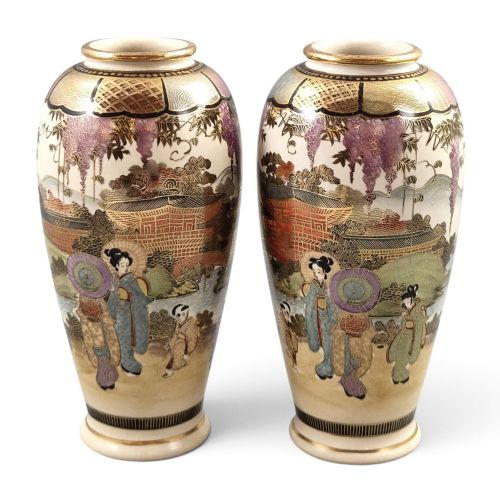
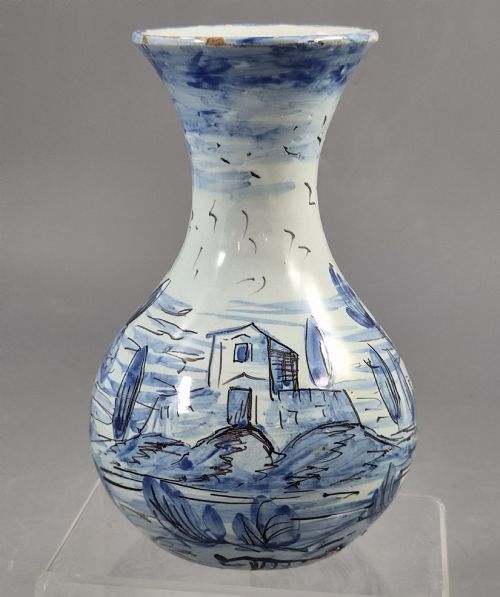
When searching for an earthenware pottery urn, collectors encounter diverse forms spanning decorative vessels, lidded jars, and wine coolers. The selection draws heavily from nineteenth-century European production and Japanese Satsuma wares from the Meiji period.
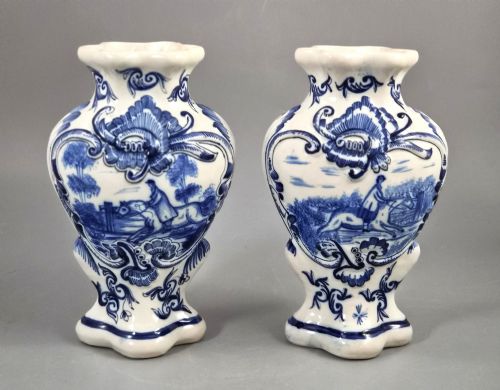
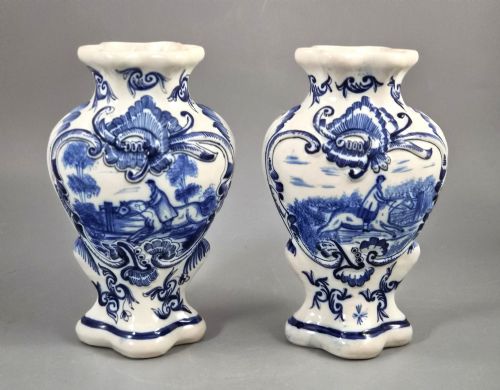
The objects frequently take the shape of baluster vases, ginger jars, and handled urns intended for display. English creamware and French faience sit alongside Italian majolica and Dutch delftware within the broader category.
Makers from various international potteries adapted traditional shapes to suit Victorian and Edwardian tastes. Buyers often find pieces decorated with hand-painted floral motifs, landscapes, or mythological scenes.
Materials and Techniques
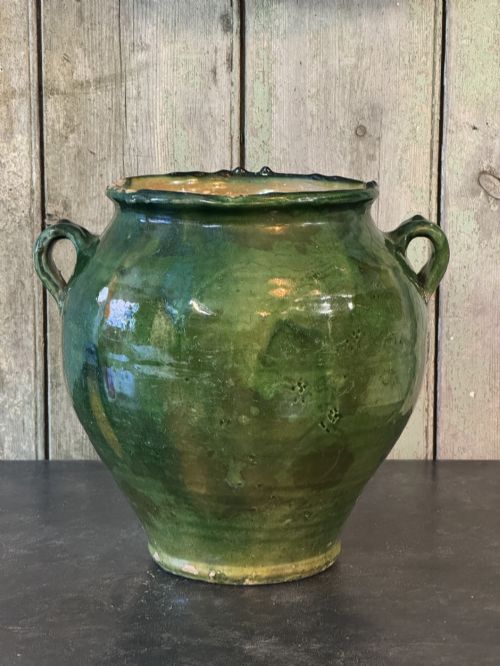
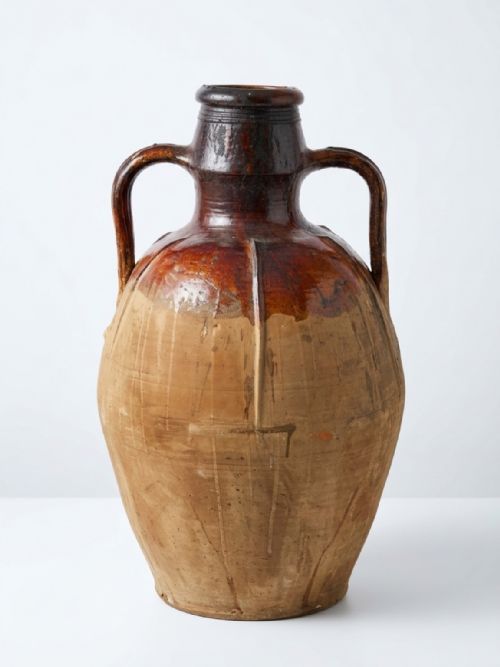
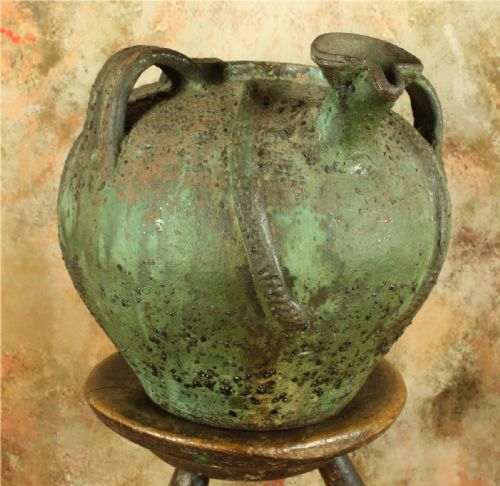
The pieces rely on porous clay bodies shaped on the wheel or moulded before firing. Potters applied tin glaze, enamel, or simple lead glazes to seal the surface and provide a ground for decoration.
Many items incorporate hand-painted pigments, sometimes enhanced with gold leaf highlights. Firing took place in traditional kilns, allowing oxides to react with the glaze during the heating process.
Materials documented across the inventory include terracotta, tin glaze, gold leaf, and ceramic.
Assessing Quality
Quality rests upon the precision of the potter's form and the execution of the hand-painted surface decoration. Finer examples display meticulous brushwork, careful control of glaze opacity, and well-balanced proportions.
The distinction between standard commercial wares and superior pieces lies in the depth of the painting and the complexity of the narrative or floral scenes. Well-preserved glaze surfaces without excessive wear also elevate the standing of a vessel.
Doulton Lambeth·Cantagalli·Maruni Kobe·Moorcroft·Davenport
The Earthenware Pottery Urn Glossary
- Earthenware
- Porous pottery fired at lower temperatures than stoneware or porcelain. It requires a glaze to hold liquids.
- Delftware
- Tin-glazed pottery originating in the Netherlands, usually finished in blue and white. It often mimics imported Chinese porcelain.
- Faience
- European tin-glazed earthenware produced in France and other regions. The technique creates an opaque white background for painted decoration.
- Satsuma
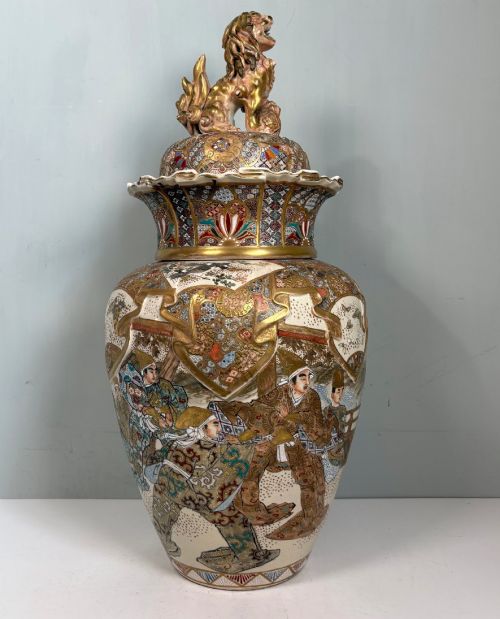
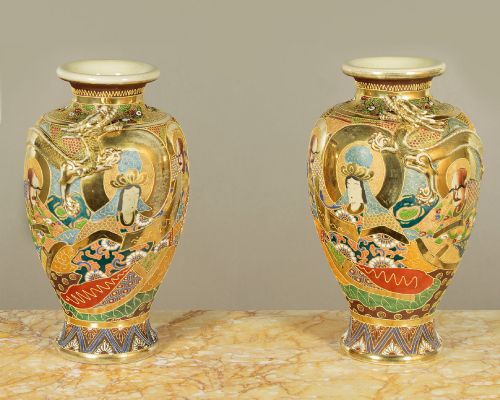
- Japanese pottery characterised by a fine ivory crackle glaze decorated with enamel and gold. It was widely exported during the Meiji period.
Earthenware Pottery Urn: Frequently Asked Questions
How do I clean an old urn?
Dust the surface gently with a soft, dry cloth to prevent accumulation. Avoid using water or chemical cleaners on porous earthenware.
Moisture can penetrate unglazed areas or lift old repairs and pigments. Keep these vessels in dry environments away from direct sunlight.
Are these urns waterproof?
Most antique earthenware vessels are porous and may seep moisture through the clay body or hairline cracks. Using a hidden internal glass liner is recommended if displaying fresh flowers.
Glazed surfaces offer some protection, but historical glazes can develop microscopic fissures over time. Treating them primarily as decorative objects preserves the material.
How do I identify Satsuma ware?
Look for a distinctive fine network of cracks across the creamy ivory glaze. The decoration typically combines dense enamel colours with gold leaf.
Many pieces bear artist signatures or workshop marks on the base. The subjects often feature traditional Japanese figures, landscapes, or thousands of butterflies.
What is the difference between delft and majolica?
Delft generally refers to Dutch tin-glazed earthenware dominated by blue and white colour schemes. Majolica encompasses Italian tin-glazed pottery and later colourful Victorian interpretations.
Both utilise a similar white tin-glaze ground but developed different regional decorative vocabularies. Examining the palette and painting style helps distinguish the origin.