


Early Victorian Engraving
Early victorian engraving gathers framed prints, snuff boxes, and metal plates capturing the visual culture of the mid-nineteenth century.
Early Victorian Engraving
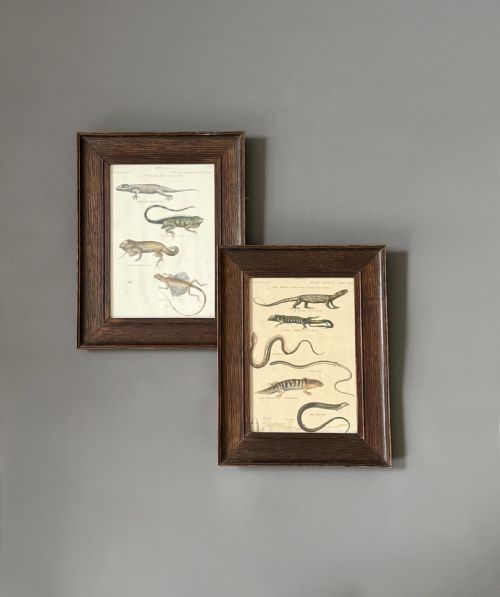
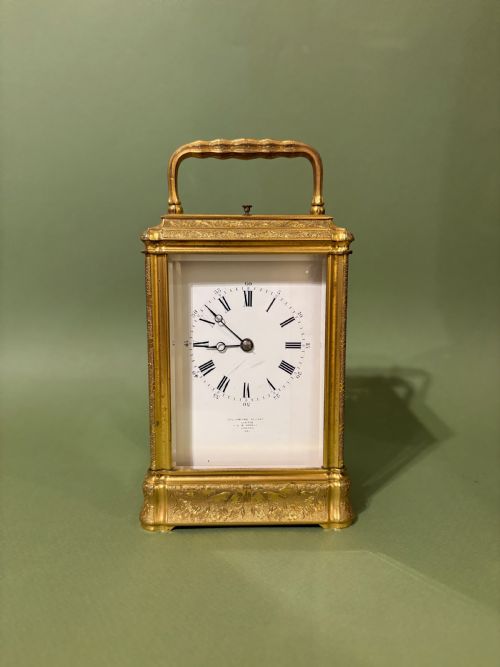
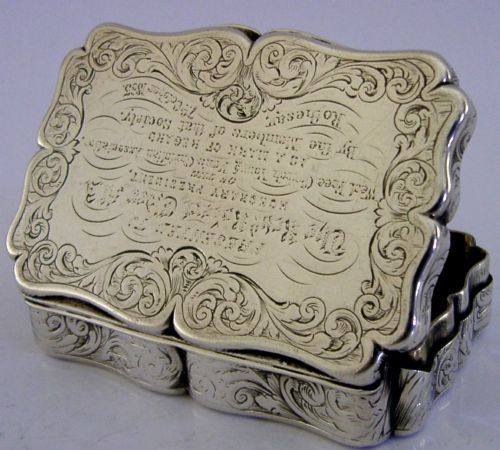
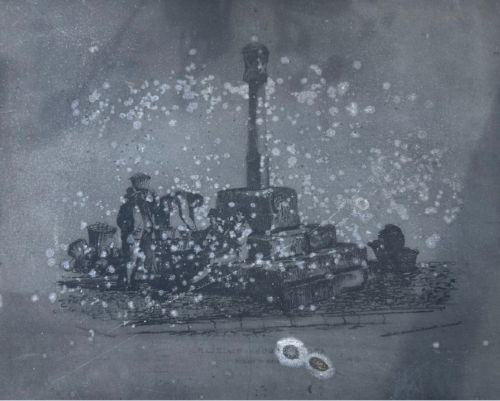
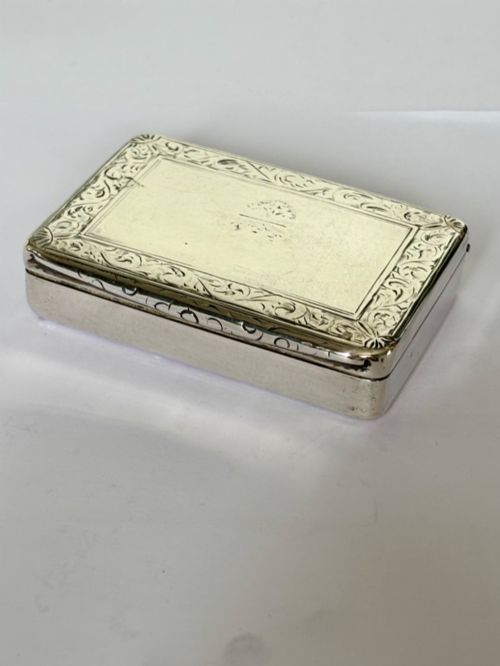
Buyers seeking early victorian engraving encounter a diverse range of objects featuring surface decoration, including framed prints depicting historical scenes, sterling silver snuff boxes, and printing plates. The inventory also spans items with specialised inscriptions, such as scientific reptile prints and presentation pieces.
Framed prints and paper works form the most direct expression of the genre, alongside metal objects rendered decorative through chased and incised lines. These pieces capture the domestic and public interests of the period through portraiture, natural history, and commemorative subjects.
The objects originate from British and European workshops, reflecting the widespread reliance on intaglio and relief techniques for both commercial and personal items. Each piece demonstrates how nineteenth-century makers applied surface marking to functional and decorative goods alike.
Materials and execution
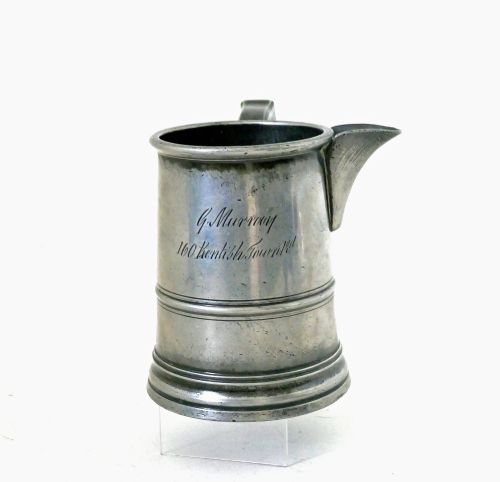
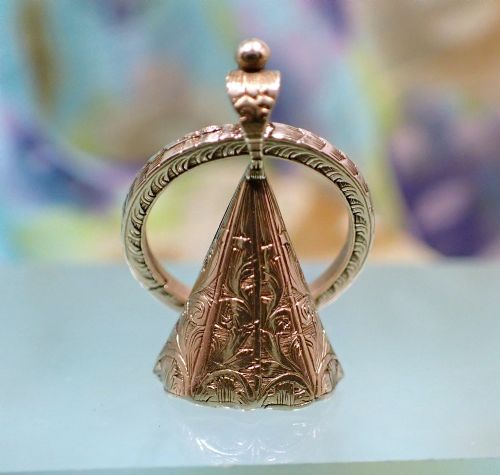
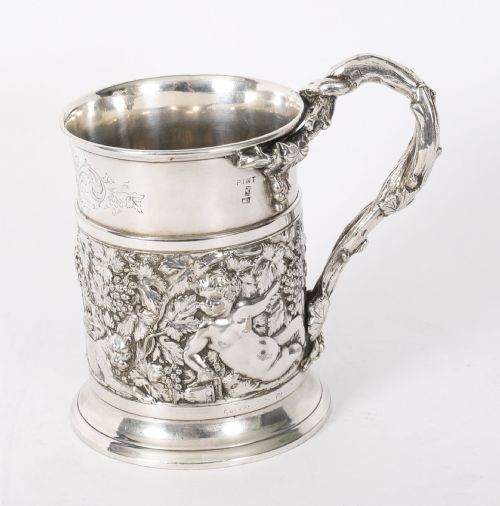
Makers utilised metals such as sterling silver, copper, and brass alongside paper and glass as the primary vehicles for engraving. Silversmiths worked precious metals using burins to cut crisp lines into snuff boxes, caddy spoons, and mugs.
Printers and artists relied on copper plates and lithographic stones to transfer inked designs onto paper sheets. Artisans also applied hand-colouring to finished prints and incorporated natural materials like agate and bloodstone into mounted metalwork.
Listings incorporate diverse materials including sterling silver, copper, brass, glass, wood, and paper across the Victorian and Edwardian periods.
Judging quality in engraved works
Quality rests upon the crispness of the line and the precision with which the maker controlled the cutting tool. Superior examples display confident, fluent strokes that articulate fine details without crowding the surrounding material.
The integration of the engraved design with the underlying form dictates the overall success of the piece. Well-executed works maintain a clear relationship between the decorative surface and the functional shape of the silver box, plate, or glass mirror.
William Bird MD FLS·Henri Jacot·Edward Smith·G R Collis·George Unite·Sebastian Crespell·S&B Solomons·Dollond
The Early Victorian Engraving Glossary
- Engraving
- A technique where a sharp metal tool called a burin is pushed across a surface to cut grooves into metal or wood. This process creates permanent, precise lines that hold ink for printing or form decorative patterns.
- Lithographic
- A printing process based on the chemical repulsion of oil and water upon a flat stone or metal plate. Artists draw directly onto the surface with a greasy medium to produce multiple impressions.
- Vinaigrette
- A small decorative box, usually fashioned from silver, fitted with an internal pierced grille to hold a sponge soaked in aromatic vinegar. These portable containers were common personal accessories during the nineteenth century.
- Snuff box
- A small pocket-sized container designed to hold dry powdered tobacco for inhalation. These pieces frequently feature engraved armorials, inscriptions, or foliate patterns on their lids.
- Caddy spoon
- A short-handled spoon utilised for measuring loose tea leaves from a storage caddy. Victorian examples often incorporate intricate bowl engraving and pierced decoration.
Early Victorian Engraving: Frequently Asked Questions
What subjects appear on early victorian engravings?
The available works depict a range of subjects including historical events, royal coronations, and natural history studies such as reptiles. These prints served both educational and commemorative purposes for contemporary buyers.
Portraits of prominent figures like Queen Victoria also feature prominently within framed compositions. The imagery reflects the prevailing public interests and artistic tastes of the period.
How were engraved printing plates used?
Printing plates made from copper or metal served as the matrices for transferring inked images onto paper sheets. Printers applied ink to the recessed or raised lines before passing the plate through a press.
These working plates allowed workshops to produce multiple impressions of maps, illustrations, and official documents. Surviving plates preserve the direct hand of the nineteenth-century engraver.
How do I care for antique silver with engraving?
Silver pieces featuring fine surface engraving require gentle handling to preserve the sharpness of the cut lines. Avoid abrasive metal polishes that can wear away the delicate raised edges of the design over time.
Store items in stable environmental conditions away from excessive moisture and direct sunlight. Soft cloths and specialised conservation cleaners help maintain the metal without harming the historic surface.
How can I distinguish period pieces from later reproductions?
Authentic nineteenth-century pieces display characteristic tool marks, oxidation patterns, and material wear consistent with age. Metal objects often bear official hallmarks that indicate the assay office, maker, and year of production.
Paper prints show the characteristics of period inks, watermarks, and aged rag paper stocks. Close examination under magnification reveals the physical impression left by the printing press or cutting tool.