



Early Victorian Bureau
An early victorian bureau is a purposeful writing cabinet built for domestic correspondence, offering hidden compartments and drop-front desks that collectors prize for utility.
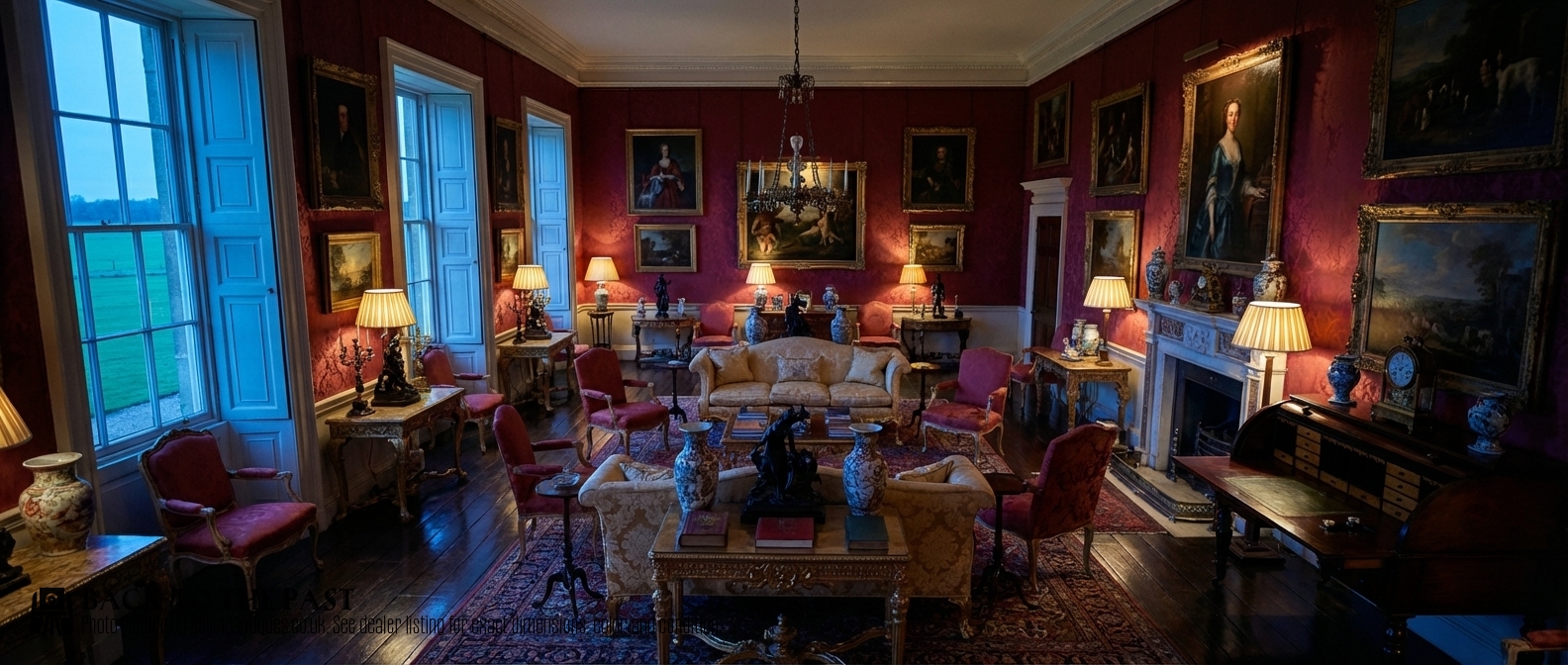
Early Victorian Bureau
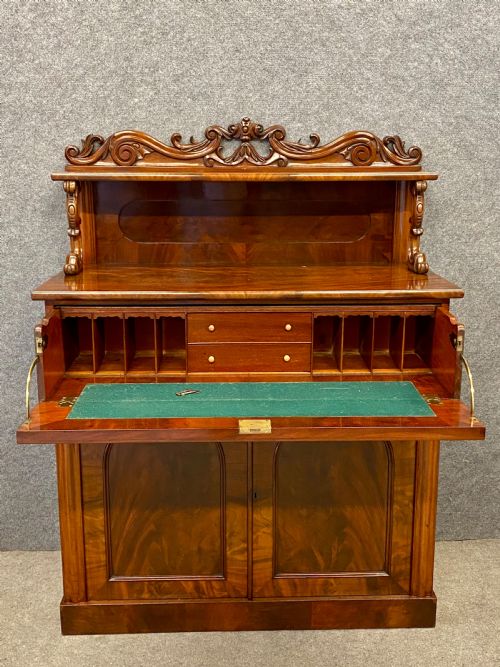
When you search for an early victorian bureau, you encounter compact writing furniture designed for domestic studies and parlours. These pieces combine drawer storage with a hinged writing slope that opens to reveal pigeonholes and small drawers.
The versions most frequently met on this page include mahogany and oak constructions from the mid-nineteenth century. Some incorporate bookcase tops or take smaller forms such as the Davenport desk.
Makers of the period also produced cylinder desks and secretaire bookcases that serve a similar function. The underlying form remains a practical writing station tailored to Victorian room layouts.
How they were made
Cabinet makers utilised solid timbers and selected veneers such as flame mahogany and burr walnut over secondary woods like pine. Surfaces received hand-applied polish that highlights the natural grain figures of the wood.
Interior compartments feature small drawers and hidden wells constructed with traditional dovetail joints. Brass handles, glass doors, and fitted leather or baize writing surfaces complete the construction.
Secret compartments hidden behind sliding panels allowed Victorian writers to secure letters from prying household staff.
What varies in quality
The distinction between standard and superior pieces rests on timber selection and interior complexity. Grain patterns on drawer fronts and the intricacy of secret compartments set finer examples apart.
Construction methods such as secondary wood choices and the execution of interior pigeonholes indicate workshop standards. Pieces bearing attribution to known firms like Gillows represent the upper tier of execution.
Gillows
The Early Victorian Bureau Glossary
- Bureau
- A writing cabinet featuring a sloping hinged flap that drops down to form a desk surface. It usually conceals a collection of small drawers and pigeonholes.
- Secretaire
- A piece of furniture containing a pull-out or drop-front writing drawer disguised as a standard drawer or cabinet door. It integrates writing facilities into bookcases or chests of drawers.
- Davenport
- A compact small desk featuring a sloping writing top and a pedestal of drawers to one side. The stationary compartment often sits on top of the desk body.
- Flame mahogany
- A wood veneer figure resembling flickering flames, created by cutting across the branch junction of the tree. Cabinet makers reserved this timber for principal show surfaces.
- Dovetail
- A joint formed by interlocking wedge-shaped fingers, used to join drawer corners securely. Hand-cut dovetails indicate traditional period craftsmanship.
Early Victorian Bureau: Frequently Asked Questions
What is an early victorian bureau?
An early victorian bureau is a mid-nineteenth-century desk featuring a hinged writing flap that opens to reveal small drawers and pigeonholes. These pieces combine enclosed storage with a functional writing surface.
Cabinet makers produced them in varieties ranging from compact oak examples to large flame mahogany secretaire bookcases. They served as the primary domestic writing station before the widespread use of freestanding writing tables.
How do you use a bureau?
You use a bureau by lowering the hinged flap to rest flat on support arms, creating a stable surface for writing letters and storing documents. The interior compartments organise paper, ink, and small stationery items.
When correspondence concludes, you lift the flap back into place and secure it with a key. This conceals the writing surface and keeps private papers out of view in the room.
Where were bureaus placed?
Bureaus were typically placed in studies, private sitting rooms, and bedrooms where domestic accounts and personal letters were managed. Their compact footprints allowed them to fit against perimeter walls without dominating the floor space.
Bookcase variations stood in libraries or parlours to combine book storage with writing facilities. Smaller forms like the Davenport sat beside parlour chairs or near windows for natural light.
How do you distinguish styles?
You distinguish styles by examining the timber choices, decorative carving, and overall proportions of the cabinet work. Pieces retaining Regency influence display restrained lines, while later Victorian versions incorporate bolder veneers and architectural pediments.
Interior layout also helps identify the period, with early examples featuring geometric pigeonholes and secret compartments. Examining secondary woods like pine provides further evidence of regional workshop practices.