



Early Georgian Wine Goblet
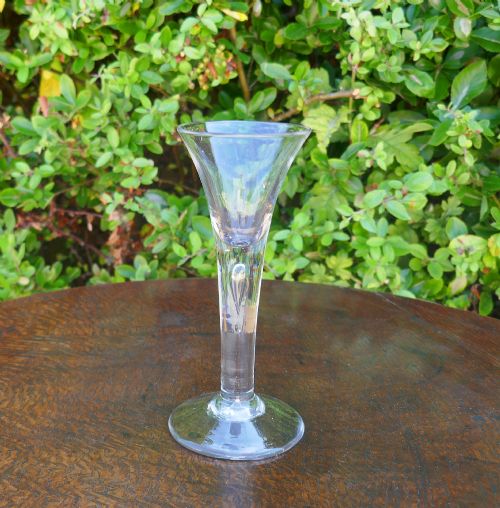
These early georgian wine goblet pieces are substantial drinking vessels of the eighteenth century, prized for their heavy lead metal and baluster stems.
Early Georgian Wine Goblet
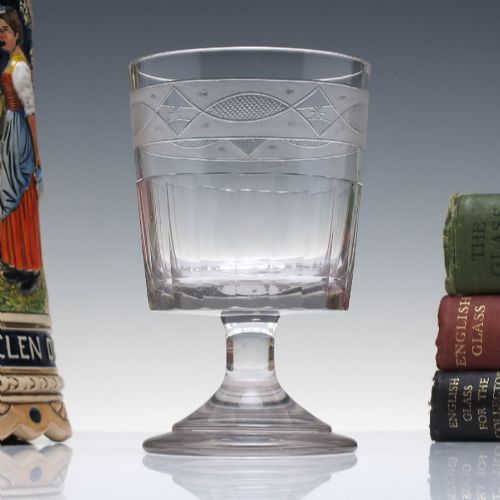
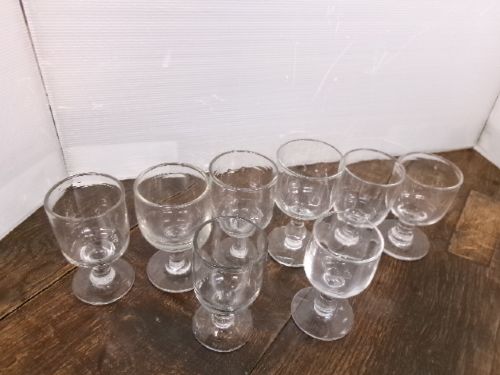
When you search for an early georgian wine goblet, you encounter drinking vessels spanning the Georgian, Queen Anne, and Regency periods. The forms range from large baluster wine glass goblets to smaller rummers and sherry glasses.
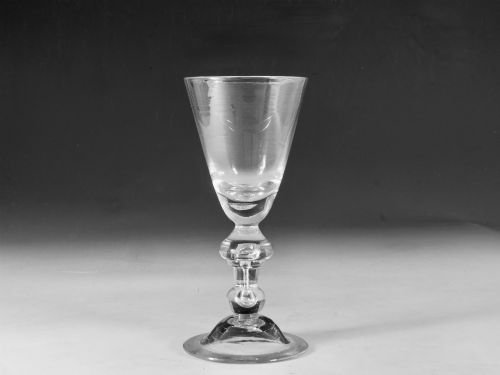
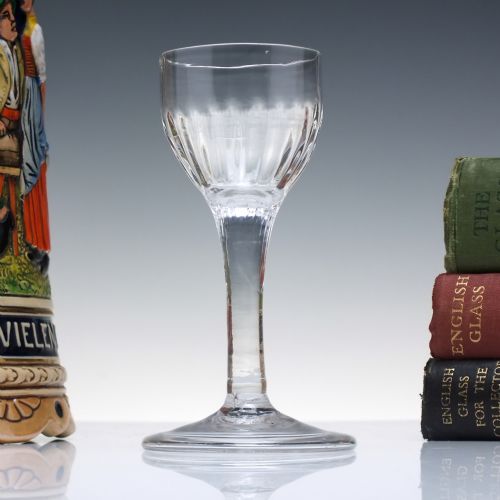
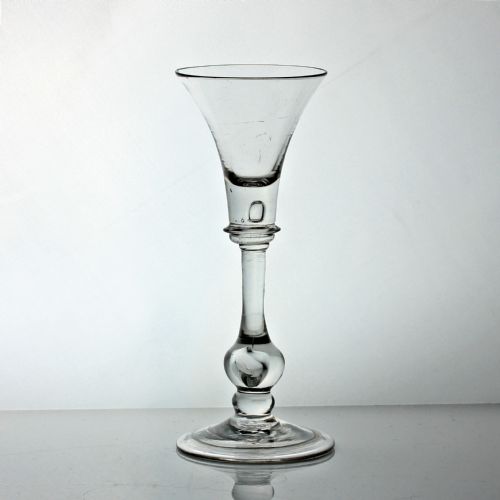
You are most likely to meet baluster and balustroid stems on this page, often featuring trumpet bowls or ribbed bowls with folded feet. These lead glass examples date from the early decades of the eighteenth century up to mid-century.
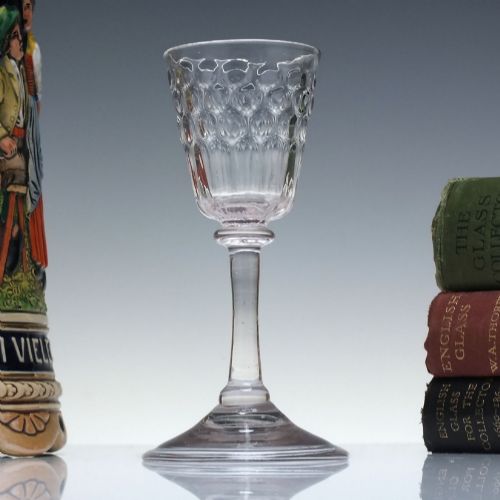
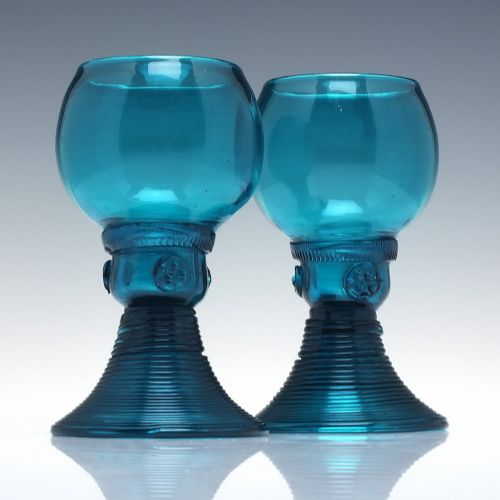
The selection also includes nut moulded Liege wine glasses and occasional coloured pieces from the nineteenth century. Each piece reflects the dominant glassware styles of its respective decade.
How they were made
The makers utilised heavy lead glass, flint glass, and lead crystal to produce these drinking vessels. This heavier metal allowed glassblowers to form substantial baluster stems and substantial feet.
Decoration techniques recorded in the inventory include engraving and nut moulding to texture the glass. Simple air bubbles within the stem also occur naturally in the early manufacturing process.
Early Georgian Wine Goblet Retail Price Guide 2026
Typical asking prices for early georgian wine goblet among the pieces listed under this phrase on Sellingantiques today, from the lower quarter to the upper quarter. They describe what is for sale here now, not the wider market.
Listings span the Georgian and Regency periods, utilising lead glass, clear glass, and soda glass across various stem forms.
What varies in quality
The distinction between standard items and superior examples lies in the weight and clarity of the lead glass metal. Heavier metal supports more complex baluster and balustroid stem formations.
Proportion and foot formation dictate the visual success of the piece, particularly with folded feet and domed bases. Engraved decoration adds detail that distinguishes finer glass from plain vessels.
The Early Georgian Wine Goblet Glossary
- Baluster
- A heavy, turned stem form resembling an architectural baluster, typical of early eighteenth-century English drinking vessels.
- Balustroid
- A slender variation of the baluster stem, maintaining the knopped profile with a lighter overall proportion.
- Folded foot
- A rim turned under the edge of the base to provide extra strength and weight to the vessel.
- Flint glass
- An early British term for high-quality lead glass developed to increase refractive brilliance.
- Nut moulded
- A glass vessel blown into a small patterned mould to create a textured surface design.
Early Georgian Wine Goblet: Frequently Asked Questions
What is an early georgian wine goblet?
An early georgian wine goblet is a heavy lead glass drinking vessel produced during the eighteenth century.
These pieces typically feature prominent baluster stems and substantial bowls designed for communal or individual dining use.
How do I date an early georgian wine goblet?
Dating relies on identifying stem forms such as balusters, balustroids, and air twist formations alongside bowl shapes.
Foot styles like folded rims and domed bases further help place the piece within the eighteenth century.
Were these goblets used for wine?
These vessels served various alcoholic beverages including wine, sherry, and ale depending on their capacity.
Smaller rummers and sherry glasses appeared in later decades alongside larger early goblets.
How should I display lead glass goblets?
Lead glass pieces require stable shelving away from direct sunlight and vibration to protect the heavy metal.
Placing them where light passes through the clear or flint glass highlights the historical character.