




Early Georgian Walnut Seat
An early georgian walnut seat brings rich timber and refined proportion into a room, offering both historical depth and everyday usability.
Early Georgian Walnut Seat
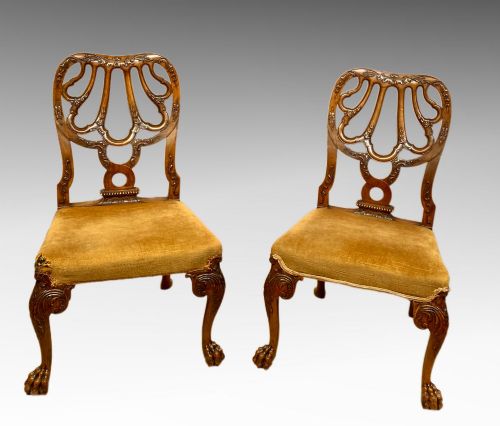
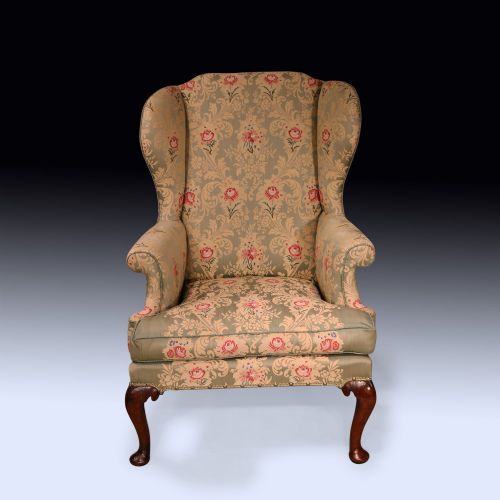
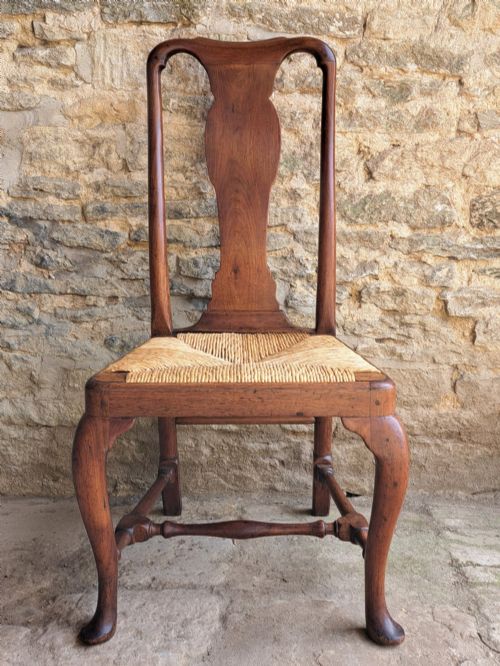
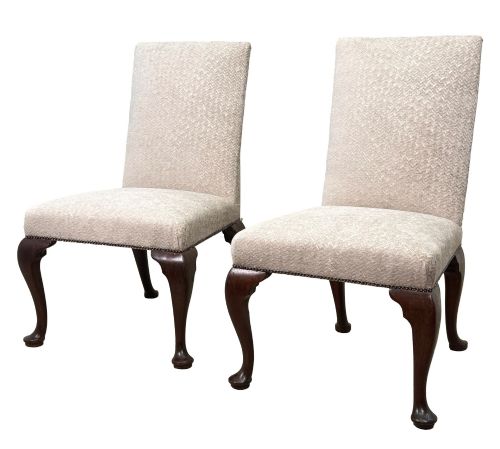
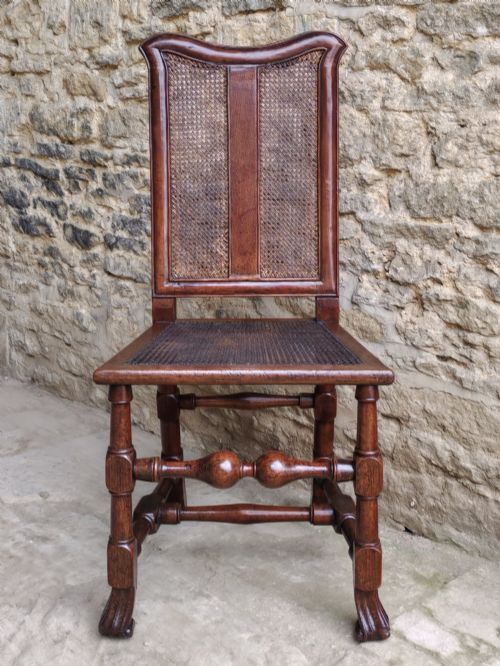
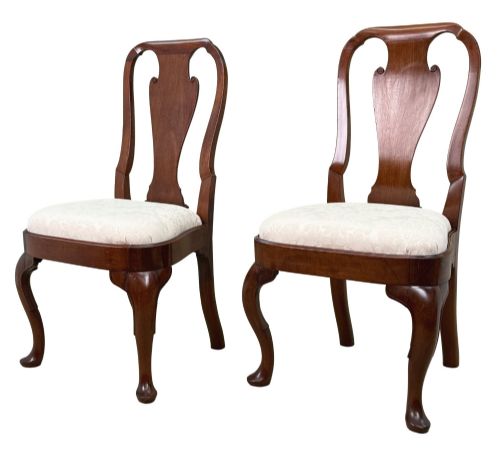
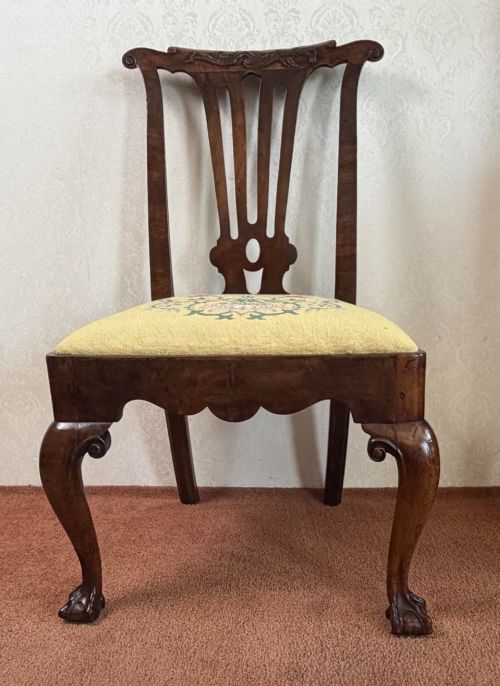
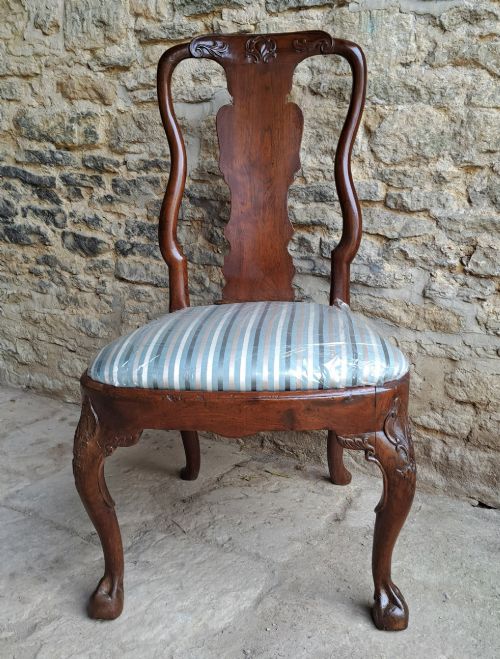
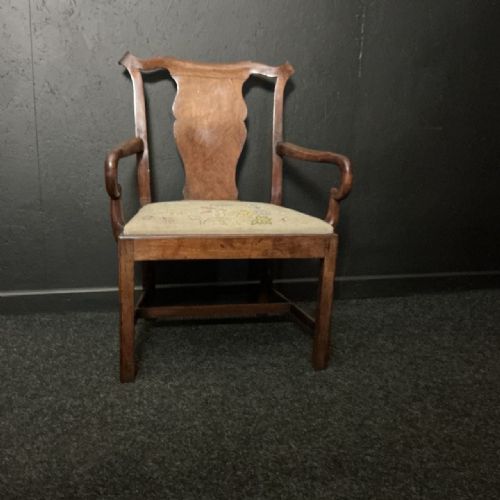
When you search for an early georgian walnut seat, you encounter an array of sophisticated forms spanning side chairs, armchairs, stools, settees, and desks chairs. These pieces originate primarily from the eighteenth century, encompassing George I, Queen Anne, and George II periods, alongside later revival interpretations.
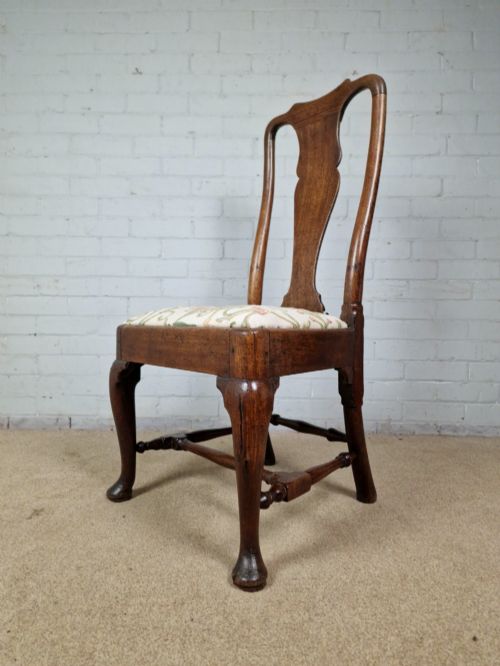
Side chairs and armchairs dominate the offerings, frequently featuring drop-in seats or upholstered surfaces. Stools and settees appear less often, providing substantial seating options in rich cabinet timbers.
The aesthetic vocabulary bridges seventeenth-century robustness and eighteenth-century elegance, utilising figured grain and warm patination. Workshops of the era focused on structural harmony, creating seating designed to anchor formal and domestic spaces alike.
How they were made
Makers constructed these seats using solid walnut and red walnut, frequently incorporating secondary timbers like oak for internal framing. Surfaces relied on the natural figuring of the wood, often enhanced through French polishing or wax to highlight the grain.
Upholstery techniques varied from drop-in pads to fixed textiles, utilising period fabrics and tapestry alongside later replacement coverings. Additional detailing included woven cane panels and brass hardware, contributing to both the visual texture and the structural integrity of the frame.
Early Georgian Walnut Seat Retail Price Guide 2026
Typical asking prices for early georgian walnut seat among the pieces listed under this phrase on Sellingantiques today, from the lower quarter to the upper quarter. They describe what is for sale here now, not the wider market.
Listings feature walnut, oak, brass, cane, and textile materials across side chairs, armchairs, stools, and settees.
What varies in quality
The caliber of an early georgian walnut seat rests upon the selection of timber and the crispness of its joinery. Superior examples display carefully chosen, highly figured walnut veneers or dense solid grain, while lesser items rely on plain timber or extensive later patching.
Proportion and the handling of carved details dictate the standing of a piece within the range. Refined execution in the legs, arms, and crest rails distinguishes master carpentry from utilitarian production.
The Early Georgian Walnut Seat Glossary
- Drop-in seat
- A removable upholstered frame that drops into a rebate within the chair rails. This construction method facilitated easier reupholstery and cleaning.
- Red walnut
- An American or Caribbean hardwood utilised in eighteenth-century cabinet making. It possesses a distinct reddish hue compared to European walnut.
- Cane
- Split rattan woven into patterned mesh panels for chair backs and seats. It provided lightweight ventilation before the widespread adoption of upholstered padding.
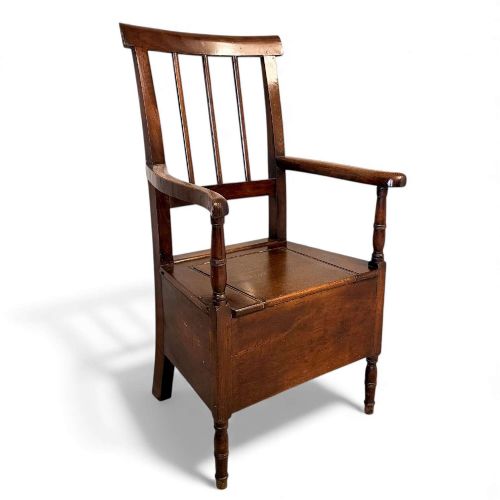
- Commode chair
- A specialised seat fitted with a concealed chamber pot or sanitary pan. These items combined domestic convenience with formal cabinet-making standards.
- Gainsborough armchair
- A wide, open-armed seat with padded upholstery designed for comfort during writing or reading. The form gained popularity during the early eighteenth century.
Early Georgian Walnut Seat: Frequently Asked Questions
How do I identify a genuine early georgian walnut seat?
Examine the timber selection, construction joints, and wear patterns beneath the frame. Genuine pieces display period-appropriate tool marks, timber shrinkage, and structural integration consistent with eighteenth-century cabinet making.
Compare the proportions and carving style against established examples from the George I or Queen Anne eras. Secondary woods like oak in internal bracing further support authentic period manufacture.
Were these seats used in dining rooms?
Side chairs and armchairs served multiple domestic functions, including dining, reading, and general parlour use. Many were produced in sets to furnish formal dining spaces and reception rooms.
Larger forms like settees and corner desks chairs catered to specific social and domestic routines. Their placement shifted according to the functional needs of the household.
Can I use an antique walnut seat every day?
These seats are structurally robust, but fragile textiles and aged timber require mindful handling in modern homes. Regular seating is suitable provided the joints remain tight and the upholstery is stable.
Positioning the furniture away from direct heat sources and strong sunlight preserves the walnut finish. Professional conservation ensures the internal framing supports daily weight safely.
What is the difference between original and revival pieces?
Eighteenth-century originals bear the patina, wear, and construction methods of their initial period of use. Revival pieces, dating from later decades such as the Victorian or Edwardian eras, replicate these historical styles using contemporary techniques.
Detailed inspection of the timber ageing, block supports, and fastener types reveals the chronological distinction. Both categories offer distinct historical interest for collectors.