





Early Georgian Stemware
Early georgian stemware brings heavy lead metal and deep optical clarity to the table, offering a tangible link to eighteenth-century tavern and dining culture.
Early Georgian Stemware
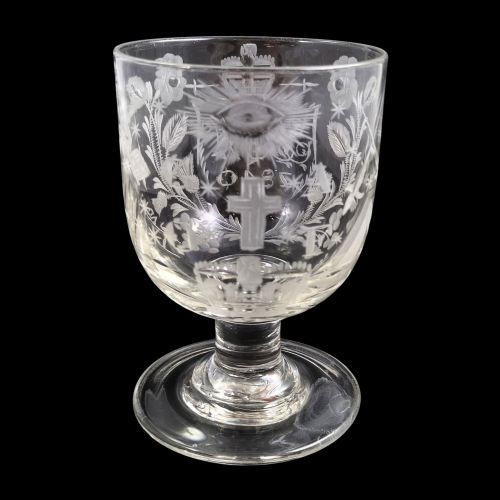
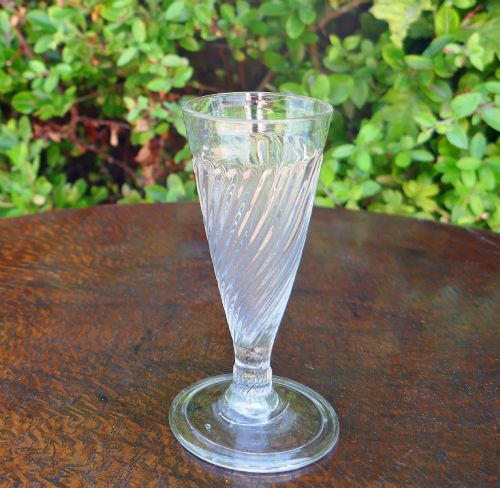
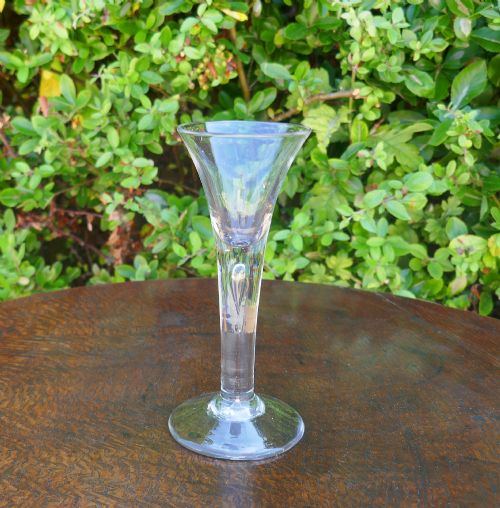
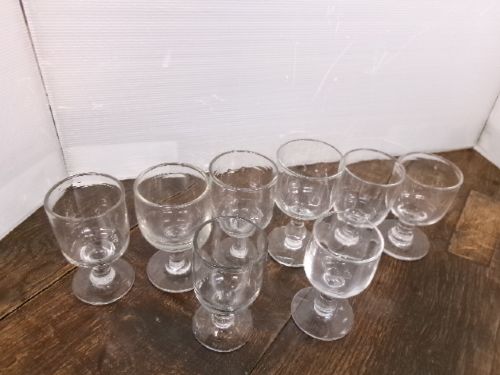
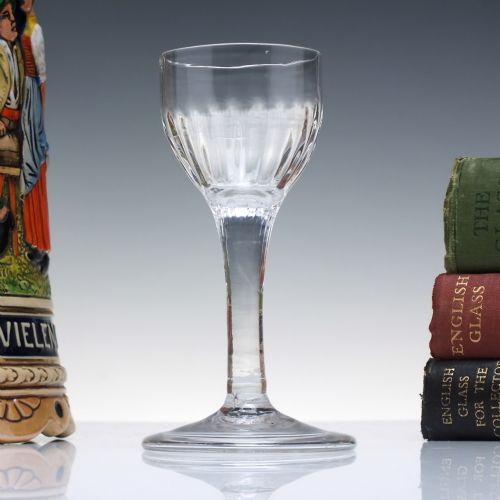
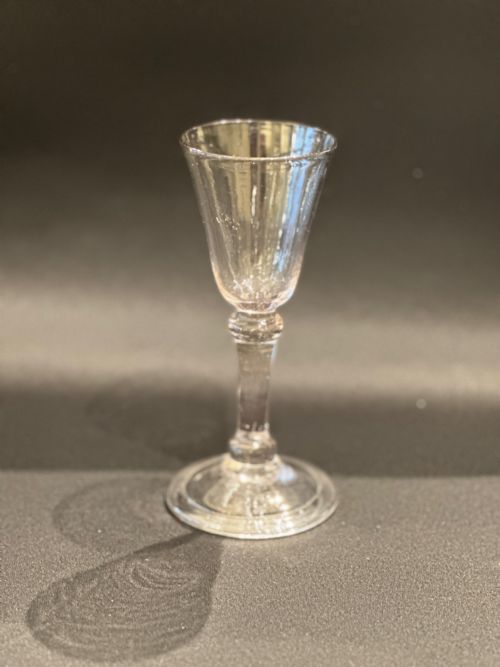
Early georgian stemware comprises drinking vessels produced across the eighteenth century and into the nineteenth century, encompassing forms such as wine glasses, baluster glasses, dram glasses, and rummers. Buyers searching for early georgian stemware will encounter baluster and balustroid wine glasses, ale glasses, and pedestal stem gin glasses alongside later rummers.
The objects span periods from the reign of Queen Anne through the Georgian era and into the Regency, capturing shifts in domestic drinking habits. Forms range from large baluster goblets and heavy baluster wine glasses to slender trumpet-bowl wine glasses with air bubbles in the stem.
Vessels demonstrate distinct functional variations, including folded feet for rim strength and basal bubbles trapped inside the stem during manufacture. Most examples originate from English workshops, with occasional continental variants such as Liege wine glasses appearing in the selection.
Materials and construction
Makers utilised heavy lead glass, flint glass, and lead crystal, which gave the material significant heft and a bright refractive quality. Clear glass and soda glass also appear across the selection, showing varied methods of glasshouse production.
Techniques involved forming thick baluster stems, sometimes incorporating air tears, bubbles, or moulded ribs into the metal. Feet were frequently turned under to create a folded edge, while bowls were shaped using plain, ribbed, nut-moulded, or engraved methods.
An eighteenth-century glass retains an accidental air bubble trapped firmly inside its stem, preserving the breath of the blower.
Evaluating quality and character
Quality rests in the weight of the metal, the clarity of the lead crystal, and the proportion between bowl, stem, and foot. Heavier baluster forms with domed feet command attention for their tactile substance.
Refinement shows in the hand-finished details, such as crisp wheel engraving on rummers or deliberate air bubbles set cleanly within the stem structure.
The Early Georgian Stemware Glossary
- Baluster
- A heavy, swelling stem shape derived from architectural supports. It provides substantial weight to early eighteenth-century drinking vessels.
- Folded foot
- A glass foot where the outer rim is turned underneath to create a thickened edge. This technique added durability to fragile vessel bases.
- Air twist
- A decorative spiral of elongated air bubbles trapped inside a drawn glass stem. It results from manipulating air trapped within the hot metal.
- Rummer
- A capacious drinking glass with a thick stem and foot, used for punch, wine, or beer during the late eighteenth and early nineteenth centuries.
- Pontil mark
- A rough scar left on the base of a vessel where the punty rod was snapped off after finishing. Its presence indicates traditional hand-blown manufacture.
Early Georgian Stemware: Frequently Asked Questions
Why do some glasses have folded feet?
Makers folded the rim of the foot underneath during blowing to reinforce the edge against chipping during tavern or dining use.
This practical feature also adds a pleasing tactile ridge to the base of the vessel.
How can I date an 18th century glass?
Dating relies on observing stem construction, bowl form, and metal composition, moving from heavy baluster stems toward lighter air twists and cut glass.
Changes in social drinking vessels across the reigns of Queen Anne and the Georges dictate these stylistic shifts.
What is an air bubble in a stem?
An air bubble is a pocket of gas deliberately or accidentally trapped inside the molten metal during the formation of the stem.
Maker manipulation often centred these bubbles to create decorative optical effects known as basal or tear bubbles.
Were these glasses used daily?
These vessels served for wine, ale, gin, and drams in domestic dining rooms and public drinking establishments.
Their heavy lead composition helped them withstand regular handling at table.