
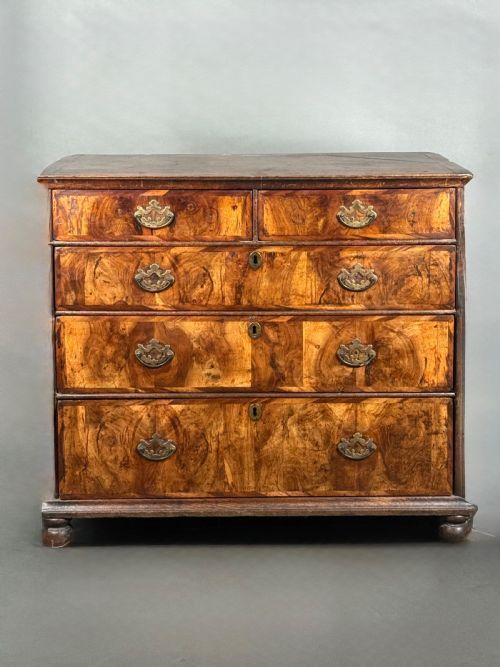
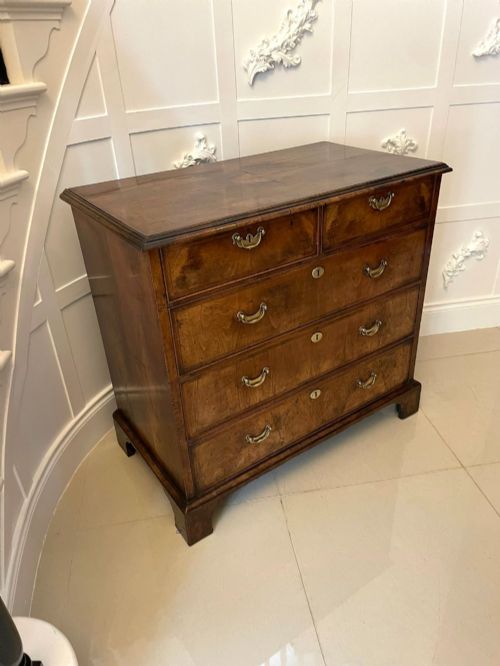
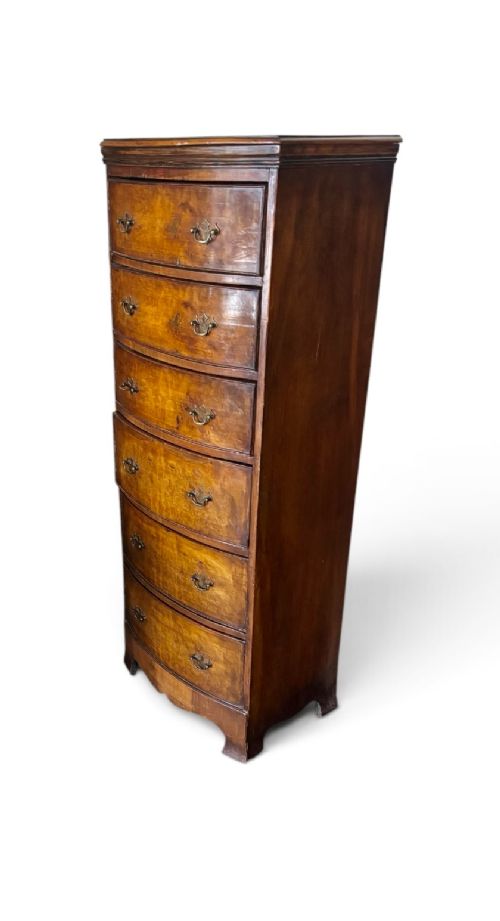


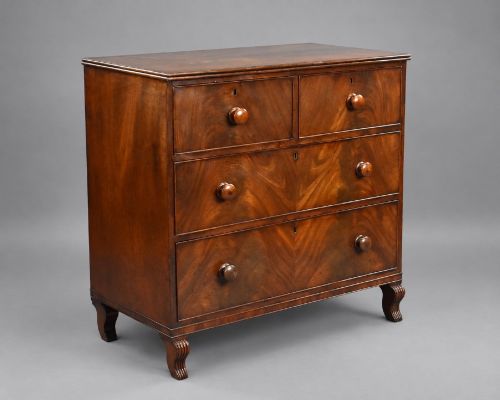
Early Georgian Chest
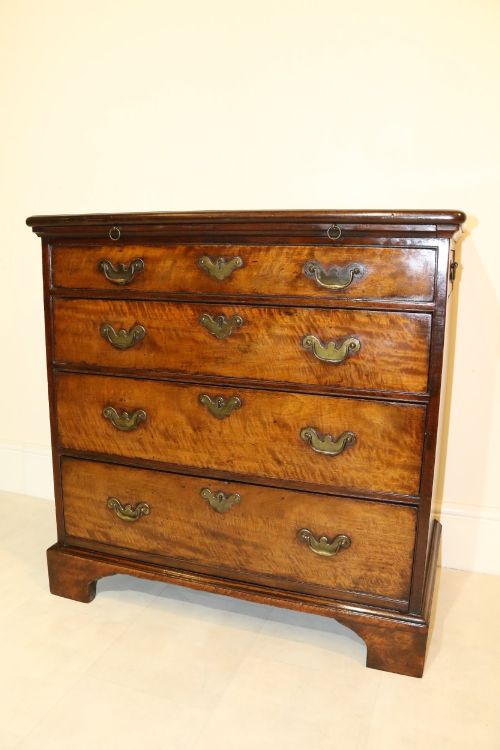
An early georgian chest brings domestic utility into focus through polished walnut veneers and heavy oak framing.
Early Georgian Chest
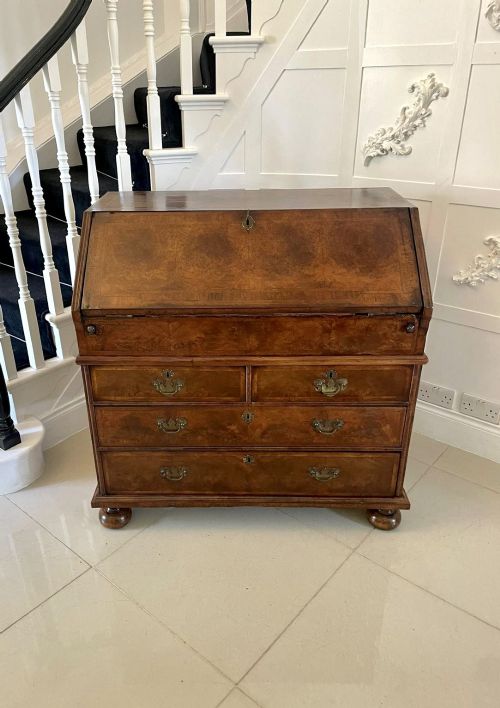
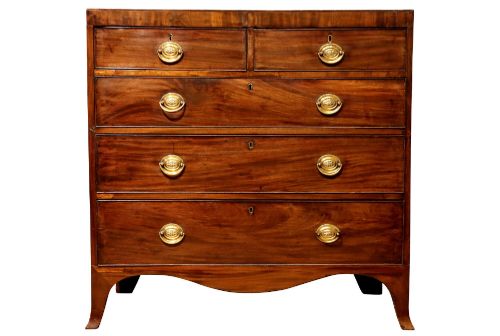
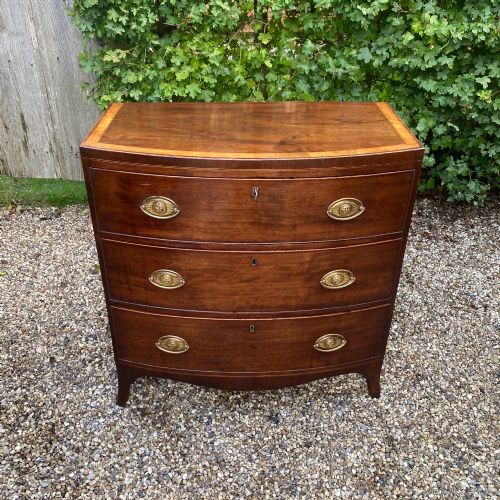
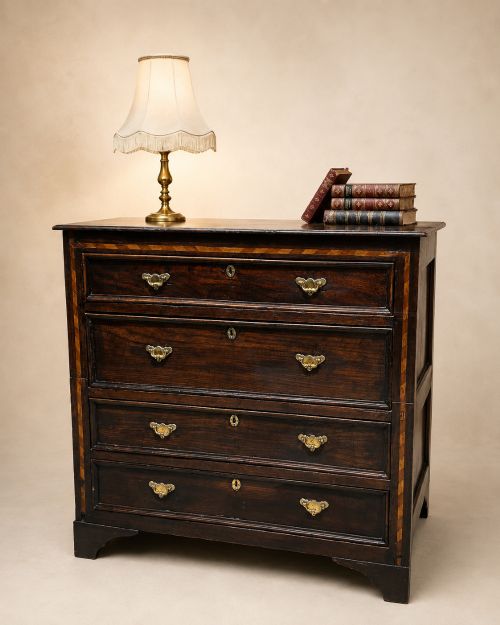
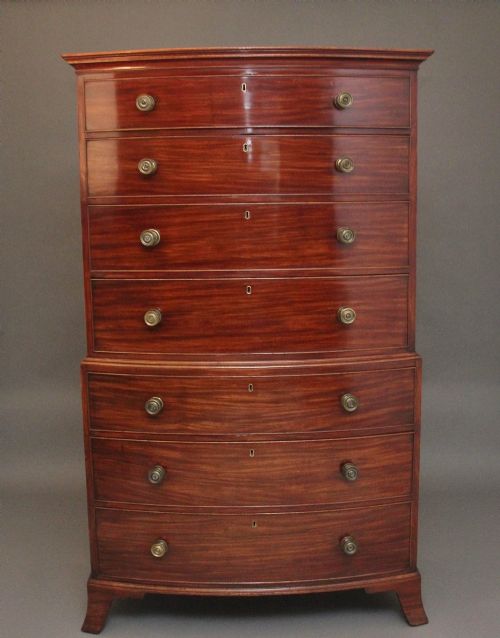
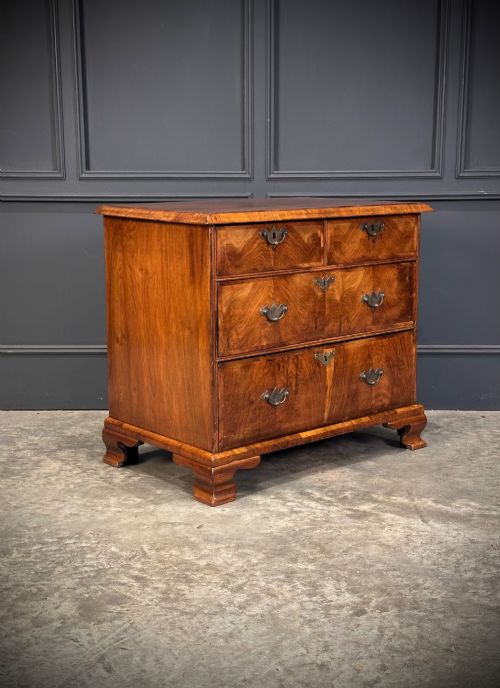
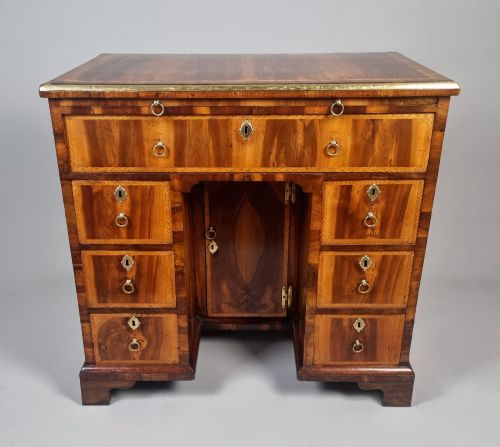
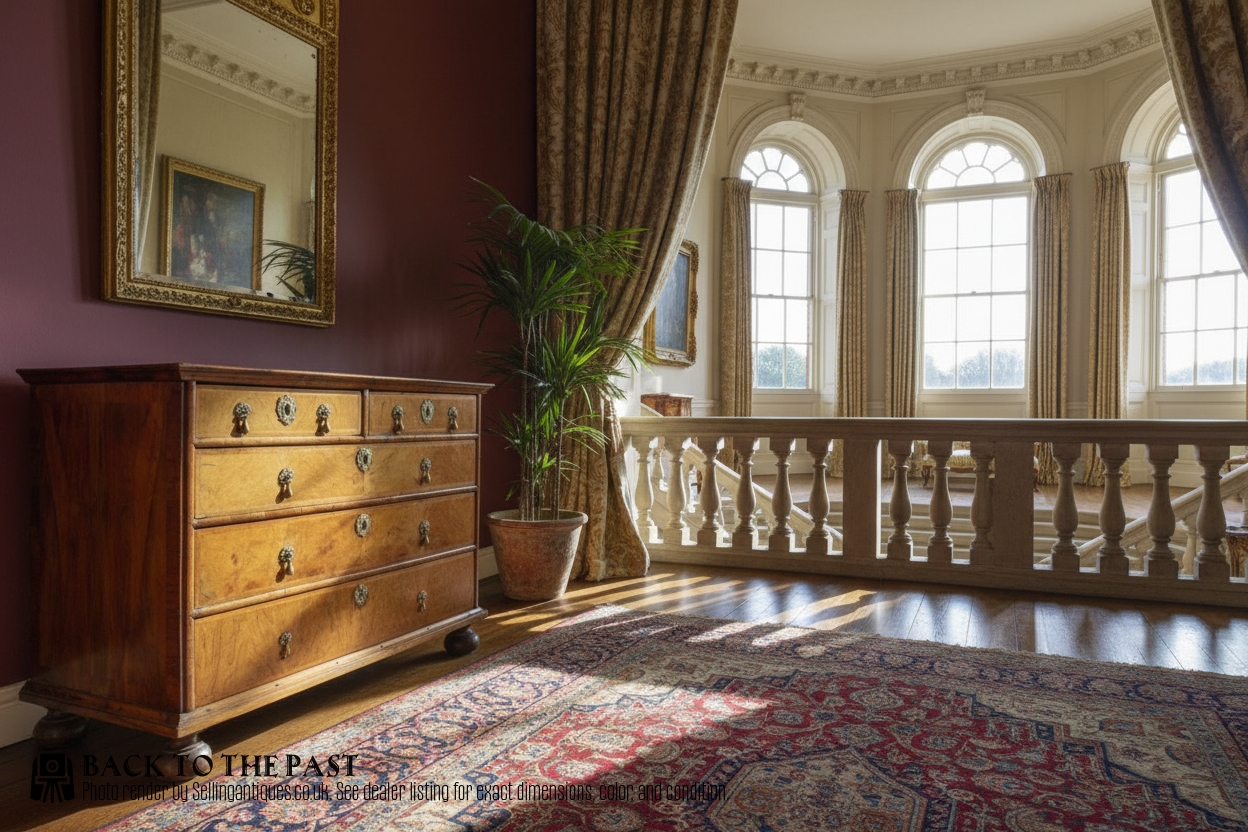
When you search for an early georgian chest, you encounter pieces intended for storage in domestic chambers, principally constructed during the eighteenth century.
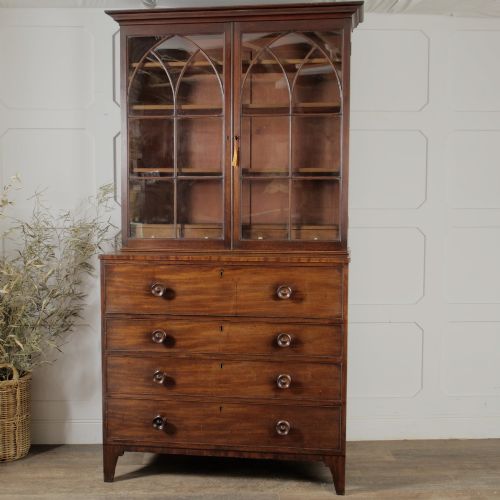
The selections span standard chests of drawers, tallboys, chests on stands, and writing pieces such as bureaux.
Walnut and oak dominate the forms, reflecting the dominant cabinet woods of the reigns of George I and George II.
How they were made
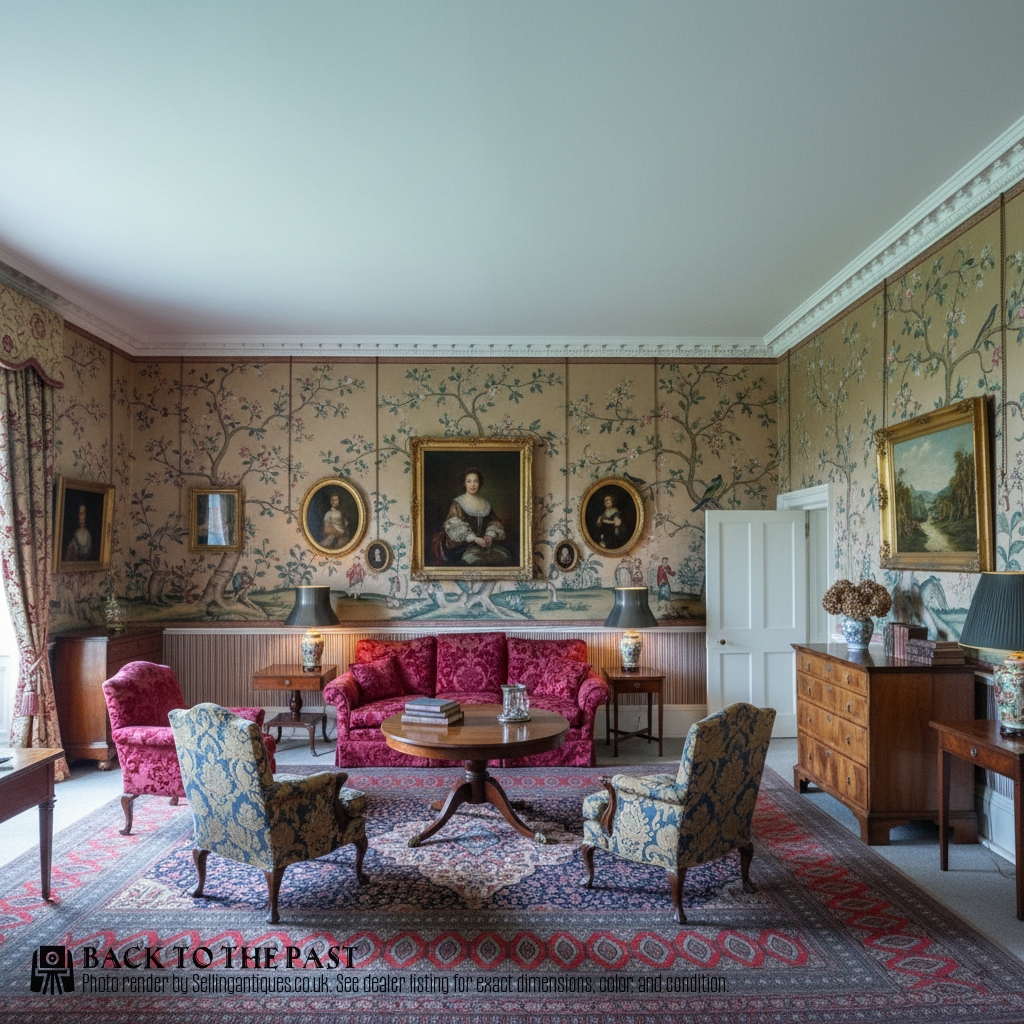
Cabinetmakers utilised dense timbers like walnut, oak, and mahogany, often applying figured veneers over underlying pine or oak carcases.
Surface ornamentation relied on herringbone banding, feather inlay, and cross-banding to frame drawer fronts and tops.
Original brass drop handles and escutcheons secured with cast pins complete the joinery methods of the period.
Early Georgian Chest Retail Price Guide 2026
Typical asking prices for early georgian chest among the pieces listed under this phrase on Sellingantiques today, from the lower quarter to the upper quarter. They describe what is for sale here now, not the wider market.
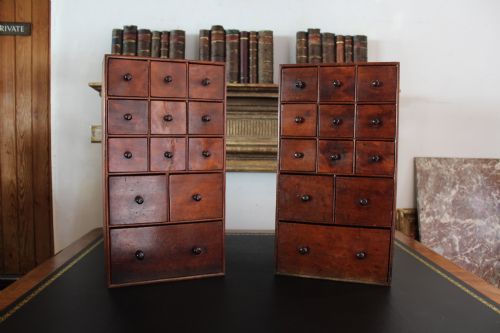
Tiny scale models appear alongside full-sized furniture, representing apprentice pieces or specialised salesman samples designed to travel.
What varies in quality
The grade of a piece rests on the selection of the wood, visible in the symmetry of figured walnut grain or the tightness of oak growth rings.
Proportion and execution define the hierarchy, distinguishing provincial workshop production from sophisticated metropolitan cabinet work.
The survival of original surfaces, patination, and undisturbed brass hardware dictates the standing of individual examples.
The Early Georgian Chest Glossary
- Chest on stand
- A two-part storage form where a drawer-fitted upper carcase rests upon a low leg framework. This elevated profile lightens the visual weight of heavy oak and walnut furniture.
- Herringbone banding
- Narrow strips of veneer laid diagonally to form a continuous V-shaped pattern. Cabinetmakers used this technique to border drawer perimeters on walnut furniture.
- Cross-banding
- Border strips of veneer laid so the grain runs perpendicular to the main surface. This frames the central panel and highlights the edge detail.
- Bachelor's chest
- A compact drawer unit featuring a fold-over top designed for writing or grooming. These small pieces served domestic spaces efficiently.
- Tallboy
- A vertical chest of drawers built in two stacked sections, also known as a chest on chest. This form maximised storage space while occupying minimal floor area.
Early Georgian Chest: Frequently Asked Questions
What is an early georgian chest?
An early georgian chest is a wooden storage piece built during the reigns of George I and George II. These items typically feature drawer configurations framed in walnut, oak, or early mahogany.
Craftsmen built these units for domestic utility, ranging from simple boarded oak coffers to veneered walnut chests on stands. Their design reflects the transition from heavy seventeenth-century proportions to more refined eighteenth-century cabinet work.
How do walnut and oak pieces differ?
Walnut pieces usually display sophisticated decorative techniques such as herringbone banding, cross-banding, and figured grain patterns. They indicate urban cabinetmaking traditions aimed at refined parlours and bedchambers.
Oak pieces tend to be more robust, employing solid timber construction with plain surfaces or geometric mouldings. These items reflect provincial craftsmanship intended for heavy daily use.
How were these chests used?
Owners stored personal linens, garments, and valuables within the drawers or enclosed compartments. Many incorporated specialised writing surfaces or small drawers for documents.
Some variants served as dressing surfaces or secondary storage in private chambers, adapting to the domestic habits of the eighteenth century.
How do you spot original hardware?
Original brasses leave distinct impression marks in the wood grain beneath the backplates, matching the outline of the metal. The fixing pins should be hand-cast and match the period technology.
Replacement handles often reveal plugged screw holes nearby or use modern machine-threaded screws that differ from historic fastening methods.