






Early English Spoon
An early english spoon carries centuries of tangible history in silver, brass, or pewter, offering collectors a direct link to sixteenth and seventeenth-century domestic life.
Early English Spoon
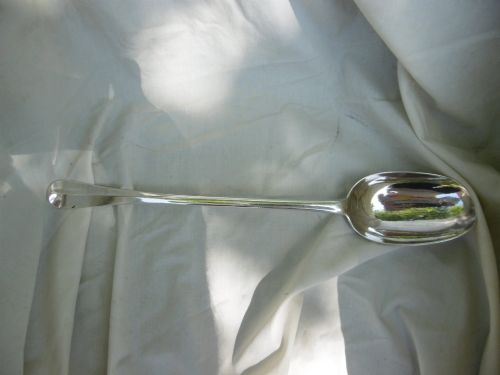
An early english spoon comprises historic eating utensils and serving pieces originating primarily from the sixteenth, seventeenth, and eighteenth centuries. These items trace the evolution of domestic dining from medieval-derived forms to the refined silver flatware of the Georgian era.
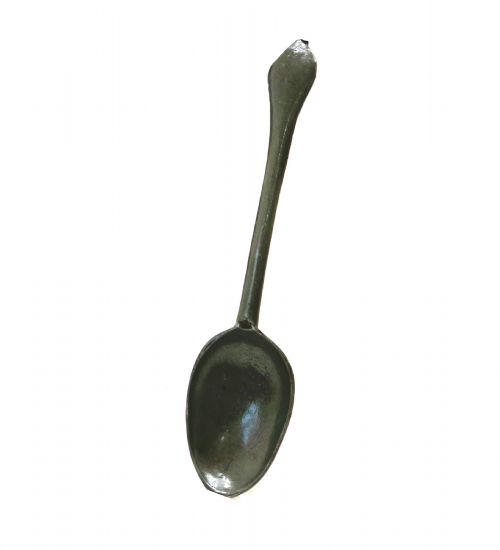
The selections available here span diverse regional workshops and urban guilds, encompassing solid silver, Britannia silver, and base metals such as brass, latten, and pewter. Alongside traditional tablespoons and serving implements, the grouping occasionally intersects with early vernacular seating sharing the namesake spoon back form.
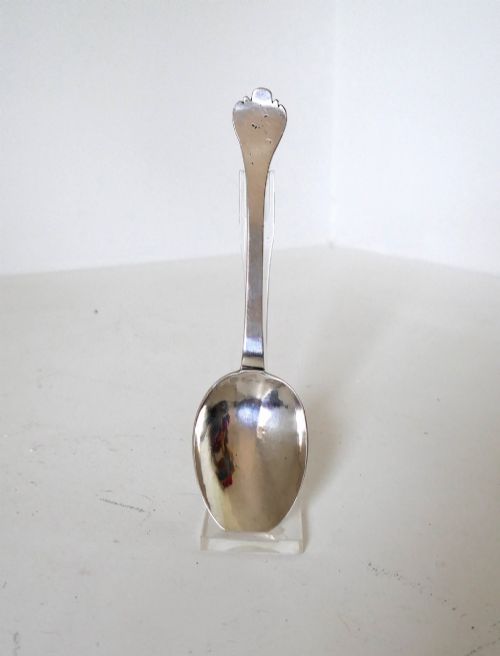
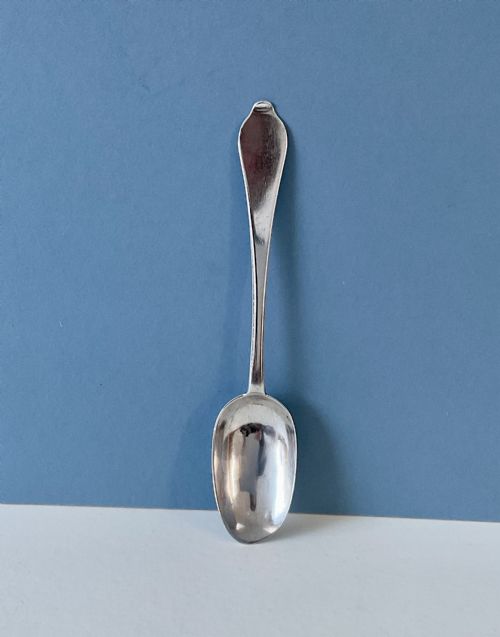
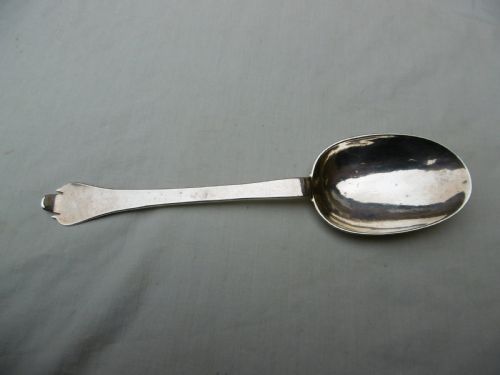
Collectors frequently encounter iconic finial types including seal tops, slip tops, and apostle figures alongside later trefid and dognose profiles. Each surviving example demonstrates the shifting utility and social status of cutlery across successive dynastic periods.
How they were made
Makers constructed early metalware spoons through casting methods using bronze or latten moulds, followed by extensive hand-hammering to achieve the required gauge and strength in the stem and bowl. Silversmiths worked sterling and Britannia silver ingots into shape on anvils, applying heat and cold working to harden the metal.
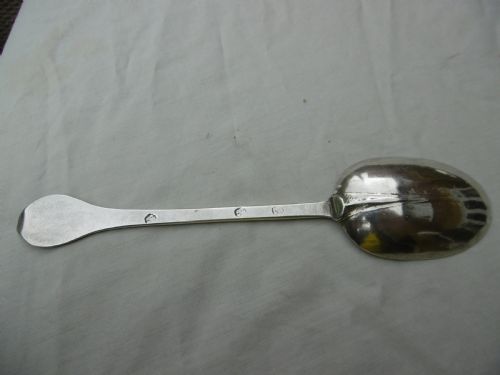
Surface finishing involved filing, scraping, and burnishing by hand to remove casting imperfections and tool marks. Makers stamped their personal makers marks and town marks directly into the metal using steel punches before final polishing.
Several early metalware pieces preserve the anonymous pride of their makers through curious symbols like a tiny stamped spoon or a key.
What varies in quality
The primary distinction in quality rests upon the crispness of the original cast detail and the degree of wear sustained by the bowl over centuries of use. Finer examples retain deep, legible hallmarks and unrubbed figural finials or terminal decorations.
Proportional integrity and the survival of the original gauge of metal determine the structural standard of the piece. Master smiths achieved superior balance and cleaner junctions between the stem and the bowl, separating high-status commissions from provincial work.
Andrew Archer·Jerimiah Johnson·Benjamin Prosser·Stephen Coleman·Lawrence Coles·Daniel Cary·J Ladyman·Peter Webb·Morris and Michael Emanuel
The Early English Spoon Glossary
- Seal top
- A spoon featuring a flat, circular disk terminal resembling the wax seal matrix used for signing documents. This finial style was prevalent during the Tudor and early Stuart periods.
- Trefid
- A flatware style characterised by a split, three-lobed terminal at the end of the stem. This form emerged during the late seventeenth century alongside the adoption of the rattail.
- Latten
- A durable mixed-metal alloy resembling brass, composed primarily of copper and zinc. It served as an economical substitute for silver in the production of domestic spoons.
- Dognose
- A spoon with an upturned, rounded terminal expanding from a narrow stem, popular in the late seventeenth and early eighteenth centuries. The shape directly preceded the modern standard dessert spoon profile.
- Slip top
- A simple handle design cut diagonally at the end, creating a clean, understated terminal profile. This form dates back to the sixteenth and early seventeenth centuries.
Early English Spoon: Frequently Asked Questions
What is an early english spoon?
An early english spoon is a historic domestic implement manufactured from silver, pewter, or brass before the nineteenth century. These items reflect the shifting dining habits and metallurgical skills of their respective periods.
Survivors range from simple latten eating tools to high-status silver seal top and trefid presentations stamped with historic town and makers marks.
How were these spoons used?
Historic spoons served as personal eating implements, serving utensils, and status symbols at the dining table. Many individuals carried their own spoons to meals during periods when hosts did not supply complete flatware settings.
Heavier tablespoons and serving pieces were utilised for portioning out food from communal dishes or handling specialty items like mustard and marrow.
How do you identify the period?
Dating relies heavily upon the shape of the terminal, the profile of the bowl, and any stamped hallmarks or makers marks present on the metal. Specific finial styles like apostle, slip top, and seal top align with sixteenth and seventeenth-century production.
Later developments, such as the trefid and dognose configurations, introduce distinct stem shapes and rattail reinforcements that correspond to specific reigns from Charles II through to George I.
How should I care for historic metalware?
Preserving early metalware requires storing items in stable environmental conditions away from excessive moisture and direct sunlight. Minimal handling helps protect vulnerable surfaces from natural skin oils.
Silver pieces benefit from infrequent, gentle cleaning with appropriate conservation products, while brass and pewter demand dry dusting to maintain their historic patina.