
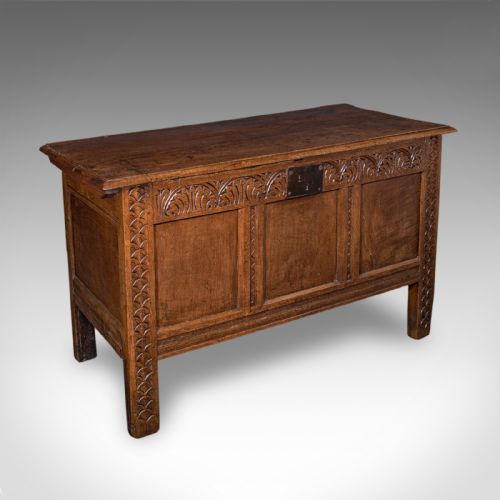
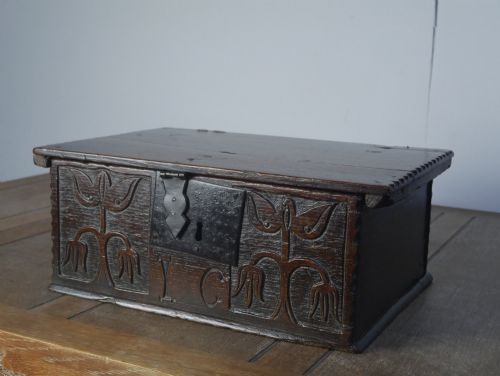


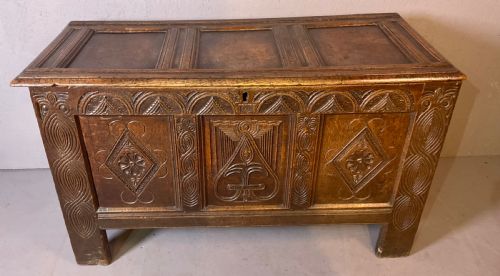


Early English Coffer
When you handle an early english coffer, you touch centuries of domestic utility built in heavy timber.
Early English Coffer
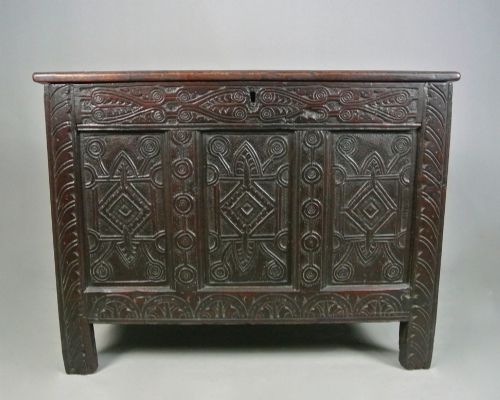
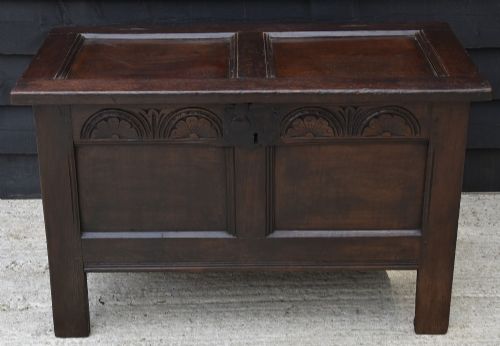
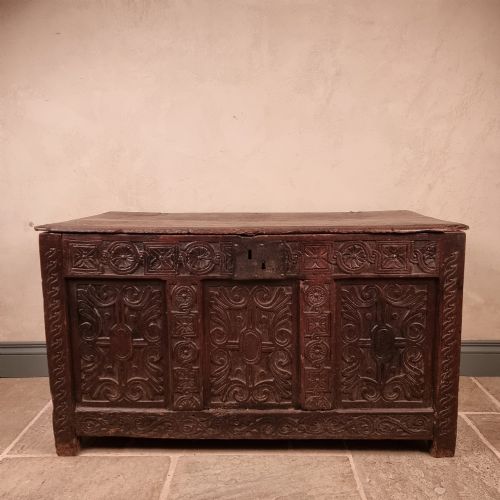
An early english coffer serves primarily as a sturdy storage chest, appearing across sixteenth, seventeenth, and eighteenth-century domestic spaces. These pieces range from simple plank construction to joined panelled boxes intended for linen, documents, or valuables.
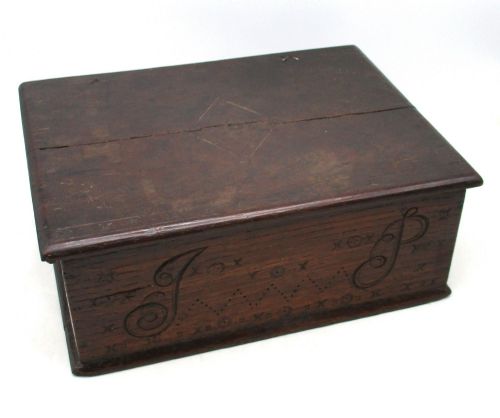
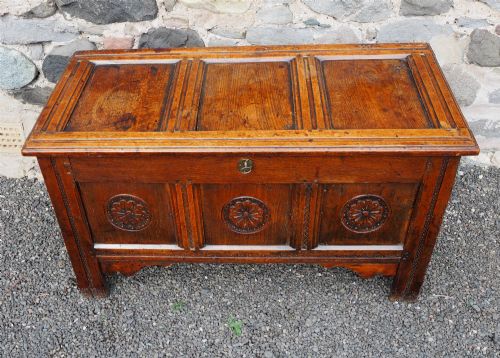
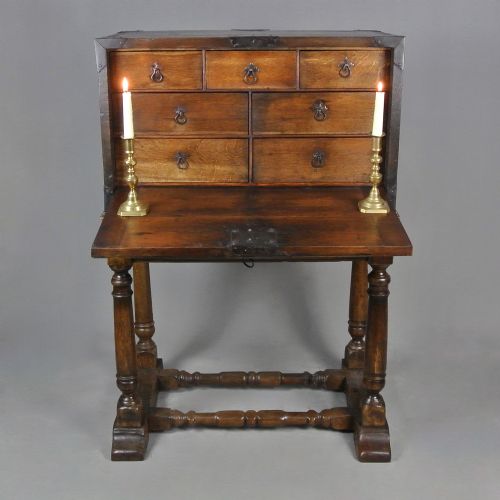
The versions most commonly met on this page include seventeenth-century joined oak coffers and simpler planked variants. Surviving examples also span smaller deed boxes, bible boxes, and early Georgian forms with integrated drawers.
Makers constructed these storage pieces to withstand heavy household use, resulting in robust proportions and utilitarian designs. Many retain authentic surface patination developed through centuries of domestic handling and placement.
Assessing quality and authenticity
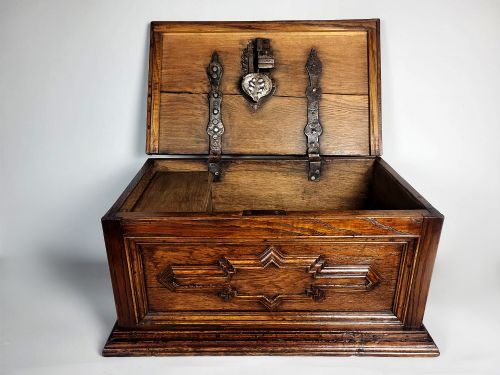
Quality rests primarily in the integrity of the original construction and the survival of untouched timber surfaces. Pieces retaining their original floor boards, hinges, and complex steel locks command greater interest from collectors.
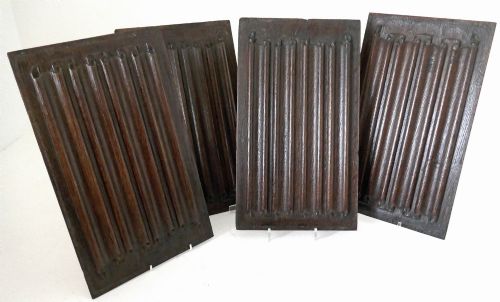
Carving depth and execution differentiate standard utilitarian storage from high-status commissions. Crisp detail in linenfold panels, geometric mouldings, or arcaded fronts indicates superior craftsmanship by the original joiner.
Many sixteenth-century chests still hide tiny internal compartments, built secretly to guard small silver coins from wandering fingers.
The Early English Coffer Glossary
- Linenfold
- A style of wood carving that imitates folded linen drapery. This ornamentation appears frequently on sixteenth-century panels.
- Joined coffer
- A chest constructed using mortise and tenon frames fitted with thin panels. This method superseded heavier plank construction as joinery techniques advanced.
- Plank coffer
- A chest formed from solid boards joined directly at the edges, often reinforced with V-notch ends. It represents one of the earliest and most straightforward storage box designs.
- Arcaded
- Decorated with a series of rounded arches supported by columns or piers. This classical motif often appears carved into seventeenth-century friezes.
- Till
- A small internal lidded compartment built inside a chest for storing coins or small documents. It sits tucked within the main storage cavity.
Early English Coffer: Frequently Asked Questions
What were early coffers used for?
Households utilised these heavy chests to store valuable textiles, blankets, and important household documents securely away from damp floors. Their flat tops also allowed them to function as makeshift tables or window seats in domestic rooms.
Wealthier families kept plate, coin, and deeds inside locked coffers fitted with complex steel mechanisms. Smaller variants served specifically as portable deed boxes or bible repositories for family records.
How do I date an antique coffer?
Joinery methods offer the clearest indication of age, transitioning from simple board assembly to pegged mortise and tenon frames. Tool marks left by adzes and pit saws also help place pieces within specific centuries.
Stylistic motifs such as linenfold carving, geometric mouldings, or arcaded panels align with particular reigns from the Tudor period onwards. Secondary wood types and original forged hardware provide further corroborating evidence for dating.
Are all these chests made of oak?
English oak dominates the surviving record, chosen for its local availability, strength, and durability in domestic settings. Joiners relied on it for structural frames and panels across multiple centuries.
Occasional examples incorporate alternative timbers like fruitwood or pine, particularly in regional pieces or interior components. Wrought iron, brass, and steel appear strictly as functional hardware elements rather than primary structural materials.
How should I care for an oak coffer?
Keep wooden storage chests away from direct heat sources and drastic humidity swings to prevent the ancient oak from splitting. Maintaining a stable environment preserves the structural integrity of the pegs and joints.
Apply traditional beeswax sparingly to nourish the dry timber without building up heavy chemical residues. Avoid modern silicone polishes that can permanently alter the historic surface patination.